The most reliable way to reduce overheating and glare in a classroom with large windows is to control direct solar radiation at the glass while preserving useful daylight. Start by restoring or adding adjustable shades, then consider independently controlled upper and lower shades, exterior shading, or solar-control film after a facilities professional checks the building’s orientation and glazing. Treat open windows as a conditional ventilation measure, not an automatic cooling solution.
A classroom can feel too hot even when its thermostat and air-temperature reading look acceptable. A sun-heated window radiates warmth toward occupants, and the uncomfortable area can move as the sun angle changes. The U.S. Environmental Protection Agency’s school IAQ guide describes this radiant-comfort problem, while federal energy guidance emphasizes controlling direct sun without unnecessarily losing daylight or views.
As an Amazon Associate I earn from qualifying purchases.
Why a classroom can be hot when the thermostat says it is fine
A thermostat measures air near its sensor; it does not fully represent the heat an occupant receives from a large, sun-heated pane. When sunlight strikes glazing, the interior surface can become warmer than surrounding walls. People seated or teaching near that surface exchange radiant heat with it, so they may feel hot even while the measured room air remains within a conventional comfort range.
Recommended Free Tools
Solar exposure also changes during the day. A complaint at the east-facing side in the morning may appear near a south or west-facing window later, and a desk or whiteboard can become uncomfortable only for part of the lesson. The EPA’s Reference Guide for Indoor Air Quality in Schools explains why radiant comfort and changing sun angles matter. That is why a single thermostat adjustment often fails: lowering the setpoint may cool the air without removing glare or the radiant load at the window.
#1 Best Overall
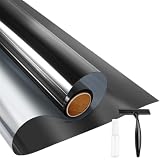
- UV BLOCKING & GLARE CONTROL: KESPEN sun blocking window film can effectively block 82% of infrared rays and 90% of UV rays which may hurt your skin, prevent your precious furniture and interior decorations from fading. 12% VLT means that some visible light can enter the room, not only to block the harsh light and reduce glare, but also to maintain your good view
- HEAT CONTROL & ENERGY SAVING: The window tinting film for home reflects some of the heat back outside, thus reducing the amount of heat transmitted through window glass, which can keep cool in summer and retain heat in winter, helping you save money by cutting the high energy bills
- ONLY DAYTIME PRIVACY PROTECTION: This one way window film provides superb privacy during daytime, the mirror reflection of privacy control window film allows others to not see any interiors from the outside, effectively protecting your private space. But when inside light is stronger than outside, loss of light difference, such as the lights turning on, the mirror effect will disappear and will be seen from the outside. So at night with this mirror tint, it is necessary to draw the curtains
- STATIC CLING & EASY TO INSTALL: The reflective window film is designed with non glue, this static cling window film avoids the release of chemical substances, very easy to use just spray A LOT of water on both the adhesive side and the window. It can also be removed easily without any traces left on the glass
- WIDELY APPLICATION OCCASIONS: Our house window tint film is suitable for the smooth and clean glass surface of your kitchen, sliding door, bedroom, balcony, restroom, office doors, and windows. Not used on double-paned glass, frosted glass, cut glass, and curved glass. Useful Tips: Please make sure the glass, edges, and corners are totally cleaned without any dust and tear off the protective film before pasting it onto the glass
Diagnose the pattern before choosing a retrofit
Spend several school days recording the conditions rather than selecting a product from a catalogue. A short log gives the facilities team evidence about which control will solve the actual problem.
- Map the affected rooms. Note each room’s window wall, orientation if known, glazing height, transoms or clerestories, and the locations of desks, the teacher’s position, displays, and screens.
- Record timing. Write down when direct sun first reaches the room, when glare appears on a board or display, and when occupants begin reporting heat. Repeat observations in morning, midday, and afternoon periods and in different seasons where practical.
- Track where discomfort occurs. Record whether the complaint follows the window, a particular row of desks, or a sightline to a board or screen. A moving complaint is evidence of changing solar angle rather than a simple whole-room temperature problem.
- Check controls and measurements. Record indoor air temperature, thermostat location and setting, whether shades are open or closed, and whether the HVAC system is operating. If possible, note surface temperatures or use an infrared survey as a diagnostic aid, interpreted by a qualified professional.
- Check non-solar contributors. Occupant density, lighting, computers, cooking or laboratory equipment, blocked supply or return grilles, and a malfunctioning HVAC zone can add heat. Solar control should not conceal an unrelated mechanical fault.
This diagnosis also prevents overcorrecting. If glare is the primary complaint but heat is modest, a controllable shade may be sufficient. If the glass is hot and the affected desks are close to it, exterior shading or a carefully selected solar-control film may deserve evaluation.
Start with adjustable interior shades that people can operate
Working blinds, shades, or curtains are usually the fastest first intervention. They interrupt direct sunlight, reduce contrast at windows, and can reduce radiant heating from direct sun. The EPA school guide discusses curtains as a way to limit radiant discomfort; the U.S. Department of Energy’s building-envelope guidance likewise treats shading and occupant interaction as part of envelope performance.
Free tools Windows power users keep installed
One-click scans. No signup required.
Repair and adjust what is already installed
- Replace broken chains, cords, brackets, or slats and remove obstructions that prevent full travel.
- Check that shades cover the glazing and close evenly, including the lower corners where direct sun often reaches desks.
- Clean dusty fabric, screens, and tracks according to the manufacturer’s maintenance instructions; dirt can reduce usable daylight and make controls harder to operate.
- Make the control reachable and obvious to teachers. A shade that requires a ladder or a complicated sequence will not be adjusted when the sun shifts.
- Inspect cords and looped controls for child-safety requirements and use compliant hardware where applicable.
Use operating guidance, not a permanent “closed” policy
Closing every blind all day can remove glare but also sacrifices daylight, views, and potential lighting-energy savings. DOE notes that occupants may close adjustable blinds and fail to reopen them, undermining daylighting. Give staff a simple rule: lower or angle shades when direct sun reaches a person, board, or display; reopen or raise them when the sun has moved and daylight is useful. Facilities staff can post orientation-specific instructions near the controls and include the procedure in room handover or teacher training.
Use independent upper and lower shades for high windows and transoms
High windows, clerestories, and transoms create an opportunity for selective control. With independently operable upper and lower treatments, lower shades can block the direct sun and reduce glare at eye level while upper glazing continues to admit diffuse daylight. This approach is identified in the ENERGY STAR Building Upgrade Manual as a daylighting and shading strategy; it is retrofit guidance, not a guarantee of a particular temperature or glare reduction.
Rank #2

- 2026 Updated Backing Grids: Our window tint for home has been upgraded to the latest version! There are 1 inch grids on the backing for you to cut it easily. Now you can complete the installation more easily!
- Note: 1. Dwersty one way window film provides superb DAYTIME privacy, with a mirror effect looking in from outside when the light is stronger outside than inside. However, when inside light is stronger than outside (for example, at nighttime or when it's very cloudy), the mirror effect disappears and you can see in from outside. Remember to draw the curtains at night for privacy. 2. The free tools are inside of the paper tube.
- HEAT CONTROL & ENERGY SAVING: Dwersty home window tint let in the light you love while reflecting much of the sun's heat away from your home, so you can stay cooler in hot days. It also helps to save energy and cut cost on your energy bills by providing better insolation and allowing air conditioners reach a constant temperature faster. You and your family can enjoy a safer and more comfortable home time economically!
- UV BLOCKING & GLARE CONTROL: This sun blocker film for windows blocks 93% of UV rays and 85% of IR rays, reducing fading and aging of your beloved furnishings and protecting skin from harmful rays, which is number one cause for skin aging and damage. The home window tint allows natural light enter the room, while protecting your eyes from harsh sunlight and glare.
- STATIC CLING & NO MESS NO FUSS INSTALLATION: This removable window tint has no glue or chemical substances, which makes it easier and safer to install or remove without any trace left on glass. In addition, we provide complementary tools save you money and trouble - please look for them inside of the film roll. if any is missing, please contact us. For smooth application, make sure window surface is completely clean and spray A LOT of soapy water on both the adhesive side and the window.
When the split-control arrangement fits
- The window assembly has a clear upper section that can admit sky light after direct sun is controlled below.
- Upper and lower sections can receive separate shades or blinds without interfering with egress, sprinklers, ventilation equipment, or cleaning access.
- Teachers can operate each section independently and understand which portion to adjust.
- Electric lighting can be dimmed or zoned where available, so retained daylight is not cancelled by unnecessary full-output lights.
What to verify before ordering
Measure each opening, including mullions, transoms, sill heights, and obstructions. Confirm that the proposed hardware is rated for the span and can be maintained from a safe position. Review sightlines to projection screens and whiteboards: a shade arrangement that leaves a bright strip beside the board may still produce disabling contrast. Coordinate the design with fire, accessibility, safeguarding, and cleaning requirements.
Consider exterior shading when direct sun is the main load
Exterior overhangs, solar screens, louvers, and other external shades intercept solar energy before it passes through the glass. They can be especially effective on façades with predictable direct exposure. DOE guidance supports shading and filtering at daylight apertures, but it does not provide one universal overhang dimension or product specification for every school.
Design checks for an exterior retrofit
- Orientation and sun path: Size or position the device for the façade and seasonal sun angles rather than copying a detail from another elevation.
- Structure: Have a qualified designer verify attachment to the wall, wind loading, snow or rain exposure where relevant, and compatibility with the existing façade.
- Daylight: Select openness, projection, and placement to reduce direct beam sunlight without creating a permanently dark room.
- Maintenance: Provide safe access for cleaning, inspection, repainting, screen replacement, and repair.
- Weather and durability: Check resistance to corrosion, wind movement, water shedding, and vandalism in the school’s environment.
- Building approvals: Confirm planning, accessibility, fire, and school-district requirements before altering the exterior.
Exterior shading is a building-envelope project, not merely a window-accessory purchase. A facilities professional should model or otherwise evaluate the actual orientation, glazing, and seasonal use before committing to a design.
Evaluate solar-control window film carefully
Solar-control window film is a possible retrofit where replacing glazing or adding exterior devices is impractical. Film can reduce solar radiation and cooling load, but performance and suitability depend on the existing glass, coatings or tint, frame and seal condition, exposure, climate, and project economics. The EPA/ENERGY STAR manual discusses film as a retrofit category; it does not endorse a particular product.
Compatibility checks that should precede a film specification
- Identify the glass type, number of panes, thickness, low-emissivity coating, tint, frit, and any existing film.
- Check the manufacturer’s compatibility limits for that exact glazing and frame system. Some combinations can create thermal stress or seal problems.
- Assess whether the pane is in direct sun, shaded seasonally, or exposed to large temperature differences.
- Confirm optical effects: visible transmittance, reflectance, color, and the appearance of views from inside and outside.
- Review warranties, cleaning instructions, expected service life, and replacement access with the school or building owner.
- Compare installed cost and expected benefits with interior or exterior shading alternatives.
Do not specify “dark film” as a generic cure. A very low-transmittance film may reduce glare while making electric lights necessary all day, and it may change the appearance of the building. Require a written compatibility review and a sample or mock-up in a representative room before broad installation.
Rank #3
- ONLY DAYTIME PRIVACY PROTECTION: This one way window film provides superb privacy during daytime, the mirror reflection of privacy control window film allows others to not see any interiors from the outside, effectively protecting your private space. But when inside light is stronger than outside, loss of light difference, such as the lights turning on, the mirror effect will disappear and will be seen from the outside. So at night with this mirror tint, it is necessary to draw the curtains
- UV BLOCKING & GLARE CONTROL: KESPEN sun blocking window film can effectively block 82% of infrared rays and 90% of UV rays which may hurt your skin, prevent your precious furniture and interior decorations from fading. 12% VLT means that some visible light can enter the room, not only to block the harsh light and reduce glare, but also to maintain your good view
- HEAT CONTROL & ENERGY SAVING: The window tinting film for home reflects some of the heat back outside, thus reducing the amount of heat transmitted through window glass, which can keep cool in summer and retain heat in winter, helping you save money by cutting the high energy bills
- STATIC CLING & EASY TO INSTALL: The reflective window film is designed with non glue, this static cling window film avoids the release of chemical substances, very easy to use just spray A LOT of water on both the adhesive side and the window. It can also be removed easily without any traces left on the glass
- WIDELY APPLICATION OCCASIONS: Our house window tint film is suitable for the smooth and clean glass surface of your kitchen, sliding door, bedroom, balcony, restroom, office doors, and windows. Not used on double-paned glass, frosted glass, cut glass, and curved glass. Useful Tips: Please make sure the glass, edges, and corners are totally cleaned without any dust and tear off the protective film before pasting it onto the glass
Keep daylight, electric lighting, and glare control integrated
Visual comfort is not achieved by making every surface equally dim. A bright window beside a darker board or screen can create contrast and reflections that make reading difficult. At the same time, permanently closed blinds waste useful daylight and views. The EPA’s Indoor Air Quality in High Performance Schools material treats visual and thermal comfort as integrated design concerns.
Do these 3 things before closing this tab:
1Clear out junk files and repair common Windows errors2Fix the driver behind crashes, sound loss and screen glitches3Repair Windows errors before they cause bigger problemsA practical operating sequence
- Close or angle the shade on the side receiving direct beam sunlight.
- Check the board, projector, interactive display, and students’ sightlines from normal seating positions.
- Leave upper glazing or a shaded portion open when it admits diffuse light without producing glare.
- Reduce or dim electric lighting in zones receiving adequate daylight, where the lighting controls allow it.
- Recheck after the sun moves; do not leave all shades in the morning position for the entire day.
For rooms with automatic controls, configure the system so occupants can override it, then provide a clear reset or hand-back procedure. A control strategy that is technically capable but confusing will be bypassed or left in an unhelpful position.
Do not treat open windows as a universal cooling fix
Opening a window can add outdoor air or cooling only when outdoor conditions and the building systems permit it. The EPA’s HVAC guidance for schools warns that uncontrolled openings can affect filtration, system balance, and moisture control.
Checks before permitting open-window ventilation
- Outdoor temperature and humidity must support cooling rather than add heat or latent moisture.
- Outdoor air quality must be acceptable, including smoke, traffic pollution, odors, and local alerts.
- Rain, wind, noise, insects, and security or fall risks must be controlled.
- Opening windows must not bypass required filtration or cause the HVAC system to operate outside its intended balance.
- Facilities staff must know whether the mechanical system should be reset, reduced, or left running when windows are opened.
- Applicable building, fire, accessibility, safeguarding, and school policies must be followed.
Natural ventilation is therefore a conditional operating mode coordinated with the HVAC design, not a substitute for designed ventilation. Do not use open windows to compensate for failed cooling equipment, blocked air paths, or inadequate controls without involving the responsible facilities team.
Compare the main options against the same decision criteria
Facilities teams can compare measures using heat and glare reduction, retained daylight and view, glazing compatibility, orientation and seasonal fit, operation and maintenance, interaction with ventilation and HVAC, and installed cost. The sources do not establish a universal ranking; the right choice depends on the room and building.
Quick wins for a faster PC:
Clear out junk files and repair common Windows errorsFree Scan →Fix the driver behind crashes, sound loss and screen glitchesFind Drivers →Rank #4
- Note: 1. Dwersty one way window film provides superb DAYTIME privacy, with a mirror effect looking in from outside when the light is stronger outside than inside. However, when inside light is stronger than outside (for example, at nighttime or when it's very cloudy), the mirror effect disappears and you can see in from outside. Remember to draw the curtains at night for privacy. 2. The free tools are inside of the paper tube.
- HEAT CONTROL & ENERGY SAVING: Dwersty home window tint let in the light you love while reflecting much of the sun's heat away from your home, so you can stay cooler in hot days. It also helps to save energy and cut cost on your energy bills by providing better insolation and allowing air conditioners reach a constant temperature faster. You and your family can enjoy a safer and more comfortable home time economically!
- UV BLOCKING & GLARE CONTROL: This sun blocker film for windows blocks 93% of UV rays and 85% of IR rays, reducing fading and aging of your beloved furnishings and protecting skin from harmful rays, which is number one cause for skin aging and damage. The home window tint allows natural light enter the room, while protecting your eyes from harsh sunlight and glare.
- STATIC CLING & NO MESS NO FUSS INSTALLATION: This removable window tint has no glue or chemical substances, which makes it easier and safer to install or remove without any trace left on glass. In addition, we provide complementary tools save you money and trouble - please look for them inside of the film roll. if any is missing, please contact us. For smooth application, make sure window surface is completely clean and spray A LOT of soapy water on both the adhesive side and the window.
- 100% SATISFACTION SERVICE: We want to provide you the best DAYTIME one way privacy window film (see out not in), with 100% satisfaction. We offer a 3-month warranty against non-human damage and 24/7 email support. For any product problems, shipping damage, and installation issues, please contact the seller via email first and your problem will be resolved within 24 hours! Now Click "Add to Cart" and experience better home time.
| Approach | What it can do | Trade-offs and checks |
|---|---|---|
| Repair, adjust, or add interior blinds, shades, or curtains | Cut direct sunlight and glare; curtains can also reduce radiant heating from direct sun. | May block views and daylight if left closed. Check condition, reachability, controls, cleaning, and maintenance. |
| Separate upper and lower shades | Controls lower-window heat and glare while upper glazing continues to admit daylight. | Requires suitable window geometry and independently operable treatments. Coordinate with dimmable or zoned electric lighting. |
| Exterior shades, solar screens, or overhangs | Shades glazing before solar energy enters the room; useful for predictable direct-sun exposures. | Design for orientation, climate, structure, weather, maintenance, and daylight. No universal sizing prescription applies. |
| Solar-control window film | Limits solar radiation and can reduce cooling load without replacing the window. | Check existing glass, coatings, tint, exposure, frame condition, warranties, compatibility, and project economics. |
| Operable-window ventilation | May add outdoor air and cooling when conditions permit. | Check temperature, humidity, pollution, rain, noise, safety, HVAC balance, filtration, moisture, and applicable codes. |
Use a staged project plan
Stage 1: Make existing controls usable
Repair or replace failed shades, remove obstructions, clean the assemblies, and give teachers a short operating guide. This stage is relatively quick and supplies information about how much of the complaint is controllable without construction.
Stage 2: Improve selective control
Where high glazing or transoms are present, survey the openings for independently controlled upper and lower treatments. Coordinate the shade layout with boards, displays, lighting zones, egress, and safe maintenance access.
Stage 3: Assess envelope retrofits
For persistent direct-sun problems, have a qualified professional compare exterior shading and solar-control film against the actual façade orientation and glazing. Ask for documented assumptions, expected daylight effects, maintenance needs, and compatibility findings rather than a generic product promise.
Stage 4: Coordinate mechanical operation
Check HVAC zoning, supply and return paths, thermostat placement, filters, and controls. If open-window operation is contemplated, write the conditions under which it is allowed and how it interacts with the mechanical system.
The Tool Desk
Outbyte PC Repair FREERepair Windows errors before they cause bigger problemsFix Now →Outbyte Driver Updater FREEScan for outdated or missing drivers - takes under a minuteDriver Scan →Stage 5: Verify after installation
Observe the same desks, boards, and time periods used in the initial log. Check glare, radiant sensation, daylight, electric-light use, shade operation, and occupant feedback. A solution is successful only if it remains operable and maintainable throughout the school day.
Best Value

- 3’ X 5’ DAYTIME WINDOW PRIVACY FILM: Contains one (1) 3’ x 5’ sheet of 3M Sun Control Window Film Solar Privacy; covers approximately 1-2 interior home windows depending on window size
- ONE-WAY DAYTIME PRIVACY: This one-way privacy window film lets you see out, not in, adding daytime privacy to your home, apartment, and condo windows while still allowing natural daylight to come in
- UP TO 67% HEAT REJECTION: This window film cuts down on solar heat and offers up to 67% heat rejection which helps reduce the load on your A/C system and helps keep rooms cooler and more comfortable on sunny days
- HELPS REDUCE GLARE: The one-way window film lets in natural light while helping reduce glare on TVs, monitors, and personal electronic devices for a more comfortable viewing experience inside your home
- PROTECTS FURNISHINGS FROM UV RAYS: 3M Sun Control Window Film Solar Privacy blocks 99.9% of UV rays to help protect your furniture, carpets, fabrics, and artwork from fading or discoloring over time
Common mistakes and how to avoid them
Lowering the thermostat instead of controlling the sun
More cooling may lower air temperature while the window continues to radiate heat and create reflections. Diagnose the window-side condition and shade the beam path first.
Installing a permanently dark treatment
A dark film or permanently closed blind can solve one glare complaint by creating a daylight and view penalty. Specify controllability and evaluate visible light as well as solar control.
Using one shade position for every orientation
East, south, and west façades receive different sun angles and schedules. Record the pattern by room and provide orientation-specific instructions or controls.
Ignoring occupant behavior
Controls that are difficult to reach, understand, or reset will not deliver their design intent. Involve teachers in the operating procedure and assign maintenance responsibility.
Opening windows without an HVAC plan
Uncoordinated openings can introduce polluted or humid air, bypass filtration, upset system balance, or create safety and noise problems. Establish conditions and responsibilities before using this mode.
California and code considerations
California’s Title 5, California Code of Regulations, school-facility provisions state that window treatments should allow daylight without excessive glare or heat gain. This requirement applies in California; it is not a nationwide rule. Elsewhere, verify the currently adopted state and local building, energy, fire, accessibility, and school-facility requirements with the authority having jurisdiction.
EPA explanatory material references older ASHRAE editions in places. Do not copy dated ventilation rates from that page as current code requirements. The school’s adopted standards, design professional, and local authority determine the requirements for a specific project.
Crashes, No Sound, or Screen Glitches?
Random freezes, missing sound and display glitches usually trace back to one bad driver. Find and replace yours safely.Free scan · under a minutePC Slower Than It Used to Be?
A free scan shows the junk files, broken settings and background clutter dragging Windows down - then fixes them in one click.Free scan · Windows 10 & 11Quick Recap
What a facilities brief should contain
- Room numbers, window elevations, approximate dimensions, orientation, glazing description, and transom or clerestory locations.
- Time-stamped observations of glare, radiant heat, air temperature, shade position, and affected desks or displays.
- Existing shade type, operating condition, control location, maintenance history, and safety constraints.
- Daylight and electric-light objectives, including requirements for projection, screens, and views.
- HVAC zone information and rules for any open-window operating mode.
- For film or exterior shading, a written compatibility, structural, warranty, maintenance, and approval review.
- A post-installation verification plan using the same observations as the diagnosis.
Product prices and availability are accurate as of the date/time indicated and are subject to change. Any price and availability information displayed on Amazon at the time of purchase will apply.

