Windows Errors? Fix Them Before They Spread
Repair common Windows errors and clear accumulated junk for a smoother, more stable PC - no reinstall needed.Free scan · no reinstallCrashes, No Sound, or Screen Glitches?
Random freezes, missing sound and display glitches usually trace back to one bad driver. Find and replace yours safely.Free scan · under a minuteAct on symptoms immediately: stop the worker’s heat exposure, move them to shade or air conditioning, have them sit or lie down, cool them with cold compresses or ice packs, and offer a cool drink if they are alert and able to swallow. Stay with them. If symptoms worsen or have not improved within 60 minutes, arrange medical evaluation; the worker should not return to work that day.
Confusion, slurred speech, fainting, unconsciousness, or seizures may signal heat stroke. Call 911 immediately and begin active cooling while help is on the way. Do not wait for a coworker to make a precise diagnosis; heat illnesses overlap, and a prompt response is safer than continued exposure.
As an Amazon Associate I earn from qualifying purchases.
Recognize the warning signs before they become an emergency
Heat exhaustion is the body’s response to losing water and salt through heavy sweating. On a construction site, it can develop during lifting, roofing, paving, concrete work, excavation, equipment operation, or any task performed in hot weather or with heat-trapping protective clothing.
OSHA lists these possible signs:
- Heavy sweating
- Cool, moist skin
- Headache
- Nausea or vomiting
- Dizziness or lightheadedness
- Weakness or unusual fatigue
- Thirst
- Irritability or other unusual behavior
- A fast heartbeat
A worker may have several signs or only one or two. A person who suddenly says they feel dizzy, sick, weak, confused, or unusually tired in the heat needs attention even if they are still sweating and insisting they can continue. Symptoms can overlap with other heat-related illnesses and with unrelated medical problems. Coworkers should respond to the signs rather than trying to label the illness themselves.
#1 Best Overall

- Balanced daily hydration: Ultima electrolyte powder packets deliver daily hydration with all 6 electrolytes—magnesium, calcium, potassium, chloride, sodium & phosphorus—plus vitamin C, zinc and delicious plant-based flavor without sugar and excess sodium
- Flavor you’ll love: This Ultima Variety pack electrolyte drink mix is made with delicious fruit flavors and lightly sweetened with organic stevia leaf extract; sugar free electrolytes designed to make daily hydration something you’ll enjoy
- What’s inside: Lemonade, Grape, Raspberry, Cherry Pomegranate and Orange Ultima electrolyte packets; gluten and sugar free, zero calorie, vegan, keto friendly and non-GMO certified hydration packets replenish electrolytes with no junk
- Take it with you: With 4 of each flavor, this 20-serving pack of our electrolyte powder packets is perfect for on the go and exploring different flavors; add 1 stickpack of hydration powder to 16 ounces of water, shake or stir well, then add ice to chill
- The Ultima Replenisher difference: Backed by 30+ years of expertise, Ultima delivers zero-sugar electrolyte hydration you can enjoy every day
Pay attention to changes from the worker’s normal behavior
Heat illness is easier to miss when a crew is busy or when the worker is embarrassed to stop. Watch for a person who slows down, drops tools, misses instructions, staggers, stops drinking, becomes unusually irritable, or answers questions strangely. A buddy check should include a brief conversation, not just a glance from across the site.
First aid for suspected heat exhaustion
Use this sequence as soon as symptoms appear. A supervisor should assign one person to help while another keeps the work area safe and contacts medical support if needed.
- Stop the heat exposure. Stop the task and remove the worker from direct sun, hot surfaces, steam, and other heat sources. Do not let the person “push through” to finish a lift, pour, shift, or inspection.
- Move to a cooler recovery area. Use shade, an air-conditioned vehicle or building, a break room, or a tent. A fan or misting device can improve comfort, but it does not replace moving the worker out of the heat.
- Position the worker safely. Have them sit or lie down. If they are dizzy, keep them from walking unassisted. Protect them from traffic, equipment, edges, and falls.
- Cool promptly. Apply cold compresses or ice packs and use other available cooling methods. Loosen or remove outer clothing that is not needed for immediate safety. Continue cooling while observing the worker.
- Offer a cool drink only when safe. If the worker is alert, able to swallow, and not vomiting, offer cool water or another cool beverage. Do not force fluids and do not give anything by mouth to a person who is confused, unconscious, seizing, or unable to swallow.
- Stay with the worker. Observe breathing, alertness, speech, coordination, and symptoms. Never leave an ill worker alone in a vehicle, trailer, break area, or isolated part of the site.
- Escalate when needed. If symptoms worsen or do not improve within 60 minutes, arrange medical evaluation or treatment. Follow the emergency plan sooner if the worker’s condition is severe or uncertain.
OSHA’s practical instruction is: “When in doubt, cool the worker and call 911.”
Call 911 for possible heat stroke
Confusion, slurred speech, unconsciousness, fainting, or seizures are emergency signs. They may indicate heat stroke, which can rapidly threaten the brain and other organs. Call 911 immediately; do not wait to see whether the worker recovers after drinking water or resting.
While emergency services are responding:
- Move the worker to the coolest available location.
- Begin active cooling with cold water, ice, cold packs, or other practical methods.
- Loosen or remove outer clothing when this can be done safely.
- Keep someone with the worker and monitor changes.
- Send a coworker to meet responders and guide them through the site’s entrance, gates, elevators, stairs, or restricted areas.
Do not give fluids to a confused, unconscious, seizing, or otherwise unsafe-to-swallow worker. Do not leave the person alone while making the call; use the site’s emergency plan so one person calls and another continues cooling.
Rank #2

- A Fountain of Flavor: Trevi's Zero Sugar Daily Hydration electrolyte powder doesn't skip on taste and is rich in vitamins, minerals and ingredients. With Zero Sugar, No Artificial Dye Coloring, Pink Himalayan Sea Salt, Trevi's electrolyte drink mix is formulated to hydrate and replenish you while enhancing the taste of your water.
- All the Good Stuff & Zero Sugar: Trevi Everyday Hydration electrolyte powder packet has 3x the electrolytes compared to traditional sports drinks. Trevi's Everyday Hydration formula is filled with Sodium, Potassium, Magnesium, Vitamin C, B6 and B12 Vitamins, and Chloride. Sugar Free, Non-GMO, Allergen Free, No Artificial Preservatives, No Artificial Coloring
- Hydrated Human: Trevi's Sugar Free Daily Electrolytes Hydration Enhancer is designed to help you optimize your sleep, maximize daily performance, increase cognitive function, sustain energy, and recover from big work outs and travel. You live an active lifestyle, which is why we packed the on-the-go electrolyte powder packet mix with functional ingredients, tons of flavor, and 0 sugar.
- Flavor Your Way: Put one easy to open stickpack in 16oz of water to maximize flavor or put it in 40oz of water to create a more subtle flavor.
- Every Sip Counts: With each purchase Trevi gives 10% of all profits to non-profit partners, who are actively working to impact the world for the better. We believe each and every one of us can make a difference in the lives of others and that every sip counts in making that impact.
Use the 60-minute threshold and keep the worker off the job
OSHA advises medical evaluation or treatment when heat-exhaustion symptoms get worse or fail to improve within 60 minutes. Arrange that evaluation even if the worker later says they feel capable of returning. A worker who has had heat-exhaustion symptoms should not return to work that day under OSHA’s chart guidance.
Document what happened for the employer’s incident and health records: the task, approximate time symptoms began, heat and work conditions, observed signs, first aid provided, drinks offered, changes during monitoring, and whether emergency services or a clinic was contacted. Documentation supports follow-up and helps the employer correct unsafe work conditions; it is not a substitute for medical care.
Heat exhaustion and heat stroke require different urgency
Signs can overlap, so this comparison is a response guide, not a diagnosis. When severe neurological signs are present, treat the situation as an emergency.
| Observed situation | Immediate response |
|---|---|
| Heavy sweating, cool moist skin, headache, nausea, dizziness, weakness, thirst, irritability, or fast heartbeat; worker is alert and can swallow | Stop exposure, move to a cool place, sit or lie down, cool with cold compresses or ice packs, offer a cool drink, stay with the worker, and monitor. |
| Symptoms worsen or have not improved within 60 minutes | Arrange medical evaluation or treatment. The worker does not return to work that day. |
| Confusion, slurred speech, fainting, unconsciousness, or seizures | Call 911 immediately, begin active cooling, and stay with the worker. Do not give fluids if swallowing is unsafe. |
Hydration: what to provide and what it cannot do
Employers should provide cool, potable water in a familiar, accessible location near the work. Workers should drink frequently rather than waiting until they feel thirsty. Water is a prevention measure and a support for normal work; it is not a treatment that allows a symptomatic worker to keep working.
For work lasting two hours or more, OSHA says employers should provide access to electrolyte-containing beverages as well. Portable electrolyte powder packets can be one practical way to prepare such a beverage when the employer follows the product’s mixing directions and maintains clean, accessible drinking supplies. They do not prevent every heat illness, and they do not replace stopping work, cooling, or emergency care.
Rank #3
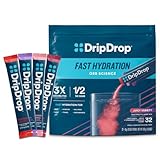
- FAST & EFFECTIVE HYDRATION: Combat dehydration with our science-based electrolyte powder formula that hydrates faster than water alone. Perfect for sports, outdoor activities, and hot days.
- 3X ELECTROLYTES & ½ THE SUGAR: Our precise formula activates a hydration shortcut, delivering essential electrolytes with less sugar than leading sports drinks. A great-tasting hydration powder that's easy to drink and mix.
- HEALTH-CONSCIOUS FORMULA: Non-GMO, Gluten-Free, Vegan, Soy-Free, Dairy-Free and Kosher. Our hydration packets include essential nutrients like potassium, magnesium, zinc, and vitamin C for added immune support. Natural colors derived from sources including fruit and vegetable juices, turmeric, spirulina extract, and beta carotene. No FD&C colors ever (no Red 40).
- CONVENIENT SINGLE-SERVE PACKETS: 32 portable electrolytes powder packets perfect to rehydrate on-the-go. Ideal for travel, sports activities, and daily use. Mix 1 packet into 8 oz of water for effective hydration.
- TRUSTED BRAND WITH A MISSION: Created by a doctor, DripDrop is a groundbreaking innovation that earned a Mayo Clinic Humanitarian Award. As a Public Benefit Company, every purchase supports our mission to defeat dehydration with global donations of our product.
Never make a worker drink rapidly, and never use a beverage as a reason to delay a 911 call. If the person is vomiting, confused, unconscious, seizing, or unable to swallow normally, withhold fluids and wait for medical professionals.
Quick wins for a faster PC:
Fix the driver behind crashes, sound loss and screen glitchesFind Drivers →Repair Windows errors before they cause bigger problemsFix Now →Scan for outdated or missing drivers - takes under a minuteDriver Scan →Build a cooler place for every break
As heat stress rises, rest breaks should become longer or more frequent. Breaks should occur in a cooler recovery location whenever possible rather than beside hot equipment or on a sun-exposed surface.
Possible recovery locations include:
- A permanent shaded area positioned close to the work.
- An air-conditioned vehicle, equipment cab, building, or break room.
- A tent or other shaded structure with adequate airflow.
- An area improved by fans or misting devices, provided the setup is safe around electricity, vehicles, and walking surfaces.
Keep the route to the recovery area clear and make the location familiar before work starts. Workers should not have to search for shade, ask permission while symptomatic, or cross an active equipment path alone.
Control heat at the source, not only with water
Heat prevention works best when several controls are combined. Match the control to the heat, workload, clothing, and site layout.
| Control area | Examples for a construction site | How it helps |
|---|---|---|
| Environmental cooling | Shade, air conditioning in equipment cabs or break rooms, fans, and misting devices | Reduces the worker’s heat load during work or recovery. |
| Work organization | Schedule strenuous tasks during cooler hours, reduce physical demands, rotate tasks, and increase rest frequency as heat rises | Limits the duration and intensity of heat exposure. |
| Hydration | Accessible cool potable water; electrolyte-containing beverages for work lasting two hours or more | Replaces fluids during extended work, but does not treat an acute illness. |
| Worker monitoring | Training, acclimatization, buddy checks, and close observation of new or returning workers | Finds symptoms earlier, before a worker is alone or severely impaired. |
Engineering and administrative controls should be considered before relying on personal protective equipment. Some protective clothing and equipment are necessary for hazards such as chemicals, molten materials, electricity, or respiratory exposures, but they can also trap heat. Plan additional cooling, rest, and monitoring for workers who must wear heavy, impermeable, or layered PPE. Do not remove required PPE unless the hazard assessment and a competent person’s direction make that safe.
Free tools Windows power users keep installed
One-click scans. No signup required.
Rank #4

- STAY SALTY, STAY STRONG – Hydration needs salt. Venture Pal’s high-sodium electrolyte powder packets helps restore balance and hydration faster after intense activity or heavy sweating—because real performance needs real salt.
- WHY VENTURE PAL? – Venture Pal is committed to wellness with scientifically validated, third-party tested ingredients. If it doesn't meet your expectations—whether it's the taste or anything else—just reach out. We offer a no-return refund policy, even if you've used it, so you can try it risk-free.
- REAL SALT FORMULA – Research suggests heavy sweaters and active individuals may need 1,200–3,600 mg of additional sodium daily. Our electrolyte powder packets provides the right balance of sodium, potassium, and magnesium to help restore hydration, support endurance.
- CLEAN, NATURAL INGREDIENTS – Our Hydration Packets is zero-calorie and sugar-free. Ideal for vegan, keto, paleo, gluten-free, soy-free and dairy-free, without artificial colors or flavors.
- ENJOY YOUR SALTY BOOST — Mix one packet with 16–32 oz of water. Single serve, travel friendly sticks for wherever you go - whether facing thirst, fatigue, dry skin, POTS or muscle cramps. Use less water for a bolder, saltier taste. Suitable for most diets; not recommended for low-sodium diets.
Acclimatize new and returning workers
New workers and workers returning after an extended absence need closer attention because their bodies may not yet be accustomed to the heat. OSHA describes gradually increasing heat exposure over the first one to two weeks. Use shorter work periods in the heat, more frequent breaks, training, and close symptom monitoring during that period.
Heat acclimatization can also be lost after time away, during the first warmer weather of a season, or when conditions become substantially hotter than before. A worker who performed well last month may still need a reduced workload and closer checks during the first hot spell.
A practical acclimatization approach
- Identify new, returning, and otherwise unacclimatized workers before the shift.
- Assign an experienced buddy or supervisor who can observe them directly.
- Start with shorter heat exposures and lower physical demands.
- Schedule more frequent recovery breaks in a cool location.
- Increase exposure gradually over one to two weeks while watching for symptoms.
- Stop the progression and reassess if any symptom appears.
A buddy system is not permission for a symptomatic worker to continue. The purpose is early recognition and rapid removal from heat.
Independent reader supportYour contribution helps us test, update, and keep practical guides available for everyone.Train every crew on recognition and response
Training should be completed before workers face a hot shift and reinforced when weather, workload, clothing, or site conditions change. It should cover:
Do these 3 things before closing this tab:
1Repair Windows errors before they cause bigger problems2Scan for outdated or missing drivers - takes under a minute3Clear out junk files and repair common Windows errors- The signs and symptoms of heat exhaustion and the emergency signs associated with possible heat stroke.
- Immediate first aid: stop exposure, move to cooling, apply cold packs or other cooling, offer fluids only when the worker is alert and able to drink, and stay with them.
- How to contact emergency medical services and provide an accurate worksite location.
- Why new and unacclimatized workers require closer monitoring.
- Fluid replacement, the location of water and electrolyte-containing beverages, and the difference between prevention and treatment.
- Work/rest cycles and the location of cooler recovery areas.
- How workers can report symptoms without fear of punishment or lost production credit.
Supervisors should practice the response, not just distribute a handout. A short drill can test whether a worker knows the site address, whether a caller can describe the access route, whether cold packs are stocked, and whether someone is assigned to meet responders.
Best Value

- All Natural Rapid Hydration - A clean, daily electrolyte drink mix optimized to hydrate you rapidly. These rehydration powder packets are zero calorie and made with only the essentials helping you stay hydrated all day long
- Developed by Scientists and Doctors - Nectar's proprietary formula hydrates your body more efficiently than water alone. With more than 4 times the electrolytes of traditional sports drinks, you'll feel instant dehydration relief
- Light Refreshing Flavor – Our hydration powder packets are flavored with real Organic Fruit that will have your taste buds and body thanking you
- No Sugar. No Calories. Refreshingly Simple - Made with only real food ingredients, each electrolyte pack will leave you feeling rejuvenated and craving more. Nectar hydration packets are vegan, non-gmo, keto, and paleo
- Designed For Daily Usage - Nectar sugar-free electrolyte powder packets are low sodium and 0 calorie making them the perfect oral rehydration solution. Start your day off right with Nectar hydration packs for improved energy, focus, mood and immunity
Write an emergency plan that works on the actual site
The plan should identify who calls for help, who retrieves first-aid and cooling supplies, who stays with the worker, and who guides responders. Include the site address, gate or entrance instructions, building or floor information, radio channels or phone numbers, and a method for reaching a worker in a remote area.
Before each shift, confirm that:
- Water is cool, potable, and close enough for frequent drinking.
- The shaded or air-conditioned recovery area is open, clean, and reachable without crossing unnecessary hazards.
- Cold packs or comparable cooling supplies are available and not frozen into a single unusable block.
- Supervisors and crew members know the emergency address and access route.
- Someone is assigned to monitor heat conditions and adjust work/rest arrangements.
- New and returning workers are identified for acclimatization support.
Rehearse the plan when the site changes. A plan that works for a completed foundation may fail once scaffolding, temporary fencing, locked gates, or new building levels alter responder access.
Common mistakes that delay care
- Waiting for a definitive diagnosis: Heat illnesses overlap. Start cooling and remove exposure when symptoms suggest overheating.
- Letting the worker finish the task: Continued exertion can make a manageable illness worse quickly.
- Sending the worker away alone: A dizzy or weak person can fall, become confused, or deteriorate without anyone noticing.
- Using water as the only intervention: Drinking does not substitute for shade, cooling, rest, or emergency care.
- Giving fluids to an impaired worker: Confusion, unconsciousness, seizures, or unsafe swallowing creates a choking risk.
- Relying on a fan in direct sun: Air movement can help in some conditions, but it does not replace a cool recovery area.
- Returning the worker to duty after symptoms fade: OSHA’s guidance says a worker with heat-exhaustion symptoms should not return that day.
- Ignoring protective clothing: Required PPE can increase heat strain, so the work plan must add cooling and recovery measures rather than simply telling workers to drink more.
Examples of the correct response
A roofer becomes dizzy and nauseated
Stop the roofing task and assist the worker down safely. Move them to shade or air conditioning, have them lie down, apply cold packs, and offer a cool drink only if they are alert and can swallow. Keep a coworker with them and monitor the symptoms. If they worsen or remain after 60 minutes, arrange medical evaluation; they do not return to the roof that day.
What’s actually slowing this PC down?
Pick the symptom - the matching free tool is one click away.
An equipment operator begins speaking unclearly
Stop the equipment and secure the area. Slurred speech is an emergency sign. Call 911 immediately, move the worker to the coolest safe location, begin active cooling, and keep someone with them. Do not wait for a drink or a rest break to correct the problem.
A new laborer is unusually quiet during the first hot week
Use a buddy check and ask direct questions about dizziness, nausea, weakness, headache, thirst, and how the worker feels. Move them to a cool recovery area if symptoms are present. Adjust the acclimatization schedule, shorten heat exposure, increase breaks, and provide closer supervision rather than assuming the worker will adapt by working harder.
Use a heat-safety tool to support—not replace—judgment
OSHA identifies the free OSHA-NIOSH Heat Safety Tool as a resource for checking heat-index conditions and risk levels. Use it alongside the site’s workload, clothing, humidity, sun, wind, and worker-acclimatization assessment. A favorable reading does not override symptoms, and an unfavorable reading should trigger stronger controls before work begins.
Every crew member should know the simple rule: stop exposure, cool the worker, stay with them, and escalate quickly when symptoms are severe, worsening, or not improving. As OSHA states, “When in doubt, cool the worker and call 911.”
Quick Recap
Product prices and availability are accurate as of the date/time indicated and are subject to change. Any price and availability information displayed on Amazon at the time of purchase will apply.

