The Tool Desk
Outbyte PC Repair FREERepair Windows errors before they cause bigger problemsFix Now →Outbyte Driver Updater FREEScan for outdated or missing drivers - takes under a minuteDriver Scan →To keep lovage producing leaves without letting it seed everywhere, remove most flower stems as they begin forming, harvest leaves while they are young, and cut away old foliage if summer leaf production stops. After autumn dieback, cut spent stems after a heavy frost or leave them until just before spring growth. The plant can become a broad, vigorous clump and self-seeds readily, so reserve enough space for its mature size, deadhead unwanted seed heads, and pull seedlings while they are small.
What “taking over” means with lovage
Lovage (Levisticum officinale) is a hardy herbaceous perennial, not a small annual herb that disappears after one season. The Royal Horticultural Society (RHS) describes flower stems that can reach about 2 metres (6 feet) and an established plant that may spread to roughly 1 metre (3¼ feet) wide after a few years. Those are horticultural size guidelines, not results from a statistical trial. A single mature plant can therefore occupy the space of several small kitchen herbs and shade nearby plants simply through its bulk. See the RHS growing guide for the dimensions and cultivation advice.
As an Amazon Associate I earn from qualifying purchases.
Lovage also produces seeds that can land around the parent plant. The practical spread problem documented by the sources is self-seeding, combined with the plant’s large clump. The reviewed guidance does not establish that lovage takes over through aggressive underground runners or roots, so management should focus on flower and seed heads, seedlings, and the plant’s mature footprint rather than assuming a hidden root invasion.
North Carolina State University Extension says lovage can escape cultivation and recommends regular harvesting of seed heads; it also notes that the plant is considered invasive in New England. That regional designation should not be applied automatically to every garden or climate. Check local guidance if you are deciding whether to grow it near natural areas. The extension profile is available at North Carolina State University Extension.
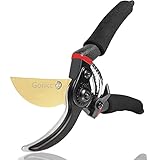
#1 Best Overall

- CLEAN CUTS FOR LIVE GROWTH: Bypass blade design is ideal for pruning delicate flower stems and green growth, helping reduce crushing and plant damage while cutting stems and small branches up to 5/8” in diameter
- BLADES STAY SHARP: Precision-ground steel blades are engineered to stay sharp through heavy use, & all-steel construction provides lasting durability, delivering consistent cutting performance for regular garden maintenance & detailed pruning tasks
- SMART BLADE FEATURES: Blade coating helps reduce friction for smoother cuts, minimizes sap buildup & gumming, and enhances resistance to rust for longer-lasting performance in outdoor conditions; sap groove keeps the blades from sticking during use
- COMFORTABLE, CONTROLLED GRIP: Ergonomic, non‑slip handle enhances control and reduces hand fatigue during repetitive cuts; easy‑open safety lock secures the blade for safe transport and compact storage
- INCLUDES: (1) Fiskars Bypass Pruning Shears designed for everyday gardening and plant care and backed by a Lifetime Warranty. Product care tips: Wipe pruners clean after each use to prevent sap build-up and lightly oil blade for longer product life
Choose your pruning goal before you cut
Lovage pruning is not one fixed operation. The right cut depends on whether you want the longest possible leaf harvest, summer flowers for pollinators, or seed for another planting. Decide which stems serve your purpose and remove the rest.
| Priority | What to do with flower stems | What to expect |
|---|---|---|
| Leaves for cooking | Remove stems as they begin forming in summer. | More of the plant’s energy remains directed toward leafy growth, and the foliage harvest can last longer. |
| Flowers and pollinators | Retain selected stems and remove only those you do not need. | RHS describes lovage’s summer flowers as pollinator-friendly, so a few stems can provide a garden benefit. |
| Seed collection | Keep the stems carrying the seed heads you intend to collect; cut the rest before seeds ripen and disperse. | You obtain seed from chosen heads while limiting volunteer seedlings elsewhere. |
This selective approach avoids an all-or-nothing decision. A foliage-focused plant can still have a few flowers, while a plant grown for pollinators does not need to be allowed to seed across the entire bed.
How to prune lovage for more leaves
Remove flower stems when they start
Inspect the plant in summer as upright flower stalks begin to develop. If leaves are your main harvest, cut those emerging flower stems before they progress to seed heads. The RHS recommends this timing because removing the stalks favors additional leafy growth and can extend the period in which the leaves are useful.
Quick wins for a faster PC:
Repair Windows errors before they cause bigger problemsFix Now →Scan for outdated or missing drivers - takes under a minuteDriver Scan →Cut each unwanted stalk down into the foliage rather than leaving a tall, leafless section. The RHS does not prescribe an exact cutting height, so do not treat any particular number of centimetres as an official rule. The objective is simply to remove the developing flowering stem while preserving the healthy leaf growth around it.
Harvest young leaves regularly
Pick young leaves through spring and summer instead of waiting until the plant is overgrown. Regular harvesting keeps the foliage in use and lets you notice flower stems early. Once the plant starts flowering, the RHS says the leaves can become bitter. At that point, either stop picking for cooking or remove the flower stalks to prolong the leaf harvest.
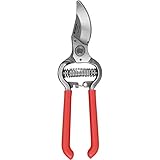
Rank #2

- LONG-LASTING SHARPNESS: Japanese SK5 bypass blade with titanium coating is tested through 5,000 cuts to maintain a sharp edge and deliver clean, consistent cuts on live stems and branches
- BUILT FOR 5X DURABILITY: Heavy-duty 3-layer titanium-coated SK5 blade resists wear and corrosion, while anodized aluminum handles and high-hardness screws reinforce the pruner. Repeated cutting tests show up to 5X the durability of standard pruners
- POWERFUL 4X LEVER CUTTING: The optimized lever-action design multiplies cutting force up to 4X, making thicker branches easier to prune with less hand effort. Cuts branches up to 3/4" with smooth, controlled power for everyday garden pruning
- ARTHRITIS & SENIORS FRIENDLY: Ergonomic non-slip rubber handles cushion pressure and provide a secure, comfortable grip, helping reduce hand and wrist fatigue. A comfortable hand pruner for seniors, arthritis and longer pruning sessions
- ONE-HAND SAFETY LOCK: The easy-access safety lock opens and closes with one hand for faster trimming, then securely holds the blades closed for safer carrying and storage
Cut back old foliage if summer growth stalls
Sometimes a plant stops producing useful new leaves in summer. In that situation, the RHS advises cutting back old foliage to stimulate new growth. This is a rejuvenation cut, not a prescribed haircut to a particular height: no exact cutting level is given in the guidance. Remove the tired, older foliage while leaving the plant’s remaining healthy growth in place, then watch for fresh leaves before resuming regular harvesting.
Do not remove every stem automatically
Flowering is not a defect. If you want the pollinator value of the flowers or need seed, mark the stems you are keeping and prune only the remainder. A plant managed this way supplies leaves, flowers, or seed according to your plan instead of producing an uncontrolled crop of seed heads.
Stop self-seeding before it becomes a seedling problem
Deadhead or harvest seed heads promptly
Seeds are the documented route by which lovage can spread around a garden. Remove flower heads before ripe seed disperses if you do not want volunteers. You can cut the heads and discard them, or harvest them for seed if you deliberately want to propagate the plant. North Carolina State University Extension specifically recommends regularly harvesting seed heads as a preventive measure.
Timing matters more than removing every flower. A seed head left until it is dry and mature has a greater opportunity to drop seed around the parent plant. If you want to retain a few heads, keep them under observation and remove them as soon as your seed-collection purpose is met.
Check for seedlings in spring
Walk around the lovage clump in spring and look for self-sown plants. Pull or dig unwanted seedlings while they are small, before they establish a second large clump. The RHS’s general guidance on plants that self-seed is to deadhead promptly and remove seedlings before they become established; its recommendations are summarized in Potentially invasive plants.
Rank #3
- Drop-forged construction delivers exceptional durability and sturdiness for long-term heavy garden use.
- Premium SK-5 steel blade with titanium coating and ultra-fine polishing ensures sharpness, rust resistance, and smooth cutting.
- Ergonomic non-slip aluminum handles wrapped with PVC offer lightweight strength, comfort, and reduced hand fatigue.
- Built-in sap groove effectively channels away sap to prevent sticking and keep blades clean during pruning.
- Capable of cutting branches up to 3/4 inch in diameter, ideal for live plants, stems, and light woody pruning tasks.
Checking the soil immediately around the parent plant is the first priority, but inspect nearby open soil as well. A seedling that is easy to remove in spring is a much smaller management task than an established perennial that has been left for another season.
Free tools Windows power users keep installed
One-click scans. No signup required.
Keep the plant in a deliberate space
Because an established lovage can become about 1 metre wide, allow room for the clump when planting or relocating it. One plant is usually enough to supply leafy harvest for a household, according to the RHS. Planting several specimens close together creates more bulk and more potential seed heads without necessarily improving the kitchen harvest. Give the single plant the space its mature size requires, then remove volunteers rather than compensating with repeated hard cuts.
A practical summer pruning sequence
- Inspect the clump. Identify healthy leaf growth, emerging flower stems, and any stems you are intentionally keeping for flowers or seed.
- Set the priority. For a foliage harvest, plan to remove most flowering stems. For pollinators or seed, mark the selected stems that will remain.
- Remove unwanted flower stems. Cut developing stems as they begin forming, taking them down into the foliage without inventing a fixed cutting height.
- Harvest usable leaves. Pick young leaves through spring and summer. If flowering has begun and the leaves taste bitter, stop picking those leaves or remove the stalks to extend the harvest.
- Rejuvenate stalled foliage. If summer leaf production stops, cut back old foliage as the RHS advises, leaving healthy growth rather than reducing the plant to an arbitrary level.
- Recheck for seed heads. Return later in the season and remove or harvest heads before ripe seed can disperse.
- Scan the surrounding soil. Make a note of where seedlings appear so you can remove them during the next spring check.
A generic pair of hand pruning shears (secateurs) is suitable for removing flower stems and old foliage. The RHS guidance does not specify a blade type, brand, or model, so tool choice is a matter of comfortable handling and access to the stems rather than a special lovage requirement.
Autumn and winter cleanup: two valid timings
Lovage naturally dies back in autumn. Its spent stems do not have to be removed on one exact date. The RHS gives two practical options, each suited to a different garden preference.
| Cleanup choice | When to cut | Why choose it |
|---|---|---|
| After frost | Wait until a heavy frost has caused the flower stems to droop, then cut the spent stems down. | The bed is cleared during winter once the stems have visibly collapsed. |
| Early spring | Leave the spent stems through winter and cut them just before new growth begins. | You postpone cleanup and remove the old material immediately before the new season’s growth starts. |
Choose one timing and remove the old stems before the new shoots are well underway. If you left seed heads for collection, make sure any heads you do not want to spread are removed before they release seed; winter structure is not a reason to leave unwanted ripe heads in place.
Do these 3 things before closing this tab:
1Clear out junk files and repair common Windows errors2Scan for outdated or missing drivers - takes under a minute3Repair Windows errors before they cause bigger problemsRank #4
- Clean, Precision Bypass Cutting up to 1” Diameter – Sharp, forged steel bypass blade delivers smooth, scissor-like cuts through live branches, stems, and green wood up to 1 inch thick, helping reduce plant damage and promote faster, healthier regrowth.
- Heavy-Duty Forged Steel Construction – Built from high-quality forged steel for superior strength and long-lasting durability, making these professional pruning shears ideal for daily use in gardening, landscaping, orchards, and vineyard maintenance.
- Ergonomic Non-Slip Comfort Handles – Contoured red handles are designed to reduce hand fatigue and provide a secure, comfortable grip, giving you better control and cutting power during extended trimming, pruning, and shaping tasks.
- Sap Groove & Smooth Action Design – Integrated sap groove helps prevent sticking and buildup during cutting, while the smooth spring-loaded action ensures fast, effortless operation when trimming flowers, shrubs, and small tree branches.
- Built-In Safety Lock for Secure Storage – Easy-to-use locking mechanism keeps blades safely closed when not in use, making these pruning shears safe to carry in tool belts, garden bags, and toolboxes for professional or home use.
How to balance flowers, seed, and foliage
When foliage is the main crop
Remove flower stems at the first sign of formation, harvest young leaves regularly, and respond to a summer slowdown by cutting back old foliage. This plan uses pruning to keep the plant in a leafy state for as long as practical. It also reduces the number of seed heads that need monitoring.
When pollinators matter
Leave a limited number of summer flower stems and remove the remainder. RHS identifies the flowers as pollinator-friendly, so retaining selected blooms can support that garden function without accepting unrestricted self-seeding. Once the flowers have served their purpose, decide whether the developing heads will be harvested or deadheaded.
When you need seed
Keep only the number of seed heads required for your next planting. Harvest those heads deliberately and remove all others before ripe seed dispersal. This gives you a controlled source of seed and a clear limit on where new plants should appear.
Independent reader supportYour contribution helps us test, update, and keep practical guides available for everyone.What to do if lovage already looks out of control
If the plant is simply too wide
First distinguish size from spread. A broad, vigorous clump may be the original plant reaching its normal mature footprint, not a colony moving through roots. Remove unwanted flower stems and old foliage according to the seasonal guidance, then decide whether the plant’s location still allows roughly 1 metre of width. If it does not, relocation or removal may be more appropriate than repeatedly cutting a crowded plant.
Recommended Free Tools
If seedlings are appearing around it
Cut or harvest seed heads before they ripen, then pull the small volunteers you find in spring. Repeat the check each spring while seedlings are easy to remove. Do not wait for them to become large enough to resemble the parent clump.
Best Value
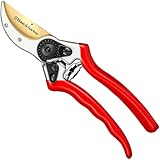
- Sharp, Clean Cuts Every Time – Engineered from Japanese grade, high-carbon steel, ClassicPRO bypass pruning shears for gardening stay sharp and make precise cuts that encourage healthy growth and won’t damage your plants
- No More Hand Fatigue and Wrist Strain – ClassicPRO gardening shears are designed with an ergonomic handle, non-slip grips, and shock-absorbing pads, making them lightweight and comfortable for smaller hands, seniors, and arthritis sufferers
- Rust and Corrosion Resistant – Tired of garden shears that rust after just a few uses? Our heavy duty pruning shears are constructed from anodized aluminum with titanium-coated blades to reduce friction and protect against rust and corrosion
- One Gardening Pruner, Many Uses - Preferred by professional landscapers and master gardeners, ClassicPRO clippers for gardening are adjustable general-purpose secateurs and branch cutters to trim trees, plants, and indoor flowers up to 1” thick
- Designed to Last Season After Season – Tired of cheap, low-quality hand pruners for gardening? Our heavy duty handheld garden clippers are designed for durability and longevity so you always have reliable shears
If you suspect underground spread
The sources reviewed for this guidance identify self-seeding and clump size as the actionable management issues. They do not establish aggressive root or runner spread. Treat new plants as seedlings unless you have region-specific evidence showing another mechanism, and consult local extension advice if the pattern does not fit self-sowing.
If the plant has stopped producing leaves
Do not respond by removing every part of the plant at a random height. The RHS recommendation is to cut back old foliage to stimulate new growth. Remove the aged material, preserve healthy foliage, and reassess the plant’s response before making another cut.
Season-by-season checklist
- Spring: Inspect around the established clump and remove self-sown seedlings while they are small. Begin harvesting young leaves.
- Early summer: Watch for flower stems. Remove them as they start if leaves are the priority; retain selected stems for flowers or seed.
- Mid to late summer: Continue harvesting young leaves. If leaves become bitter after flowering, stop picking them or remove the flower stalks. Cut back old foliage if summer leaf production stops.
- Before seed dispersal: Deadhead unwanted heads or harvest the heads you intend to keep. Do not leave ripe heads simply because the plant is attractive.
- Autumn: Expect natural dieback. Decide whether you will clear drooping stems after a heavy frost or wait until just before spring growth.
- Winter or early spring: Complete the chosen cleanup and prepare for another seedling inspection.
Common pruning mistakes
Cutting only after seeds have fallen
Late removal may tidy the plant but does not prevent the seed already released around it. Deadhead or harvest before ripe seed disperses, then inspect for volunteers in spring.
PC Slower Than It Used to Be?
A free scan shows the junk files, broken settings and background clutter dragging Windows down - then fixes them in one click.Free scan · Windows 10 & 11Crashes, No Sound, or Screen Glitches?
Random freezes, missing sound and display glitches usually trace back to one bad driver. Find and replace yours safely.Free scan · under a minuteAssuming every flower is a problem
Flowers can support pollinators, and a few stems can be retained intentionally. The mistake is allowing every stem to mature when you do not want seedlings.
Ignoring mature width
Pruning cannot make a naturally large perennial occupy the footprint of a small annual indefinitely. Plan for the RHS’s approximate 1-metre mature width and rely on seedling removal for containment.
Using an invented cutting height
The RHS advises removing flower stems and cutting back old foliage but does not specify an exact height. Follow the purpose of each cut—removing the flowering stalk or tired foliage—rather than applying an unsupported measurement.
Calling all spread “invasive roots”
The documented issue here is self-seeding, with a regional invasive designation noted for New England by North Carolina State University Extension. Describing the plant as a root-running invader goes beyond the cited guidance.
Final decision: the simplest management plan
Give one lovage plant enough room to reach its mature size. During summer, remove flower stems as they form if you want leaves; retain only selected stems if you want pollinator flowers or seed. Harvest young leaves regularly, and cut back old foliage when summer production stops. Remove or harvest seed heads before they disperse, pull volunteer seedlings in spring, and clear spent stems after a heavy frost or just before new growth. This schedule addresses the two documented causes of a “takeover”—a large clump and self-seeding—without treating lovage as a root-spreading plant when the available guidance does not show that it is.
Quick Recap
Product prices and availability are accurate as of the date/time indicated and are subject to change. Any price and availability information displayed on Amazon at the time of purchase will apply.

