Recommended Free Tools
Protecting a coastal home requires two parallel plans: reduce the damage floodwater can cause inside the property, and address the shoreline processes that remove land or expose the foundation. Start with current local flood and erosion information, prepare the house and household for evacuation, review flood insurance, and have any shoreline or foundation work designed with local officials and qualified coastal professionals. A sump pump, check valve, dune planting, sand placement, or seawall can address a particular condition, but none is a universal substitute for managing storm surge, wave action, or a retreating shoreline.
Beach erosion and coastal flooding are different hazards
Beach erosion is the loss or movement of sand and soil along the shore. It can happen gradually over many seasons or accelerate during storms. As the shoreline retreats, a home may lose the buffer that once absorbed waves, expose utilities or foundations, and leave less land between the building and the water.
As an Amazon Associate I earn from qualifying purchases.
Coastal flooding is water reaching places that are normally dry. Storm surge, elevated coastal water, waves, wave runup, overtopping and overland flow can put water into a building even when the beach itself has not visibly retreated. Flood preparation can reduce damage to the building, belongings and occupants, but it does not stop the shoreline from moving.
Do these 3 things before closing this tab:
1Repair Windows errors before they cause bigger problems2Fix the driver behind crashes, sound loss and screen glitches3Clear out junk files and repair common Windows errorsBecause the hazards overlap, a practical plan has two tracks:
#1 Best Overall

- Outstanding Performance: This sump pump battery backup system delivers 2500W pure sine wave output, supporting dual-pump operation (1 HP main + 1/3 HP backup). Includes a USB port and AC outlet, ideal for emergency use and a home prone to heavy rainfall
- Quick Plug-In Setup: Say goodbye to risky wiring. This sump pump battery backup inverter features a standard 3-prong plug for quick and secure installation. It reduces errors and electrical hazards. Just plug in, and you're ready
- Battery-Friendly Charging: Equipped with 3-stage charging (Bulk, Absorption, Float), this basement protection sump pump inverter automatically optimizes battery performance and service life. Compatible with 12V Lead-acid, AGM, Gel, and LiFePO4 batteries
- Real-Time Display: Stay informed with an LCD screen and LED indicators. This pure sine wave power inverter allows you to monitor voltage, battery level, and working status easily. Control with confidence
- Security Comes First: Designed with security in mind, this back up system for emergency includes built-in protection against overcurrent, overvoltage, short circuit, reverse polarity, and high temp. A circuit breaker adds another layer of safeguards
- Flood track: map the hazard, prepare the household, protect contents and critical systems, maintain evacuation routes and carry appropriate flood insurance.
- Erosion track: have the beach, dunes, bluffs, adjacent shore, foundation and coastal processes evaluated before selecting a living shoreline, nourishment project, structure, retrofit or relocation.
The federal guidance cited here is U.S.-focused. Other countries use different maps, building rules, insurance systems and coastal-management authorities.
1. Find your property’s current coastal risk
Use the effective flood map for your community through FEMA’s Map Service Center, then confirm what the map means with the local floodplain administrator or coastal office. FEMA’s coastal flood hazard analysis and mapping overview explains that coastal studies consider natural features such as dunes and bluffs, as well as engineered features such as seawalls, revetments and nourishment. The analysis can model elevated water, waves, runup, overland propagation and overtopping.
A map is a planning tool, not a guarantee. A property outside a mapped high-risk zone can still flood because maps are models of defined conditions and may not capture every local drainage, wave, rainfall or future shoreline change.
Quick wins for a faster PC:
Repair Windows errors before they cause bigger problemsFix Now →Scan for outdated or missing drivers - takes under a minuteDriver Scan →Clear out junk files and repair common Windows errorsFree Scan →Rank #2

- System comes preassembled and preplumbed so that installation is simple and quick
- Reliable design with durable ½ HP energy efficient copper-wound Permanent Split Capacitor (PSC) motor for long life and savings on your electric bills
- Includes a WiFi-capable battery backup system that provides 24-hour-a-day monitoring of pump, power and battery conditions; backup controller will sound an alarm, illuminate a warning light and describe what to do for easy maintenance
- Allows for connection to a Basement Watchdog CONNECT Module (BW-WiFi2—a SEPARATE PURCHASE), giving you real-time alerts via text, email, push notification or through the Basement Watchdog free app
- Provides days of intermittent pumping power on a single battery charge and is compatible with both maintenance-free AGM and wet-cell batteries. Connect two batteries in parallel for double the runtime.
Understand the main coastal zones
| Zone or term | What it describes | How to use the information |
|---|---|---|
| VE | A coastal high-hazard area where wave action and/or high-velocity water can cause structural damage during severe storms. | Expect greater wave and foundation exposure; confirm elevation, foundation and construction requirements with local officials and a qualified professional. |
| AE | An inundated area with less hazardous wave action than a VE area. | Flooding remains possible; use the mapped base flood elevation and local requirements for design and insurance decisions. |
| Base flood elevation | The mapped elevation associated with the 1%-annual-chance flood event. | It is a design and mapping reference, not a promise that a flood occurs on a fixed schedule. |
FEMA’s Coastal Construction Manual also distinguishes storm-driven erosion from long-term erosion and emphasizes locally relevant erosion rates and setbacks. Do not convert a regional rate into a universal setback for your lot; current site conditions, local rules and engineering judgment control.
Ask local authorities questions maps cannot answer
- Which flood map and coastal regulations are currently effective for this parcel?
- Where are evacuation zones, routes, shelters and emergency-alert sign-ups?
- Are there local dune, wetland, beach-access, bluff, setback, vegetation or shoreline-armoring rules?
- Which permits are required for sand placement, planting, grading, a seawall, revetment, bulkhead, groin, breakwater or foundation work?
- Are there community projects, beach nourishment schedules or shoreline studies that affect the property?
2. Make the house ready for floodwater
Ready.gov’s flood guidance and FEMA’s property-preparation fact sheet support a layered household plan. Complete these measures before a storm warning, when contractors and hardware may be unavailable.
Prepare the household and evacuation route
- Write a household plan. List where family members will meet, how they will receive alerts, who will help children, older adults, disabled people and pets, and which out-of-area contact can coordinate information.
- Choose more than one evacuation route. Practice leaving before roads flood. Keep the vehicle fueled and follow local evacuation instructions rather than waiting to see water at the property.
- Protect essential records. Keep identification, insurance information, deeds, medication lists and emergency contacts in a water-resistant container and in a secure higher location. Store digital copies where they remain accessible if the house is damaged.
- Move valuables and hazardous items upward. Place irreplaceable items, electronics and important equipment on higher floors or platforms. Keep fuel, chemicals and other pollutants away from possible floodwater.
Reduce water entry and drainage problems
- Clear leaves and sediment from gutters, downspouts, drains and nearby inlets so ordinary rainfall can leave the property.
- Ask a qualified plumber whether a compatible check valve is appropriate for the building’s drainage system. A valve that is poorly matched or incorrectly installed can create new plumbing problems.
- If the home has a suitable sump pit, consider a sump pump with battery backup. Check the pump’s capacity, discharge route, backup runtime and maintenance requirements for the specific pit and electrical system. Test it periodically and keep a charged replacement battery if the manufacturer requires one.
- Understand the limit: a sump pump manages water entering the pit or foundation-drain system. It is not designed to stop storm surge, wave action, a breached dune or an eroding beach.
Protect utilities and building contents
Have an electrician, plumber or building professional assess whether electrical panels, heating equipment, fuel tanks, water heaters and other critical systems can be elevated, anchored or otherwise protected under local code. Do not disconnect or move equipment yourself when doing so could create an electrical, gas or structural hazard. Photograph the building and contents before storm season and keep an inventory with model numbers and receipts where possible.
Rank #3

- 【CONTINUOUS POWER】The Cantonape 2000 Watt Sump Pump Backup Battery System is a professional backup system in case of a power outage, featuring pure sine wave output, 2000 watts of powerful power output, LED display and 3 AC outputs, which produces a seamless, grid-like power output that is resistant to interference, can drive any type of load (resistive and inductive loads), has the highest conversion efficiency, and the lowest losses, and is therefore safer for all types of loads.
- 【CHARGING MODE】The 2000W sump pump backup battery system has a built-in 20A battery charger, which supports fast charging. In the event of a power outage, this sump pump battery backup system can quickly auto-switch to battery inverter power, ensuring continuous sump pump operation.
- 【LED DISPLAY】The Cantonape sump pump battery backup system is equipped with LED display, you can instantly monitor vital information such as battery voltage and AC voltage. Enjoy confident and informed decision-making every step of the way!
- 【SAFETY IN USE】The Cantonape sump pump battery backup system has a built-in cooling system and overload protector, as well as multiple protection functions such as overheat protection, short circuit protection, low voltage protection, overcharge protection, etc., which not only improves the safety of use, but also extends the service life of the device.
- 【MULTIPLE APPLICATIONS】Our sump pump battery backup system also works as a power inverter for many applications requiring backup power. You can use it to operate various electric devices, including lights, mobile phones, monitors, and other equipment. This inverter doesn't come with battery, a 12V GEL, AGM/SLA, Flooded/Wet battery is required for backup power operation.
3. Treat insurance and evacuation readiness as separate protections
Ready.gov states that homeowners insurance does not cover flooding. Review flood coverage separately with your insurer or an NFIP provider, and verify the current policy limits, exclusions, deductibles, coverage for contents and additional living expenses, elevation documentation requirements and any waiting period. Coverage terms vary by policy and jurisdiction, so rely on the current policy rather than an old quote or a general assumption.
Insurance does not make an unsafe evacuation acceptable. When officials issue an evacuation instruction, leave using the designated route. Ready.gov advises people not to walk, swim or drive through floodwater; water can hide washed-out roads, debris, electrical hazards and fast currents. If you remain temporarily while waiting for an authorized evacuation window, keep alerts active, avoid basements and low areas, and follow emergency-management directions.
4. Evaluate erosion-control options with the site, not a generic recipe
FEMA’s Protect Your Property from Coastal Erosion guide describes several approaches. Their suitability depends on whether the shore faces open ocean or sheltered water, the direction and energy of waves, sediment movement, the position of neighboring properties, habitat, the home’s foundation and applicable permits. A measure that protects one parcel can transfer erosion or wave energy to another part of the coast.
Rank #4

- Maintenance free - no need to add battery fluid or distilled water
- Up to 40-hour protection (based on a 10% duty cycle) on the Basement Watchdog Big Dog (BWD12-120C+)
- Up to 48-hour protection (based on a 10% duty cycle) on the Basement Watchdog Special + (BWSP+) and Basement Watchdog Big Combination sump pump system (BW4000, CITS-50)
- Up to 80-hour protection (based on a 10% duty cycle) on the Basement Watchdog Emergency (BWE) and Basement Watchdog Combination sump pump system (DFK961, CITE-33)
- Runs various Basement Watchdog sump pump systems intermittently for days
| Approach | Primary hazard addressed | Duration and cost context | Potential effects and approvals |
|---|---|---|---|
| Habitat restoration and vegetation | Wave buffering and sand or soil stabilization where dunes, wetlands or suitable plants can function. | FEMA gives no universal dollar figure; performance is site-dependent and vegetation requires establishment and maintenance. | Can support habitat and natural sediment processes, but species, access, protected areas and planting methods may be regulated. |
| Anchor or retrofit the home | Reduces vulnerability to flotation, sliding, overturning or foundation movement during flooding and erosion. | Cost depends on the existing foundation and access; a structural assessment is required. | Piles reaching more secure ground layers may be appropriate in some sandy settings. Design, permits and inspections are essential. |
| Beach nourishment | Widens the beach and adds a sacrificial sand buffer against waves and erosion. | FEMA characterizes it as temporary rather than a permanent reduction in erosion risk; repeat placement may be needed. No universal price is established. | Sand compatibility, borrow sites, environmental review, access and effects on adjacent beaches require public and regulatory review. |
| Seawalls, revetments and bulkheads | Can reduce direct wave attack and shoreline land loss over a defined reach. | High initial and ongoing maintenance costs are possible; lifespan depends on exposure and design. | May reflect waves, worsen erosion nearby or reduce habitat. Engineering and permits are required. |
| Groins and breakwaters | Can alter wave energy and sediment movement in selected settings. | Construction and maintenance costs are site-specific and not stated universally by FEMA. | Because they change sediment transport, impacts can extend beyond the property; public authorization and coastal engineering are needed. |
| Living shoreline | Combines plants and other living elements with structural components to slow waves and reduce erosion. | Maintenance and durability depend on shoreline energy, tides, plants and materials; no universal price or lifespan applies. | Often better suited to sheltered conditions than exposed surf, but the design must match the site and local habitat rules. |
| Relocation | Removes the home from the immediate erosion and coastal-flood exposure. | Expensive, with costs determined by moving, purchasing or rebuilding and by local requirements. | FEMA advises consulting engineers, architects and local officials before deciding; a new site has its own flood and permitting risks. |
Habitat restoration, dunes and vegetation
Healthy dunes and wetlands can absorb or slow waves, while plant roots help hold sand and soil. This ecosystem-based approach can complement a broader shoreline plan, but it is not guaranteed protection for a house. Salt, wind, inundation, foot traffic, invasive species and storm damage can determine whether a planting survives. Use locally appropriate species and obtain permission before working on dunes, wetlands or public beaches.
Anchoring and foundation work
A coastal home should be checked for resistance to flotation, sliding, overturning and scour. FEMA notes that anchoring is particularly important on sand and that piles extending into more secure ground layers may be appropriate in some cases. A licensed structural or coastal engineer must determine whether the existing foundation, connections, piles, crawlspace and utilities can be strengthened. Do not add anchors, concrete or fill based on a generic detail: an alteration can redirect forces into a weak part of the structure or violate floodplain rules.
PC Slower Than It Used to Be?
A free scan shows the junk files, broken settings and background clutter dragging Windows down - then fixes them in one click.Free scan · Windows 10 & 11Crashes, No Sound, or Screen Glitches?
Random freezes, missing sound and display glitches usually trace back to one bad driver. Find and replace yours safely.Free scan · under a minuteBeach nourishment
Nourishment places compatible sand on the beach to create more distance between waves and the building. FEMA describes it as temporary, so the sand may need replenishment as storms and currents move it. The project must account for grain size, sediment sources, protected species, public access and effects on neighboring reaches. A homeowner should not truck sand onto a beach without authorization; the material and placement method can damage habitat or change erosion patterns.
Best Value
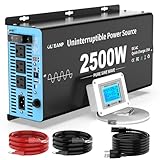
- 【Designed for Basement Flood Protection & Emergency Preparedness】: Protect your home from flooding during hurricanes, heavy rainstorms, and unexpected power outages. This sump pump battery backup system automatically switches from grid power to battery power, ensuring uninterrupted water removal and continuous basement protection. Ideal for homeowners in flood-prone areas and finished basement properties.
- 【Acts as a Reliable Emergency Backup Power Source (Battery Not Included)】: Serves as a dedicated emergency backup solution for primary or secondary sump pump systems. When utility power fails, it instantly transfers to 12V deep cycle battery power (battery required, not included) and automatically recharges when power is restored. Compatible with LiFePO4, AGM, GEL, and Flooded deep-cycle batteries.
- 【Built-in 25A Smart Charger with Multi-Stage Battery Protection】:Features a high-speed 25A charger with selectable charging modes to optimize battery lifespan. Includes overcharge, low voltage, overload, short circuit, and overheat protection. Designed for long-term reliability during storm season and emergency situations.
- 【2500W Pure Sine Wave Output – Safely Powers Sump Pumps & Essential Devices】: Delivers stable pure sine wave power capable of running sump pumps smoothly and efficiently without damaging sensitive equipment. With 3 AC outlets, USB port, and Type-C port, it can also support essential household devices during outages.
- 【LCD Remote Monitoring & Easy Installation】: Includes a remote controller with LCD display to monitor battery voltage, load status, and operating mode in real time. Supports wall mounting or flat placement with simple AC and DC connections — no complicated rewiring required. Trusted by homeowners, property managers, and contractors seeking dependable flood prevention solutions.
Engineered shoreline structures
Seawalls, revetments and bulkheads can reduce direct attack on a particular bank, while groins and breakwaters alter wave energy or sediment transport. FEMA cautions that these structures can have high initial and ongoing maintenance costs and may cause adverse coastline impacts over time. Reflected waves, scour at the structure’s toe and interrupted sand movement can move the problem down-drift. A design must cover the full reach, expected water levels, wave loads, drainage, foundation conditions, access for inspection and a plan for failure or repair.
Living shorelines
Living shorelines combine plants, biodegradable or natural materials and, where needed, limited structural elements. They can slow waves, reduce erosion and provide habitat on suitable shores. They are not interchangeable with a seawall: exposed ocean surf, steep banks, deep water and very high wave energy may exceed what a living system can withstand. A coastal professional should determine whether the shore is sheltered enough, what elevation and tidal range apply, and how the project will be maintained after storms.
Relocation
Moving a home away from the coast can substantially reduce the home’s exposure, but it is a major financial, legal and logistical decision. Investigate the receiving site’s flood zone, foundation requirements, utilities, access, insurance and permits. FEMA recommends speaking with engineers, architects and local officials before pursuing relocation. Do not assume that a nearby inland lot is automatically outside flood risk.
What’s actually slowing this PC down?
Pick the symptom - the matching free tool is one click away.
5. Use a professional site-assessment sequence
Before selecting a shoreline measure, assemble information in this order:
- Document the shoreline. Record the location of the house, foundation, bluff or dune toe, ordinary high-water indicators, drainage outlets and neighboring structures. Date photographs and repeat them after major storms.
- Characterize the coastal setting. Identify whether the shore is open ocean, an inlet, bay, estuary or river mouth; note wave exposure, tides, prevailing storm direction, currents, sediment movement and nearby habitat.
- Review past changes. Ask the local coastal office for erosion studies, nourishment records, setback lines, emergency repairs and known flooding. A short view from one storm can misrepresent a long-term trend.
- Check the building. Have a qualified professional inspect the foundation, piles, connections, below-floor enclosures, utilities, drainage and signs of scour or settlement.
- Confirm legal constraints. Obtain written guidance on ownership of the beach or submerged land, access, environmental review, floodplain permits, building permits and any requirement to notify adjacent owners.
- Compare alternatives together. Evaluate wave reduction, land-loss reduction, flood reduction, ocean or sheltered-shore suitability, initial work, recurring maintenance, habitat effects and consequences for neighboring properties.
- Plan for failure and maintenance. Specify inspection triggers, post-storm repairs, vegetation replacement, sand replenishment, corrosion control and who is responsible for monitoring shared or permitted features.
A local coastal engineer, geotechnical engineer, structural engineer, architect or similarly qualified erosion specialist should define the design. Local officials can explain which professional licenses, permits and reviews apply. No generic article can determine whether a seawall, dune project, planting, nourishment or foundation retrofit is safe or lawful at a particular address.
6. Maintain the protection you choose
- Inspect dunes, plantings, living-shoreline elements, revetment faces, wall joints, drainage outlets and exposed foundation areas after major storms and at a regular interval set by the designer.
- Look for new cracks, leaning, sinkholes, undermining, scour, rusted connections, displaced rock, blocked drains and water entering from a new path.
- Keep sand fences, vegetation and access controls intact where permitted; foot traffic and informal paths can weaken dunes.
- Test the sump pump, battery, alarm and check valve according to the equipment instructions. Confirm that discharge water does not return toward the foundation or a neighboring property.
- Update the household plan, contact list, evacuation route and insurance documents each year and after renovations.
What to do when coastal flooding threatens
- Monitor official emergency alerts and weather information.
- Follow evacuation orders promptly; do not wait for water to surround the property.
- Shut off utilities only if officials or qualified instructions say it is safe and you know the correct procedure.
- Move people, pets, medications, documents and portable valuables to the designated safe location.
- Never walk, swim or drive through floodwater. Turn around and use the official route.
- After the event, avoid damaged structures and downed lines. Photograph damage from a safe location, contact the insurer and request professional inspection before restarting compromised systems.
Build a plan that matches the actual shoreline
The most reliable strategy is layered: understand the mapped and locally observed hazard, prepare the household and building for water, maintain separate flood insurance, and obtain site-specific engineering and permits before changing the shoreline. Natural features, engineered structures and relocation each have different effects, maintenance demands and consequences beyond one lot. Treat every proposed project as part of a connected coast, not as a standalone do-it-yourself repair.
Quick Recap
Product prices and availability are accurate as of the date/time indicated and are subject to change. Any price and availability information displayed on Amazon at the time of purchase will apply.

