The most effective protection starts before excavation, piling or demolition. Identify the homes, businesses and sensitive facilities that could be affected; record existing building conditions; agree on noise, vibration, dust, traffic and access controls; and establish a named contact and complaint route. During the work, keep dated evidence and escalate promptly when conditions exceed the project’s commitments or create a safety concern.
Exact work hours, notification duties, monitoring triggers, noise limits and remedies depend on local law, permits and the approved construction plan. The procedures below are a practical framework, not a universal legal standard.
As an Amazon Associate I earn from qualifying purchases.
1. Build a protection plan before work starts
Ask the project owner, principal contractor or local authority for the current schedule, site plan and construction environmental or mitigation plan. Get the name and contact details of the person who handles neighbour issues, and ask how residents and businesses will receive updates when noisy or disruptive activities move to a new phase.
Map people, buildings and activities at risk
List every potentially sensitive receiver, not just the closest property. Include occupied homes, customer-facing businesses, schools, care facilities, clinics, heritage buildings and premises containing precision equipment or vibration-sensitive processes. Note distances, building height and construction type, ground conditions, basements, party walls, loading areas and normal background noise or vibration. Japan’s Ministry of Land, Infrastructure, Transport and Tourism (MLIT) guidance specifically calls for considering nearby buildings and facilities, their density, distances, ground conditions and background conditions where needed.
#1 Best Overall

- 2.25-inch LCD Screen with Backlight: This TS-501B sound level meter is measured noise levels are expressed in decibels and displayed on the 2.25-inch LCD screen, it easy to read on a big display design. Long press the backlight button to turn on a backlight, making it easy to view even in dim light
- Decibel Meter with A/C Weighting: TopTes TS-501B decibel meter uses a precise condenser microphone to capture sound. It’s equipped with A-weighting and C-weighting facilities that measure noise levels from 30 to 130 dB with an accuracy of 1.5 dB, Frequency from 30 to 8000Hz. Perfect for monitoring noise levels in communities, home theaters, audio systems, automobiles, workshops, schools, offices, factories
- MAX/MIN Measurement: The sound pressure level (SPL) meter has Max or Min measurement values to represent the maximum/minimum (high/low peak) value of the sound produced within a certain time, and the data hold function can freeze the current reading based on the sound measurement according to individual needs
- Easy Use and Feature Packed: The non-slip side design ensures that the portable noise meter fits easily in the hand. TS-501B SPL meter is a battery-operated noise meter that comes with three durable batteries and has an automatic power off function to extend battery life. A low battery indicator will appear on the screen when the battery is low to remind the user to replace the battery in time
- What’s in the Box: One TS-501B Decibel Meter, Three AAA Batteries, One User Manual, One Carry Case. The device has been factory calibrated to ensure high measurement accuracy and compliance with quality standards.
Ask for controls at three points
A useful way to evaluate a plan is to ask where each control acts:
| Control point | Typical measures | Questions to ask |
|---|---|---|
| At the source | Lower-noise or lower-vibration equipment, alternative excavation or demolition methods, equipment maintenance and sequencing that avoids simultaneous peaks. | Why was this method selected? Are quieter or less vibratory methods feasible for this soil, structure and permit? |
| Between source and property | Acoustic barriers, enclosures, stockpile placement, covered conveyors, dust suppression and routing of deliveries away from sensitive frontages. | Where will barriers stand, when will they be installed, and will gaps or gates reduce their performance? |
| At the exposed building or activity | Temporary protection, sealed windows or ventilation arrangements, relocation of fragile operations, agreed quiet periods and building monitoring. | Who pays for and installs temporary measures, and what event triggers a change? |
Controls should also specify timing, duration, monitoring triggers, the responsible party and the response time for complaints. Their suitability depends on site conditions and local approval; a measure that works for airborne noise may not control structure-borne vibration.
2. Create a baseline record of property condition
For excavation, piling, ground anchors, heavy compaction, blasting or demolition, ask whether the contractor will conduct a pre-construction condition survey of adjoining structures. MLIT guidance calls for surveying potentially affected structures before work and checking conditions during or after work as needed. Australia’s demolition code likewise addresses adjoining structures and the need to consider shoring or underpinning, as well as vibration or concussion.
The Tool Desk
Outbyte Driver Updater FREEScan for outdated or missing drivers - takes under a minuteDriver Scan →Outbyte PC Repair FREEClear out junk files and repair common Windows errorsFree Scan →What a useful survey contains
- Exterior and interior photographs with the date, location and a scale or reference point.
- Existing cracks, settlement, water penetration, sticking doors or windows, displaced tiles and damaged finishes.
- Basement, party-wall, retaining-wall and foundation conditions where accessible.
- Notes on fragile contents, sensitive equipment and areas that cannot be inspected.
- The surveyor’s name, qualifications, method and any limitations.
Keep a copy in a secure location and do not alter the original files. A baseline provides a comparison for later inspection; it does not, by itself, prove that construction caused a defect or establish liability. If access is refused or a survey is not offered, make your own dated record and state clearly which areas were not inspected.
When shoring or underpinning may matter
Removing a structure, excavating below a neighbouring foundation or changing lateral ground support can transfer loads to adjoining buildings. Ask the project engineer to explain the temporary works, support sequence, maximum excavation stages and inspection points. A qualified local building professional should review any concern about movement; do not rely on a phone photograph or consumer instrument to decide that a structure is safe.
3. Separate the impacts instead of treating them as “construction nuisance”
Noise, vibration, dust, odour, access restrictions and delivery traffic have different causes and controls. Planning guidance for projects beside businesses and facilities explicitly identifies these impacts, so log them separately.
| Impact | What to document | Practical controls to discuss |
|---|---|---|
| Noise | Activity, start and stop time, duration, tonal or banging character, affected room or business area, and whether doors or windows were closed. | Quieter plant, barriers or enclosures, equipment placement, sequencing and required working hours. |
| Vibration | Time, activity, sensation, rattling objects, visible movement and any equipment or process that was operating. | Alternative methods, staged operations, isolation, calibrated monitoring and trigger levels in the project plan. |
| Dust and odour | Wind or weather, visible plume or deposits, affected rooms, respiratory symptoms and cleaning or closure time. | Water suppression, covered loads, wheel washing, sealed chutes, housekeeping and ventilation arrangements. |
| Access and deliveries | Blocked entrances, queue length, missed deliveries, parking loss, pedestrian diversions and the business hours affected. | Advance delivery notices, marshals, signed routes, temporary loading windows and accessible alternative entrances. |
| Building condition | New or changed cracks, movement, leaks, sticking doors, displaced finishes and the date first observed. | Immediate inspection, temporary stabilisation where necessary and comparison with the baseline survey. |
4. Agree communication rules that people will actually use
Request a short written neighbour protocol. It should identify a 24-hour emergency route if one exists, a normal project contact, the local authority or regulator, and the information that will be issued before high-impact activities. Ask for notice of piling, demolition, concrete pours, road closures, overnight work, changes to delivery routes and planned monitoring.
Rank #2
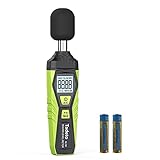
- 【Accurate Measurement】 The measuring range of the sound level meter is 30dB to 130dB . Highly accurate with ± 2.0 dB. Real-time monitoring can give you accurate data on the sound level in the area.
- 【A/C Weighted Measurement】 The A weighted simulates the frequency characteristics of low-intensity human ear noise, which is suitable for the detection of ambient noise. The C weighted simulates the frequency properties of high-intensity noises of the human ear, which are suitable for the sound pressure analysis of machine motors and machines. More professional measurement methods provide users with a more perfect user experience.
- 【Fast and Slow Measurement】 The sound level meter has the function of converting the fast and slow response rate. The fast response rate uses a time constant of 0.125s/time for general environmental measurement. The slow response rate uses a 1s/time constant, which is used for environmental measurements with relatively large changes in noise levels.
- 【Digital LCD Display 】 The digital display is a 4-digit LCD display with a resolution of 0.1 dB. Backlit LCD digital display, the reading effect is clearer in dark places. When the battery is low, the LCD display will display a low voltage icon, indicating that the power is low at this point and the battery needs to be replaced.
- 【Convenient and Lightweight 】Tadeto sound level meter is lightweight and easy to carry. It's widely used in factories, transportation, car, baby room and audio system offices, sound quality control in homes, schools, and construction sites.
For a business, include opening hours, customer-access requirements, deliveries, waste collection and any process that cannot be interrupted. A school, clinic or care facility may need different quiet periods from a home. Put agreed arrangements in writing, including who can authorise a change and when a missed commitment will be reviewed.
5. Keep an evidence log while work is under way
Use one dated log for each property or business. Record the activity if known, approximate start and stop times, weather, windows or doors open, dust or odour, access effects, people notified and the response received. Photograph visible dust, blocked access or new cracks with the date and location; preserve original files and do not edit them.
Using a consumer sound meter carefully
A consumer sound-level meter can show approximate patterns, such as whether peaks occur during a particular operation. It cannot determine that a legal limit was breached, establish vibration levels or diagnose structural damage. Microphone placement, calibration, reflections and background noise can materially change readings. Formal evaluation may require calibrated monitoring and a qualified acoustic or vibration professional.
When to seek qualified vibration advice
Seek a suitably qualified vibration specialist when the project risk assessment identifies sensitive structures, close excavation or piling, unusual ground conditions, precision equipment or repeated complaints that cannot be explained by ordinary background variation. UK environmental-permit guidance expects a vibration assessment and, in specified risk situations, a vibration management plan. That guidance concerns permitted activities and is not a universal rule for every construction site.
Quick wins for a faster PC:
Clear out junk files and repair common Windows errorsFree Scan →Scan for outdated or missing drivers - takes under a minuteDriver Scan →Repair Windows errors before they cause bigger problemsFix Now →6. Respond to noise and access problems in an orderly sequence
- Check the activity. Compare the event with the published schedule and note whether it is an emergency, permitted after-hours operation or an apparent deviation.
- Contact the project representative. Give the exact location, time, impact, duration and requested remedy. Ask for a reference number or written acknowledgement.
- Use the local authority route. Report persistent or urgent problems through the agency named in your permit or local construction-noise rules, attaching your concise log.
- Escalate safety issues immediately. If there is active structural movement, falling material, a gas or utility risk, fire, blocked emergency access or an immediate danger to people, use the appropriate emergency service rather than waiting for a routine complaint response.
- Request a review. Ask what corrective measure will be taken, who owns it and when its effectiveness will be checked.
New York City example
In New York City, the Department of Environmental Protection directs people affected by nearby construction noise to call 311 or file an online report. NYC states that ordinary construction hours are 7 a.m. to 6 p.m. on weekdays; work at other times requires after-hours authorization. The city also notes a monitoring rule for certain alternative mitigation plans effective April 21, 2026. These are NYC-specific requirements. Check the current permit and rule before relying on a time window or monitoring provision.
7. Protect businesses from operational disruption
Physical damage is not the only risk. A blocked doorway, intermittent power, dust entering a food-preparation area or a delivery route that no longer works can interrupt trading. Before work begins, document normal customer and delivery flows and agree on an accessible route, signage, marshal arrangements and notice periods. Ask whether high-impact work can be scheduled outside peak customer or clinical hours, but confirm that any revised hours comply with local approvals.
Keep records of closures, cancelled deliveries, cleaning, temporary relocation and communications. Separate verified construction effects from ordinary trading fluctuations. If you intend to seek compensation or other relief, obtain local legal advice on the evidence and notice requirements that apply in your jurisdiction.
Rank #3

- Accurate 30-130dB Noise Measurement: The Goldeep SL750A decibel meter measures sound levels from 30 to 130dB with ±1.5dB accuracy and a 31.5Hz-8KHz frequency response. This sound decibel meter is ideal for checking home noise, neighbor noise, traffic sound, office noise, construction sites, factories, classrooms, baby rooms and musical instruments.
- A/C Weighting for Different Sound Environments: This digital sound level meter supports A/C weighting modes for more flexible noise testing. A-weighting is suitable for environmental noise such as urban traffic, schools, offices, business areas and construction sites. C-weighting is designed for industrial noise from machinery, equipment, aerospace, high-speed rail and other high-intensity sound sources.
- dB/SONE Units for Sound & Loudness Testing: Use the dB unit to measure sound intensity for environmental noise, machine noise, traffic noise and workplace noise. Switch to SONE to better understand perceived loudness, making this db meter useful for music, audio systems, acoustic checks and instrument noise control..
- FAST/SLOW Response with MAX/MIN Tracking: The spl meter includes FAST and SLOW response settings. FAST response, 0.125s per reading, is useful for changing noise levels, while SLOW response, 1s per reading, is suitable for steady-state noise. MAX/MIN value tracking helps record peak and minimum noise levels over a period of time.
- Easy-to-Use Sound Meter for Daily & Professional Needs: Designed with data hold, clear LCD display, anti-slip grip and a windbreak ball, this sound meter is practical for indoor and outdoor use. Package includes 1 sound level meter, 2 AAA 1.5V batteries and 1 user manual, so you can start measuring noise right away.
8. What to do when cracks, movement or unusual vibration appears
- Move people away from an apparently unsafe area and follow emergency procedures if there is immediate danger.
- Photograph the condition from several angles, include a scale, and record the date, time and nearby activity.
- Notify the project contact and the relevant building or safety authority in writing.
- Ask for a prompt inspection by a qualified building professional, independent of any consumer device.
- Compare the finding with the baseline survey and preserve all reports, readings and correspondence.
Do not fill a crack, remove damaged material or make a structural alteration before it has been documented unless emergency stabilisation is required. A professional can distinguish cosmetic movement from a potentially serious change and specify temporary controls.
Recommended Free Tools
9. Jurisdiction-specific reference points
Japan
MLIT’s Technical Guidelines for Noise and Vibration Control Associated with Construction Work cover planning, construction methods and equipment, work timing, barriers, community explanation and surveys of surroundings and structures. The document records its original issuance in 1976 and amendments in 1977 and 1987. Its stated purpose, translated into English, is: “The purpose of this guideline is to preserve the living environment and facilitate smooth construction by preventing, as far as possible, noise and vibration caused by construction work.”
New York City
NYC requirements include construction-noise mitigation planning for covered work, specified ordinary hours, after-hours authorization and the 311 or online reporting route. Permit conditions can add project-specific controls, so inspect the project notice and current permit rather than relying on a general summary.
United Kingdom
Environmental-permit guidance may require assessment and a vibration management plan for specified risk situations and expects a suitably qualified vibration specialist. It applies to the activities and permits covered by that guidance, not automatically to every building project.
Australia
The demolition code addresses adjoining structures, shoring or underpinning considerations and vibration or concussion. State or territory adoption and the exact application must be confirmed for the site.
What’s actually slowing this PC down?
Pick the symptom - the matching free tool is one click away.
10. A practical neighbour-protection checklist
- Project owner, principal contractor, site manager and local authority contacts identified.
- Schedule, work phases, delivery routes and high-impact activities published.
- Sensitive homes, businesses, facilities, equipment and heritage structures mapped.
- Pre-construction condition survey offered or independently documented.
- Noise, vibration, dust, odour, access and traffic controls assigned to a responsible person.
- Monitoring method, calibration, trigger levels and response actions stated where risk warrants.
- Complaint route, emergency route and update frequency agreed in writing.
- Dated log, photographs and correspondence stored securely throughout the project.
- Qualified building, acoustic or vibration advice obtained when conditions exceed ordinary nuisance or suggest a safety risk.
- Local rules and permit conditions checked before asserting a legal limit, work hour or remedy.
11. Questions to resolve before the first high-impact activity
Ask for a plain-language explanation of the construction sequence. Which activities create the greatest noise or vibration? Will piling, demolition, excavation, compaction and concrete placement overlap? Where will equipment, generators, stockpiles and delivery vehicles be positioned? Which barriers or enclosures will be in place before work begins, and what happens when a gate or access route must be opened?
Request the project’s trigger-and-response procedure. A useful plan identifies what will be measured, where instruments will be located, how often results will be reviewed, who receives an alert and what change follows an exceedance or credible complaint. If monitoring is not considered necessary, ask for the risk-based reason and the circumstances that would prompt a reassessment.
Rank #4

- 【Widely Used】The noise meter is the use of environmental sound level instrument, can be widely used in such as factories, workshops, schools, residential, office areas, traffic roads, audio and other occasions of sound level measurement. Also suitable for noise engineering, product quality control, health,prevention and control.
- 【Accurate Measurement】Measuring Range:30~130dB ;Accuracy:±1.5dB(94dB@1KHz);Display Resolution:0.1dB
- 【A Weighted Measurement】 A Weighted network (automatic switching range display)
- 【Fast/Slow mode selection】Press the MODE key, you can convert the response speed of the noise meter, FAST fast, SLOW slow
- 【MAX/MIN Measurement】Press RANGE key to measure the maximum value of MAX and minimum value of MIN.A maximum duration of more than 3 seconds is recorded, with a normal test sampling rate of 0.5 seconds. The maximum error is ± 5%.
Clarify timing as well as duration. A short but intense operation can affect a clinic, school, home worker or retail opening differently from a lower-level activity lasting all day. Ask how schedule changes will be communicated, whether quiet periods are possible, and who can approve an exception. Do not assume that a contractor’s preferred hours override permit conditions or local rules.
Independent reader supportYour contribution helps us test, update, and keep practical guides available for everyone.12. Compare mitigation plans consistently
When two proposals are offered, compare them using the same questions rather than choosing the measure with the most reassuring description. For each impact, record the source, the exposed property, the proposed control, installation date, operating limits, monitoring method, responsible person and complaint response time.
Crashes, No Sound, or Screen Glitches?
Random freezes, missing sound and display glitches usually trace back to one bad driver. Find and replace yours safely.Free scan · under a minutePC Slower Than It Used to Be?
A free scan shows the junk files, broken settings and background clutter dragging Windows down - then fixes them in one click.Free scan · Windows 10 & 11| Comparison question | Why it matters |
|---|---|
| Does the measure reduce the impact at its source? | Changing equipment, method or sequence can prevent an impact before barriers or building measures are needed. |
| Does it interrupt the path to the property? | Barriers, enclosures, placement and covered handling can reduce transmission, but openings and changes in layout may reduce performance. |
| Does it protect the exposed activity? | Temporary ventilation, relocation, agreed quiet periods or access arrangements may be essential for a clinic, business or sensitive operation. |
| How will effectiveness be checked? | A stated measurement method, trigger and review date makes a commitment testable rather than merely aspirational. |
| Who acts after a complaint? | A named person and response deadline prevent reports from circulating without a practical correction. |
Noise controls should not be presented as a substitute for vibration controls, and dust suppression does not solve blocked access. Treat each impact separately while coordinating the schedule so one control does not create another problem, such as a barrier blocking an accessible entrance.
13. Special precautions for homes, tenants and sensitive facilities
Tenants should notify the owner or managing agent promptly and ask who has authority to permit inspections or temporary measures. Residents can still keep their own dated record when a formal survey is unavailable. Businesses should identify the person who can make a same-day decision about closing a room, rerouting customers or protecting equipment. Clinics, care facilities and schools should explain occupancy patterns and vulnerable users to the project team without disclosing unnecessary personal information.
Heritage buildings, older masonry, structures with party walls and buildings with basements may need a more detailed condition assessment. Precision equipment can react to vibration even when occupants describe the event as tolerable, so the operator should ask for a qualified assessment and agreed operating thresholds. These needs should be communicated before piling, demolition or deep excavation, not after damage or interruption is suspected.
14. Keep the record useful if a dispute develops
Use one file naming convention and a chronological index for photographs, logs, notices, inspection reports and emails. Record what you know separately from what you infer: “crack measured at 3 mm on 17 June” is stronger than “construction caused the crack.” Preserve the original image and note any later copy or annotation. Ask the project team to confirm receipt of important notices in writing.
A baseline survey, monitoring result or complaint log can support a later technical review, but none automatically proves causation or liability. If a dispute concerns structural condition, business interruption or compensation, obtain advice from professionals qualified in the relevant local field and follow any notice deadlines that apply.
Best Value
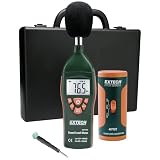
- Datalogs up to 16,000 readings with USB interface for downloading to a PC
- Triple LCD displays humidity, temperature, and date (year, month, and day)
- Programmable from keypad or PC
- Selectable data sampling rate
- User programmable audible and visual alarms
15. Final action list
- Collect the current plan, schedule, permit information and named contacts.
- Map sensitive buildings, people, equipment, access routes and normal operating hours.
- Arrange or independently document a pre-work condition survey where effects are plausible.
- Obtain written controls for noise, vibration, dust, odour, traffic and access.
- Agree notification, monitoring, complaint and emergency procedures.
- Keep a dated, factual log throughout each disruptive phase.
- Escalate new movement, unsafe conditions or repeated unresolved impacts promptly.
- Review controls after a complaint, schedule change or change in construction method.
Protection works best when it is designed into the project, measured against a clear baseline and backed by a communication route that produces a timely response. Residents and businesses should document conditions without assuming that every change proves causation; contractors should treat credible reports as prompts to inspect, verify and adjust controls.
Frequently Asked Questions
What should I do if nearby construction impacts my home or business?
Identify the activity and time, record noise, vibration, dust or access effects, contact the project representative, and use the local authority or regulator complaint route if the problem persists. Escalate immediate safety hazards to the appropriate emergency service.
Construction noise at my house is very loud. Can I use a phone or consumer sound meter as proof?
A consumer meter can show approximate patterns, but it cannot establish a legal breach or replace calibrated monitoring. Keep a dated log and request a qualified acoustic assessment when needed.
Free tools Windows power users keep installed
One-click scans. No signup required.
Should I get a property condition survey before excavation or demolition?
Ask whether the contractor plans a pre-construction survey of adjoining structures. If no survey is offered, make a dated photographic record and note areas that could not be inspected. A baseline helps comparison but does not alone prove causation.
How can the risk of conflict between new development and existing businesses or facilities be addressed?
Map sensitive uses and operating hours, agree access and delivery arrangements, provide advance notice of high-impact work, establish a named contact, and review controls when complaints or monitoring indicate a problem.
Are construction work hours the same everywhere?
No. Hours, after-hours permissions, noise limits and complaint routes depend on local law, permits and project plans. For example, New York City describes ordinary weekday hours of 7 a.m. to 6 p.m.; that rule should not be treated as universal.
When is a vibration specialist appropriate?
Seek suitably qualified advice when risk assessments identify sensitive structures or equipment, close piling or excavation, unusual ground conditions, or repeated unexplained complaints. Some UK permitted activities require a vibration assessment and management plan.
Do these 3 things before closing this tab:
1Clear out junk files and repair common Windows errors2Fix the driver behind crashes, sound loss and screen glitches3Repair Windows errors before they cause bigger problemsWho is responsible for protecting an adjoining building during demolition?
The project team must comply with applicable approvals and temporary-works requirements, while adjoining owners and occupants should report concerns and obtain independent advice when needed. Local rules determine duties, remedies and any compensation process.
What evidence should I preserve after a new crack or movement appears?
Photograph it from several angles with a scale, record the date, time and nearby activity, preserve original files, notify the project and relevant authority in writing, and obtain a prompt inspection by a qualified building professional.
The Bottom Line
Protect nearby homes and businesses before heavy work begins: map sensitive receivers, document existing conditions, require clear controls and contacts, and keep factual records throughout the project. Noise, vibration, dust, access and building condition need separate responses. Because legal limits and complaint routes vary by jurisdiction, confirm the current permit and local rules before relying on a specific hour, threshold or remedy.
Quick Recap
Product prices and availability are accurate as of the date/time indicated and are subject to change. Any price and availability information displayed on Amazon at the time of purchase will apply.

