Recommended Free Tools
The key to growing gerbera daisies is matching the plant to your climate before you plant it. Gerberas are tender, clump-forming perennials, but gardeners in regions with freezing winters usually grow them as summer annuals or container plants. Plant them after frost in fertile, sharply drained soil, keep the crown at or slightly above soil level, provide bright light, water at the base, and protect tender plants from freezing temperatures.
In hot climates, morning sun with afternoon shade is safer than all-day sun. If your soil stays wet, use a raised bed, mound, or deep container. The most common cause of failure is not insufficient fertilizer; it is a mismatch between moisture, drainage, crown depth, light, heat, and winter temperature.
As an Amazon Associate I earn from qualifying purchases.
Gerbera daisy basics
Most garden and container gerberas are Gerbera jamesonii or hybrids derived from it. They belong to the aster family, Asteraceae, and are also called Gerber daisies, Transvaal daisies, and Barberton daisies. Unlike the small, familiar lawn or roadside daisies commonly called ordinary daisies, gerberas form a basal rosette of leaves and produce large, brightly colored flower heads on leafless stems.
Many garden cultivars produce flowers approximately 3 to 4 inches across, with plants commonly reaching about 6 to 18 inches in height, although both flower size and height vary by cultivar. Colors include white, yellow, orange, pink, red, lavender, salmon, and bicolors. The Clemson Cooperative Extension, NC State Extension, and Missouri Botanical Garden provide additional descriptions of the species and its cultivated forms.
#1 Best Overall

- Large Colorful Daisy-Style Blooms: Grow stunning large flowers with vibrant petals surrounding a distinct dark center. These Gerbera Daisies produce classic daisy-form blooms in a beautiful range of colors including pink, red, yellow, orange, and white.
- Continuous Blooming from Spring to Fall: Enjoy non-stop color from early spring until first frost when grown in optimal conditions. These prolific bloomers produce new flowers continuously, especially when deadheaded regularly for maximum flower production.
- Full Sun Preference with Well-Drained Soil: Thrives in full sunlight with at least 6-8 hours of direct sun daily. Gerbera Daisies prefer well-drained soil and consistent moisture, making them perfect for garden beds and container plantings in sunny locations.
- Excellent Cut Flowers with Long Vase Life: Grow your own professional-quality cut flowers! Gerbera Daisies are prized for their strong, straight stems and long-lasting blooms that can maintain their beauty in vases for up to two weeks with proper care.
- 300 Premium Gerbera Daisy Seeds: This generous packet contains 300 high-quality Gerbera Daisy seeds, perfect for creating vibrant garden displays and cut flower gardens. Enjoy an abundance of large, colorful blooms from a single planting.
The crown is the short central growing point where the leaves and flower stems emerge. It is the most important part of the plant to position correctly. A crown buried under soil or kept continually wet is much more likely to develop crown and root rot.
Are gerbera daisies annuals or perennials?
Botanically, gerberas are tender perennials. In a warm, frost-free climate, a well-drained planting can live and flower for several years. In much of the United States, however, ordinary gerberas are treated as annuals because freezing temperatures can kill them.
Hardiness guidance is not completely uniform. The Missouri Botanical Garden lists Gerbera jamesonii for Zones 8 through 10, while Clemson describes it as a warm-season annual or tender perennial and notes that even gardeners in Zone 8 may need winter protection. Use the plant label, cultivar, winter wetness, exposure, and local microclimate—not the hardiness zone alone—to decide whether it can remain outdoors.
What’s actually slowing this PC down?
Pick the symptom - the matching free tool is one click away.
| Growing situation | Best strategy |
|---|---|
| Frost-free or mild climate | Grow outdoors as a perennial, provided the cultivar and drainage are suitable. Protect the plant from prolonged winter wet and unusual freezes. |
| Cold-winter climate | Grow it as a summer annual, or keep it in a container that can be moved indoors before cold weather. |
| Heavy or poorly drained soil | Use a raised bed, mound, or deep container. Do not try to solve persistent wetness by simply watering less often. |
| Flowering florist gerbera | Treat it as a short-term flowering houseplant unless you can provide bright light, cool temperatures, careful watering, and realistic expectations about reblooming. |
| Cultivar sold as hardy | Follow the cultivar’s label and protect it from winter wet and prolonged freezing. Some hardy series, such as ‘Garvinea’ and ‘Everlast’, are identified by the Royal Horticultural Society, but availability and performance vary. |
Choose a healthy gerbera
A nursery plant is the quickest route to flowers because you can see the flower color and form before buying. Choose a plant with a firm crown, healthy green leaves, and no gray mold, collapsing tissue, or obvious insects. Avoid a pot that is persistently waterlogged or smells sour. If the roots are visible, they should not be black, soft, or extensively decayed.
A florist gerbera may be perfectly healthy but still be a challenging long-term houseplant. It has often been produced for a flush of flowers under controlled conditions. After those flowers fade, low indoor light, warm dry air, and inconsistent watering can prevent reblooming. Iowa State University Extension describes florist gerberas as cool-preferring plants that can be difficult to rebloom.
Seed is economical when you want several plants, but it requires warmth, light, and patience. Division is better for preserving the characteristics of a favorite mature plant. Basal cuttings can also produce clones, but they require protected propagation conditions.
Where to plant gerbera daisies
Light
Gerberas need strong light to flower well, but the right amount of direct sun depends on climate:
Free tools Windows power users keep installed
One-click scans. No signup required.
- Cool or moderate summers: provide full sun or very bright partial sun.
- Hot summers: provide morning sun and afternoon shade, especially from intense late-day heat.
- Humid locations: combine bright light with spacing and airflow so leaves and flowers dry promptly.
- Indoors: use the brightest available window or supplemental grow lighting. Avoid a hot, enclosed window that scorches foliage.
Dense shade often produces leaves without many flowers. Conversely, all-day exposure in a hot climate can cause heat stress and rapid water loss. Clemson, UF/IFAS, and Missouri Botanical Garden all recognize afternoon shade as useful where summers are hot.
Rank #2

- [Large Blooms on Compact Plants] Flowers reach 3-4 inches across atop sturdy stems, while plants stay neat at 8-12 inches tall. Dark green foliage forms tidy clumps perfect for borders and pots.
- [Blooms Spring Through Summer] Flowers appear from late spring throughout summer, with repeat blooms in favorable conditions. Returns year after year in zones 8-11; grown as annual elsewhere.
- [Excellent Cut Flower Choice] Sturdy, upright stems hold blooms beautifully in fresh arrangements. Flowers last up to two weeks in vases. A staple for cutting gardens.
- [Sun, Soil & Simple Care] Thrives in full sun to partial shade with well-drained soil enriched with compost. Water at base to keep leaves dry. Low maintenance once settled in.
- [For Gardeners of All Levels] Equally rewarding for beginners learning to grow from seed and experienced gardeners seeking reliable color. Perfect for beds, containers, patios, and window boxes.
For indoor plants, the RHS gives approximately 50 to 68°F (10 to 20°C) as a favorable range for flowering and recommends keeping tender plants above 41°F (5°C). These are practical guidelines rather than universal requirements for every cultivar.
Soil and drainage
Give gerberas soil that is fertile, enriched with organic matter, loose, well-aerated, and sharply drained. The soil should hold enough moisture to support growth but should never remain saturated.
Persistent wetness is associated with crown disease, root rot, stem rot, Botrytis, and other problems. If water collects after rain or the soil remains sticky and wet for days, plant in a raised bed or mound, or use a container instead. UC Integrated Pest Management explains how excess moisture and poor drainage encourage root, stem, and crown rots.
Do these 3 things before closing this tab:
1Clear out junk files and repair common Windows errors2Scan for outdated or missing drivers - takes under a minute3Repair Windows errors before they cause bigger problemsSpacing and airflow
Space most gerberas about 12 to 18 inches apart. Approximately 12 inches is a practical minimum for many cultivars, while large plants and humid sites benefit from more room. The RHS gives about 30 cm as a general minimum, while Clemson and UF/IFAS recommend the broader 12- to 18-inch range.
Good spacing is not merely cosmetic. Air movement helps foliage and flowers dry, reduces gray mold and leaf disease, and makes it easier to inspect the crown and undersides of leaves.
How to plant a gerbera daisy outdoors
- Wait until frost danger has passed. Use local weather and soil conditions rather than a fixed calendar date. For a newly purchased or greenhouse-grown gerbera, wait until nights are consistently mild. A conservative target is nighttime temperatures above about 50°F; the RHS identifies 41°F as a lower threshold for tender plants, while Iowa State recommends outdoor temperatures consistently around 50 to 55°F for florist plants.
- Harden the plant off. If it has been indoors, in a greenhouse, or on a protected retail bench, gradually expose it to outdoor light, wind, and temperature over several days. Moving it directly into strong sun can cause leaf scorch, wilting, or transplant stress.
- Water before removing it from the pot. A moist root ball is less likely to break apart. Gently loosen severely circling roots, but avoid unnecessary disturbance; gerberas develop deep roots and may resent rough transplanting.
- Prepare the site. Loosen compacted soil and incorporate organic matter where appropriate. Do not create a rich but water-holding pocket in heavy clay. If drainage remains doubtful, change the planting method rather than the fertilizer.
- Set the crown correctly. Place the crown level with or slightly above the surrounding soil. Never bury it. In heavy soil or a wet climate, raising it slightly is the safer choice.
- Backfill gently. Firm soil around the roots without pressing soil over the crown.
- Water the root zone. Apply water at the base, keeping the crown, foliage, and flowers as dry as possible.
- Mulch carefully. A 2- to 3-inch layer of organic mulch helps conserve moisture and suppress weeds, but leave an open ring around the crown so it does not stay damp and buried.
- Check the plant after it settles. Soil can wash or settle around an established plant. If the crown becomes lower than the surrounding surface, lift and replant it at the correct level.
Growing gerberas in containers
Containers are often the safest choice for gardeners with heavy soil, short growing seasons, or uncertain winter survival. They provide better control of drainage and make it possible to move the plant indoors.
- Choose a deep container with drainage holes. Gerberas are deeper-rooted than many shallow bedding plants, so avoid a very shallow pot.
- Use a quality, fertile potting mix that drains freely. A gritty, well-aerated mix is preferable to dense garden soil.
- Set the crown at or slightly above the surface of the mix.
- Water thoroughly until excess water drains from the bottom.
- Empty the saucer rather than leaving the pot standing in water.
- Place the pot in strong light with good ventilation.
- Monitor moisture more often than you would in the ground, because containers dry faster. Do not respond by keeping the mix constantly wet.
A flowering plant does not usually need immediate repotting unless its pot has no drainage, the plant is badly root-bound, or the roots are compromised. Because gerberas have deep roots and can resent disturbance, repot only when there is a clear benefit. A useful overwintering technique is to sink a container to its rim in the garden during the growing season. It can then be lifted in autumn with less root disturbance, as recommended by the Missouri Botanical Garden.
Windows Errors? Fix Them Before They Spread
Repair common Windows errors and clear accumulated junk for a smoother, more stable PC - no reinstall needed.Free scan · no reinstallCrashes, No Sound, or Screen Glitches?
Random freezes, missing sound and display glitches usually trace back to one bad driver. Find and replace yours safely.Free scan · under a minuteGerbera daisy care
Watering: moist roots, dry crown
Water thoroughly when the plant needs it, then allow some drying near the surface and crown before watering again. Do not use a universal weekly schedule: watering frequency changes with pot size, soil, temperature, rainfall, humidity, wind, and plant size.
- Check the soil near the root zone before watering.
- Water deeply enough to wet the root ball rather than giving frequent superficial sprinkles.
- Water at the soil line or from below.
- Water early in the day when possible so accidental splashes can dry.
- Never leave a container in standing water.
- Reduce watering in winter, particularly when the plant is kept cool and is growing slowly.
Advice to water regularly and advice to let the mix dry slightly are not contradictory. Water thoroughly when the plant is genuinely dry enough to need water, but do not irrigate again while the root zone is saturated. Both drought and waterlogging can cause wilting, but a wilted plant in wet soil should make you suspect root or crown damage rather than reach for the watering can.
Rank #3

- BEAUTIFUL GARDEN - Add a splash of color to your garden with Gerbera Daisy Seed Mix, perfect for planting in flower beds, borders or outdoors in pots and containers.
- Efficient - Painted daisies will germinate in 7-28 days when soil temperatures are 60-75°F. Plant plants 1/16 inch deep and 12 inches apart in a sunny area.
- Germinate quickly - just place them in a warm, moist environment, such as a greenhouse, and transplant into moist, sunny soil. Water regularly and fertilize when necessary for optimal growth.
- Tall - These easy-to-grow annual daisies attract butterflies and are a great plant, growing up to 12 inches tall.
- Pollinator Friendly - These classic American wildflowers are rich in nectar and a favorite of butterflies and bees. A great way to support local pollinators.
Fertilizing
Feed gerberas during active growth, but fix light and drainage problems before increasing fertilizer. Depending on the product and growing system, published recommendations include controlled-release fertilizer two or three times during the growing season, liquid fertilizer about every two weeks, or a complete fertilizer approximately monthly during the bloom period. The RHS also mentions a high-potassium feed in summer when additional flowering is desired.
Choose one fertilizer program and follow its label. Do not automatically combine controlled-release fertilizer with frequent liquid feeding. A high-phosphorus “bloom booster” is not a substitute for adequate light, correct watering, or healthy roots.
Gerberas can show iron or manganese deficiencies in some potting media. If the foliage is pale but the roots and drainage are healthy, a fertilizer containing those micronutrients may help when used according to the label. Yellow foliage can also result from overwatering, root damage, disease, or poor light, so do not diagnose every pale leaf as a fertilizer shortage.
Deadheading and cleanup
Remove fading flowers regularly. Cut or pull the entire flower stem down at the base, rather than removing only the flower head. Removing the whole stem improves appearance and helps direct the plant toward new growth, although deadheading cannot overcome low light, severe heat, root rot, or an immature plant.
Remove dead or badly damaged leaves to reduce decay and improve airflow. Gerberas do not need routine shaping or shearing; remove unhealthy or congested material instead.
How to grow gerberas from seed
Seed is a practical option when you want several plants, but it is slower and less predictable than purchasing a flowering plant.
Quick wins for a faster PC:
Clear out junk files and repair common Windows errorsFree Scan →Fix the driver behind crashes, sound loss and screen glitchesFind Drivers →Repair Windows errors before they cause bigger problemsFix Now →- Use fresh seed. Germination declines as seed ages.
- Fill a clean tray or small pot with a free-draining seed-starting mix.
- Sow the seed very shallowly. Gerbera seed needs light to germinate, so do not bury it deeply.
- Maintain about 68 to 75°F (20 to 25°C).
- Keep the medium lightly and evenly moist, never soggy.
- Expect germination in approximately two to three weeks under suitable conditions.
- Transplant carefully once seedlings are established and have a usable root system.
- Allow roughly four to six months from sowing to flowering, depending on cultivar and growing conditions.
Seed collected from a named hybrid may not produce a copy of the parent. Flower color, flower form, height, vigor, and flowering time can vary among seedlings.
Propagating gerberas by division or cuttings
Division
Division is the most dependable way to preserve the characteristics of a favorite mature plant. Divide a large, healthy clump when new growth begins in early spring.
Rank #4

- VIBRANT MIXED BLOOMS: Brighten your garden with the stunning colors of Hybrid Mix Gerbera Daisy Seeds in vibrant mixed shades. With deep green foliage, our large dazzling flowers add a pop of charm and elegance, transforming any indoor and outdoor space into a colorful oasis. Perfect for garden beds, pots, or as cut flowers, their bold, eye-catching appeal is sure to impress.
- COMPACT & THRIVES IN USDA ZONES 8-11: Perfect for small spaces, our compact plants grow 10–14 inches tall while producing large 3.5–4 inch blooms. Whether in garden beds, containers, or pots, their tidy size and bold appearance make them a versatile favorite while being suitable for areas under USDA Zones 8-11. Making them the perfect perennial flower seeds for planting outdoors.
- EXTENDED BLOOM SEASON & QUICK GROWTH: Enjoy a long bloom season from late spring to late summer, with perennial flower bulbs appearing just 14 weeks after sowing. Our flower seed packets are a fantastic choice for instant gratification and months of enjoyment, whether outdoors or as houseplants.
- LOW-MAINTENANCE & VERSATILE: Thriving in full sun to partial shade, our hardy plants only require a sow rate of 2-3 seeds per plant in a well-drained soil (pH 6.1-7.5) with 12-16 inch spacing, then cover thinly under 70F degrees while allowing a germination time of 10-21 days for optimal results. Their versatility makes them ideal for landscaping, cutting gardens, pots, and indoor arrangements.
- PERFECT FOR CUT FLOWER ARRANGEMENTS & DEER PROOF: With sturdy, long-lasting flowers, our seeds for planting flowers are perfect for vibrant floral arrangements due to their elegant touch to any settings when cut. Plus, their natural deer deterrent trait ensures your blooms stay beautiful without worry, even in wildlife-prone areas.
- Lift the plant or remove it from its container.
- Separate the crowns with clean, sharp tools.
- Make sure each division has at least one viable growth bud and a substantial amount of roots.
- Remove dead roots and decaying leaves.
- Replant immediately in fresh, well-drained medium.
- Keep the divisions evenly moist while they establish, but never waterlog them.
UF/IFAS particularly recommends this approach for multi-crown plants that remain outdoors for several years in warm climates.
Basal cuttings
When new shoots emerge from the crown in spring, remove a strong basal shoot as close to the crown as possible. Pot it in a sandy, free-draining cutting medium and keep it in a humid propagator or similarly protected environment. Maintain careful moisture; young gerbera cuttings can rot easily. Transplant them after roots form.
How to overwinter gerberas
Tender plants in containers
Bring tender gerberas indoors before cold nights. The RHS recommends keeping tender plants above 41°F (5°C), while Clemson gives approximately 45 to 50°F as a cool overwintering range. For a recently purchased, stressed, or actively growing plant, moving it indoors before nights approach 50°F is the safer choice.
- Inspect the plant for aphids, whiteflies, thrips, spider mites, and other pests before bringing it inside.
- Place it in bright light with good air circulation.
- Keep it cool rather than beside a radiator, heat vent, or hot window.
- Keep the mix on the dry side, but do not allow the root ball to become completely desiccated.
- Reduce or stop routine feeding during the low-light winter period.
- Check regularly for pests and gray mold.
Distinguish between cool overwintering and active indoor flowering. A cool plant needs less water and fertilizer. A plant kept warm and growing requires more light and may still fail to flower if the light is inadequate.
Hardy cultivars outdoors
Hardy-marketed gerberas may remain outdoors in suitable climates, but they still need protection from winter wet and prolonged freezing. Apply a protective mulch over the root zone while keeping the crown uncovered. Containers are safer when moved to a frost-free, sheltered location.
Spring transition
When outdoor temperatures become reliably mild, gradually acclimate overwintered plants to outdoor light and wind. Do not move a plant from a dim indoor location directly into intense sun.
Why gerberas fail: troubleshooting by symptom
| Symptom | Likely cause | What to do |
|---|---|---|
| Wilting while the soil is wet | Root or crown rot, poor drainage, or a buried crown | Stop adding water and inspect the crown and roots. Dark, soft, decayed roots or stems indicate rot. Improve drainage and remove severely infected plants rather than repeatedly watering them. UC IPM notes that infected plants may need to be dug out and discarded. |
| Wilting while the soil is dry | Underwatering, heat, or transplant shock | Water the root zone thoroughly and give temporary protection from extreme afternoon heat while the plant re-establishes. |
| Leaves collapse after moving outdoors | A sudden change in light, wind, or temperature | Harden off gradually. Drooping after a move does not automatically mean the plant needs more water. |
| Many leaves but few flowers | Insufficient light, excessive heat, an immature plant, excessive feeding, poor drainage, or a florist plant that is not reblooming | Increase light without exposing a hot-climate plant to harsh afternoon sun. Check the roots and drainage, avoid excessive nitrogen, and allow young plants time to mature. Florist gerberas can be difficult to rebloom indoors. |
| The crown is sinking below soil level | Natural settling or growth in a long-established planting | Lift and replant so the crown is level with or slightly above the soil. UF/IFAS specifically notes that crowns can sink over time. |
| Gray, fuzzy growth on flowers or leaves | Botrytis or gray mold, encouraged by dampness and poor airflow | Remove affected tissue, improve ventilation, reduce crowding, keep foliage dry, and avoid late-day watering. For a persistent or severe disease, use a diagnosis-based treatment rather than a general spray. |
| White powder on leaves | Powdery mildew | Improve airflow, reduce crowding, avoid wetting leaves, and remove badly affected foliage. Confirm the diagnosis before applying a treatment. |
| Pale foliage on an otherwise healthy plant | Possible iron or manganese deficiency, unsuitable root conditions, or root damage | Check drainage and roots first. If the plant is healthy, use a fertilizer containing iron and manganese according to the product label. |
| Fine webbing or stippled leaves | Spider mites | Isolate indoor plants, rinse foliage where appropriate, improve growing conditions, and use a product labeled for gerberas and mites if needed. |
| The plant collapses after being brought indoors | Low light, hot or dry air, pests, or winter overwatering | Inspect for pests, move it to bright light and a cool location, improve airflow, and reduce watering. |
Do not try to water a rotting plant back to health. Root and crown rot is commonly driven by excess moisture and poor drainage. If the crown is soft or the root system is extensively decayed, recovery is unlikely. A lightly affected container plant may sometimes be salvaged by removing damaged tissue and repotting into fresh, well-drained medium, but no treatment can reliably restore a thoroughly rotted crown.
Gerbera pests and diseases
Pests
Common gerbera pests include aphids, thrips, whiteflies, spider mites, leafminers, broad or cyclamen mites, and, in some settings, nematodes. Inspect new growth and the undersides of leaves, especially before bringing an outdoor plant indoors. The UC Statewide Integrated Pest Management guide lists many of these pests and associated symptoms.
Best Value
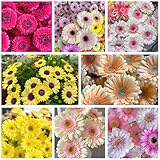
- Vibrant Mixed Blooms: Brighten your garden with Hybrid Mix Gerbera Daisy Seeds featuring a stunning range of colors including red, yellow, pink, orange, and white, creating a lively, colorful space
- Compact & Space-Friendly: These compact Gerbera plants grow to 10-14 inches tall with blooms measuring 3.5-4 inches in diameter, making them ideal for small spaces such as garden beds, containers, or pots with bold visual appeal
- Extended Bloom Season & Fast Growth: Enjoy vibrant blooms from late spring to early fall, with flowers appearing just 14 weeks after sowing, providing continuous beauty in your garden or home
- Low Maintenance & Versatile: Thrives in full sun or partial shade, these hardy plants grow well in well-drained soil, with 12-16 inch spacing. Perfect for landscaping, pots, cut flower arrangements, or as houseplants
- Perfect for Cut Flower Arrangements: With long-lasting, colorful blooms, these Gerbera daisies make excellent cut flowers, adding charm and elegance to any indoor arrangement
For a small infestation, begin with physical removal, rinsing, isolation of indoor plants, or a product specifically labeled for the pest and gerbera. Product labels, availability, and legal use vary by state and country. Clemson specifically cautions that neem oil and insecticidal soap can damage plants when applied above 90°F or in full sun. Follow the label and test a small area when the label permits.
Diseases
Gerberas can develop root, stem, and crown rots, gray mold or Botrytis, powdery mildew, anthracnose, leaf spots, bacterial blights and wilts, and viruses in production settings. The most useful prevention is cultural:
- Keep the crown at or slightly above soil level.
- Use well-drained soil and containers with open drainage holes.
- Do not leave pots standing in water.
- Water at the base rather than over the foliage.
- Space plants to improve airflow.
- Remove dead leaves and fading flowers.
- Use clean containers and fresh potting medium.
- Do not move soil or plant debris from an infected area to a healthy one.
For disease identification, compare symptoms with Penn State Extension’s Gerbera Diseases guide and the UC IPM root, stem, and crown rot guide.
Harvesting gerbera flowers for a vase
Gerberas make excellent cut flowers, but cut-flower handling is separate from keeping the garden plant healthy. Use a clean, sharp knife or pair of snips and a clean container. Remove foliage that would sit below the waterline, use fresh water, and keep the vase and water clean. Replace the water when it becomes cloudy and remove fading flowers promptly.
Good vase hygiene matters because contaminated water shortens the life of cut stems. For professional postharvest information on gerbera harvest, storage, and vase-water contamination, see the UC Davis Postharvest Research and Extension Center gerbera guide.
Are gerbera daisies safe for pets?
The ASPCA lists Gerbera jamesonii as non-toxic to dogs, cats, and horses. That identification matters because “daisy” is a broad common name and other plants sold as daisies may have different toxicity profiles. Even a non-toxic plant can cause stomach upset or choking if an animal eats a large amount, so contact a veterinarian or animal poison service if a pet becomes ill.
The Tool Desk
Outbyte Driver Updater FREEScan for outdated or missing drivers - takes under a minuteDriver Scan →Outbyte PC Repair FREEClear out junk files and repair common Windows errorsFree Scan →Quick gerbera care checklist
- Decide whether your climate supports perennial outdoor growth before planting.
- Plant after frost danger and after nights become reliably mild.
- Provide bright light; use morning sun and afternoon shade in hot regions.
- Choose fertile, free-draining soil or a deep container with drainage holes.
- Keep the crown level with or slightly above the soil surface.
- Space plants about 12 to 18 inches apart, with more room for large cultivars or humid sites.
- Water the root zone thoroughly when needed, then allow some drying; never keep the crown saturated.
- Feed during active growth using one label-directed fertilizer program.
- Deadhead by removing the entire flower stem at the base.
- Inspect regularly for pests, gray mold, leaf spots, and crown rot.
- Bring tender plants indoors before cold nights and keep them bright, cool, and only lightly moist through winter.
Frequently Asked Questions
Can I leave a florist gerbera outdoors all summer?
Yes, after frost danger has passed and nights are reliably mild. Harden it off gradually, give it bright light with afternoon shade in hot climates, and keep the crown above the soil. A florist plant may still be less vigorous or less likely to rebloom than a garden-selected cultivar.
Why is my gerbera wilting even though I water it?
If the soil is wet, suspect root or crown rot, poor drainage, or a buried crown rather than underwatering. Stop adding water, inspect the crown and roots, and improve drainage. If the crown is soft or the roots are extensively decayed, the plant is unlikely to recover.
Can gerbera daisies survive winter in a pot?
Tender gerberas can often be overwintered in containers if brought indoors before cold nights. Keep them in bright light and a cool location, water sparingly, and reduce feeding. Hardy cultivars may remain outdoors in suitable climates but still need protection from winter wet and prolonged freezes.
The Bottom Line
Gerberas reward a simple but precise routine: bright light, excellent drainage, a crown that is never buried, deep watering followed by slight drying, and protection from freezing temperatures. In cold climates, treat them as seasonal color or movable container plants; in mild climates, give them a raised, well-drained site and protect the crown from winter wet.
The Tool Desk
Outbyte PC Repair FREEClear out junk files and repair common Windows errorsFree Scan →Outbyte Driver Updater FREEScan for outdated or missing drivers - takes under a minuteDriver Scan →Quick Recap
Product prices and availability are accurate as of the date/time indicated and are subject to change. Any price and availability information displayed on Amazon at the time of purchase will apply.

