Free tools Windows power users keep installed
One-click scans. No signup required.
Plan a care-home renovation as a joint care-and-building project. Bring care staff, facilities, infection-prevention specialists, residents’ representatives and the contractor together before design is final. Map each resident’s routines and vulnerabilities, assess construction and infection risks, then choose phased work, temporary relocation or a hybrid only after checking whether essential care, safe access, privacy and containment can be maintained.
There is no universally safe phasing schedule or rule that residents can remain in place. The right decision depends on the work, the building, resident needs, local building and care requirements, and the results of a documented risk assessment.
As an Amazon Associate I earn from qualifying purchases.
Start with decisions, scope and accountability
Form a multidisciplinary project team
Assign one project lead with authority to stop work or escalate a problem. Include the registered or care manager, senior care staff, facilities and estates personnel, the infection-prevention lead, clinical or occupational specialists where relevant, and the principal contractor. Give the team a fixed meeting schedule and a written decision log.
US Centers for Disease Control and Prevention (CDC) guidance recommends a multidisciplinary team that includes infection-control staff from the inception of demolition, construction or renovation. It also calls for summary records of the team’s activities. That guidance is written for US healthcare facilities, so use it as a planning model and confirm what your local regulator and technical advisers require: CDC environmental infection-control recommendations.
#1 Best Overall

- WHY CHOOSE AHAM VERIFIDE AIR PURIFIERS: AHAM (Association of Home Appliance Manufacturers) is an ANSI-accredited organization that sets strict standards for appliance performance. Air purifiers with the AHAM VERIFIDE seal have been independently tested for air cleaning performance and energy efficiency. When you choose an AHAM certified air purifier, you're choosing a product trusted for reliable and effective indoor air quality improvement
- HIGH-PERFORMANCE AIR PURIFICATION: A powerful 56W high-torque motor and 143 CFM CADR delivers fast, effective cleaning. The Levoit Original Filter is HEPA-grade while operating in Sleep Mode (Based on IEST RP C001.7). Ideal for home, bedroom, or office
- AHAM VERIFIDE, PROVEN PERFORMANCE: AHAM VERIFIDE with a CADR (Clean Air Delivery Rate) rating of 143 CFM for smoke, 153 CFM for dust, and 167 CFM for pollen—refreshing air in a 222 ft² room 4.8 times per hour and a 1,073 ft² room once per hour
- GENUINE REPLACEMENT FILTERS: For the best performance and longest lifespan, use official Levoit filters designed specifically for Levoit air purifiers. Levoit replacement filters ensure the best fit and high-efficiency filtration, while off-brand filters may be unreliable and may damage your Levoit air purifier
- FIND COMFORT: Our filter has strong filtration performance of fine particles. 99.97% filtration efficiency for 0.1 to 0.3μm airborne particulates, including pollen, dust, and animal dander allergens. Tested by an independent lab
Define what the work can disrupt
List every affected room, service and building system, not just the rooms shown on the drawings. Consider bedrooms, bathrooms, dining and activity areas, medication preparation, laundry, kitchens, clinical rooms, lifts, fire exits, heating and ventilation, water services, power, nurse-call systems, drainage and internet or security systems. For each item, record the likely noise, dust, vibration, odour, outage, access restriction and infection-control consequence.
Identify decisions that require formal sign-off: whether a resident must move, whether a care service can be temporarily relocated, whether a route can be closed, what work hours are acceptable, and what conditions permit a pause. Include a named escalation route for urgent risks such as a failed barrier, an unplanned utility shutdown or a resident becoming distressed.
Complete a resident-and-environment risk assessment
Assess both the work and the people exposed to it. England’s Health and Social Care Act code says risk assessments should consider service users’ susceptibility and risks posed by their environment. Its adult-social-care examples also recognise that bedrooms and shared areas contain residents’ furniture and possessions. The English code was updated on 13 December 2022; related adult-social-care infection-prevention material was last updated on 1 March 2024. Read the applicable guidance at the Health and Social Care Act 2008 infection-prevention code and England’s adult-social-care IPC guidance.
Recommended Free Tools
Use a proportionate approach: a small bathroom replacement does not create the same hazards as opening ceilings, disturbing a ventilation system or replacing several bedroom wings. Record the assumptions, controls, responsible person and review date for each risk. Reassess when the scope, resident population, route, contractor or sequence changes.
Build the brief around residents, not just rooms
Map routines and individual needs
Before sequencing work, ask the care team to map for every affected resident:
- usual waking, washing, toileting, medication, meal and bedtime routines;
- mobility, transfer, continence, visual, hearing and sensory-access needs;
- dementia-related wayfinding, familiar objects, signs, lighting and noise sensitivities;
- privacy requirements and who may enter the bedroom;
- clinical treatments, equipment, oxygen or other services that cannot be interrupted;
- personal furniture, photographs, possessions and meaningful activities; and
- family visits, appointments, worship, social groups and other important routines.
This is a practical planning method rather than a universal validated checklist. Adapt it to each resident’s care plan and involve the resident, family member, advocate or representative where they can participate in decisions affecting their room and daily life.
Protect identity, privacy and familiarity
Construction can make a familiar home feel institutional. Victoria’s dementia-friendly-environments resource, developed for residential aged care, addresses personal identity, meaningful enjoyment, interior design, dining, bedrooms, privacy and bathrooms. Use it to prompt person-centred decisions about sight lines, bedroom access, familiar finishes, signage, lighting and places to withdraw, while still assessing each resident individually: Dementia-friendly environments.
Do not use a temporary room as a blank storage space. Before a move, agree which furniture and possessions travel, where they will be placed, how privacy will be maintained and who checks that the resident can find essential items. Photograph or inventory valuable or fragile belongings with consent, and define a secure storage arrangement for items that cannot remain in the work zone.
Rank #2

- Effortless Operation: Simplified control panel with intuitive design makes it easy to operate. No complicated setup—just one tap, and you're on your way to cleaner air, saving time and letting you relax with ease
- Compact Yet Powerful: Covers up to 1,076 ft² while maintaining a compact size of just 6.69 x 6.69 x 9.84 inches. Its small frame makes placement a breeze—whether on your desk or in a corner, it's ready to work hard wherever you need it (Laboratory Tested: Our air purifier efficiently cleans 250 ft² every 15 minutes, covering up to 1,076 ft² per hour)
- 360° Airflow & High Efficiency Filtration: The elegantly engineered 360° surround air intake, coupled with the sophisticated a triple-layer filtration system, meticulously captures an astounding 99.97% of airborne pollutants, transforming your living space into a sanctuary of purity and vitality
- Quiet with Essential Oil Option: Operates as quietly as 22dB, perfect for undisturbed sleep. The built-in essential oil tray lets you add 3–5 drops to infuse your space with soothing scents while enjoying purified air
- Fully Certified: Backed by DOE, ETL, FCC, CARB, CE, and ROHS certifications, our air purifier meets the highest standards for performance, giving you peace of mind with every use
Explain change in usable, repeated formats
Give residents and families a plain-language plan before work starts: the affected area, expected dates, alternative route or room, likely noise and dust, contact person, visiting arrangements and how to report a concern. Use large-print notices, pictorial signs, verbal briefings and individual conversations as appropriate. Tell staff what to say when dates move; inconsistent explanations increase anxiety.
Repeat the information at meaningful milestones rather than relying on one notice. Provide a daily or weekly update when work is intrusive. Ask residents what is not working and feed the response to the project lead. Record consent, preferences and objections according to the applicable care and capacity rules.
Choose the occupancy strategy with evidence, not habit
Compare options against the same resident and building criteria. The sources do not establish a universally preferable option, so document why the selected approach is feasible for this project.
| Decision factor | Phased work with residents in place | Temporary relocation or decant | Hybrid approach |
|---|---|---|---|
| Resident routines and distress | Can preserve familiar bedrooms and relationships if disruption is contained; repeated moves may still be stressful. | Removes residents from the work zone but introduces a move, unfamiliar surroundings and possible loss of routine. | Moves only the residents or services most affected while others remain in familiar areas. |
| Care access and staffing | Requires protected routes, temporary rooms and staffing plans that work around barriers and noise. | Requires a safe receiving location, transport or internal transfer arrangements, records transfer and adequate staffing in both locations. | Requires two coordinated operating plans and clear boundaries between occupied and closed zones. |
| Dust, noise and infection control | Needs engineered containment, controlled contractor movement, cleaning and continuous monitoring beside occupied care. | May simplify containment in a vacated wing, but shared entrances, services or air systems can still transmit risk. | Allows the highest-risk areas to be isolated while lower-risk work continues elsewhere. |
| Space and access | Needs enough alternative space for dining, bathing, activities, medication and emergency egress. | Needs a lawful, accessible and care-capable destination with compatible equipment and support. | Needs a detailed map of which routes, services and staff teams belong to each phase. |
| Approvals and local requirements | Must satisfy local care, fire, building, accessibility, health-and-safety and infection-prevention requirements for occupied work. | Must satisfy requirements at both the original and receiving locations, including transport and records. | Must satisfy the requirements applicable to each phase and any temporary arrangement. |
Set decision gates before mobilisation. For example, do not start a phase until an alternative dining location is equipped, a protected route is signed, staff have rehearsed the move, and the infection-prevention lead has accepted the containment plan. If a gate cannot be met, change the sequence or occupancy decision rather than relying on goodwill.
Sequence work while keeping care running
Create zones and protected routes
Draw an up-to-date plan showing occupied rooms, closed rooms, construction zones, clean and dirty routes, resident walking routes, contractor entrances, waste-removal paths, emergency exits and temporary services. Keep resident and contractor movement separate wherever practicable. Lock or alarm doors that must not be used, but never compromise emergency egress.
Provide an accessible alternative for every essential destination. A route that is technically open but too narrow for a wheelchair, hoist or evacuation device is not a functioning route. Check thresholds, lighting, handrails, floor protection, signage, fire doors and lift availability at the start of every shift.
Coordinate hours, noise and services
Schedule demolition, drilling, deliveries and shutdowns around medication rounds, personal care, meals, sleep and activities. Give residents advance warning of unavoidable noise and offer a quiet, supervised space when possible. Plan for vibration and odour as well as decibels: a resident with sensory or respiratory vulnerability may be affected before visible dust appears.
Do these 3 things before closing this tab:
1Scan for outdated or missing drivers - takes under a minute2Repair Windows errors before they cause bigger problems3Fix the driver behind crashes, sound loss and screen glitchesWrite a utility-outage method statement. It should identify the service, maximum interruption, temporary equipment, responsible person, resident checks and restoration test. Include nurse-call, fire detection, hot water, heating, lifts, refrigeration for medicines or food, and charging points for essential devices. Never assume a short outage is harmless without checking the care plan.
Rank #3

- 𝐇𝐢𝐠𝐡𝐞𝐫 𝐀𝐢𝐫 𝐈𝐧𝐭𝐚𝐤𝐞 & 𝐋𝐚𝐫𝐠𝐞𝐫 𝐂𝐨𝐯𝐞𝐫𝐚𝐠𝐞 𝐟𝐨𝐫 𝐏𝐞𝐭 𝐋𝐨𝐯𝐞𝐫𝐬: This air purifier for home pets is designed with a larger front air inlet and wider dual-side air inlet, which can pull air from multiple sides and trap airborne pet hairs and odors more easily. Engineered to tackle the wildfire smoke, floating ash, and heavy smog, this high-performance air purifier creates a safe haven indoors, keeping your indoor air fresh during severe air quality alerts
- 𝐒𝐦𝐚𝐫𝐭 𝐏𝐌𝟐.𝟓 𝐀𝐐𝐈 𝐃𝐢𝐬𝐩𝐥𝐚𝐲 & 𝐀𝐮𝐭𝐨 𝐌𝐨𝐝𝐞: Built-in high-precision PM2.5 air quality sensor, real-time monitoring and digital display of indoor air quality. In Auto Mode, the purifier automatically ramps up to higher speed the moment it detects incoming wildfire smoke or household odors, ensuring no-hassle, round-the-clock purification.
- 𝐖𝐚𝐬𝐡𝐚𝐛𝐥𝐞 𝐏𝐫𝐞-𝐅𝐢𝐥𝐭𝐞𝐫 & 𝟑-𝐒𝐭𝐚𝐠𝐞 𝐃𝐞𝐬𝐢𝐠𝐧: Equipped with a high-efficiency 3-stage filtration system, the air cleaner can capture micro-sized airborne particles, including harmful PM2.5 particulates, dusty combustion ash, seasonal pollen, and pet dander. Cleaning the pre-filter helps save your daily replacement cost and extend the life of the HEPA filter. More activated carbon pellets help absorb unpleasant odors
- 𝟒 𝐒𝐩𝐞𝐞𝐝𝐬 𝐚𝐧𝐝 𝐓𝐢𝐦𝐞𝐫𝐬 & 𝐄𝐧𝐞𝐫𝐠𝐲-𝐒𝐚𝐯𝐢𝐧𝐠: The room air purifier has 4 adjustable fan speeds. You can choose the fan speed according to the air quality. The higher the wind speed, the faster the purification speed. When you are out or resting, you can set the air purifier to automatically shut off after 2/4/6/8 hours to reduce energy costs. Running at maximum wind speed for 24 hours only consumes 0.63 kW·h of electricity
- 𝐐𝐮𝐢𝐞𝐭 𝟐𝟎𝐝𝐁 𝐒𝐥𝐞𝐞𝐩 𝐌𝐨𝐝𝐞 𝐟𝐨𝐫 𝐋𝐢𝐠𝐡𝐭 𝐒𝐥𝐞𝐞𝐩𝐞𝐫𝐬: Choose our quiet air purifier for bedroom. Noise is as low as 20dB in sleep mode. Low noise, low speed and no lights make it perfect for a good night's sleep. Even light-sleeping babies or pets can enjoy fresh and clean air on quiet nights
Prepare a pause and recovery plan
Define stop-work triggers before work begins. Examples include a breached barrier, visible dust outside the zone, an unplanned route closure, loss of essential ventilation, a resident unable to access care, a failed alarm or a contractor entering a restricted area. The trigger should state who stops the work, who protects residents, who is notified and what evidence is needed before restart.
Keep a daily log of inspections, incidents, complaints, changes, cleaning, air or facilities checks and corrective actions. Trend recurring problems instead of treating each one as an isolated event.
Design infection-prevention controls before mobilisation
Use a pre-work infection-control risk assessment
Have the infection-prevention lead and facilities professionals assess what the project will disturb: ceilings, walls, pipework, drains, ventilation, mould, soil, contaminated materials and routes shared with residents. CDC guidance calls for a pre-project infection-control risk assessment to define the scope and barrier measures, and recommends controls relevant to construction, renovation, maintenance, demolition and repair. Determine locally which healthcare-facility measures apply to an aged-care setting; do not copy a hospital specification without checking feasibility and regulation.
Make containment a contract requirement
Put infection-control duties in the construction contract, induction and daily supervision arrangements. Specify approved access points, protective clothing, hand hygiene, tool and trolley cleaning, waste routes, delivery times, barrier inspection, incident reporting and correction deadlines. CDC recommends educating construction and healthcare teams about airborne infection risks in relevant areas, including fungal-spore dispersal and its control, and correcting non-compliance promptly.
Any enhanced surveillance for airborne environmental disease must be risk- and population-dependent. CDC discusses surveillance where appropriate for immunocompromised patients; that does not mean every care home requires such surveillance. Seek specialist advice when residents or the work create a particular vulnerability.
Control dust, debris and contractor movement
Use the containment method justified by the assessment: sealed rigid barriers, controlled access, pressure management, local extraction or other measures selected by qualified advisers. Keep doors closed, protect penetrations and prevent workers from carrying dust into clean areas. Provide a dedicated route for debris and clean or cover equipment before it leaves the zone.
Inspect barriers at a defined frequency and after deliveries, service access or any incident. A barrier is a control only when it remains intact and the adjacent area is kept clean.
Quick wins for a faster PC:
Scan for outdated or missing drivers - takes under a minuteDriver Scan →Clear out junk files and repair common Windows errorsFree Scan →Fix the driver behind crashes, sound loss and screen glitchesFind Drivers →Clean and hand over the zone
Write a handover checklist rather than treating the final sweep as cosmetic. CDC says the work zone should be cleaned under facility procedures and that barrier curtains should contain dust and debris before rigid barriers are removed. Where applicable, restore appropriate air changes, humidity and pressure differentials, and clean or replace air filters. These are healthcare-facility recommendations; qualified facilities and infection-prevention advisers must decide what applies to the care home.
Rank #4

- Air Quality Monitoring: This air purifier is designed with a built-in PM2.5 sensor and real-time display, eliminating the need for guesswork about air quality. In auto mode, when it detects a decline in air quality, the purifier with the indicator changing to green, blue, yellow or red, and the fan accelerating to purify the air more efficiently.
- Remarkable Filtration: Featuring an advanced filtration system, the air purifier effectively removes airborne particles (such as dust, pollen, pet dander, and smoke ). When activated, this air cleaner can refresh the atmosphere in a space up to 2400 sq ft / 223 m² every 30 minutes, ensuring you enjoy a fresh and comfortable air quality throughout the day in your home or office. (Note: For significant amounts of pet hair on floors or fabric surfaces, we recommend use other cleaning products.)
- 3-Stage Advanced Filtration: Our air filter combines a high-efficiency purification filter with 3 layers to can effectively filter out the impurities in the air. This high-performance system delivers thorough air purification, creating a healthier living environment for you and your loved one. (Note: The filter needs to be replaced every 3 to 6 months, and must not be cleaned with water or other liquids.)
Make air quality a measured, context-specific decision
First identify the pathway of risk. Construction dust, inadequate outdoor air, a disturbed ventilation system and an infectious outbreak require different controls. A portable air-cleaning device cannot replace sealed construction containment, suitable ventilation or proper cleaning.
The Australian Government’s National Aged Care Design Principles and Guidelines (2024) recommends regular spot checks of indoor air quality and presents carbon dioxide below 880 parts per million as a suggested level, using CO₂ as a proxy for air quality. It also discusses cross-ventilation, outdoor access and air-purifying devices with an appropriately filtered HEPA filter. Treat “< 880 ppm” as a design recommendation from that Australian guide, not a universal legal limit or proof that a room is infection-safe: National Aged Care Design Principles and Guidelines.
Before selecting equipment, check the room volume, airflow, filter suitability, noise, placement, maintenance, electrical load and who will replace filters. Keep records of readings and maintenance. Ask a competent building-services professional whether existing air-handling equipment can be isolated, filtered, balanced or recommissioned safely during the works.
Use the renovation to improve the care environment carefully
Design for small, recognisable living groups
The 2024 Australian design guide discusses small households, defined entries, separable living spaces, private rooms and ensuite bathrooms as environmental infection-control concepts. It suggests households of 15 people or less in its small-households discussion. That is a design recommendation from one national guide, not a universal retrofit requirement. Test any proposed layout against staffing, fire safety, accessibility, safeguarding, cleaning and actual resident needs.
Plan for outbreaks without making the home feel clinical
The same guide says residential aged-care homes need an outbreak-management plan that includes zoning, and cautions that some healthcare-facility advice may not be feasible in aged care. During design, identify spaces that can be separated, entrances that can be controlled, bathrooms that can be allocated, and routes that avoid mixing groups. Keep the plan usable for ordinary daily care, not only an emergency.
Check dining, bathrooms and bedrooms as lived spaces
Review sight lines, acoustics, glare, contrast, seating, privacy, wayfinding, bathroom transfers and staff observation with residents and care staff. A technically compliant room can still undermine dignity if a temporary screen exposes personal care, a new finish creates confusing reflections or a relocated dining area removes a meaningful social ritual.
Independent reader supportYour contribution helps us test, update, and keep practical guides available for everyone.Assign responsibilities and records
Publish a responsibility chart before work starts. At minimum, name who:
What’s actually slowing this PC down?
Pick the symptom - the matching free tool is one click away.
- owns the master programme and approves changes;
- completes and reviews resident and infection-control risk assessments;
- checks barriers, routes, signage and fire exits each shift;
- coordinates resident moves, belongings and care-plan updates;
- supervises contractor induction, access and housekeeping;
- authorises utility shutdowns and verifies restoration;
- receives complaints and communicates changes to families; and
- accepts the area back into service.
Keep the current drawings, zone plan, contact list, risk assessments, permits, inspection records, cleaning logs, air or HVAC records, incident reports, resident communications and handover certificates together. Version-control the documents so staff do not follow an obsolete route or date.
Best Value
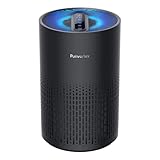
- Cleaner Air In Minutes: Purivortex is proven to filter common pollutants from your home’s air. This air purifier purifies rooms up to 880 ft² in one hour. It can purify a 215 ft² room in about 15 minutes, giving you noticeably fresher air in a short time. Breathe clean, crisp air and feel the difference in your space. (*Tested in an ISO 17025 certified laboratory under typical residential room ventilation conditions.)
- Breathe Easier with 99.97% Filtration: Purivortex HEPA air purifiers for home feature a powerful 3-layer filtration system — a pre-filter, HEPA filter, and activated carbon—that filter up to 99.97% of pollutants, including dust, smoke, pollen, pet dander, and VOCs. Purivortex air filters filter out particles as small as 0.1 microns, while the carbon filter helps reduce light household odors from smoke, pets, and cooking.**(**Independently tested in an ISO 17025 laboratory.)
- Bigger Filter, Better Purification: Purivortex goes beyond the standard—while most purifiers of this size use a 4 inch filter, Purivortex air filters stand tall at 6 inches. That’s nearly 1.5× larger, pulling in more air and delivering cleaner results, faster. Filter made of FSC-Certified paper, sourced from responsibly managed forests, ensuring both high performance and care for the environment.
- Backed by Science, Trusted by Standards: Purivortex air purifiers are rigorously tested to deliver powerful purification performance. Certified by ETL, FCC, and CARB for safety and energy efficiency, and verified through independent SGS laboratory testing to prove their effectiveness. With Purivortex, you get science-backed confidence in every breath.
- 2 Years of Guaranteed Confidence: Purivortex stands behind the quality and performance of every purifier, which is why Purivortex air purifiers come with a full 2-year warranty. More than 500,000 families have already chosen Purivortex for cleaner, fresher air. With added convenience features such as 3 timer settings (4H/8H/12H), 4 fan modes (Sleep/Low/Med/High), and 4 night light modes (Multicolor, Blue, Green, Purple), Purivortex delivers comfort tailored to your lifestyle.
Use a practical return-to-use check
Before residents re-enter a room or service, the care manager, facilities lead and infection-prevention representative should agree which checks apply. A typical sequence is:
- Confirm the construction scope is complete and all tools, waste and temporary materials are removed.
- Inspect floors, walls, ceilings, doors, fittings, grab rails, alarms, nurse-call points and furnishings for defects or hazards.
- Clean the work zone and adjacent routes under the home’s procedure; remove protective coverings without spreading dust.
- Verify that required ventilation, air changes, pressure relationships, humidity, filters and other building services have been restored or commissioned by competent personnel.
- Test fire detection, emergency lighting, access control, lifts, hot water, heating, power and other services affected by the work.
- Replace resident furniture and possessions according to the agreed plan, checking identity, privacy and accessibility.
- Walk the route with a resident-care representative using the equipment residents actually use, including wheelchairs, hoists and walking aids.
- Update signs, room numbers, care plans, evacuation information and staff briefings.
- Record outstanding defects, an owner and a deadline; do not reopen an area where an unresolved defect makes care or safety unacceptable.
CDC recommends cleaning before barrier removal and commissioning relevant HVAC systems in newly constructed or renovated healthcare spaces before occupancy and use. Confirm the technical and regulatory commissioning requirements that apply to your care home rather than assuming every project follows a hospital standard.
Troubleshoot common failures
A resident becomes distressed by noise or a move
Move the resident to the pre-agreed quiet or alternative area, restore familiar possessions and routines where possible, and ask the care lead to review the individual plan. Inform the project lead and reassess whether the work hours, sequence or occupancy decision remains suitable.
Windows Errors? Fix Them Before They Spread
Repair common Windows errors and clear accumulated junk for a smoother, more stable PC - no reinstall needed.Free scan · no reinstallCrashes, No Sound, or Screen Glitches?
Random freezes, missing sound and display glitches usually trace back to one bad driver. Find and replace yours safely.Free scan · under a minuteDust appears outside the work zone
Stop the activity that may be causing the release, protect residents and close the affected route. Inspect barriers, doors, pressure or extraction, clean under the facility procedure and document the event. Restart only after the responsible infection-prevention and facilities leads accept the corrective action.
An essential route or service is unexpectedly unavailable
Use the rehearsed alternative only if it remains accessible and safe for the residents who need it. Otherwise pause the work, notify care staff and families as appropriate, and restore the service or establish a properly assessed alternative before continuing.
Air readings or ventilation checks are poor
Check the instrument, location and timing, then ask a qualified building-services professional to identify the cause. Consider outdoor-air supply, cross-ventilation, filtration, occupancy, construction containment and maintenance together. Do not attempt to solve a construction-containment failure by placing a consumer purifier in an occupied corridor.
Adapt the plan to the jurisdiction
Local building, fire, accessibility, planning, health-and-safety and care-regulation requirements remain decisive. CDC construction guidance is US federal public-health guidance for healthcare facilities and includes a February 2017 clarification note. England’s infection-prevention code and adult-social-care guidance apply to services in England. The Australian design principles are a 2024 Australian Government publication, while Victoria’s dementia-friendly resource is Victorian guidance for residential aged-care contexts. Use these sources to structure decisions, then obtain the approvals and professional advice required where the home operates.
The Tool Desk
Outbyte Driver Updater FREEScan for outdated or missing drivers - takes under a minuteDriver Scan →Outbyte PC Repair FREERepair Windows errors before they cause bigger problemsFix Now →The central test is operational: can residents receive safe, dignified care throughout the phase, with risks controlled, routes and services available, staff and contractors following the same plan, and a documented check before each area returns to use? If not, change the scope, sequence or occupancy strategy before construction proceeds.
Quick Recap
Product prices and availability are accurate as of the date/time indicated and are subject to change. Any price and availability information displayed on Amazon at the time of purchase will apply.

