Do these 3 things before closing this tab:
1Scan for outdated or missing drivers - takes under a minute2Clear out junk files and repair common Windows errors3Fix the driver behind crashes, sound loss and screen glitchesLavender can grow in the Midwest, but success depends on pairing a locally suitable variety with excellent drainage. Start with English lavender, plant it in full sun and fast-draining soil, water while it establishes, and wait for spring growth before pruning. Wet winter soil—not simply cold—is a major risk to survival.
Which lavender varieties are most likely to survive?
For cold Midwest gardens, English lavender (Lavandula angustifolia) is the most dependable starting point in regional Extension guidance. Iowa State University Extension names ‘Munstead’, ‘Hidcote’, ‘Blue Cushion’ and ‘Royal Velvet’; Purdue Extension says English lavender is the only group that reliably survives Indiana winters. Those recommendations are not guarantees for every garden: winter lows, drainage and local conditions all affect the outcome.
As an Amazon Associate I earn from qualifying purchases.
| Type or cultivar | What regional sources report | How to use that information |
|---|---|---|
| English lavender, including ‘Munstead’ and ‘Hidcote’ | Iowa State identifies English lavender as the most reliable species for Iowa. Illinois Extension reports ‘Munstead’ and ‘Hidcote’ overwintering at a central Illinois demonstration garden. [Iowa State University Extension; University of Illinois Extension] | A practical first choice for outdoor planting in colder parts of the region, subject to site conditions. |
| Lavandin (Lavandula × intermedia), including ‘Phenomenal’ and ‘Provence’ | Missouri Extension reports successful trial entries including ‘Provence’, ‘Phenomenal’, ‘Super’, ‘Gros Blue’ and ‘Grosso’. Iowa State says lavandin is less cold-hardy than English lavender, while ‘Phenomenal’ has improved cold and humidity tolerance. [University of Missouri Extension; Iowa State University Extension] | Consider trial performance in Missouri as regional evidence, not proof of winter survival farther north or in a wet site. |
| Spanish, spike and French lavender | Iowa State says Spanish (L. stoechas), spike (L. latifolia) and French (L. dentata) lavender are not winter-hardy in Iowa. Missouri Extension says Spanish varieties do not survive Missouri winters. [Iowa State University Extension; University of Missouri Extension] | In cold areas, grow these as seasonal plants or in containers that can be moved indoors rather than relying on them as outdoor perennials. |
Missouri Extension’s research news describes trials at four Missouri locations and six cultivars reported as performing well: ‘Dutch Mill’, ‘Grosso’, ‘Munstead’, ‘Hidcote’, ‘Phenomenal’ and ‘Provence’. The July 2023 Missouri Extension/IPM article also reports research plots at four sites and lists successful trial entries. These are location-specific trial observations, not a region-wide survival rate. When comparing candidates, consider winter hardiness, wet- and humidity-tolerance, mature size, bloom timing and intended use.
Where should you plant lavender?
Choose sun and airflow
Pick the sunniest practical spot. Iowa State recommends six to eight hours of direct sun a day. Leave enough room between plants for air to circulate; crowded plants and persistently wet foliage are more vulnerable to disease. Check the selected cultivar’s mature size before setting spacing.
#1 Best Overall
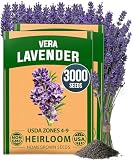
- Lush Lavender at Home: Cultivate your own serene lavender garden with our English Lavender seeds, ensuring fresh, fragrant blooms right at your fingertips. Ideal for both beginners and seasoned gardeners alike! IMPORTANT – COLD STRATIFICATION REQUIRED: To break dormancy and guarantee growth, these seeds need a "winter wake-up call." We recommend storing them in a damp medium in your fridge for 30 days prior to sowing to unlock their full germination potential.
- Superior Germination Rates: Experience a high success rate with our non-GMO, heirloom seeds, sourced in the USA for your peace of mind and gardening success. 1500 seeds for plentiful planting! Elevate your kitchen creations with our premium culinary-grade lavender, perfect for baking, teas, and gourmet syrups. Beyond their garden beauty, these edible blooms add a sophisticated floral aroma and flavor to everything from shortbread cookies to soothing evening herbal infusions.
- Quality You Can Trust: Embrace the safety and superiority of our non-GMO, high-quality seeds. Feel confident in your choice, contributing to a healthier environment and more robust plants.
- Versatile & Vibrant: Create a stunning mini garden in compact indoor containers or wide outdoor spaces. Plant lavender on walkways, garden borders, cottage gardens, and on patios and backyards. Our seeds are adaptable to various plant settings.
- Perfect Gifts for Any Occasion: English Lavender makes for ideal gifts. Whether it's housewarmings, Mother's Day, birthdays, or holidays, spread the joy of aromatic lavender that brings a serene beauty to your loved ones' gardens or indoor spaces.
Make drainage the priority
Lavender needs soil that sheds excess water quickly. Sandy or loamy soil is generally suitable; heavy, slow-draining soil raises the risk of root rot and winter loss. If water lingers after rain, choose another spot or plant on a raised bed, berm or row. A container can also help where in-ground drainage is poor, but Iowa State cautions that container lavender does not overwinter well outdoors in Iowa.
Check soil before changing its pH
Iowa State describes lavender’s preference as neutral to slightly alkaline. Purdue Extension advises testing soil before applying lime. Avoid adding lime or making broad soil amendments without a soil test.
Rank #2

- TRUE ENGLISH LAVENDER 'VERA' + STRATIFICATION SUCCESS – Not French lavender — this heirloom English lavender is the original variety with stronger fragrance and superior oil quality. Cold stratify seeds 2–4 weeks before planting to dramatically improve germination, whether growing indoors or outdoors.
- INTENSE FRAGRANCE, AUTHENTIC AROMA – Unlike common hybrid varieties, 'Vera' delivers a rich, classic scent ideal for gardens, patios, and indoor spaces. The go-to choice for gardeners seeking true English lavender with traditional, intense fragrance.
- VERSATILE USES: CULINARY & WELLNESS – Premium heirloom lavender seeds perfect for teas, baking, syrups, sachets, and essential oils. Grow your own natural home fragrance, relaxation rituals, and edible floral creations indoors or out.
- GROW INDOORS OR OUTDOORS WITH EASE – Flexible enough for containers, borders, raised beds, and walkways. Cold-hardy and drought-tolerant once established — thrives in full sun with low maintenance season after season.
- HIGH-YIELD QUALITY TESTED HEIRLOOM QUALITY – Non-GMO 'Vera' lavender seeds, 1,500+ per pack, with strong germination potential. Grow abundant lavender plants indoors or outdoors from the most trusted heirloom English lavender variety.
When and how should you plant?
- Choose spring for the lower-risk start. Plant after the risk of severe frost has passed so the lavender has time to establish before winter. Missouri production guidance describes planting rooted plugs in spring or early fall; for home gardens, fall planting is more dependent on local climate and the time remaining before cold weather.
- Prepare the site for drainage. Use a naturally free-draining location or build a raised bed, berm or row where the ground stays wet.
- Set the plant at its nursery depth. Place it in the ground at the same depth it grew in its container, then backfill and water to settle the soil.
- Give it room. Space plants according to their mature size so air can move through the foliage.
How should you water and feed lavender?
Water according to establishment and weather
Water new plants as needed through their first growing season, especially in hot, dry weather. Once established, lavender is drought-tolerant. Avoid keeping the soil saturated: excess water is generally a greater concern than short dry spells. Missouri’s recommendation for supplemental irrigation during the first two to three years comes from its production setting, not a fixed schedule for every home garden.
Keep fertilizer modest
Lavender has low fertility needs. Iowa State warns that excess nitrogen encourages leafy growth at the expense of flowers, so routine heavy feeding is not advisable.
Rank #3

- LARGE 1/4 OUNCE PACKET: Embark on a wildflower journey with our generous 0.25 ounce packet, bursting with over 7,000 pure live seeds! Transform 125 square feet into a vibrant haven for nature.
- LAVENDER: Soothe your senses with the calming fragrance of Lavender. Its delicate purple spikes not only look beautiful in your garden but also attract bees, butterflies, and other beneficial pollinators. Ideal for creating fragrant borders, cottage gardens, or dried flower crafts, Lavender is easy to grow and thrives in sunny spots. Whether in a pot or garden bed, its aromatic blooms will bring tranquility and charm to your space.
- LAVENDER REWARDS PATIENCE: Lavender may take its time to sprout, but that patience pays off—every tiny seed becomes a fragrant badge of honor for growers who love a good challenge.
- PREMIUM GIFTABLE PACKAGING: Unwrap gardening delight with our premium seed packaging. Tailored for optimal storage, complete with planting instructions and a reusable zipper – a thoughtful gift for any nature-loving enthusiast.
- GUARANTEED TO GROW: Plant with confidence! We stand by our seeds. If they don't germinate, we'll refund you within 30 days, no questions asked. Sweet Yards guarantees a worry-free and flourishing garden.
When should you prune or harvest lavender?
Prune after spring growth begins
Do not cut lavender back in fall. Wait until new growth is underway in spring, remove dead material and shape only where leafy growth is present. Lavender rarely regrows from older, bare woody stems, so avoid cutting back into leafless wood. Purdue and Illinois Extension both advise waiting for spring growth.
Harvest flower spikes as needed
Cut flower spikes when you want them for fresh use or drying. Missouri Extension’s 2023 article observed a heavy first bloom flush followed by smaller later flushes in its trial context; that pattern is not assured in every home garden.
Rank #4

- Fragrant Blooms: English Lavender seeds to plant of Lavandula angustifolia produce purple flower spikes on slender green stems; late spring–summer color with vigorous growth—ideal for fragrant flowers and classic herbs borders. Common name: English Lavender; Scientific name: Lavandula angustifolia
- Simple Sowing: For best results, cold stratify, then sow 1/4 inch deep; growth shows in 14–30 days at 65+°F—great english lavender seeds for planting with reliable starts for your Outdoor & Indoor herb garden
- Hardy Perennial: Common lavender heirloom seeds forms upright, shrub-like plants 20–24 inches tall; space 18 inches; dependable in USDA zones 3–9—perfect english lavender perennial seeds and perennials seeds for long-term gardens.
- Low-Maintenance Care: Thrives in full sun and light, dry, sandy, well-drained soil; low watering—avoid water-logging; resilient, non-GMO english lavender plant for drought tolerant plants and low-effort landscapes.
- Versatile Uses: Aromatic herb for sachets, potpourri, essential oils, and soothing aromatherapy; traditional medicinal qualities — english lavender seeds heirloom suited to lavender herb, fresh herbs or dried herbs and medicinal herb seeds projects.
How can you protect lavender through winter?
Good drainage and site selection matter more than a thick winter covering. Iowa State identifies winter survival as the greatest challenge for Iowa and the Upper Midwest, with wet soil and repeated freeze-thaw cycles among the risks. In cold locations, Iowa State and Illinois Extension recommend waiting until plants are dormant and the ground has initially frozen before applying a light cover of straw or evergreen boughs. Avoid heavy mulch that can trap moisture around the crown and encourage rot.
Quick wins for a faster PC:
Clear out junk files and repair common Windows errorsFree Scan →Fix the driver behind crashes, sound loss and screen glitchesFind Drivers →How do you propagate lavender?
Stem cuttings from non-flowering shoots are the most reliable way to reproduce a chosen plant. Seeds can take two to four weeks or longer to germinate, and seed-grown plants vary in size, growth habit and flower quality, so they may not match a named cultivar.
Quick Recap
Best Value

- 💧 Cold Stratification Seed Prep: Lavender seeds germinate best after 2-4 weeks of cold stratification. Place seeds in a moist paper towel or sand inside a sealed bag and refrigerate before planting, then sow seeds lightly covered with soil.
- 🌱 English Lavender Heirloom Seeds – High-quality seeds ideal for garden borders, herb gardens, and long-term planting.
- 🏡 Indoor & Outdoor Growing – Perfect for pots, windowsills, patios, balcony planters, and garden beds.
- 📦 7000+ Seeds Value Pack – Large pack with over 7,000 seeds for multiple planting seasons or large garden areas.
- 💜 Fragrant Purple Flowers – Produces aromatic blooms ideal for dried bouquets, sachets, crafts, and home decor.
Product prices and availability are accurate as of the date/time indicated and are subject to change. Any price and availability information displayed on Amazon at the time of purchase will apply.

