Yes, you can often save a potted Easter lily and plant it outdoors. The important qualification is that the florist plant has been artificially cooled and forced to flower for Easter. In a garden, it usually flowers in summer or late summer—not the following Easter—and outdoor survival depends on drainage, winter temperatures, transplant recovery, and your local climate.
With cool indoor conditions, careful watering, and plenty of time for the green leaves to rebuild the bulb, an Easter lily can become a normal outdoor perennial in a suitable location. It may flower again later the same year, but the more realistic expectation is summer flowering in a future growing season.
What is an Easter lily?
The Easter lily is a true lily, most commonly identified botanically as Lilium longiflorum Thunb. It is a perennial bulb with fragrant, white, trumpet-shaped flowers. Kew’s Plants of the World Online currently accepts Lilium longiflorum as the species name.
#1 Best Overall

- ELEGANT INDOOR HOUSEPLANT: Add a touch of timeless, sophisticated style with a live Peace Lily. Featuring iconic white blooms and lush green foliage, it’s a perfect tabletop decor piece for your home or office
- BREATHE EASIER WITH A NATURAL AIR PURIFIER: Beautiful Peace Lily Plant helps to filter the air, removing toxins for a healthier indoor environment. Elevate your indoor garden with this air-cleaning houseplant for a fresh home
- CREATE A CALMING SANCTUARY: Known for its serene presence, Peace Lily plant is an elegant addition that naturally promotes a calm mood and sense of wellbeing
- GIFTING FOR ANY OCCASION: This living and thoughtful present is ideal for birthdays, housewarmings, holidays, or just because. Brighten a loved one's day with a beautiful indoor plant
- FRESH PLANT, READY FOR YOUR HOME: Your beautiful, healthy live indoor plant, fresh from our farm, arrives secured in specialized packaging right to your home
It is not a peace lily, calla lily, or daylily. Peace lilies and calla lilies are unrelated plants, while daylilies belong to the genus Hemerocallis. Common names are not a reliable guide to pet safety: true lilies in the genera Lilium and Hemerocallis are the serious kidney-failure risk for cats, while other plants called lilies have different toxic effects.
One taxonomic complication is worth noting. A recent Penn State page uses Lilium wallichianum and describes it as formerly L. longiflorum, while Kew currently accepts L. longiflorum and separately recognizes L. wallichianum. For the familiar florist-grown Easter lily, this article uses the widely recognized retail name and Lilium longiflorum.
Why an Easter lily blooms at Easter
In its natural outdoor cycle, an Easter lily does not normally flower in early spring. Commercial growers cool the bulbs and then bring them into warm greenhouse conditions so they flower weeks or months before their outdoor season. That is why a compact plant bought in March or April may grow into a taller, more conventional lily and flower around July, August, or later outdoors. Iowa State University Extension, North Carolina State Extension, and the Missouri Botanical Garden all describe a summer-to-late-season outdoor bloom period, with exact timing varying by region.
The Tool Desk
Outbyte PC Repair FREERepair Windows errors before they cause bigger problemsFix Now →Outbyte Driver Updater FREEScan for outdated or missing drivers - takes under a minuteDriver Scan →Choosing a healthy plant
If you have not bought the plant yet, do not choose one simply because every flower is already open. A plant with one or two open flowers and several unopened buds in different sizes usually gives you a longer indoor display and has more flowering still ahead.
- Choose dense, evenly green foliage without yellowing, spotting, chewing, or distortion.
- Look for straight, sturdy stems rather than weak, stretched growth.
- Select a plant with one or two open flowers and several firm, unopened buds.
- Inspect the undersides of leaves and the soil surface for insects, webbing, eggs, mold, or visible disease.
- Check that the pot has drainage holes and that decorative foil or a sleeve is not trapping water.
These criteria are consistent with the buying guidance from Iowa State Extension and University of Wisconsin Horticulture.
Indoor care while the lily is flowering
1. Remove anything that blocks drainage
Take off plastic, paper, foil, or decorative sleeves as soon as you bring the plant home, or at least remove them whenever you water. They can hold water around the pot and leave the bulb sitting in saturated soil. Place the nursery pot in a saucer or a waterproof cachepot, but empty excess water after it drains.
2. Give it bright, indirect light
Set the plant near a bright window where it receives good light without hot afternoon sun shining directly onto the leaves and flowers. A greenhouse-grown lily can scorch when suddenly exposed to intense sun through glass. While it is blooming, bright indirect light helps preserve the flowers; after flowering, move it to brighter light so the leaves can recharge the bulb.
3. Keep it cool and stable
Cool conditions prolong the flowers. Published recommendations vary: Iowa State gives approximately 65–70°F days with cooler nights, Penn State suggests roughly 60–65°F days, and Wisconsin recommends daytime temperatures no higher than 68°F with nights around 40–50°F. The practical rule is to provide a cool, stable, draft-free location rather than chase one exact temperature.
Rank #2
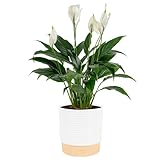
- ELEGANT LIVE PLANT DECOR: The pure white blooms of the Peace Lily bring timeless sophistication to any space. Ideal as a tabletop centerpiece, living room accent, or serene office décor, this plant makes a thoughtful year-round or thoughtful gift for plant lovers and home décor enthusiasts
- BREATHE EASIER WITH A NATURAL AIR PURIFIER: Beautiful Peace Lily Plant helps to filter the air, removing toxins for a healthier indoor environment. Elevate your indoor garden with this air-cleaning houseplant for a fresh home
- CREATE A CALMING SANCTUARY: The Peace Lily's elegant white blooms and deep green leaves are perfect for setting a tranquil mood and enhancing your space's sense of wellbeing
- PERFECT GIFT FOR ANY OCCASION: Features beautiful, colorful flowers, making it a unique and thoughtful gift for any occasion. A memorable present for friends and family
- FRESH PLANT, READY FOR YOUR HOME: Your beautiful, healthy live indoor plant, fresh from our farm, arrives secured in specialized packaging right to your home
Keep the plant away from radiators, heat registers, fireplaces, hot appliances, cold drafts, and doors that open directly to freezing air. Avoid placing it beside a heating vent simply because the window is bright.
4. Water only when the surface begins to dry
Check the soil regularly with your finger. Water thoroughly when the surface or top inch feels dry, allowing water to run from the drainage holes. Then let the pot drain completely and empty the saucer or outer container.
Do not water on a fixed daily schedule and do not keep the soil continuously wet. A waterlogged bulb can develop root, basal, or shoot rot, which may cause yellow lower leaves, stunting, bud loss, or a collapsing stem. The University of California Statewide Integrated Pest Management Program specifically cautions that yellowing is not automatically a sign that the plant needs more water.
5. Remove pollen and fading flowers
As a flower opens, you can pinch or snip off the pollen-bearing anthers before they shed orange-yellow pollen. This keeps pollen off furniture and clothing and can extend the ornamental value of the flower. Remove each flower as it fades so the plant does not spend unnecessary energy producing seed.
A well-selected, properly cared-for plant may remain attractive indoors for approximately two to three weeks.
What to do after the flowers fade
The leaves are now more important than the flowers. They use light to manufacture food and restore the bulb’s reserves. Cutting the entire plant back immediately after flowering is one of the most common reasons a rescued Easter lily fails to flower later.
- Deadhead the flowers. Remove each faded bloom, including the developing seed pod behind it.
- Keep every green leaf. Do not cut the leafy stem to soil level while it is still green.
- Move the plant into brighter light. A bright window or sheltered outdoor light will help rebuild the bulb.
- Continue watering. Water when the soil surface begins to dry, but never leave the pot standing in water.
- Feed lightly while growth is active. Use a complete fertilizer at the label rate, or a diluted fertilizer once or twice a month if following Iowa State’s guidance. Avoid excessive nitrogen.
- Wait for frost danger to pass. Keep the plant protected indoors until outdoor nights are suitable for your area.
- Harden it off before planting. Move it outdoors gradually rather than placing a greenhouse-grown plant straight into full sun.
- Plant it in well-drained soil. Follow the depth and site instructions below.
- Allow the foliage to yellow naturally. When the stem is completely brown and dry, cut it to soil level.
Some local recommendations remove the spent flower stalk after the bloom period while leaving the green leaves intact. For a home gardener, the safest general rule is to remove flowers promptly and leave the leafy stem until it has naturally died back, unless a specific local extension recommendation says otherwise. Guidance on preserving foliage is emphasized by University of Minnesota Extension, Iowa State Extension, and Penn State’s holiday-plant guide.
Outdated Drivers Are Slowing You Down
One free scan finds every outdated or missing driver and matches the right update for your exact hardware.Free scan · exact hardware matchWindows Errors? Fix Them Before They Spread
Repair common Windows errors and clear accumulated junk for a smoother, more stable PC - no reinstall needed.Free scan · no reinstallHow to move an Easter lily outdoors
Harden it off for seven to fourteen days
Outdoor light, wind, and temperature changes are much more intense than indoor conditions. Start by placing the plant outside in bright shade in a protected spot for two or three days. Then gradually increase its exposure to morning sun and, eventually, more direct light over approximately one to two weeks. Iowa State describes a six- to seven-day hardening period, while Kansas State recommends one to two weeks.
Rank #3

- LIVE INDOOR PLANT: Bring home a beautiful Peace Lily to add a relaxing, calm feel to any space. These houseplants are natural air purifiers that help keep your indoor air fresh and clean. Easily fits tabletop, shelf, living room, office, or bedroom decor
- GREAT DECOR FOR ANY SPACE: Whether you're looking to spruce up your home office or add a touch of greenery to your living room, indoor plants have a timeless appeal. Peace Lily is a unique statement piece that instantly infuses decor with personality
- FRESH FROM FARM: Every plant is packed with care and direct from our farm to your home. Peace Lily height is approximately 15-inches tall, measured from bottom of pot to top of the plant. It is with no blooms. Blooms should appear in 4 weeks
- ELEVATE MOOD & WELLBEING: Plants make us happy. They give us life, fresh air and a sense of calm - all of which have the ability to lift your mood and improve your wellbeing. NASA studies show having plants improves mood, creativity and reduces stress
- PLANTS MAKE GREAT GIFTS: Plants can be delivered to your loved ones for any occasion, including birthdays, anniversary, and housewarming. Enjoy peace of mind that every plant is well packaged, farm fresh, and ready to impress with your gift message
- Protect the plant from strong wind during the transition.
- Bring it in or cover it if an unexpected cold night threatens.
- Do not move it directly from a dim room into hot afternoon sun.
- Check the pot more often outdoors because wind and sun can dry it faster.
How to plant an Easter lily in the garden
Choose the site carefully
Select a site with full sun to part shade and soil enriched with organic matter. The upper portion of the plant needs good light, but the bulb and roots prefer cool, evenly moist conditions. In hot climates, afternoon shade or a location where neighboring plants shade the soil can reduce heat stress.
Drainage is non-negotiable. The soil should retain moisture without staying waterlogged. Do not plant in a low spot where rain collects or in heavy soil that remains wet for days. Improve the soil structure before planting, or choose a raised bed or container if the site cannot drain adequately. Protect tall plants from persistent wind.
Plant the bulb about six inches deep
Easter lilies are stem-rooting lilies: they produce roots from the stem above the bulb as well as from the bulb’s base. They therefore need more depth than a shallow decorative pot provides. For a potted Easter lily, the planting hole may need to be deeper than the root ball is tall so that the top of the bulb ends up at the correct depth.
What’s actually slowing this PC down?
Pick the symptom - the matching free tool is one click away.
- Dig a hole deep enough for the top of the bulb to sit approximately 6 inches below the finished soil level. Some references give a range of 4–6 inches; about 6 inches is the safer unified target for L. longiflorum.
- Remove the plant carefully and avoid tearing the roots or breaking the bulb.
- Loosen circling roots gently if the plant is root-bound.
- Set the bulb upright with the pointed growing tip facing up.
- Backfill with well-drained soil without compacting it heavily around the bulb.
- Water thoroughly to settle the soil.
- Apply about 3 inches of mulch, or up to about 4 inches of straw in colder climates, keeping mulch away from direct contact with the stem.
- Space multiple lilies approximately 12–18 inches apart.
- Stake the plant if it becomes tall or is exposed to wind.
Commercial forcing keeps Easter lilies compact. In outdoor conditions they commonly reach 2–3 feet, so allow room for a taller plant than the one you bought. Planting and spacing recommendations are detailed by Iowa State Extension, Kansas State Extension, and the Royal Horticultural Society.
Climate, winter protection, and realistic rebloom expectations
There is no universal guarantee that a florist-grown Easter lily will survive outdoors. Published hardiness guidance varies substantially, with some sources listing ranges from USDA Zones 4–8 to 5–11. Kansas State cautions that Easter lilies are not reliably hardy even in Kansas. Cultivar, drainage, winter temperature, snow cover, transplant stress, and the plant’s condition when purchased all matter.
In a suitable climate, use mulch to moderate soil temperature and protect the bulb from severe cold. In spring, remove or gradually pull back heavy winter mulch as new growth emerges so the shoots are not trapped under a wet, dense layer. If your area has harsh winters or poorly drained soil, a deep container that can be moved to a cool, frost-free location may be more dependable than planting in the ground.
Separate these three possible outcomes:
- Remaining indoor flowers: With cool care, the original forced flowers can last roughly two to three weeks.
- A second bloom the same year: A transplanted bulb may flower later that summer, but transplanting and forcing have already used energy, so this is not guaranteed.
- Future outdoor bloom: The more realistic goal is flowering during the following summer or late summer, provided the bulb survives and has enough time to recover.
Do not assume the plant will bloom again indoors the next Easter. Indoor reblooming is possible, but it requires carefully timed cool storage and is more difficult than growing the bulb outdoors. Penn State describes Easter lilies as capable of being forced again but less easy to force than many spring bulbs.
Quick wins for a faster PC:
Scan for outdated or missing drivers - takes under a minuteDriver Scan →Repair Windows errors before they cause bigger problemsFix Now →Fix the driver behind crashes, sound loss and screen glitchesFind Drivers →Watering and feeding through the seasons
During active growth
Keep garden soil evenly moist while the plant is growing, especially during dry weather, but correct drainage problems before simply adding more water. Water at the soil surface when possible rather than repeatedly wetting the leaves and flowers. Container plants may need checking more frequently than garden plants.
Rank #4
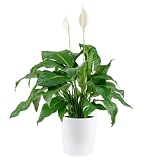
- ELEGANT FLOWERING ROOM DÉCOR: The pure white flowering spathes of the large Peace Lily add a touch of timeless, sophisticated elegance. A gorgeous floor decor piece for a home room or quiet office setting
- BREATHE EASIER WITH A NATURAL AIR PURIFIER: Beautiful Peace Lily Plant helps to filter the air, removing toxins for a healthier indoor environment. Elevate your indoor garden with this air-cleaning houseplant for a fresh home
- CREATE A CALMING SANCTUARY: This beautiful plant is known for its ability to bring a quiet, composed mood to any space, enhancing your sense of peace and wellbeing
- GIFTING FOR ANY OCCASION: This living and thoughtful present is ideal for birthdays, housewarmings, holidays, or just because. Brighten a loved one's day with a beautiful indoor plant
- FRESH PLANT, READY FOR YOUR HOME: Your beautiful, healthy live indoor plant, fresh from our farm, arrives secured in specialized packaging right to your home
After flowering, feed lightly while the foliage is green and actively rebuilding the bulb. A complete fertilizer applied at the product label rate is a reasonable general choice; a soil test is better for plants grown in the garden. Iowa State recommends dilute fertilizer once or twice monthly after bloom, while Kansas State recommends monthly complete fertilizer during summer. Keep fertilizer off the stem and leaves.
Avoid heavy nitrogen applications. Excess nitrogen can produce weak, leafy growth and may aggravate some basal-rot problems. Do not assume that a newly purchased plant needs fertilizer while it is actively flowering unless the product instructions or local extension advice specifically recommends it. The fertilizer cautions are discussed by Penn State’s greenhouse IPM guidance and the Kansas State fact sheet.
As the plant enters dormancy
Continue normal care while the leaves are green. When they begin to yellow and die back naturally, reduce watering. Once the stem is brown and dry, cut it to soil level. The bulb should not remain in saturated soil during dormancy.
Recommended Free Tools
Growing an Easter lily in a container
A container is useful when the garden soil is too wet, the climate is marginal, or you need to protect the bulb from winter cold. Choose a deep container with multiple drainage holes. A shallow pot is a poor choice because L. longiflorum roots develop from both the bulb base and the stem above the bulb.
- Use a free-draining potting medium.
- Keep the medium moist but never wet or stagnant.
- Support tall stems with a discreet stake.
- After the foliage dies back, repot or refresh the container in autumn if needed.
- For reblooming, overwinter the dormant container in a cool, bright, frost-free place rather than a warm living room.
Container culture does not eliminate the need for a cool winter period. The Royal Horticultural Society’s container-lily guidance recommends deep containers and notes that lilies generally need cool winter conditions to flower well.
Independent reader supportYour contribution helps us test, update, and keep practical guides available for everyone.Propagation
Propagation is optional and is more useful for an established, healthy bulb than for a newly purchased forced plant. When the plant is dormant, offsets or bulblets can be separated and replanted. Healthy bulb scales can also be used for propagation.
Growing from seed is slower, and seedlings may not resemble the parent, particularly when the plant is a hybrid. Small offsets, scales, and seedlings can take several years to reach flowering size. The RHS bulb-propagation guide and its Lilium longiflorum profile provide additional propagation information.
Do these 3 things before closing this tab:
1Clear out junk files and repair common Windows errors2Scan for outdated or missing drivers - takes under a minute3Repair Windows errors before they cause bigger problemsTroubleshooting an Easter lily
| Symptom | Likely possibilities | What to do |
|---|---|---|
| Yellow lower leaves | Normal aging, underwatering, root rot, or another stress | Check the soil and roots before adding water. If the soil is wet, improve drainage rather than watering more. |
| Brown leaf tips or margins | Leaf scorch, low fertility, unsuitable soil conditions, or root damage | Review light, drainage, and watering. Do not assume the plant is simply thirsty. See the UC IPM Easter lily guide. |
| Soft bulb or collapsing stem | Bulb, basal, root, or shoot rot | Remove the plant from wet soil and inspect it. Discard a severely rotted bulb and correct the drainage problem before replanting another lily. See Penn State’s Easter lily disease guide. |
| Gray, fuzzy spots on leaves or flowers | Botrytis favored by damp conditions and poor airflow | Improve air circulation, avoid overhead watering, and remove affected flowers and fallen debris. |
| Curled, mottled, or distorted new growth | Aphids or a virus disease | Inspect closely for aphids. Persistent virus-like symptoms are a reason to isolate and remove the plant rather than propagate it. |
| Tall, floppy stems | Insufficient light or wind exposure | Increase light gradually, provide a protected site, and stake the stem. |
| No flowers the following year | Prematurely cut foliage, a depleted bulb, poor light, rot, winter injury, or transplant shock | Leave leaves until naturally dead, maintain moderate moisture during growth, improve drainage, protect the bulb in winter, and allow time for recovery. |
| The pot stays wet for days | Blocked drainage, decorative foil, a heavy medium, or overwatering | Remove the sleeve, verify that drainage holes are open, and let excess water escape. Repot into a free-draining medium if necessary. |
Seasonal care timeline
| Time | Care |
|---|---|
| At purchase and during Easter bloom | Remove sleeves, provide bright indirect light and cool stable temperatures, water only when the surface dries, and remove pollen and spent flowers. |
| Immediately after flowering | Deadhead. Keep the green leaves and continue light, water, and modest feeding. |
| After local frost danger has passed | Harden the plant outdoors for approximately one to two weeks, beginning in bright shade. |
| Late spring through summer | Plant in well-drained soil with the bulb about 6 inches deep, water evenly, mulch, and stake if necessary. A second bloom may occur, but is not assured. |
| Fall | Allow foliage to yellow naturally. Cut the stem only after it is brown and dry. Reduce watering as dormancy begins. |
| Winter | Use mulch in cold climates or move a container to a cool, bright, frost-free place. Protect the bulb from severe cold and wet soil. |
| Following spring and summer | Remove winter mulch gradually as shoots emerge, resume active-growth watering, and expect flowering in summer or late summer if conditions are suitable. |
Should you keep it, plant it, or discard it?
Keep it temporarily indoors if frost is still possible or you want to enjoy the remaining flowers. That is only appropriate in a home without cats or where the plant can be completely inaccessible to them.
Best Value

- About the Plant: Peace Lily, scientific name: Spathiphyllum, is a low-maintenance and popular houseplant. It displays vibrant green leaves and bright white blooms that give off a sweet scent. Peace Lilies make perfect home decor and look beautiful sitting on a windowsill, end table, or bookshelf.
- Air Purifying: Houseplants are well known to be a healthy addition to your home due to their natural air purifying qualities. Many houseplants, including Peace Lilies, have been identified by NASA as able to filter toxins out of the air, allowing you to breathe easy!
- Low Light: Peace Lilies are one of the best plants to grow in an area of low light! They do extremely well with minimal light. A dark corner of a bedroom or hallway is a perfect placement option for a Peace Lily.
- Plant Size: Choose from a 4-inch or 6-inch diameter plant. Height will vary by plant based on pot size. Plant may or may not have blooms at time of shipping. Please note that you will not receive the plant in the photos as each plant is unique.
- Pot: Plant arrives in a 4-inch diameter growers pot made of plastic. This pot has drainage holes and may vary in color. No decorative pot included.
Plant it outdoors if your soil drains well, your climate offers a reasonable chance of winter survival, and you can protect it from severe cold. If your local extension service does not consider Easter lilies reliably hardy, use a deep container that can be overwintered in a cool, frost-free location.
Discard the plant if the bulb is soft, foul-smelling, moldy, or severely rotted, or if the plant has advanced disease. Do not try to save a severely decayed bulb by placing it in another wet pot; fix the underlying drainage problem first.
Frequently Asked Questions
Can an Easter lily stay indoors all year?
It can remain indoors temporarily, but it needs bright light, cool conditions, excellent drainage, and a dormant cool period to have a good chance of flowering again. It is not a good indoor plant for a home with cats because Easter lilies are highly toxic to cats.
Will my Easter lily bloom again next Easter?
Possibly, but not reliably. The commercial plant was forced to bloom on an artificial schedule, and forcing it again indoors requires carefully timed cool storage. Outdoor rebloom in summer during a future season is the more realistic goal.
Should I cut the leaves off after the flowers fade?
No. Remove the spent flowers, but leave all green foliage in place. The leaves photosynthesize and replenish the bulb. Cut the stem to soil level only after it has yellowed, turned brown, and dried naturally.
Why are my Easter lily leaves turning yellow?
Yellow leaves may reflect normal aging, underwatering, overwatering, poor drainage, root rot, or transplant stress. Check the soil moisture and drainage before watering more. Yellow lower leaves alone do not prove that the plant is thirsty.
Are Easter lilies safe for dogs?
The ASPCA lists Easter lily as non-toxic to dogs and horses, but eating plant material can still cause gastrointestinal upset. The severe, potentially fatal kidney toxicity is the urgent risk for cats.
Free tools Windows power users keep installed
One-click scans. No signup required.
Can I plant a store-bought Easter lily straight into full sun?
No. It was grown under protected greenhouse conditions. Place it outdoors in bright shade for two or three days, then increase direct sun gradually over about one to two weeks while protecting it from wind and cold nights.
The Bottom Line
An Easter lily is a true perennial bulb worth trying to save, but treat the florist bloom as a forced, temporary season. Keep the plant cool indoors, water only when the surface dries, preserve every green leaf after flowering, harden it off gradually, and plant the bulb about 6 inches deep in well-drained soil after frost danger passes. Expect a taller summer lily rather than a guaranteed Easter rebloom—and keep the plant completely away from cats.
Quick Recap
Product prices and availability are accurate as of the date/time indicated and are subject to change. Any price and availability information displayed on Amazon at the time of purchase will apply.

