Remove Chinese privet according to its size and setting: pull small seedlings with their root crowns, and cut established shrubs followed immediately by a label-approved stump treatment when appropriate. Foliar or basal-bark treatments can address larger or denser growth, but the product, timing and method must match your site, nearby plants and water restrictions. Recheck the area and treat regrowth and new seedlings.
Confirm that the shrub is Chinese privet
Privet species can look alike, and regional recommendations may group several Ligustrum species together. Before treating, compare the plant with identification guidance from your state or county extension service. Confirm which rules apply in your location, especially if the plants are beside wetlands, streams or ponds.
As an Amazon Associate I earn from qualifying purchases.
Chinese privet is invasive in much of the eastern and southern United States. Dense growth can displace native understory plants and interfere with forest regeneration, so removing isolated plants before they produce seed is worthwhile.
Outdated Drivers Are Slowing You Down
One free scan finds every outdated or missing driver and matches the right update for your exact hardware.Free scan · exact hardware matchPC Slower Than It Used to Be?
A free scan shows the junk files, broken settings and background clutter dragging Windows down - then fixes them in one click.Free scan · Windows 10 & 11Choose a method by plant size and site
| Situation | Practical options | Main limitations and cautions |
|---|---|---|
| Small seedlings | Hand-pull, removing the root crown where feasible; revisit for missed or newly emerged plants. | Plants left behind can mature and produce seed. Disturbed or broken roots may require follow-up. |
| One or a few established shrubs | Cut stems close to the ground and treat the fresh stump only with a product whose label permits that use. | Untreated stumps and large shoots can resprout. Keep herbicide off desirable vegetation and follow all label directions. |
| Large shrubs or dense stands | Foliar, basal-bark or cut-stump treatment, selected for stem size, density, access and non-target risk. | Foliar sprays can contact nearby plants. Basal-bark and cut-stump applications still require the correct formulation, timing and protective measures. |
| Sites near water | Use only a formulation and application method specifically allowed for aquatic or waterside use. | Never assume a land-use product is safe over or near water; the product label and local guidance control. |
No single method is established as universally best. Labor, access, season, plant size, density and the ability to return for follow-up should determine your choice.
#1 Best Overall

- TARGETS HARD-TO-KILL BRUSH: Poison Ivy Killer Plus targets poison ivy, poison oak, blackberry, kudzu, brambles, vines, and more than 70 listed woody and weeds
- PENETRATES & KILLS TOUGH BRUSH: Penetrates leaves and stems, moving through the plant to eliminate roots for lasting control
- EFFECTIVE IN DENSE OVERGROWTH: Designed for outdoor residential areas such as wooded edges, fences, trails, walkways, and around buildings
- VISIBLE RESULTS IN 1–6 WEEKS: This selective systemic herbicide shows visual symptoms such as wilting and yellowing in 1 to 6 weeks after application
- RAINPROOF PROTECTION: Rainproof in only 4 hours
Remove small seedlings by hand
- Work when the soil is moist enough to loosen roots without excessive digging.
- Grip the stem low, close to the soil, and pull steadily rather than snapping the top growth.
- Check that the root crown has come out. If it remains, loosen the soil and remove it where practical.
- Bag or otherwise contain pulled plants so fruit or seed is not redistributed.
- Inspect the area again for seedlings that were hidden or emerge later.
Hand-pulling is intended for young plants. Cutting or mowing mature privet before seed production can reduce dispersal, but a cut mature plant still needs appropriate follow-up to stop regrowth.
Treat established shrubs
Cut-stump treatment
For individual shrubs, cut the stems and apply the chosen herbicide to the freshly cut surface exactly as the product label directs. The treatment must be made within the label’s specified timing window; a delayed application may not work as intended. Prevent contact with desirable plants, wear the required protective equipment and keep people and pets out of the treatment area as directed.
Rank #2
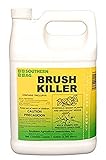
- Size: 1 Gallon
- Brand: Southern Ag
Cut-stump work is often more targeted than spraying foliage because the treated surface is confined to the cut stems. It is still a pesticide application: use only a product registered for the site and privet treatment in your jurisdiction.
What’s actually slowing this PC down?
Pick the symptom - the matching free tool is one click away.
Basal-bark treatment
A label-approved basal-bark application treats the lower stem of an intact shrub. This can be useful where cutting every stem is difficult, but stem size, bark condition, weather and formulation affect performance. Follow the product label rather than transferring a rate or mixture from another state or product.
Rank #3

- SPECIAL FORMULA: Brush Killer Plus concentrated formula eliminates Kudzu, Poison Ivy, Poison Oak, Blackberry, and over 70 other listed weeds and brush when used as directed
- PENETRATES & KILLS TOUGH BRUSH: Special penetrating formula targets listed roots and vine weeds; Use around homes, cabins, buildings, fences, walkways, trails, and wooded areas
- VISIBLE RESULTS IN WEEKS: Weed killer begins working on contact with noticeable results in as little as one week; Provides rainproof protection just 4 hours after application
- TREATS UP TO 4,000 SQ. FT.: Covers up to 4,000 square feet of actively growing listed weeds such as poison ivy and poison oak; Measure using built-in cup, pour in tank sprayer with 1 gallon of water, and spray brush until wet
- GET MORE FROM THE BLUE BOTTLE: If you want to win the battle against brush, look no further than BioAdvanced science-based solutions for weed, grass, and brush control
Foliar treatment
Foliar applications cover the leaves of the target plants and are generally considered for larger numbers of shrubs or dense growth where suitable. They carry a higher risk of contacting desirable vegetation, so avoid windy conditions and use the label’s application instructions, buffers and restrictions. Near streams, ponds or wetlands, use only products and methods permitted for that setting.
Illinois Extension describes active ingredients and application approaches as examples, not universal prescriptions. Mississippi State University Extension likewise lists foliar, basal and cut-stump options and warns that cutting large plants without suitable stump treatment can allow regrowth.
Rank #4

- This brush control herbicide is easy to use
- Kills vines and many hard to control plants
- Prevents sprouting on clean-cut stumps
- Use on non-crop areas like road sides, rangeland, pastures and fences
Plan the work around timing and conditions
- Before seed production: pulling seedlings or cutting mature plants can reduce future seed dispersal.
- When immediate stump treatment is not possible: regional guidance such as Penn State Extension’s management calendar discusses follow-up on sprouts; use the schedule appropriate to your area.
- During suitable application weather: comply with the product label’s temperature, rain, wind and seasonal restrictions.
- When access is limited: choose a method you can safely carry out and revisit rather than treating more area than you can monitor.
Mechanical, cultural and biological alternatives
Repeated cutting or mowing can suppress plants and reduce seed production, but it does not reliably kill established privet by itself. Shading is described as a way to reduce seed production rather than as a stand-alone way to kill the shrub. Mississippi State Extension notes that goats readily graze privet; grazing requires appropriate fencing, animal care and a site where that approach is legal and practical.
Quick wins for a faster PC:
Repair Windows errors before they cause bigger problemsFix Now →Fix the driver behind crashes, sound loss and screen glitchesFind Drivers →Clear out junk files and repair common Windows errorsFree Scan →A University of Arkansas removal demonstration compared pulling with cut-stump glyphosate, cut-stump triclopyr and foliar glyphosate and triclopyr. Its early observations reported pulling as least effective and the other tested methods as more effective during initial data collection. That is a preliminary observation from one demonstration, not a guaranteed ranking for another property.
Best Value

- WHEN TO USE: Use the weed killer sprayer to apply this brush killer to weed and brush foliage, stems and trunks when weeds are actively growing and leafed out
- KILLS POISON IVY & TOUGH BRUSH: Ortho GroundClear Poison Ivy & Tough Brush Killer3 is a weed killer spray that controls over 60 types of listed tough weeds and brush, including poison ivy, poison oak, kudzu and wild blackberry
- HOW TO USE: This 1 gal. container of Ortho GroundClear Poison Ivy & Tough Brush Killer3 weed spray comes with the battery-powered Comfort Wand applicator to accurately target weeds and brush
- WHERE TO USE: Use this poison ivy killer around homes, cabins, buildings, fences and trails; not recommended for use in lawns or gardens with desirable plants
- FAST-ACTING WEED CONTROL: This weed killer spray gets to work immediately to produce visible results in just 1 hour, and is rainproof in 2 hours
Herbicide safety and label checks
- Read the entire current label before mixing or applying a product; the label governs permitted sites, rates, protective equipment, re-entry and disposal.
- Do not copy a concentration or recipe from a different state, formulation or land-use setting.
- Identify nearby desirable trees, shrubs, groundcovers and crops before selecting a foliar or basal method.
- Use aquatic-safe formulations and observe required buffers for applications over or near water.
- Store and dispose of herbicide and contaminated materials according to the label and local rules.
If you cannot identify the plant, select a legal product or protect nearby vegetation and water, contact your county or state extension office before treating.
Monitor after removal
- Mark or photograph treated areas so you can find every stump and edge during later inspections.
- Check for stump sprouts and surviving shoots; spot-treat or remove them using the same label and site safeguards.
- Look beyond the original clump for new seedlings. Birds can disperse privet, allowing isolated plants to appear after the main stand is gone.
- Continue periodic inspections rather than treating once and assuming the site is clear.
- After control, consider regionally appropriate native replacement plants recommended by a local extension office or native-plant nursery. Replanting can occupy open space, but it does not replace monitoring.
Alabama Cooperative Extension emphasizes continued monitoring and spot treatment after control and replanting. Penn State Extension likewise notes that reinvasion can occur and that periodic removal of isolated plants is useful maintenance.
When to hire help
Consider a qualified vegetation-management professional when privet forms a large stand, grows on steep or unstable ground, is intertwined with valuable trees, or lies beside regulated water. Ask how the contractor will protect desirable vegetation, comply with the pesticide label and document follow-up visits.
Quick Recap
Sources for regional guidance
- Illinois Extension, Invasive Privet.
- Mississippi State University Extension Service, Chinese Privet.
- University of Arkansas Division of Agriculture, Invasive Plant Removal Demonstration.
- Alabama Cooperative Extension System, Control Options for Chinese Privet.
- Penn State Extension, Privet.
- USDA Natural Resources Conservation Service, Plant Guide: Chinese Privet.
Product prices and availability are accurate as of the date/time indicated and are subject to change. Any price and availability information displayed on Amazon at the time of purchase will apply.

