Free tools Windows power users keep installed
One-click scans. No signup required.
The safest way to get rid of hornets depends on where the nest is and whether anyone could disturb it. Leave a nest alone when it is well away from people and pets. Call a licensed pest professional for any nest inside a wall, attic, chimney, tree cavity, or the ground; any nest that is high or large; and any situation involving a person with a serious sting allergy. A small, exposed nest that is safely reachable from the ground may be treated at dusk or early morning with a current pesticide label that specifically covers wasps or hornets and the intended site. After the colony is controlled, remove accessible nest material, seal entry points, and eliminate food and refuse attractants.
First: decide whether the nest needs to be removed
Hornets and aerial yellowjackets are predators that help control other insects, and they may also pollinate plants. A nest in a remote tree or at the far end of a property may not justify the risk of disturbing it. Intervention makes sense when the nest is near a doorway, walkway, porch, play area, outdoor dining space, occupied building, pet area, or another place where people are likely to encounter the insects.

As an Amazon Associate I earn from qualifying purchases.
Watch the nest from a safe distance during daylight. Identify the entrance, determine whether the nest is exposed or hidden, and note how close it is to normal foot traffic. Do not poke, shake, tap, spray, shine a light into, or climb toward the nest. A photograph taken from a safe distance can help a local extension office or pest professional identify the insect. Never capture or handle a live stinging insect for identification.
Is it really a hornet?
Every large, flying stinging insect is not a hornet. Common names are used loosely, and identifying the insect changes the safest response.
| Insect or nest type | What to look for | Why identification matters |
|---|---|---|
| Bald-faced hornet | A black-and-white aerial yellowjacket that builds a large, enclosed paper nest in trees, shrubs, or beneath eaves. | The thick, water-resistant paper envelope can make treatment more difficult. Large nests are best handled by a professional. |
| European hornet | A larger wasp often associated with hollow trees, protected aerial locations, wall voids, and other cavities. | A wall-void entrance should not be sealed while the colony is active. Trapped hornets may chew through interior wall coverings and enter the building. |
| Yellowjacket | Depending on the species, the colony may be underground, inside a cavity, or in an aerial nest. Seeing workers in the air does not prove the nest is nearby. | Searching in the wrong place can lead to digging, sealing, or spraying an occupied cavity. |
| Paper wasp | Usually builds an open comb rather than a fully enclosed paper envelope, often under eaves, decks, rafters, or other horizontal surfaces. | Its nest structure and behavior differ from an enclosed bald-faced hornet nest. |
| Honey bee or bumble bee | Bees are not hornets. A honey-bee colony may occupy a wall or other cavity. | Do not automatically spray beneficial bees. A beekeeper or specialized removal service may be able to preserve the colony. |
If the insect may be a honey bee, use a conditional service such as local beekeeper colony removal rather than treating it as a hornet problem. Availability varies by location, and removal from a wall may require both a beekeeper and building repair.
Hornet removal: leave it, treat it from the ground, or call a professional?
| Situation | Safest choice | Reason |
|---|---|---|
| Nest is distant from the house, paths, play areas, and pets | Consider leaving it alone and monitoring from a distance. | Avoiding a harmless nest eliminates the sting risk and protects useful predators and pollinators. |
| Small, exposed nest; reachable from the ground; no allergy concern; people and pets can be kept away | DIY treatment may be possible, but only with a pesticide whose current label covers the pest, location, and application method. | A ground-level exposed nest is less hazardous than a hidden or high nest, but protective equipment and a product label do not eliminate risk. |
| Nest is in a wall, attic, chimney, soffit, tree cavity, or other enclosed space | Hire a licensed pest-management professional. | Treatment can drive insects into the building, and sealing the opening prematurely can trap the colony inside. |
| Nest is underground | Hire a professional rather than digging, flooding, or blocking the entrance. | The nest may have concealed entrances and a large defensive area. |
| Nest requires a ladder, roof access, climbing, or work near electrical or structural hazards | Hire a professional. | A fall or forced retreat can be more dangerous than the sting hazard alone. |
| Large bald-faced nest, heavy activity, public access, children, pets, or a person with a severe sting reaction | Hire a professional and restrict access until the visit. | The colony cannot be safely isolated or approached by an untrained person. |
When a professional is appropriate, look for a licensed pest-management company and verify licensing and insurance under your state or local rules. A qualified technician can identify the species, locate hidden entrances, select an appropriate treatment, protect occupants, and determine whether nest material needs to be removed from a wall void. No honest service should need to promise a universal price, response time, or guaranteed outcome before seeing the site.
Do these 3 things before closing this tab:
1Scan for outdated or missing drivers - takes under a minute2Clear out junk files and repair common Windows errors3Fix the driver behind crashes, sound loss and screen glitchesFor high, hidden, large, indoor, underground, or allergy-sensitive situations, arrange licensed hornet removal instead of buying equipment and trying to make a dangerous nest manageable.
How to treat a small exposed nest from the ground
This section applies only when the nest is small, exposed, safely reachable without a ladder, and located where people and pets can be kept away. If any condition changes, stop and use a professional.
1. Observe during daylight, then wait for lower activity
Use daylight to identify the nest, its entrance, your retreat path, nearby obstacles, and the direction of the wind. Do not approach closely just to inspect it. Treatment is generally performed at dusk or early morning, when fewer workers are active, but the product label controls the permitted timing and method.
2. Read the complete pesticide label
Before buying or applying anything, confirm that the current label specifically covers wasps, hornets, or yellowjackets and the intended location—for example, an exterior nest beneath an eave. EPA pesticide labels are the legal and safety authority for handling, application, reentry, environmental protection, storage, and disposal. Using a pesticide in a manner inconsistent with its label is illegal.
The Tool Desk
Outbyte PC Repair FREEClear out junk files and repair common Windows errorsFree Scan →Outbyte Driver Updater FREEFix the driver behind crashes, sound loss and screen glitchesFind Drivers →An EPA-labeled hornet spray can be a task-enabling option for a genuinely small, exposed nest, but it is not a solution for a nest in a wall, underground, high in a tree, or beside an occupied doorway. Formulations and labels change, so do not choose based only on an old recommendation or a familiar active ingredient.
Rank #2
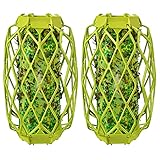
- Eliminate Wasps – VisiLure Traps lure wasps, red wasps, mud daubers, and carpenter bees with appealing colors and a multi-dimensional pattern. Once attracted, they become stuck to the sticky surface and expire.
- Choose VisiLure – The VisiLure TrapStik for Wasps lures insects without odors, chemicals, or wasp sprays. It catches queens and workers, from spring through fall.
- Thoughtful Design – Unique Glue Guards create a barrier around the sticky trap surface to reduce the chances of non-insect catches.
- Prevent Damage – Mud daubers (mud wasps, dirt daubers) and carpenter bees can cause serious property damage. The VisiLure TrapStik can stop this before it starts, without the use of potentially harmful sprays or chemicals.
- Made in the USA – At RESCUE!, our goal is to design, manufacture, and market the safest and most effective pest control solutions available for homeowners. We are proud to manufacture our products in the USA!
3. Control the area and plan an exit
Keep children, pets, visitors, and bystanders away before treatment. Close nearby windows and doors if the label or site conditions require it. Wear the protective clothing specified by the label. A protective bee veil, gloves, and long sleeves may reduce exposed skin during a permitted low-risk inspection or treatment, but protective equipment does not make a large, hidden, or high nest safe for DIY work.
Stand with the wind at your back when the label directs outdoor application, maintain the label’s required distance, and make sure you can leave immediately without passing under the nest or through the colony’s flight path. Never use a ladder near an active nest.
4. Apply only as the label directs
Do not improvise the distance, amount, target, or duration. Some aerosol labels direct the user to treat the nest entrance from a specified distance and then leave the area. Do not stand directly below or in front of the nest, and do not keep spraying simply because individual insects remain visible. The exact label on the purchased product controls.
What’s actually slowing this PC down?
Pick the symptom - the matching free tool is one click away.
Do not spray blooming plants visited by bees, ponds, streams, drains, food-contact surfaces, or occupied areas unless the exact label expressly permits that use. Keep the container in its original packaging, away from heat and children, and follow the label’s storage and disposal instructions.
5. Leave immediately
After application, retreat to a safe location. Do not watch from underneath the nest, approach to see whether the treatment worked, or invite someone else to inspect it. Keep the area closed to people and pets for the label’s stated reentry period, including any requirement to wait until spray has dried.
6. Confirm control before removal
Wait for the product’s required interval and inspect only when there is no remaining activity. If insects are still entering or leaving, do not repeatedly approach and spray outside the label directions. Keep the area isolated and call a professional.
When the nest is completely inactive and can be reached without climbing or disturbing hidden insects, remove it carefully and place it in a sealed bag for disposal according to local requirements and the pesticide label. Removing nest material can prevent surviving pupae from emerging. Washing the attachment area, when safe and appropriate for the surface, may reduce colony odor and discourage returning wasps from rebuilding.
Special cases: wall voids, underground nests, and high nests
Wall voids, attics, soffits, and cavities
Do not seal an active entrance around siding, windows, pipes, soffits, vents, roof penetrations, or other building openings. If the colony is still active, sealing the exterior opening may force hornets into the building or cause them to chew through interior wall coverings.
Rank #3

- Effective and Durable: There are double-entry tunnels on the trap, one on each side, increasing the chance of attracting more insects to the device. These nasty wasps will be attracted by added sugar water and ultraviolet rays at night, producing an irresistible odor, they will be submerged in water or eventually dehydrated
- Solar Panels & Lights: Using solar panels, the bumblebee trap above can be charged during the day and operated at night. The blue ultraviolet light will automatically emit a warm light to catch flying insects in the dark. ***Please note: The Wasp Traps don't contain any baits.***
- Easy to Use: Our Wasp trap is a simple and fast solution to annoying wasps. Basically, add a little sugar water or honey to the trap, and then hang it in the place where there are more insects
- High Quality: Made of PP and stainless steel, not easy to rust and fall off, which will be last for many years
- Environmental & Safe: Greatly simple and safe solution to get rid of annoying and dangerous insects, much more safe and eco-friendly for you and your families playing outdoor
A professional should locate the nest and determine whether treatment, access, removal of nest material, or follow-up exclusion is needed. After the colony is controlled, repair the entry point and inspect the surrounding building envelope for other gaps.
Underground nests
Do not pour gasoline, boiling water, bleach, or other liquids into the entrance. Do not dig, kick, flood, smoke, or block the hole. An underground colony may have more than one entrance and can be disturbed before you know where the workers are. Restrict access and arrange professional treatment.
High nests and nests over occupied areas
Aerosol reach is not a safety measure. If treatment requires a ladder, roof access, climbing, work over a walkway, or standing beneath a large nest, it is not a suitable DIY project. Keep people away and use a licensed professional.
What not to use on a hornet nest
- Gasoline or other fuels: creates a fire, vapor, contamination, and hazardous-waste risk.
- Fire or burning: can ignite siding, eaves, vegetation, roofing, or the nest itself while provoking the colony.
- Boiling water: may burn the person applying it, damage a structure, and fail to reach a protected colony.
- Bleach or homemade mixtures: can create toxic exposure, damage surfaces, and are not a substitute for a labeled treatment.
- Unapproved pesticide combinations: may create a dangerous chemical reaction and violate pesticide law.
- Ladders, poles, or physical shaking: put the person close to an agitated colony and create a fall or escape hazard.
- Bug zappers, ultrasonic devices, essential oils, and repellents: are not proven ways to eliminate an established colony.
Natural does not automatically mean safe or effective. The source-backed choices are avoidance, physical exclusion after control, professional treatment, or a properly labeled pesticide used exactly as directed.
Independent reader supportYour contribution helps us test, update, and keep practical guides available for everyone.How to keep hornets and wasps from coming back
Removing one nest does not guarantee that another will not appear. In cold regions, social-wasp colonies generally begin with an overwintered queen in spring, expand during summer, and die off over winter. The old nest is not normally reused the following year. New queens select nesting sites independently, so prevention should focus on building openings and food sources rather than assuming that one removed nest was the only risk.
Seal entry points—but only after active control
Once the colony is confirmed inactive or has been professionally treated, inspect the exterior for openings around:
- siding joints and trim;
- window and door frames;
- pipes, conduits, and utility penetrations;
- soffits, fascia, eaves, and porch ceilings;
- roof penetrations and attic vents;
- damaged vent or soffit screening; and
- gaps leading into wall voids, crawl spaces, sheds, and other protected cavities.
Use an exterior-rated sealant appropriate for the substrate and compatible backer material for larger gaps. Replace damaged vent or soffit mesh with fine insect screening that does not obstruct required ventilation. Exterior caulk for pest gaps and insect screen mesh are useful exclusion supplies after active control, but they must never be used to close an active hornet entrance.
Remove food and refuse attractants
- Keep outdoor food and drinks covered until they are served.
- Put leftovers away promptly and clean spills from tables, decks, and patios.
- Use garbage containers with tight-fitting lids.
- Clean residue from the outside of trash and recycling bins.
- Pick up fallen or overripe fruit from the ground.
- Keep pet food covered and remove uneaten portions from outdoor areas.
Late-summer and fall activity around refuse often increases as natural food sources decline. Sanitation will not remove a hidden nest, but it can reduce the number of wasps attracted to the places where people eat and work.
Rank #4

- Eliminate Wasps – VisiLure Traps lure wasps, red wasps, mud daubers, and carpenter bees with appealing colors and a multi-dimensional pattern. Once attracted, they become stuck to the sticky surface and expire.
- Choose VisiLure – The VisiLure TrapStik for Wasps lures insects without odors, chemicals, or wasp sprays. It catches queens and workers, from spring through fall.
- Thoughtful Design – Unique Glue Guards create a barrier around the sticky trap surface to reduce the chances of non-insect catches.
- Prevent Damage – Mud daubers (mud wasps, dirt daubers) and carpenter bees can cause serious property damage. The VisiLure TrapStik can stop this before it starts, without the use of potentially harmful sprays or chemicals.
- Made in the USA – At RESCUE!, our goal is to design, manufacture, and market the safest and most effective pest control solutions available for homeowners. We are proud to manufacture our products in the USA!
Inspect early in spring
From the ground, inspect eaves, porch ceilings, sheds, tree cavities, wall penetrations, and other sheltered areas when activity first begins. Repair gaps before they become nesting entrances. If you find a very small exposed nest in a location that can be safely isolated and treated from the ground, prompt action is generally less hazardous than waiting for a mature colony. Do not disturb a nest merely to inspect it.
Use traps cautiously
Traps may catch some wasps, especially around food and refuse, but they usually remove only a small fraction of a colony. They do not replace locating and controlling the nest. The University of Minnesota Extension reports that effective repellents for scavenging yellowjackets are not available; reducing food and refuse attractants is the more dependable prevention strategy.
If someone is stung
Move away from the nest first. For a routine sting, wash the area with soap and water, apply a cold pack, avoid scratching, and monitor the person. Anyone with a history of severe allergic reactions should carry prescribed epinephrine and medical identification.
Use prescribed epinephrine immediately and contact emergency services for breathing difficulty, throat or tongue swelling, widespread hives, faintness, collapse, severe chest symptoms, or symptoms involving more than one body system. The CDC identifies epinephrine as the first-line treatment for anaphylaxis. A person who uses epinephrine still needs emergency medical care, even if symptoms improve.
Antihistamines, ice, vinegar, baking soda, and other home remedies are not substitutes for epinephrine or emergency treatment. If the reaction is worsening or you are unsure whether it is severe, seek urgent medical help.
Common mistakes that make hornet problems worse
- Treating in daylight when many workers are active.
- Standing close to a paper nest and spraying only its outer surface.
- Using a ladder near an active colony.
- Blocking a wall-void entrance before the colony is controlled.
- Assuming an aerial sighting proves the nest is nearby.
- Treating honey bees or bumble bees as hornets without identification.
- Relying on the removal of an old nest to guarantee that no new queen will nest nearby.
- Spraying plants, water, food areas, drains, or occupied spaces contrary to the product label.
- Removing a nest immediately after treatment without following the label’s waiting instructions.
- Continuing to spray because a few insects are visible, even when the label does not direct additional application.
A practical construction-focused checklist
- Keep people away: close access to the affected area and move pets indoors.
- Identify from a distance: note whether the nest is aerial, enclosed, underground, or possibly a bee colony.
- Assess access: if a ladder, roof, wall opening, attic, crawl space, or underground excavation is involved, stop and call a professional.
- Check allergy risk: do not attempt DIY treatment when a severe sting reaction is a possibility.
- Choose the least hazardous response: leave a remote nest alone; otherwise use a licensed professional or a label-compliant ground-level treatment only when the site truly qualifies.
- Wait for confirmed control: follow the pesticide label or the professional’s instructions before approaching or removing anything.
- Repair the building envelope: seal gaps around siding, windows, pipes, vents, eaves, and roof penetrations only after active insects are controlled.
- Remove attractants: secure garbage, clean spills, cover food, and remove fallen fruit.
- Reinspect in spring: look for new access points and small early nests without disturbing them.
Frequently Asked Questions
Can I seal the hole where hornets are entering a wall?
Not while the colony is active. Sealing the entrance can trap hornets and may drive them through interior wall coverings into the building. Have the colony controlled first, then seal the opening and inspect nearby gaps.
Will hornets reuse the old nest next year?
In cold regions, social-wasp colonies generally die over winter and the old nest is not normally reused. However, new queens choose nesting sites independently, so sealing access points and reducing attractants is more useful than relying only on nest removal.
Crashes, No Sound, or Screen Glitches?
Random freezes, missing sound and display glitches usually trace back to one bad driver. Find and replace yours safely.Free scan · under a minuteWindows Errors? Fix Them Before They Spread
Repair common Windows errors and clear accumulated junk for a smoother, more stable PC - no reinstall needed.Free scan · no reinstallDo hornet traps eliminate a nest?
Usually not. Traps may catch some foraging wasps but generally remove only a small fraction of an established colony. They do not replace locating and safely treating the nest.
The Bottom Line
Leave a remote nest alone; call a professional for any hidden, high, underground, large, indoor, or allergy-sensitive nest. Only a small exposed nest that can be treated safely from the ground is a possible DIY project, and the current pesticide label controls every detail. Once the colony is inactive, seal building gaps, improve screening, secure garbage, cover food, and inspect early each spring.
Quick Recap
Product prices and availability are accurate as of the date/time indicated and are subject to change. Any price and availability information displayed on Amazon at the time of purchase will apply.

