Make the house safe before you try to dry it. Keep people out of standing water and electrically hazardous areas, arrange qualified help if re-entry or cleanup is unsafe, then remove water and wet contents, clean visible mould, open up damp spaces and dry them with safe ventilation, fans or a dehumidifier. Aim to dry the house and contents within 24–48 hours where feasible; if that does not happen, treat mould growth as likely and plan a more thorough assessment. This sequence follows U.S. Environmental Protection Agency (EPA) and Centers for Disease Control and Prevention (CDC) guidance; local emergency, electrical, waste and building rules still apply.
The safe order of work after a flood
Floodwater can contain sewage, chemicals and other contaminants. A flooded building can also hide live electricity, unstable structure and damaged gas or heating equipment. The job is not routine household cleaning until those hazards have been ruled out.
As an Amazon Associate I earn from qualifying purchases.
- Check whether entry is safe. Do not touch wet electrical equipment or stand in water near electrical systems. Stop and obtain qualified help if there is structural damage, standing water around electrics, contamination you cannot control or any doubt about safe re-entry. EPA’s Flooded Home guidance explains these hazards.
- Document the loss. When it can be done safely, photograph rooms, water lines, damaged contents and building components before discarding anything. Contact your insurer and keep a dated record of work and disposal.
- Keep vulnerable people away. Children must not take part in disaster cleanup. People with asthma, COPD, chronic lung disease, weakened immune systems or other chronic breathing problems should stay out of mouldy areas; EPA also advises that pregnant people should not participate. See CDC guidance on respiratory health during disaster cleanup.
- Isolate the work zone. Keep unaffected rooms separated with plastic sheeting where practical. Keep the heating, ventilation and air-conditioning (HVAC) system off so debris and mould are not distributed through ductwork.
- Remove water and wet materials. Pump, drain or otherwise remove standing water using methods that are electrically safe. Take out materials and belongings that cannot be cleaned and dried. Move salvageable contents to a clean, dry area only if doing so will not spread contamination.
- Clean visible mould before creating airflow. Gently remove visible mould and wash hard surfaces with water and detergent. Fans can spread mould, so do not point them at untreated visible growth.
- Expose concealed dampness. Open exterior and interior doors, windows, cupboards and built-ins when weather, security and air quality permit. Remove drawers and shelves where possible so air can reach hidden surfaces.
- Dry with safe equipment. Once visible mould has been gently cleaned and electricity is safe, use fans, dehumidifiers or heaters as appropriate. Monitor relative humidity and keep it below 60%, ideally between 30% and 50%, while recognising that a humidity reading does not prove that walls, floors or cavities are dry.
- Repair, assess and only then reoccupy. Do not paint or caulk over mould. The moisture source must be fixed, mould cleaned and materials dried first. Keep HVAC off until cleanup, drying, repairs and any required remediation are complete.
How long do you have before mould grows?
EPA and CDC advise drying the home and its contents as quickly as possible, ideally within 24–48 hours. EPA says to assume mould growth if the building and belongings were not dried in that period. The window is a practical target, not a guarantee: a cool or well-ventilated room may behave differently from a saturated wall cavity, and drying time varies with construction, weather and the amount of water.
Start the clock when water entered, not when cleanup begins. Remove standing water first, then wet contents and materials that are blocking airflow. Continue drying until affected materials are demonstrably dry and any concealed areas have been assessed. A comfortable room or a humidity reading below 60% is not proof that insulation, subfloors, wall cavities or ductwork are dry.
#1 Best Overall

- Semiconductor dehumidifiers use thermoelectric cooling to remove moisture from the air. They create a drier, more comfortable environment by reducing humidity and improving air quality.
- Our home dehumidifier features intelligent auto-shutoff, automatically powering down when the water tank is full. Set it and forget it, knowing your dehumidifier is working efficiently and safely, giving you true peace of mind.
- Our dehumidifier features a captivating 7-color ambient light, allowing you to bathe your room in a spectrum of soothing hues. Choose from a calming blue, energizing green, romantic red, and more – easily select the perfect color to create your desired atmosphere and enhance your living space. Dehumidify in style and set the perfect mood, every time.
- Sleep Mode creates the perfect sleep sanctuary. The dehumidifier's atmosphere lights automatically turn off, and noise fades to a whisper. Experience truly undisturbed dehumidification for a night of perfect rest.
- Elevate your home's comfort and style with our sleek and compact dehumidifier. Designed to seamlessly blend into any space, from the living room and bedroom to the bathroom, basement, and even your RV. Its modern aesthetics and space-saving footprint make it the perfect dehumidification solution for every corner of your home.
EPA’s wording is direct: “Dry your home and everything in it as quickly as you can—within 24-48 hours.” If that target has passed, do not abandon cleanup; use the missed window as a reason to look more carefully for concealed moisture and obtain professional advice where needed.
Before entering: decide whether this is a professional job
Electrical and structural warning signs
- Standing water reaches sockets, appliances, consumer units, boilers, furnaces or other electrical equipment.
- You can smell gas, see damaged fuel lines, hear unusual sounds or see a ceiling, wall, floor or staircase that has shifted or weakened.
- Floodwater may contain sewage, industrial chemicals, fuel or other hazardous substances.
- You cannot identify a safe route in or a safe method of removing water.
Leave the area and contact the relevant emergency service, utility or qualified contractor when any of these conditions exists. Never make an electrical system safe by wading to a switch or handling wet equipment.
When ordinary household cleanup is not enough
Qualified flood-damage restoration or mould-remediation help is appropriate when damage is extensive, contamination is hazardous, mould is widespread, water is inside wall or floor cavities, or HVAC components are affected. Choose a provider that can demonstrate water-damage and mould-remediation training or relevant experience, explain the inspection and drying scope, and assess concealed construction and HVAC rather than simply spraying a surface.
Quick wins for a faster PC:
Clear out junk files and repair common Windows errorsFree Scan →Scan for outdated or missing drivers - takes under a minuteDriver Scan →Repair Windows errors before they cause bigger problemsFix Now →The EPA pages cited here do not establish one universal moisture-meter reading or clearance test for every building. Ask a qualified assessor how they will inspect cavities, verify drying and decide whether ductwork or other systems require specialist work.
Protect yourself and the rest of the house
Minimum protective equipment
For mould cleanup, EPA lists an N95 respirator, protective gloves and goggles without holes. Put them on before entering the work area and replace or clean them according to the manufacturer’s instructions. A respirator is not a substitute for leaving an unsafe or chemically contaminated space.
Rank #2

- 🍀 1657ML Larger Capacity: The water tank of this dehumidifier can hold of water at most 1657ml(58 OZ), you don’t need to pour water frequently and don’t worry about the water overflow or water leaking. Please read the instruction manual before using the product!
- 🍀 Defrosting and Safety Protection: Our dehumidifier is equipped with a defrost technology. It automatically removes frost from the semiconductor to make sure it works well. And with auto shut off protection, if water tank is full or separated, or the dehumidifier tilt or fall down, it will flash a red light to remind you and stop operation timely.
- 🍀 3 Setting Modes with Quiet Operation: There are three setting mode of this dehumidifier: sleep mode, normal mode and performance mode. It won’t produce noise over 40dB in sleep mode, so you can enjoy a peaceful sleeping at night. The normal mode and performance mode are more powerful for daily use.
- 🍀 10 Colors of Night Light and 5 Flexible Timer Options: There are 10 colors atmospheric lighting with clear water tank add unique touch to your life. Choose a timer from 24 hours, 48 hours, 72 hours, 96 hours or continuous operation to free your hands and save energy if necessary.
- 🍀 Stable and Compact Design: With stable and compact unique design, it’s not only suitable for adults, but also practical for the elderly and the children. It can be placed at your bathroom, living room, bedroom and other closed space. The dehumidifier is approved by FCC, CE and RoHS. Don't need to worry about accidents.
Keep contaminated clothing away from clean living areas. Shower and change clothes after leaving a mouldy cleanup area. Wash exposed skin and hands, and prevent children or pets from tracking contaminated material into rooms that were not flooded.
Control cross-contamination
Close doors between the work zone and unaffected rooms where possible, and use plastic sheeting to isolate unaffected areas. Bag or contain debris before carrying it through clean spaces. Keep HVAC off throughout active cleanup and drying until the system and surrounding work are complete; running it can move debris and mould through the building.
Remove standing water and wet contents
Use the safest available method for the amount of water and the contamination involved. A wet/dry vacuum may appear on post-flood supply lists, but electrical safety and the possibility of sewage or chemical contamination govern whether it is suitable. Do not use powered equipment in or near water unless a qualified person has confirmed that the power source and equipment are safe.
Separate contents into three practical groups:
- Can be cleaned and dried: move these items to a clean, ventilated area when doing so does not spread contamination.
- Cannot be cleaned and dried: discard them promptly and record them for insurance before disposal when safe.
- Need specialist assessment: hold items or building components that may contain contamination, have hidden moisture or connect to HVAC or electrical systems until a qualified professional advises.
Do not leave wet contents stacked together. Remove drawers and shelves from cabinets where possible, stand items so air can reach all sides, and keep damp materials from blocking walls and floors that also need to dry.
Clean visible mould before using fans
Clean hard surfaces with water and detergent, and gently remove mould you can see. This initial cleaning step comes before strong airflow because fans can spread mould from untreated surfaces. Work methodically from cleaner areas toward more contaminated ones, keeping debris contained.
Rank #3

- ✔ EASY TO USE: This mini dehumidifier is spill and mess free. Just hang and go! Non-toxic, child and pet safe! Your small rooms will be dry and odor free. Works for areas up to 333 cubic feet.
- ✔ MINI DEHUMIDIFIER GOES A LONG WAY: Super dry dehumidifier unit lasts 20-30 days before recharging the silica gel beads. Absorbing capacity up to 6oz.
- ✔ SMALL, SLEEK DESIGN: This portable small design lets you hang or conveniently place the dehumidifier anywhere to fight pesky humidity! Cars, closets, boats, cabinets, gun safes, and even gym bags! A very convenient cool gift for everyone!
- ✔ 100% CORDLESS DEHUMIDIFIER: Moisture out: Cords out! No cables or batteries required. Just charge your device and say bye-bye humidity! Renewable and rechargeable moisture absorber. Lasts up to 4 weeks before recharge.
- ✔ SATISFACTION : SUPER DRY ODOR-FREE LIFE! Our dehumidifiers are top quality! Super durable and reliable. Comes with an industry-leading 5 year so you can get rid of moisture and not worry about mold or leaks!
Never mix cleaning products. CDC specifically warns that bleach and ammonia can create toxic vapours. Use one product at a time, follow its label and provide safe ventilation. Cleaning is not complete if the moisture source remains; mould can return when dampness is left in the structure.
Free tools Windows power users keep installed
One-click scans. No signup required.
Do not paint or caulk over mould. CDC states that “Painting or caulking over mold will not prevent mold from growing.” Covering a stain before fixing moisture hides the condition without removing it.
Open up hidden damp areas
Once entry and weather conditions are safe, open outside doors and windows, interior doors and cabinets. Remove cabinet drawers and shelves where possible. These actions expose damp surfaces and let air reach places that otherwise stay wet.
Look beyond the visible water line. Water can remain under floors, behind skirting, inside wall cavities, beneath cabinets and in insulation. The official guidance does not provide a single homeowner test that proves those spaces are dry. If you suspect water inside a cavity, under a floor or in HVAC, arrange a qualified assessment rather than sealing the area or relying only on room humidity.
Fans or a dehumidifier: which should you use?
EPA identifies fans, dehumidifiers and heaters as possible drying aids when power is available and safe. Neither device removes the need to extract standing water, clean visible mould or open concealed areas. Use fans only after visible mould has been gently cleaned.
Rank #4
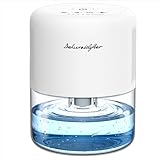
- [Gentle Control, Low Energy] Unlike high-power dehumidifiers that focus on rapid moisture reduction, this unit features a gradual dehumidification approach. With its relatively gentle humidity adjustment rate, it helps reduce potential discomfort caused by significant humidity changes in a short period, making it ideal for those who prioritize stable indoor humidity. Compared with some high-power devices, it consumes less energy and produces less noise from frequent start-stops, making it a practical solution for home humidity management.
- [Compact & Portable for Small Spaces] This compact and portable home dehumidifier is designed for use in a variety of small indoor spaces. Weighing only 2.56 lbs and measuring just 5.91" (D) × 8.46" (H), it fits easily into small areas where humidity control is needed. Ideal for maintaining a comfortable and dry environment in confined or humid spaces.
- [Auto Defrost & Auto Shut-off] Enjoy worry-free operation with built-in safety and convenience features. The auto defrost function prevents frost buildup, ensuring continuous and efficient performance even in cooler temperatures—perfect for basements or winter use. The auto shut-off prevents overflow when the tank is full, detached, tilted or fallen, preventing spills and protecting the device. Keep your space comfortably dry without the need for constant monitoring.
- [4 Time Setting & 3 Modes] Customize your comfort with 4 timer settings (Continuous/24H/48H/72H) to meet your requirements and reduce energy waste. Choose from 3 smart modes(Sleep, Auto and Performance) to adapt to changing humidity and room conditions. Whether you're relaxing, sleeping, or dealing with extra moisture, there’s a mode that fits your needs.
- [10 Colorful Lights & 3 Brightness Levels] Create the perfect ambiance with 10 soothing light colors and 3 adjustable brightness levels. Whether you prefer a soft nightlight for sleep, a warm glow for relaxation, or vibrant colors to liven up your space, this feature helps you set a cozy, personalized atmosphere.
| Drying aid | Best use | Conditions and limits |
|---|---|---|
| Fans | Move air across cleaned, wet surfaces and through opened rooms or cabinets. | Require safe electricity and suitable airflow. They can spread mould if pointed at untreated visible growth. |
| Dehumidifier | Remove moisture from enclosed indoor air after water removal and initial cleaning. | Use with safe power and monitor humidity. EPA supports dehumidifiers but does not specify a universal capacity, room-size formula, model or price. |
| Heater | Provide controlled warmth as part of a drying plan where equipment and fuel are safe. | Do not use as a shortcut around electrical, gas, ventilation or contamination hazards. Warm air alone does not prove that concealed materials are dry. |
For a limited, safe drying job, choose between fans and a dehumidifier by considering room size, available safe electricity, how much moisture must be removed and whether visible mould has already been cleaned. In many situations, airflow and dehumidification work together: fans move moisture off surfaces while the dehumidifier removes it from the air. Keep doors and windows configured consistently with the drying plan; opening everything is not automatically better in humid or wet weather.
Monitor humidity without mistaking it for a clearance test
EPA advises keeping indoor relative humidity below 60%, ideally 30–50%. Use this as an indoor-air target while drying, not as proof that the building fabric is dry. A room can meet the target while water remains inside a wall, floor, cupboard or duct.
Continue checking rooms and concealed locations for dampness, odour, staining or renewed growth. If humidity will not fall, rises again after equipment is removed, or differs sharply between rooms, stop treating the problem as a simple surface cleanup and obtain an assessment of the moisture source and hidden materials.
Independent reader supportYour contribution helps us test, update, and keep practical guides available for everyone.Should you turn on heating or air conditioning?
Do not use the HVAC system during cleanup. EPA advises keeping it off so debris and mould are not spread through the system. Leave it off until cleanup, drying, necessary repairs and any required remediation are complete.
Crashes, No Sound, or Screen Glitches?
Random freezes, missing sound and display glitches usually trace back to one bad driver. Find and replace yours safely.Free scan · under a minutePC Slower Than It Used to Be?
A free scan shows the junk files, broken settings and background clutter dragging Windows down - then fixes them in one click.Free scan · Windows 10 & 11Water inside ducts, air handlers or other HVAC components needs qualified evaluation. Duct cleaning is complicated, and the cited EPA guidance does not offer a universal homeowner procedure for deciding that a flooded system is safe to run. Have the system inspected before restarting it, especially when floodwater reached the equipment or ductwork.
Best Value
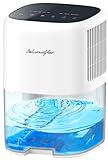
- 🍃Advanced Small Dehumidifier for Home: Designed for lasting home use, our bathroom dehumidifier works gently and steadily to maintain a balanced humidity level. The large 44 OZ (1.3L) water tank minimizes emptying frequency. Suitable for dorm room, camper, apartment, room, office and living room. No more dampness-just fresh, comfortable air everywhere
- 🍃Auto Shut-off and Auto-Defrost: Our small room dehumidifier automatically stops and alerts you with a flashing red light when the tank is full, giving you peace of mind when you're not home. In lower temperatures, the auto-defrosting system activates to prevent frost buildup, ensuring longer product life and efficient operation
- 🍃5 Timer Settings and 3 Working Modes: Choose from 24H/48H/72H/96H automatic shut-off timers or continuous operation. Select between 3 modes (Sleep, Normal, or Performance) to match your needs. In sleep mode, our quiet dehumidifiers operate below 28dB, ensuring peaceful rest while maintaining fresh air all night
- 🍃10 Colorful Night Lights and 3 Brightness Levels: Set the mood with soft RGB lighting! Featuring 10 calming colors and 3 adjustable brightness levels, this dehumidifier for small rooms also serves as a soothing night light. Suitable for nurseries, meditation spaces, or creating a relaxing ambiance in any room. It's not just practical-it's a beautiful addition to your home
- 🍃Compact Design and Certified Safety: Featuring a compact size of 6.56" x 4.94" x 9.29", it fits easily in any room. With FCC, CE, UKCA, and RoHS approvals, our safe dehumidifier meets rigorous international standards, giving you peace of mind for your home and family
What should you throw away after floodwater gets inside?
Discard items that cannot be cleaned and dried. The decision is about whether an item can be thoroughly cleaned, dried and made safe, not whether its surface looks acceptable after a quick wipe. Keep a photograph and description for insurance before disposal whenever that can be done without entering an unsafe area.
Do not carry contaminated items through unaffected rooms if you can avoid it. Contain debris, protect the route and follow local waste-disposal requirements, which may be stricter for sewage- or chemical-contaminated material. When an item’s construction or contamination makes the decision unclear, ask a qualified restoration professional rather than guessing.
How to know when drying is complete
There is no single EPA or CDC drying duration for every house, and the cited pages do not establish one universal moisture-meter threshold for reopening. Before restoring finishes or moving people back into affected rooms, confirm that:
What’s actually slowing this PC down?
Pick the symptom - the matching free tool is one click away.
- The water source has been stopped and damaged utilities or structure have been assessed.
- Standing water and materials that cannot be cleaned and dried have been removed.
- Visible mould has been cleaned from hard surfaces, with no paint or caulk used to conceal it.
- Wet areas have been opened where safe, including cabinets and removable drawers or shelves.
- Humidity is being controlled below 60%, ideally 30–50%, while concealed materials are separately checked.
- Any wall cavities, under-floor spaces, insulation or HVAC affected by water have been assessed by someone qualified to address them.
- HVAC remains off until cleanup, drying, repairs and remediation are complete.
If any of these checks cannot be satisfied, delay reoccupation of the affected area and obtain qualified advice. A dry-looking surface is not enough when water may be trapped behind it.
A practical first 48-hour checklist
| Time or stage | Priority action | Reason |
|---|---|---|
| Before entry | Check electricity, structure, sewage and chemical hazards; arrange qualified help if unsafe. | Floodwater and damaged systems can make entry or cleanup dangerous. |
| As soon as safe | Photograph damage, contact the insurer, isolate unaffected rooms and keep vulnerable people out. | Preserves records and limits exposure and cross-contamination. |
| Immediately after | Remove standing water, wet contents and materials that cannot be cleaned and dried. | Reduces the moisture available for mould growth. |
| Before airflow | Clean visible mould on hard surfaces with detergent and water; do not mix products. | Fans can spread untreated mould. |
| During drying | Open safe access points, use fans or a dehumidifier, and monitor humidity below 60%, ideally 30–50%. | Exposes damp areas and removes moisture from surfaces and air. |
| Before restoration | Fix the moisture source, assess concealed areas and keep HVAC off until work is complete. | Prevents concealed dampness or contaminated air distribution from being covered up or circulated. |
When to stop and call a qualified professional
Get professional help rather than extending a do-it-yourself cleanup when the water is contaminated, the affected area is extensive, mould is widespread, safe electricity is unavailable, structure is damaged, or moisture has entered cavities, under floors or HVAC. Also seek help when humidity remains high despite active drying, mould returns after cleaning, or you cannot determine whether materials are actually dry.
Ask prospective contractors what they will inspect, how they will isolate the work area, how they will dry and verify concealed materials, and how they will handle HVAC and contaminated waste. A credible scope should address the moisture source and affected building materials, not just apply a surface treatment.
Quick Recap
Official guidance
- U.S. EPA: Flooded Home — safety, 24–48-hour drying target, protective equipment, humidity and HVAC precautions.
- U.S. EPA: Flood Cleanup to Protect Indoor Air and Your Health — opening damp areas, cleaning, airflow and indoor-air precautions.
- U.S. EPA: Flood Cleanup Infographic — concise cleanup sequence and protection advice.
- CDC: 8 Tips to Clean up Mold — cleaning, product-mixing and paint-or-caulk warnings.
- CDC: Respiratory Health During Disaster Cleanup — people who should avoid mould cleanup and respiratory protection considerations.
Product prices and availability are accurate as of the date/time indicated and are subject to change. Any price and availability information displayed on Amazon at the time of purchase will apply.
Recommended Free Tools

