Free tools Windows power users keep installed
One-click scans. No signup required.
Start a dated before-and-after record, preserve every communication and expense, and report changes promptly. Photograph or video the property before work starts, log each new or worsening condition during the project, and keep the original files with notes, receipts and inspection records. This creates a clear timeline for a contractor, insurer, building professional or regulator to review.
Good records describe what changed; they do not, by themselves, prove which project caused a crack, vibration effect, leak or business interruption. Coverage, notice requirements, professional licensing and dispute procedures depend on your policy and location, so use this routine alongside local advice.
As an Amazon Associate I earn from qualifying purchases.
What a useful construction-impact record must show
A reviewer should be able to answer five questions without guessing:
- What was the condition before work? Existing cracks, stains, settlement, worn finishes and prior repairs need to be visible and described.
- What changed, and when did you first notice it? A chronological log is more useful than a folder of undated images.
- Where is the impact? Identify the room, elevation, floor, unit, equipment area or business function, and include a wide view that locates each close-up.
- What did you do about it? Keep notices, inspection requests, temporary-protection steps, repairs and responses.
- What did it cost? Preserve invoices and receipts for inspections, protection, repairs, relocation and other connected expenses.
Use the same labels throughout: for example, “Kitchen—north wall—above window—Item K-03.” Put that label in your log and in the image filename or a note beside the image. Consistent identification prevents confusion when several rooms or elevations look similar.
#1 Best Overall

- 13 ft. Of reach*: allows for easy measurements when working alone (*based on maximum extension of average professional user)
- Compact size: easy to grip and store in any tool belt
- Easy grip design: extensive rubber overmold provides a comfortable grip and impact resistance
- Easy read fractions: fractions printed on the blade in alternating colors and heights for quick, easy measurements
- Includes: (1) CMHT37443S Tape Measure
Before construction: create a dated baseline
Make the baseline before demolition, excavation, piling, heavy deliveries, structural work or vibration begins. If work is already underway, create the baseline as soon as possible and state that it is a post-start record.
Photograph and video systematically
- Walk through every room and business area, then inspect exterior walls, foundations that are visible, ceilings, floors, doors, windows, stairs, driveways and outbuildings.
- Take a wide image from the doorway or another fixed position so the location is clear.
- Take medium views showing the wall, ceiling or floor section and nearby reference points.
- Take close-ups of each crack, stain, gap, distortion or damaged finish. Include a ruler or measuring tape only when scale is useful; do not obscure the condition.
- Record a slow video walk-through when it helps show alignment, sticking doors, rattling fixtures or the relationship between several defects.
Use a phone you already have, keep the original files, and avoid editing or overwriting them. Enable the device’s date and location information if appropriate, but do not rely on metadata alone; write the date and location in your log. Return to the same viewpoints later so the images are genuinely comparable.
Describe existing conditions honestly
In dated notes, record pre-existing cracks, water marks, movement, uneven floors, patched areas and previous repairs. Describe appearance rather than assigning blame: “hairline diagonal crack, approximately 180 mm long, above the living-room door” is stronger than “contractor damage.” Note whether a condition was repaired, stable or already changing before the project.
What’s actually slowing this PC down?
Pick the symptom - the matching free tool is one click away.
Collect relevant invoices, prior inspection reports, maintenance records, photographs and warranties. For a business, include equipment service records, fit-out plans and prior inventories that help establish the condition and value of affected assets.
Check insurance before your own work starts
For a home renovation or extension in New South Wales, government guidance advises notifying the home insurer in writing before work and checking whether the policy applies. That is a location-specific example, not a universal rule. Elsewhere, read the policy’s notification, renovation, vacancy, mitigation and proof-of-loss provisions and ask the insurer what it requires before work begins.
During construction: log every new or worsening impact
Make an entry when you first notice a condition and whenever it changes. Do not wait for a dramatic failure. A small crack that lengthens, a door that begins to bind or recurring dust intrusion can be important parts of the timeline.
Rank #2

- 2 Pack Soft Fashion Measuring Tape Set. Double sided, 60 inch / 150 cm, portable,durable tape measure. Small and light pocket size measuring tape.
- Easy to Read and Accurate Measurements. The tape measure has accurate, large and clear markings in both inches and centimeters, easy and convenient to read. Wide Application on Home Office School Supplies: Cloth tape measure; body tape measure, sewing tape measure, measuring tape for body, waist tape measure, tailor tape measure. Great measuring tape for body, sewing, tailoring, weight loss, ordering clothes online, waist measurement or measuring any curved surface.
- NOTE: The black tape measure is retractable. There is a retract button in the center, just press on the button when pulling the tape out or retracting the tape back into it, or there will be loud noise.
- Package includes one soft fashion pink tape measure and one retractable black tape measure. Perfect multipurpose measuring tape for body fabric sewing tailor cloth knitting craft measurements. Great gift idea for family friends coworkers seamstress. (Retractable Black Measuring Tape, Size 2 x 2 x 0.5 inches, weight 0.7oz, portable and easy to carry or put into your bag.)
Use one chronological entry for each observation
Include:
- the date and approximate time noticed;
- the exact location and your item label;
- a neutral description of what you saw, heard, smelled or felt;
- dimensions when relevant, such as visible length or gap width;
- the nearby construction activity or weather, stated as an observation rather than a conclusion;
- photograph or video filenames;
- whether the condition is stable, worsening or not yet rechecked; and
- the action taken and whom you notified.
Measurements can help an adjuster describe the quantity of repair work, but a measurement alone does not establish when the condition began or what caused it. Use a basic measuring tape for repeatable dimensions; do not present it as a structural test.
Compare before, during and after
| Comparison | What to record | Why it helps |
|---|---|---|
| Before work | Condition, location, prior repair and baseline image | Separates existing conditions from later observations |
| During work | First-noticed date, activity observed, change in appearance or function | Builds a time sequence without assuming causation |
| After work or pause | Current condition, temporary measures, inspection findings and repair status | Shows whether the impact stabilized, continued or was repaired |
| Affected area versus nearby comparison area | Same type of finish, fixture or surface where no change is observed | Provides context for the condition without claiming a scientific control |
Keep the log in a format that preserves its history. If you use a spreadsheet, do not delete earlier entries; add a new dated row when information changes. Back up the folder in two locations.
How to take evidence-quality photos and video
Photographs are most persuasive when someone unfamiliar with the property can orient themselves and see scale. For each condition, make a short sequence: wide location, medium context and close detail. Photograph the same feature from the same angle at later dates.
- Clean the camera lens and use adequate light without casting a misleading shadow.
- Keep the image level where possible; include a door, window, corner or other fixed reference.
- Use a ruler or tape only when it adds useful scale, and photograph the scale clearly.
- Do not draw on, enhance or filter the original. If you annotate a copy, preserve the untouched original beside it.
- For video, state the date, location and direction of travel at the beginning, then move slowly.
- Photograph contents, labels, serial numbers and surrounding areas when equipment or stock is affected.
Photograph or video before cleanup or repair when it is safe. If water, debris or an unstable area creates an immediate hazard, protect people first and document the condition as soon as reasonably possible afterward.
Keep a communication and expense file
Create a separate folder or binder for calls, letters, emails, notices, invoices and receipts. California’s Department of Insurance Residential Property Claims Guide, revised February 28, 2025, states: “Keep a log of all phone calls and correspondence, and make copies of all correspondence you send to, or receive from, your insurance company.”
Do these 3 things before closing this tab:
1Repair Windows errors before they cause bigger problems2Scan for outdated or missing drivers - takes under a minute3Clear out junk files and repair common Windows errorsCall and meeting log
For every conversation, record the date, time, person’s name, role, organization, contact method and a factual summary. Note promises, requested documents, inspection dates and your next action. After an important call with a contractor, insurer or adjuster, send a short email confirming your understanding and keep the sent message and any reply.
Rank #3
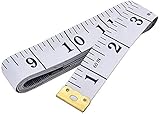
- Measuring range: 0 to 60 inches and 0 to 150 centimeters. There is a centimeter scale on the back, which is accurately printed in inches and centimeters. Both sides can be measured according to your requirements. You can put one in your pocket or backpack without taking up too much space
- Great Material: Tailor Vinyl tape measure won't stretch or deform, provides superior measurement consistence; Soft tape measure, a flexible and portable tape measure, made from soft plastic material, white color
- Operate and Read: Black markings on bright white tape is big enough for you to read, the tape has metal tabs on each end of the cloth tape measure to butt-up against the item your measuring; The metal ends also can prevent fraying
- Wide Application: Cloth tape measure; body tape measure,sewing tape measure,measuring tape tailor. Good sewing tool, accurate tape measuring for sewing, tailoring, body, waist measurement or measuring any curved surface. can provide you accurate measurements, suitable for a seamstress, a crafter, a quilter or whoever just need a flexible measuring tape
Receipts and related costs
Save itemized receipts for inspections, temporary protection, drying, emergency trades, repairs, storage, relocation, cleaning, replacement items and other expenses you believe are connected to the impact. Write the affected location and reason on the receipt or in a linked expense log. Keep proof of payment as well as the invoice. Do not assume an expense is covered merely because it is documented; ask the insurer or adviser how it should be submitted.
Business claim records
Pennsylvania’s Insurance Department advises business claimants to keep records of the people they speak with and save receipts, along with photographs or video taken before cleanup or repair. Add a list of affected premises, contents and operations. Preserve purchase records, inventory counts, job schedules, cancelled appointments, customer notices, payroll or temporary-labor records and other documents that show an operational effect. Separate ordinary business fluctuations from costs you attribute to the incident, and explain the basis for each figure.
Protect the property without destroying evidence
Take reasonable temporary measures to prevent further damage when safe: isolate a leak, cover an opening, secure loose material or move contents away from water. Keep receipts and photograph the temporary condition and the measure taken.
Quick wins for a faster PC:
Repair Windows errors before they cause bigger problemsFix Now →Fix the driver behind crashes, sound loss and screen glitchesFind Drivers →Clear out junk files and repair common Windows errorsFree Scan →Do not make extensive permanent repairs before the insurer or its adjuster has had a reasonable opportunity to inspect, unless delay would endanger people or cause substantially more damage. Ask what inspection and documentation it requires. California guidance also advises not discarding damaged items until the adjuster says they may be discarded. If disposal is unavoidable for health or safety, photograph the item thoroughly, record why it had to go and retain samples or identifying information where practical.
Notify the contractor and insurer promptly
Send a factual notice as soon as you have identified a concern. State the property address, affected location, date first noticed, current condition, immediate safety issue if any, and the inspection or written response you are requesting. Attach a small, clearly labelled set of dated images rather than an unstructured camera roll. Keep proof of delivery and all replies.
Notify the insurer through the channel specified by the policy and ask which forms, estimates, records and inspections it needs. A contractor’s responsibility and an insurance policy’s coverage depend on the contract, policy wording, facts and local law; photographs alone cannot decide either question.
Rank #4

- Mr. Pen tape measure is an essential tool for anyone from homeowners and interior designers to professional handypersons, carpenters, metal or woodworkers, and architects.
- This retractable tape measure is perfect for anyone who needs to take quick, accurate measurements. The casing is made of a top-grade rubberized material that is conveniently shock-absorbent, making it durable and long-lasting.
- The tape measure has a length of 25' and features both metric and imperial measurements, including inch, cm, and mm, making it perfect for professional carpenters.
- The hook slot can be latched onto a protruding nail or screw head, which will hold the tape in place more steadily. Extend the blade, use the thumb lock to stop where you need it, and unlock the thumb to retract the blade.
- The belt clip on the back of the case allows hooking the tape measure conveniently onto a belt, tool belt, or pocket.
Suggested factual notice
Subject: Property condition observed at [address]—inspection requested“On [date], I observed [neutral description] at [specific location]. The condition was [not present/not known to be present/worse than recorded] in my [baseline date] record. Attached are images IMG_001–IMG_004 taken on [date]. Please confirm receipt and propose an inspection date. I am taking the following temporary safety measure: [measure].”
Use actual names and dates in the message. Keep allegations, speculation and threats out of the initial notice; they can make the factual record harder to evaluate.
Prepare for an inspection or damage assessment
Give the inspector an indexed package rather than handing over an unsorted archive. Prepare:
- A one-page timeline showing the project start, relevant activities, first observation, notices, inspections, temporary measures and repairs.
- A floor plan or site sketch with item labels and arrows to affected locations.
- A room-by-room or area-by-area list of observed conditions, dimensions where relevant, photos and current status.
- The baseline images, subsequent images and original files, grouped by item label.
- Prior invoices, inspection reports, maintenance records and repair history.
- Communication logs, notices, responses and inspection notes.
- Receipts and an expense summary with supporting proof of payment.
- For a business, a separate operational-impact schedule covering affected equipment, stock, access, closures, relocation and extra costs.
California describes a damage scope as considering the degree of damage, material quality and workmanship, and measurements needed to determine quantities. Provide observations and records; let the appropriately qualified professional determine what additional testing or analysis is justified.
Independent reader supportYour contribution helps us test, update, and keep practical guides available for everyone.When technical help is appropriate
Seek prompt local help for significant structural movement, unstable masonry, major settlement, recurring water intrusion, hazardous dust, electrical risk or a condition that is worsening. A building inspector, structural engineer or other qualified building professional should have credentials and experience relevant to the problem and jurisdiction. Ask for a written scope that distinguishes observed facts, tests performed, opinions and limitations.
Outdated Drivers Are Slowing You Down
One free scan finds every outdated or missing driver and matches the right update for your exact hardware.Free scan · exact hardware matchPC Slower Than It Used to Be?
A free scan shows the junk files, broken settings and background clutter dragging Windows down - then fixes them in one click.Free scan · Windows 10 & 11Independence matters when the cause or repair is disputed. Ask who is paying, whether the professional is also bidding the repair, what records they will review and what the report will and will not establish. The source material does not validate any particular vibration, settlement or crack-monitoring method, so do not treat a device reading or a single visit as conclusive proof of causation.
Best Value

- Tape measure with MID accuracy and both inch and metric scales; measures up to 16 feet (5 meters)
- Self-locking mechanism with push button release allows inner tape to be smoothly extended and retracted
- Heat-treated spring ensures long-lasting performance; anti-skid ABS and soft rubber exterior for impact protection
- Belt clip and comfortable wrist strap for convenient carrying and easy access
- Product measures 3.43 x 2.83 x 1.69 inches
Insurance disputes and local pathways
If a settlement or coverage decision is disputed, first request the insurer’s position and the policy provision it relies on, then provide the missing records or a written explanation of disagreement. A licensed public adjuster may be an option in some jurisdictions; Washington’s insurance regulator describes that possibility. Check local licensing, fees, contract terms and conflicts before hiring one. A public adjuster represents the policyholder in the claim and is not a structural expert.
Building-dispute procedures are also local. New South Wales government guidance encourages prompt discussion with a builder or tradesperson and dated written confirmation, and provides a government dispute pathway for eligible matters. That process does not automatically apply elsewhere. Check your local building regulator, insurer, contract and limitation or notice rules before assuming a particular form or deadline is required.
Common documentation mistakes and their fixes
| Mistake | Why it weakens the record | Fix |
|---|---|---|
| Only close-up, undated photos | The reviewer cannot locate or sequence the condition | Add a wide context image, item label and dated log entry |
| Editing or deleting originals | It becomes difficult to verify what was captured | Keep untouched originals and annotate copies only |
| Waiting until the end of the project | First-noticed timing and progression are lost | Record each new or worsening observation promptly |
| Calling without a written follow-up | Key commitments and dates may be disputed | Send a concise confirmation email and retain the reply |
| Repairing everything before inspection | Evidence of the original condition may disappear | Take photos first, use reasonable temporary protection and ask about inspection |
| Discarding damaged items immediately | The adjuster may be unable to examine them | Preserve them when safe, or document why disposal was necessary |
| Stating a cause as a fact | It confuses observation with technical opinion | Describe the condition and timing; obtain qualified analysis if needed |
| Mixing business losses with ordinary trading results | The claimed effect cannot be traced to the event | Keep a separate operational-impact schedule and supporting records |
A practical 24-hour and weekly routine
When you first notice a change
- Check for immediate danger and take reasonable protective action.
- Photograph or video the condition before cleanup or repair when safe.
- Create a dated log entry with location, description and dimensions if useful.
- Preserve the original files and link their filenames to the entry.
- Notify the contractor and insurer through the required channel.
- Start an expense entry for every related cost.
Once each week while work continues
- Repeat the baseline viewpoints and inspect previously labelled items.
- Update each item as stable, improved, worsened or repaired.
- Back up photos, videos, correspondence and the expense file.
- Review unanswered requests and send a dated follow-up.
- Update the business operations schedule if access, equipment or trading changes.
This routine produces a readable record without requiring specialized equipment or a universal form.
Frequently Asked Questions
Do photographs prove that construction caused my crack or damage?
No. Dated photographs and notes show condition and timing, but they do not alone establish causation. A qualified local building professional may be needed for a technical opinion, and responsibility also depends on contracts, policy wording and local law.
Should I repair construction-related damage before an insurer inspects it?
Take photographs or video first and use reasonable temporary measures to prevent further damage. Avoid extensive permanent repairs until the insurer has had a reasonable opportunity to inspect, unless delay would threaten people or property. Ask the insurer what it requires.
What should a business include in its construction-impact file?
Keep the same baseline, condition, communication and receipt records as a homeowner, plus affected inventory and equipment lists, access or closure dates, relocation and temporary-labor costs, customer or job impacts, and documents supporting any claimed operational loss.
Quick Recap
Product prices and availability are accurate as of the date/time indicated and are subject to change. Any price and availability information displayed on Amazon at the time of purchase will apply.
The Tool Desk
Outbyte PC Repair FREEClear out junk files and repair common Windows errorsFree Scan →Outbyte Driver Updater FREEFix the driver behind crashes, sound loss and screen glitchesFind Drivers →
