Free tools Windows power users keep installed
One-click scans. No signup required.
There is no reliable one-size-fits-all price for solar roof tiles. The installed cost depends on your roof’s area and shape, how much of it is active photovoltaic tile, electrical and battery equipment, local labor, permits, and the condition of the existing roof. A manufacturer’s official support material directs customers to an estimate based on the selected system details rather than publishing a universal installed price. The practical way to judge the investment is to obtain an itemized quote and compare it with a conventional reroof plus rooftop solar using identical assumptions.
What you are paying for
Solar roof tiles combine a weatherproof roofing surface with photovoltaic modules. They replace some of the roof covering, while non-generating tiles complete the roof where solar production is not practical. The project can therefore include both a roofing contract and a small power plant: structural preparation, underlayment, flashing, electrical equipment, inspections and utility interconnection all affect the final price.
As an Amazon Associate I earn from qualifying purchases.
Tile output is a rating, not a project estimate
The Solar Roof design and construction guide states that a photovoltaic tile produces 72 watts at standard testing conditions (STC): 77°F (25°C), irradiance of 1,000 W/m² and an air mass of 1.5. Real roofs do not operate continuously at those laboratory conditions. Orientation, pitch, shade, temperature, soiling, wiring losses and local weather determine annual production. A quote should show the planned active-tile area, system capacity and modeled annual kilowatt-hours rather than multiplying 72 watts by every tile on the roof.
Why a current price cannot be stated as a single number
Official product support material says the estimated purchase price is calculated from the system details selected for a particular home. Those details can change substantially between two houses in the same town. A simple roof with large, unshaded planes may need fewer labor-intensive cuts and flashings than a roof with several hips, valleys, dormers or skylights. A roof that needs replacement immediately has a different economic comparison from one that could safely carry panels for another decade.
#1 Best Overall

- Extremely Flexible: Update to latest version size: 36.22inch*23.22inch*0.11inch/920*590*3MM, The minimum radius of the arc that a 100 watts flexible solar panel can reach is 45cm (17.7 in). It is capable of meeting a wide range of applications where standard solar panels can be inconvenient to mount, suitable for off-grid applications that include trailers, marine, boats, cabins, tents, cars, trucks, yachts, RVs, campervans, caravans, sheds, residential rooftop, home garden outdoor, or any other irregular surface.
- Lightweight & Easy to Install: It is only 0.1 inches in height and weighs only 4.4LB (2KG), the solar panel is easy to transport, install, hang and remove. The metal pre-drilled holes and PV solar connectors help you install easily and quickly.
- 9 Busbars Solar Cell, High Conversion Efficiency: 9BB & A Grade Monocrystalline silicon solar cell provides high conversion efficiency up to 23%. The narrower busbar space and more cells receiving surface bring lower cost and increase the output of the PV module. Compared with 5BB panel, the 9BB solar panel ensures lower risks of microcracks and longer service life.
- Waterproof & Dustproof: This flexible solar panel is equipped with IP67-rated junction box to effectively block water splashes and dust from outside, making it perfect to be used outdoors. It is much more durable than traditional glass and aluminum model solar panels. 2 pieces bypass-diodes are built in the junction box.
- Excellent Quality: The flexible solar panel is made of ETFE material, which has a higher light transmission and longer service life than ordinary materials. The back panel is made of TPT, which is good for heat dissipation, waterproof, high temperature resistant and easy to clean.
No verified standard installed price or tile-specific payback figure is established in the official material reviewed for this article. Treat online anecdotes and old national averages as historical examples, not as a quote for a 2026 project. Ask for a written estimate tied to your address, design, equipment and installation schedule.
What an itemized quote should show
Request quantities and prices for each major scope. The following checklist is a comparison framework; an individual proposal may combine or omit line items.
| Quote section | What to verify |
|---|---|
| Active solar tiles | Number or area of generating tiles, nameplate capacity and modeled annual production. |
| Non-generating roofing | Quantity and type of ordinary tiles needed to finish the roof. |
| Roof preparation | Deck repairs, underlayment, ice-and-water protection, flashing, vents and removal or disposal of the old roof. |
| Electrical system | Inverter or power-conversion equipment, wiring, disconnects, main-panel work, grounding and utility interconnection. |
| Storage | Battery capacity, usable energy, backup loads, controls, installation and any replacement assumptions. |
| Soft costs | Design, engineering, permits, inspections, utility fees and commissioning. |
| Labor and exclusions | Labor rates, site access assumptions, change-order triggers and work not included in the total. |
Also ask whether the total is cash price, financed principal or a promotional figure. Interest, dealer charges, origination fees and required service plans can make a financed project cost more than its headline amount.
The Tool Desk
Outbyte Driver Updater FREEFix the driver behind crashes, sound loss and screen glitchesFind Drivers →Outbyte PC Repair FREEClear out junk files and repair common Windows errorsFree Scan →Compare the solar roof with the right alternatives
The meaningful comparison is not “solar tiles versus free roof.” It is the cost of each project that would actually serve your house.
Rank #2
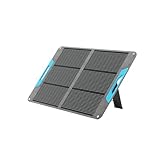
- [Industry-Leading N-Type 25% Efficiency] Engineered with premium 16BB cell and N-Type technology, the Renogy 100w portable solar panel achieves 25% conversion efficiency - significantly outperforming standard 9BB 100w solar panel's 22.5% efficiency. This means you get more usable power from the same sunlight exposure, especially beneficial in space-constrained RV installations or cloudy conditions.
- [Lightweight & Foldable] At just 8.86 lbs (19% lighter than standard portable solar panel) and folding to 20.6''x24.6''x1.6'' in space-saving design. Perfect for camping, RV trips, or emergency backup. The Renogy solar panels deliver 320Wh daily (sunlight-dependent) and fold easily for storage or transport. Take reliable solar power anywhere!
- [IP67 Waterproof & Extreme Durability] This Renogy foldable solar panel features IP67 waterproof with hail-resistant ETFE coating and premium N-type solar cells for highest efficiency and durability. The solar panels for camping withstand extreme weather (-40°F~185°F), like hail, storms, snow, and scorching heat while delivering reliable power for your RV trips, camping adventures, or off-grid needs.
- [Compatible with Most Power Stations] Each Renogy 100 watt solar panel supports direct device charging with 1 USB-C PD port, 45W max, and 2 USB-A ports, 18W and 15W, for smartphones, tablets, laptops, and cameras. Compatible with Jackery Explorer 300, EcoFlow RIVER 3 Max, Anker SOLIX C300/C300 DC, BLUETTI Elite 30 V2, GRECELL T-500, ALLWEI SGR-PPS300-2, and other models with matching voltage, current, and connector requirements. This solar panel has MC4 output cables only; the Renogy 4-in-1 adapter cable is sold separately (ASIN B0HF8C61W4). Also compatible with 12V battery systems when paired with a compatible solar charge controller (not included).
- [Uninterrupted Power Even Under Partial Shading] - Shadows from trees or clouds? Not an issue. This Renogy rv solar panel features parallel wiring that ensures individual shadows won't diminish the overall efficiency of the interconnected panels. Backed by a 3-year output & material and workmanship.
| Option | Include in the comparison | When it can make sense |
|---|---|---|
| Integrated solar roof | Generating and non-generating tiles, complete reroofing, electrical equipment, optional battery, permits and labor. | You need a new roof and want the photovoltaic system integrated into the roof surface. |
| Conventional reroof plus rooftop panels | Comparable roof replacement, racking, panels, inverter, electrical work, permits, labor and optional battery. | You need a new roof but conventional roofing and visible panels are acceptable. |
| Panels on the existing roof | Solar array, mounting, electrical work, permits and any repairs; do not add a full reroof unless it is genuinely required. | Your existing roof has substantial remaining life and is suitable for mounting. |
Use the same solar capacity, expected annual generation, battery size, financing term, electricity tariff, export compensation and warranty scope for each option. Subtract the cost of a conventional roof only when the roof would need replacement regardless; otherwise the comparison gives the integrated roof an artificial advantage. A manufacturer’s 25-year “net cost” chart may combine energy savings and incentive assumptions. It is a lifecycle illustration, not a current cash-price estimate or an independent bid.
How to calculate a simple payback period
For an initial screen, use:
Simple payback (years) = net upfront cost ÷ estimated annual bill savings and other recurring value.
Define net upfront cost
Start with the written, all-in project price. Subtract only incentives your household is eligible to claim for the installation date and location. Keep rebates, tax credits and performance payments separate so that a change in one program does not hide the project’s underlying cost.
What’s actually slowing this PC down?
Pick the symptom - the matching free tool is one click away.
Define annual value
Annual value is more than the electricity produced. It can include:
Rank #3

- 【Perfect Size for Class B Vans】This 200W N-Type solar panels are 7.5% smaller and 11.7% lighter than previous models, providing the same power output in a compact, space-saving design that’s perfect for tight spaces in Class B vans.
- 【25% Cell Efficiency】The 200 watt solar panel features a remarkable 25% efficiency, utilizing advanced 16BB cell technology. Renogy solar panels enhance energy conversion, reduces microcrack risks, and ensures superior performance, especially in high temperatures.
- 【Improved Efficiency and Flexibility】The 24V solar panel minimizes current loss and boosts system efficiency, generating more power even in cloudy conditions. Compatible with 12V and 24V battery systems, including Lithium, AGM, and deep-cycle batteries, it offers flexible installation options for a wide range of off-grid applications.
- 【Ideal for Hot Climates】With a low temperature coefficient, this 200w solar panel guarantees excellent performance in high temperatures, making it an ideal choice for off-grid use in hot environments.
- Long-Term Reliability - Renogy rv solar panel with low degradation (≤1% in the first year, ≤0.4% annually) , plus a 10-year output & material and workmanship commitment, 25-year 80% output for lasting performance.
- Solar energy used directly in the home, avoiding retail electricity purchases.
- Electricity exported to the grid and compensated under the utility’s current tariff.
- Battery discharge that avoids high-priced imports at later hours.
- Recurring grid-service or demand-response payments, if a local program accepts the system and its terms remain available.
Production that is exported at a low credit rate may be worth much less than production consumed behind the meter. Conversely, high evening prices or time-of-use rates can increase the value of a battery. Utility rules, retail rates, export credits, incentives and grid-service payments are all identified by the manufacturer as payback factors.
Why payback is not a guarantee
Simple payback omits financing interest, maintenance, inverter or battery replacement, insurance changes, roof repairs, degradation and the time value of money. It is useful for comparing quotes under the same assumptions, not for promising a date when the system will “pay for itself.” Ask for a production model and run conservative, expected and high-value cases using your own tariff.
The main factors that lengthen or shorten payback
Roof geometry and solar resource
Usable roof area, orientation, pitch, shading and local weather determine how much energy the active tiles can produce. Complex geometry can raise installation labor while leaving less area for generation. Trees, neighboring buildings and future shade should be included in the production model.
Household electricity use
A larger daytime load can consume more solar energy directly. A home that is empty during sunny hours may export more electricity and receive a lower value for each kilowatt-hour. Electrification plans—such as a heat pump, electric vehicle or induction cooking—can increase future use, but they should be documented rather than assumed.
Rank #4

- Premium Efficiency Performance: Featuring A+ grade N-Type cells and 16BB technology, Renogy Solar Panels deliver up to 25% greater conversion efficiency while minimizing hot spots and extending operational lifespan.
- Bifacial Efficiency Boost: The transparent backsheet enables dual-sided solar power generation, delivering 5%–30% increased energy production for enhanced performance in diverse conditions.
- Ultra-Durable 590W Solar Panel: Engineered for resilience, the Renogy 590W solar panel features a corrosion-resistant black aluminum frame designed to endure extreme weather. With a robust build capable of withstanding 2400Pa wind loads and 5400Pa snow loads, plus an IP68-rated waterproof junction box, it delivers unwavering outdoor performance.
- Up to 30% Residential Clean Energy Credit: If you've installed a solar PV system in the US between January 1, 2017, and December 31, 2034, you could be eligible for this substantial tax credit, potentially leading to remarkable savings of up to 30%.
- Why Choose N-Type: Comparing to Perc panel, the newer N-Type solar panels delivers higher conversion efficiency, better temperature tolerance and a much longer lifespan because of the phosphorus-doped silicon design. N-type panels resist light-induced degradation and therefore, ensure a higher stabilized energy output and reliable performance.
Utility pricing and export rules
Retail rates, time-of-use periods, fixed charges, net-metering rules and export credits vary by utility and can change. Obtain the tariff that applies to the address and model both self-consumption and exports. Do not use a neighboring utility’s rate as a proxy.
Battery economics
Storage can move midday solar into evening hours, provide backup power and potentially qualify for grid programs. It also adds equipment and installation cost, conversion losses and eventual replacement considerations. A battery shortens payback only when the additional value exceeds those costs under the local program and tariff.
Roof timing
If the existing roof is sound, installing panels without a full reroof may avoid a large near-term expense. If the roof is near the end of its life, removing panels later to reroof can make the integrated project or a simultaneous conventional reroof more economical. Have a qualified roofer document the roof’s remaining service life before comparing options.
U.S. federal tax-credit status for 2026 projects
The Internal Revenue Service states that the residential clean energy credit under Internal Revenue Code section 25D is not allowed for expenditures made after December 31, 2025. Its FAQ treats an expenditure as occurring when original installation is completed. Paying before that deadline does not preserve the credit if installation is completed afterward.
Best Value

- High-Efficiency 400W Solar Panel Charger: Experience unparalleled efficiency with the CTOLITY 400watt solar panel, featuring a 23% conversion rate. Harness maximum sunlight energy for reliable and sustainable power generation for outdoor and emergency use
- Wide Compatibility for Outdoor Adventures and Emergencies: Compatible with Jackery, EcoFlow power stations, this 40V portable solar panel is a must-have for camping, RV trips, hiking, or home backup power. Its foldable, lightweight design ensures easy transportation and setup wherever you go
- Safe & IP65 Waterproof Charging: Adapting quickly to changing light conditions with an auto-reboot feature eliminates the need for manual adjustments. The intelligent chip technology protects your device from over-current, over-voltage, and short-circuit, ensuring safe and reliable charging. Its waterproof Oxford cloth and PET lamination make it dust resistant and waterproof for camping, hiking, RVs, boats, and emergencies
- Adjustable and Durable Design: The foldable solar panel achieves optimal sunlight capture with adjustable kickstand, while the waterproof and dustproof construction ensures performance in any outdoor environment. Built to last as your reliable power partner for every adventure
- Versatile and Portable Solar Panel Solution: Designed for maximum convenience, this solar panel charger combines high performance with portability, offering a seamless power solution for various scenarios, from outdoor exploration to emergency preparedness
For a U.S. residential estimate in 2026, do not assume the former 30% federal credit. Verify state, local and utility incentives separately, because eligibility, capacity limits, applications and completion deadlines are program-specific. Earlier IRS material describing qualifying solar roofing tiles reflects prior law and should not be used to claim that a post-2025 installation automatically qualifies.
Warranty coverage: long term does not mean unlimited
The Tesla Solar Roof Limited Warranty (USA), effective March 4, 2026, states: “Your Solar Roof will be free from defects in design and materials for 25 years from the date your Solar Roof is installed.” The document also provides 25-year weatherization coverage and module-output terms, subject to exclusions, conditions and different remedies.
Under the stated output schedule, the warranty specifies at least 95% of rated peak power at year five, followed by no more than 0.5% degradation per year for the subsequent 20 years, measured under the warranty’s standard test conditions and qualifications. These are contractual warranty thresholds, not a field-measured prediction for a particular roof. Read what labor, removal, shipping, diagnosis, consequential damage and unauthorized work are excluded, and identify who performs warranty service in your area.
Do these 3 things before closing this tab:
1Fix the driver behind crashes, sound loss and screen glitches2Clear out junk files and repair common Windows errors3Scan for outdated or missing drivers - takes under a minuteA step-by-step way to judge a quote
- Document the roof. Record age, condition, deck problems, orientation, pitch, shade and any planned remodeling.
- Obtain an all-in design. Require the active-tile capacity, annual production estimate, battery specification and every roof and electrical scope in writing.
- Build a conventional baseline. Get a separate conventional reroof price and a rooftop-panel proposal sized to comparable annual production.
- Normalize assumptions. Align system size, storage, financing, utility tariff, export rate, incentives, warranties and expected completion date.
- Run payback cases. Calculate net cost divided by annual value for conservative, expected and optimistic self-consumption and export assumptions.
- Check cash flow. Compare loan payment, interest and fees with expected monthly bill changes; simple payback alone does not show affordability.
- Verify incentives before signing. Confirm the current rules with the IRS, state agency and utility, and identify the completion date that controls eligibility.
- Review contract remedies. Confirm change-order rules, roof-leak responsibility, production guarantees, maintenance duties and warranty exclusions.
Questions to ask before accepting an offer
- What is the total installed cash price, and which line items are excluded?
- How many tiles generate electricity, what is the nameplate capacity, and what annual production is modeled for this roof’s orientation, shade and weather?
- What would a comparable conventional roof replacement cost, and does the existing roof need replacement now?
- How much energy is expected to be used on-site versus exported, and which utility compensation rate is used?
- Which incentives apply to this address and the expected installation-completion date?
- What are the loan interest rate, term, fees, prepayment terms and total repayment?
- What battery capacity is included, which loads receive backup power and what future replacement is assumed?
- Who handles permits, inspections, utility approval, roof repairs and warranty claims?
When solar roof tiles are more—or less—defensible
Conditions that can support the integrated design
- The roof needs replacement now, so roofing work is already part of the budget.
- The design has sufficient unshaded area for useful production.
- You value a unified roof appearance and accept that the generating surface is custom-built.
- Your utility tariff rewards self-consumption or storage, and incentives are confirmed in writing.
Conditions that call for caution
- The existing roof is in good condition and a panel-only installation would avoid near-term reroofing cost.
- Most production would be exported at a low credit rate.
- Shade, complex geometry or low electricity use limits annual generation.
- The proposal relies on an expired federal-credit assumption, an unspecified production estimate or a promotional financing payment.
The sound decision is the one supported by an address-specific design, transparent scope and local energy model. A 72-watt tile rating and a 25-year warranty can describe the product, but neither one establishes what your roof will cost or when it will recover that cost.
Quick Recap
Product prices and availability are accurate as of the date/time indicated and are subject to change. Any price and availability information displayed on Amazon at the time of purchase will apply.

