Free tools Windows power users keep installed
One-click scans. No signup required.
If an electrical panel is sparking, crackling, smoking, or giving off a burning smell, treat it as an emergency electrical hazard. Keep everyone away, do not remove the cover or touch the panel, and call emergency services if there is smoke, fire, or immediate danger. When the area is safe, have a licensed electrician inspect the installation. A tripped breaker does not prove that an arc hazard has been eliminated.
What electrical panel arcing means
An electrical arc is a discharge that jumps across a gap or travels through damaged insulation. Inside or near a panel, that can happen when insulation is cracked, conductors or terminations are damaged, or a connected cord or wiring fault creates an unintended path. The U.S. Consumer Product Safety Commission (CPSC) identifies cracked, broken, or damaged insulation and damaged cords as possible causes, but the sound or appearance of a particular panel cannot identify the exact fault. A qualified electrician must diagnose the installation. See the CPSC clarification at CPSC’s electrical-arcing safety statement.
As an Amazon Associate I earn from qualifying purchases.
A small arc can damage insulation and surrounding components, carbonize a connection, and ignite nearby material. A larger event can become an arc flash or arc blast. The Occupational Safety and Health Administration (OSHA) describes an arc as a bright flash of hot gas and warns that temperatures can exceed 35,000°F (19,400°C), with pressure, deafening noise, and super-heated shrapnel. Its explanation is available in OSHA’s Electric-Arc Flash Hazards guidance.
“The electric arc produces a bright flash of hot gas, where temperatures can exceed 35,000 °F (19,400 °C), nearly four times the heat of the sun’s surface.” — Occupational Safety and Health Administration, Electrical – Electric-Arc Flash Hazards.
#1 Best Overall
 15 Amp 1-Pole Combination Type AFCI Plug-On Neutral Circuit Breaker
- Simply installs like any other breaker, now without the pigtail
- 10,000 AIC
- HACR and SWD rated
- UL Listed
What to do if a panel is arcing right now
Do not investigate an energized panel. The safest response is to create distance and get professional help rather than trying to identify the sparking circuit.
- Move people and pets away. Keep clear of the panel, the room, and any smoke or falling debris. Warn others not to touch switches, the panel door, nearby metal, or exposed wiring.
- Do not open the cover or probe anything. Do not tighten screws, pull breakers, spray water, or use a voltage tester. The CPSC warns that panel boxes are usually electrically live even when the main circuit breaker is turned off.
- Call the local emergency number for smoke, flames, an explosion, or immediate danger. Leave the building if conditions are worsening. Do not re-enter until emergency personnel say it is safe.
- If there is no active fire but there are sparks, crackling, heat, or a burning odor, keep the area isolated and arrange a licensed-electrician inspection as soon as possible. Describe exactly what you saw, heard, or smelled and whether a breaker operated.
- Do not repeatedly reset a breaker. Re-energizing a fault can increase damage and fire risk. Leave the circuit out of service until an electrician has evaluated it.
These precautions are intentionally conservative. There is no universal homeowner procedure that makes an arcing panel safe to open, and the main disconnect may not remove power from every part of the enclosure.
Why a tripped breaker does not make arcing safe
Ordinary fuses and circuit breakers are designed primarily for overloads and short circuits. The CPSC explains that typical protective devices may not respond to early arcing and sparking; a fire can already have started before a breaker opens. Therefore, a breaker that trips once—or stays on—does not establish that the fault is gone. Treat visible damage, repeated trips, unusual sounds, or an odor as a reason for inspection, not as a reset-and-see problem. The CPSC’s AFCI fact sheet explains this limitation at Preventing Home Fires: Arc Fault Circuit Interrupters (AFCIs).
Warning signs and possible sources
Arcing may be intermittent, so the first clue is often a symptom elsewhere in the electrical system. CPS Energy lists flickering lights, warm outlets, and strange smells among electrical warning signs in its electrical-safety guidance.
Rank #2

- Homeline 20 Amp single-pole plug-on-neutral combination AFCI circuit breaker
- To help further save our customer's time and money, the Square D brand CAFI circuit breakers are now equipped with time-saver diagnostics
- Innovative neutral connection design leads to fewer connections and faster installation, no pigtails which frees up gutter space
- Compatible with Homeline series 4 and newer load centers only
- Rated for 120 VAC
Signs that warrant prompt attention
- Visible flashes, sparks, or a blue-white glow at the panel or a connected device.
- Crackling, buzzing, popping, or sizzling sounds.
- A burning-plastic, ozone-like, or smoky odor.
- Discoloration, soot, melted insulation, or heat at the panel door or nearby outlet.
- Lights that flicker or dim when loads change.
- A breaker that trips repeatedly or will not remain reset.
- Warm outlets, switches, or cords.
None of these symptoms identifies a single component. Possible sources include damaged conductor insulation, a loose or failed wiring connection, a fault in a branch circuit, or a damaged cord. Moisture, contamination, age, mechanical damage, and incompatible replacement parts can also be relevant conditions for an electrician to investigate, but a homeowner should not infer a cause from a smell or sound alone.
What a licensed electrician needs to determine
An electrician should establish where the arcing began, which circuits or equipment are affected, and whether heat has damaged insulation, terminals, bus components, breakers, or the enclosure. The inspection may require isolating circuits, testing de-energized conductors, checking breaker and panel compatibility, and determining whether damaged parts can be repaired or must be replaced. If there has been smoke or fire, tell the electrician and your insurer or building authority; concealed damage may extend beyond the visible mark.
Ask for a written description of the failed component, the corrective work, and any conditions that could cause recurrence. If a panel is obsolete, physically damaged, or incompatible with proposed protective devices, the electrician should explain replacement options and the applicable local requirements. Do not accept a new breaker as a substitute for finding and correcting the fault.
Windows Errors? Fix Them Before They Spread
Repair common Windows errors and clear accumulated junk for a smoother, more stable PC - no reinstall needed.Free scan · no reinstallOutdated Drivers Are Slowing You Down
One free scan finds every outdated or missing driver and matches the right update for your exact hardware.Free scan · exact hardware matchAFCI, GFCI, and standard breakers: different jobs
Protective devices are not interchangeable. The following comparison reflects the functions described by the CPSC; exact device selection depends on the panel, circuit, wiring method, and local code.
Rank #3

- Eaton BRP120AF Breaker, 20A, 1P, 120/240V, 10 kAIC, Type BR Combo AFCI
- Included components: circuit breaker
- Only use with Plug On Neutral Panels
- Model Number: BRP120AF
| Device | Primary purpose | What it does not do | Installation context |
|---|---|---|---|
| AFCI (arc-fault circuit interrupter) | Detects certain electrical arc patterns and is intended to reduce fire risk from unsafe wiring arcs. | It does not repair damaged insulation, a loose connection, a bad cord, or an actively arcing panel. | A panel-compatible model must be selected and installed by a qualified electrician. |
| GFCI (ground-fault circuit interrupter) | Reduces electric-shock risk by responding to an imbalance in current. | It is not an AFCI and is not a substitute for arc-fault protection. | Protection and placement depend on the circuit and local requirements. |
| Standard breaker or fuse | Protects against overloads and many short circuits. | It may not respond to early arcing and sparking, so a trip does not rule out fire damage. | Replacement must match the panel and circuit specifications. |
The CPSC distinguishes AFCI fire protection from GFCI shock protection in the same AFCI fact sheet.
Can an AFCI stop an arcing panel?
An AFCI can add protection against some future arc-fault conditions, but it cannot make an existing arcing panel safe and cannot restore damaged wiring. Installing one before the source is found can conceal the underlying problem or create compatibility issues. After the electrician repairs or replaces the defective parts, ask whether an AFCI is appropriate for that specific panel and circuit.
Do not buy a breaker based only on its amp rating or physical appearance. AFCIs are panel-specific, and the wrong device may not fit, function, or be approved for the enclosure. The CPSC advises qualified installation because work inside the panel can involve live parts even with the main breaker off.
Do these 3 things before closing this tab:
1Clear out junk files and repair common Windows errors2Fix the driver behind crashes, sound loss and screen glitches3Repair Windows errors before they cause bigger problemsArc-flash hazards and why energized work is restricted
OSHA’s arc-flash material is written for electrical work, but it explains the consequences of approaching an energized panel. In addition to extreme heat, an arc blast can produce pressure, noise, and metal fragments. OSHA notes that many arc-flash burn injuries occur when the arc ignites flammable clothing. That is why an unqualified homeowner should not try to work faster by wearing gloves, using an insulated screwdriver, or standing farther away.
Rank #4
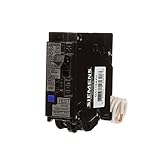
- Single pole, 15 Amp, Combination type AFCI circuit breaker
- LED Trip indicators for clear identification of last trip condition
- 1/4 in. more wire bend space than previous design
- Both lugs at the same angle for easier wiring
- 25 lb. /in. torque rating
For workplaces, NFPA identifies NFPA 70E as the electrical-safety standard focused on risk assessment and establishing an electrically safe work condition. NFPA describes personal protective equipment (PPE) as the last line of defense, not permission to perform avoidable energized work. NFPA’s overview states that the 2027 edition was released in early 2026; legal adoption and enforceable requirements vary by jurisdiction. Homeowners should rely on a licensed professional rather than attempting to apply workplace PPE rules as a do-it-yourself repair method.
Preventing a repeat problem after repair
- Have the electrician document the cause and verify that all affected conductors, terminations, breakers, and enclosures are suitable for continued service.
- Use only breakers and protective devices listed or approved for the specific panel and circuit.
- Investigate flickering, warm outlets, unusual smells, or repeated trips promptly instead of waiting for visible sparks.
- Replace damaged cords and equipment; do not continue using a cord with crushed, cut, or heat-damaged insulation.
- Keep the panel area dry, unobstructed, and accessible to qualified workers and emergency responders.
- After work, test any required AFCI or GFCI functions according to the device instructions and local inspection requirements; a test button confirms device operation, not the condition of every wire in the building.
Questions to settle with the electrician
Before work begins, ask whether the panel itself is damaged, whether the fault affected downstream wiring, whether any circuit must remain disconnected, and whether an AFCI or GFCI is required or merely optional for your installation. Confirm who will obtain permits or inspections where applicable, what areas will be without power, and what warning signs should trigger an immediate call back. Local electrical codes, emergency numbers, and device requirements differ outside the United States, so the electrician should apply the rules in your jurisdiction.
The safe conclusion
Electrical panel arcing is not a nuisance to monitor. It can progress from damaged insulation or a faulty connection to fire, arc flash, or arc blast without giving a standard breaker enough time to prevent injury. Keep away from the enclosure, call emergency services for smoke or fire, and use a licensed electrician to locate and correct the fault. AFCI protection may be part of a properly reviewed repair, but no protective device replaces a safe diagnosis and repair.
What’s actually slowing this PC down?
Pick the symptom - the matching free tool is one click away.
Quick Recap
Product prices and availability are accurate as of the date/time indicated and are subject to change. Any price and availability information displayed on Amazon at the time of purchase will apply.

