Do these 3 things before closing this tab:
1Scan for outdated or missing drivers - takes under a minute2Clear out junk files and repair common Windows errors3Fix the driver behind crashes, sound loss and screen glitchesWash wooden spoons and other wooden utensils by hand with warm, soapy water soon after use, rinse away residue, and dry them thoroughly and promptly. Avoid prolonged soaking and use a dishwasher only when the utensil’s own care instructions specifically allow it. Food-safe mineral oil is optional maintenance for dry-looking wood; it does not clean or sanitize the utensil.
How to clean wooden spoons after cooking
The FDA advises washing utensils with hot, soapy water after preparing each food item. USDA FSIS also describes warm, soapy water as a utensil-cleaning method. For a wooden spoon, use this routine:
As an Amazon Associate I earn from qualifying purchases.
- Wash promptly. Use warm water and dish soap to remove food and grease. A soft sponge or dish brush can loosen residue without unnecessarily gouging the surface.
- Rinse thoroughly. Remove all soap and loosened food particles.
- Dry immediately. Towel-dry the utensil, then place it where air can circulate until fully dry before storing it.
Cleaning removes dirt and some bacteria; it is not the same as sanitizing. Do not describe mineral oil, air-drying, or ordinary washing as a substitute for a separate sanitizing step when your food-safety procedure requires one.
Recommended Free Tools
Should wooden utensils go in the dishwasher?
There is no universal answer for every wooden spoon. USDA’s dishwasher guidance is limited to items labeled dishwasher-safe and made from nonporous materials; its examples do not establish that every wooden utensil can withstand a dishwasher. Read the label or the maker’s instructions for the specific spoon.
#1 Best Overall

- FOOD-GRADE MINERAL OIL FOR CUTTING BOARDS: Helps restore and protect dry cutting boards, butcher blocks, and wooden kitchen surfaces. Refreshes dull, worn wood and helps prevent cracking or splitting; works on bamboo, teak, acacia, olive wood, and hardwood boards
- ABSORBS CLEANLY WITH NO GREASY RESIDUE: This lightweight cutting board oil soaks into wood rather than sitting on the surface; rubs in easily with no oily film, strong scent, or sticky feel; colorless, odorless, and tasteless
- USP & FOOD-GRADE MINERAL OIL — SAFE FOR KITCHEN USE: Meets food safety standards; safe for cutting boards, wooden utensils, salad bowls, and rolling pins; also suitable for protecting stainless steel blades and appliances from rust
- SIMPLE BOARD CARE IN MINUTES: After washing and drying, apply a small amount with a clean cloth; let absorb 15–20 minutes, wipe excess; repeat monthly; this 8oz bottle provides months of regular use for home kitchens
- PACKAGED WITH CARE FOR SAFE DELIVERY: Only a small amount needed per application, so this bottle goes further than expected; sealed to prevent leaks; Kate Naturals is a small business — if anything arrives damaged, we’ll make it right
| Method | What is established | Practical choice |
|---|---|---|
| Hand-washing | Manufacturer and educational care guidance recommends hand-washing, thorough drying, and avoiding prolonged soaking for wooden tools. | Default method unless the maker says otherwise. |
| Dishwasher | Permitted only when the individual utensil is identified as dishwasher-safe. Heat and extended moisture exposure may conflict with a wooden tool’s care instructions. | Follow the utensil’s label; do not infer safety from another brand or from a nonporous item. |
All-Clad, for example, advises hand-washing its wooden tools, drying them thoroughly, and avoiding both dishwasher use and prolonged soaking. Oklahoma CareerTech gives similar care advice. These are product and educational recommendations, not a rule that overrides your own utensil’s instructions.
Why prolonged soaking is hard on wood
Leaving a wooden spoon in a sink or pan keeps it exposed to water far longer than washing requires. The cited care guidance therefore recommends limiting soaking and drying the utensil promptly. If food has hardened, re-wet the surface briefly or use a soft brush rather than leaving the entire utensil submerged for an extended period.
Rank #2

- NSF CERTIFIED FOOD GRADE - This premium mineral oil is NSF certified and lab-tested to meet the strictest food safety standards. Colorless, odorless, tasteless, and gluten-free — perfect for cutting boards, butcher blocks, and all food-contact surfaces.
- SUPERIOR PROTECTION & RESTORATION - Deeply penetrates and conditions wood to prevent cracking, drying, and warping. Restores and revitalizes your cutting boards, butcher blocks, knives, wooden utensils, and kitchen tools for a beautiful, long-lasting finish.
- MADE IN THE USA - 100% pure food-grade mineral oil bottled in NSF certified facilities with rigorous quality and safety testing. Proudly made in America for the highest standards of purity and performance.
- LASTS FOR YEARS - Extremely economical — one 1oz treatment every 3 months is all you need for cutting boards up to 18". A single bottle provides years of professional-grade maintenance.
- EASY APPLICATION - Innovative push-applicator cap and squeeze bottle design makes conditioning effortless. Simply apply generously, let sit for 4 hours (or overnight), and wipe off for beautiful results every time.
When and how to oil wooden utensils
Oiling is optional wood maintenance, not part of routine cleaning. If the wood looks dry, a food-safe mineral oil made for wooden utensils may help renew its appearance and surface feel. Apply it only after the utensil is clean and completely dry, and follow the oil maker’s and utensil maker’s directions.
- Use food-safe mineral oil intended for kitchen woodware.
- Do not use ordinary cooking oil as an equivalent treatment. Oklahoma CareerTech warns that oils such as olive and peanut oil can go rancid on wood.
- There is no universal reapplication interval established by the cited sources. Use the product and utensil instructions, and treat visible dryness as a reason to check those directions.
- Oil does not sanitize the wood and never replaces washing after cooking.
Cleaning versus sanitizing
Soap and water are the basic cleaning step: they remove food residue, grease, dirt, and some microorganisms. Sanitizing is a separate food-safety action. Whether you need it, and which method is appropriate, depends on your kitchen’s procedure and the utensil’s material and care instructions. Do not claim that a mineral-oil treatment, a dishwasher cycle of uncertain compatibility, or simple drying has sanitized a wooden spoon.
Rank #3

- NSF CERTIFIED FOOD GRADE - This premium mineral oil is NSF certified and lab-tested to meet the strictest food safety standards. Colorless, odorless, tasteless, and gluten-free — perfect for cutting boards, butcher blocks, and all food-contact surfaces.
- SUPERIOR PROTECTION & RESTORATION - Deeply penetrates and conditions wood to prevent cracking, drying, and warping. Restores and revitalizes your cutting boards, butcher blocks, knives, wooden utensils, and kitchen tools for a beautiful, long-lasting finish.
- MADE IN THE USA - 100% pure food-grade mineral oil bottled in NSF certified facilities with rigorous quality and safety testing. Proudly made in America for the highest standards of purity and performance.
- LASTS FOR YEARS - Extremely economical — one 1oz treatment every 3 months is all you need for cutting boards up to 18". A single bottle provides years of professional-grade maintenance.
- EASY APPLICATION - Innovative push-applicator cap and squeeze bottle design makes conditioning effortless. Simply apply generously, let sit for 4 hours (or overnight), and wipe off for beautiful results every time.
What if a wooden utensil touched flood water?
The FDA advises discarding wooden dishes and utensils that have contacted flood water because they cannot be safely cleaned. This is a specific contamination instruction for flood-water exposure. It should not be generalized into a rule that every stained, darkened, or ordinarily worn spoon must be discarded.
Independent reader supportYour contribution helps us test, update, and keep practical guides available for everyone.What the available guidance does not establish
The cited sources do not provide a universal wear threshold for throwing away an ordinary wooden spoon, a validated repair procedure for every crack or gouge, or a fixed oiling schedule. For a damaged utensil, use the maker’s instructions and your own food-safety judgment rather than applying an invented number of uses or years.
Quick Recap
Best Value
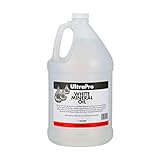
- FOOD GRADE MINERAL OIL: NSF approved white mineral oil suitable for food-contact applications including cutting boards, butcher blocks, knives, food processing equipment, slicers and grinders.
- MADE IN USA: Manufactured in the USA using high-purity white mineral oil. Colorless, odorless, tasteless and suitable for food preparation environments.
- CONDITIONS WOOD SURFACES: Helps maintain cutting boards, butcher blocks, wood countertops, bowls and utensils by replenishing moisture and helping reduce drying from regular washing.
- MULTI-PURPOSE HOUSEHOLD & SHOP USE: Ideal for stainless steel surfaces, knives, hand tools, food processing equipment and equipment maintenance applications.
- UNSCENTED & NON-DRYING: Clear, odorless mineral oil that remains stable during storage and leaves no fragrance behind.
Rank #4
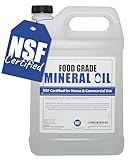
- Food safe, prevents absorption of food odors. Perfect for cutting boards, wooden utensils, salad bowls and chopping blocks.
- Keeps stainless steel appliances looking brand new. Prevents wood from drying out and cracking.
- Colorless, odorless, and tasteless. Mineral Oil will not break down and become rancid like vegetable oil.
- Can be used for, but not limited to: lubricating food processing machines, rust prevention on knives, stainless steel cleaner, and much more!
- Proudly made in the USA.
A simple care checklist
- Wash by hand with warm, soapy water soon after use.
- Rinse off all residue and soap.
- Dry thoroughly and promptly; do not store the utensil damp.
- Avoid prolonged soaking.
- Use a dishwasher only when the specific utensil is labeled or documented as dishwasher-safe.
- Condition dry wood only with food-safe mineral oil, following instructions.
- Never treat oil as a cleaner or sanitizer.
- Discard wooden utensils exposed to flood water, as the FDA advises.
Product prices and availability are accurate as of the date/time indicated and are subject to change. Any price and availability information displayed on Amazon at the time of purchase will apply.
Quick wins for a faster PC:
Repair Windows errors before they cause bigger problemsFix Now →Fix the driver behind crashes, sound loss and screen glitchesFind Drivers →Clear out junk files and repair common Windows errorsFree Scan →
