The best paint to cover cigarette smoke is a finish coat applied over a cleaned, fully dry, odor- and stain-blocking primer. For severe or persistent smoke and nicotine staining, Zinsser B-I-N Shellac-Based Primer is the clearest overall fit; KILZ RESTORATION is the leading water-based alternative. Paint alone cannot remediate smoke trapped in porous materials.
Cigarette-smoke odor is a preparation and sealing problem before it is a color problem. The practical sequence is to stop the source, address contaminated furnishings and other reservoirs, wash the residue from sound surfaces, apply the right primer, and only then use ordinary interior paint for the final appearance.
| # | Preview | Product | Price | |
|---|---|---|---|---|
| 1 |
|
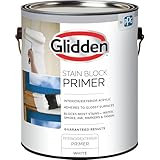
Glidden Glidden Interior/Exterior Stain Block Primer Flat, White, 1 Gallon | $31.97 | Buy on Amazon |
| 2 |

|
INSL-X AP100009A-01 Prime All Multi-Surface Primer, White | $35.49 | Buy on Amazon |
| 3 |
|
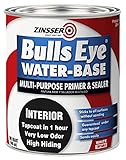
Zinsser Bulls Eye Water-Base Primer & Sealer, White | $10.49 | Buy on Amazon |
As an Amazon Associate I earn from qualifying purchases.
Key takeaways
- Ordinary interior paint is not the main odor-control step; cigarette-smoke walls need cleaning, an odor- and stain-blocking primer, and a compatible finish coat.
- Zinsser B-I-N Shellac-Based Primer is the best overall fit for severe or persistent smoke and nicotine staining because the manufacturer specifically documents smoke- and odor-sealing use.
- KILZ RESTORATION is the strongest water-based alternative for persistent smoke odor, with manufacturer-listed coverage of approximately 300–400 square feet per gallon.
- Zinsser B-I-N Water Base is intended for moderate nicotine, smoke, and odor problems, so it should not automatically be treated as equivalent to the original shellac formula for severe contamination.
- Painting cannot remediate smoke trapped in carpets, upholstery, curtains, HVAC components, ceilings, trim, or other porous materials.
- Ozone generators are not a casual DIY solution; EPA materials warn about potentially dangerous byproducts and recommend professional controls for ozone remediation.
What is the best paint to cover cigarette smoke?
The best paint to cover cigarette smoke is usually not a special finish paint. The reliable system is to clean the smoke residue, apply an odor- and stain-blocking primer, and then apply an interior finish coat. For severe or persistent cigarette-smoke odor on prepared walls, Zinsser B-I-N Shellac-Based Primer is the clearest overall recommendation; KILZ RESTORATION is the leading water-based alternative.
Recommended Free Tools
The recommendation is based on the products’ official documented uses, not on an independent laboratory head-to-head test. A primer can seal smoke residue and odor in a prepared wall or other coated substrate, but no primer should be described as removing every smoke chemical from a building or guaranteeing permanent odor elimination.
#1 Best Overall
- Interior/exterior acrylic primer
- Adheres to glossy surfaces
- Blocks most stains- water, smoke, ink, markers and tannins
- May be topcoated in 1 hour
- Soap & water clean up
Why does painting alone fail to remove cigarette-smoke odor?
Painting alone often fails because cigarette smoke does not remain only in the visible wall stain. The U.S. Environmental Protection Agency explains that tobacco-smoke chemicals can build up on hard surfaces and embed in soft materials; chemicals can later be released back into indoor air as thirdhand exposure. EPA guidance on secondhand smoke and electronic-cigarette aerosols also makes clear that not seeing or smelling smoke does not prove that all potentially harmful chemicals are gone.
Old smoke contamination may remain in drywall, plaster, wood, trim, ceilings, flooring, closets, electrical penetrations, carpets, curtains, upholstered furniture, and HVAC components. Peer-reviewed research indexed by EPA describes thirdhand smoke as persistent contamination in indoor materials and identifies persistent reservoirs as a challenge during remediation. See the EPA-indexed review of thirdhand smoke evidence and the EPA-indexed study of thirdhand-smoke remediation in multiunit housing.
That is why ordinary latex or acrylic wall paint is best treated as the decorative finish, not the remediation product. A finish coat may hide discoloration temporarily while smoke compounds continue to migrate through the coating or release from nearby materials.
Quick wins for a faster PC:
Fix the driver behind crashes, sound loss and screen glitchesFind Drivers →Clear out junk files and repair common Windows errorsFree Scan →Which cigarette-smoke primer should you choose?
The right primer depends mainly on contamination severity, odor persistence, substrate, and whether a water-based workflow is important to you.
| Product | Base | Documented smoke or odor role | Best positioning |
|---|---|---|---|
| Zinsser B-I-N Shellac-Based Primer | Shellac-based | Seals smoke, nicotine stains, and smoke-related odors | Best overall fit for severe or persistent wall contamination |
| KILZ RESTORATION Interior Primer | Water-based | Seals persistent smoke odors and blocks severe smoke and nicotine stains | Best lower-odor water-based alternative |
| Zinsser B-I-N Water Base | Water-based | Seals moderate nicotine, smoke, and odor problems | Moderate contamination or a water-based preference |
| Sherwin-Williams White Synthetic Shellac Interior Stain Blocking Primer | Synthetic shellac-style | Blocks stubborn stains and odors, including smoke damage and cigar-smoke odor | Paint-store restoration alternative |
| Benjamin Moore Fresh Start Undercoater & Primer/Sealer | Alkyd | Suppresses stains including smoke | Stain-focused alternative when odor is less severe |
This table compares official product documentation and does not represent laboratory head-to-head testing. Product availability, exact label directions, and permitted substrates can vary by location and product revision.
Best overall: Zinsser B-I-N Shellac-Based Primer
Zinsser B-I-N Shellac-Based Primer is the strongest product fit when cigarette-smoke staining and odor are severe or have persisted through ordinary cleaning and painting. Rust-Oleum/Zinsser describes B-I-N as a shellac-base primer-sealer that seals pet, smoke, and musty odors and blocks smoke and nicotine stains. The manufacturer also describes rapid drying, including a stated 45-minute recoat time, and adhesion without sanding in suitable conditions. Check the current label and technical information for the exact application conditions.
Shellac-based B-I-N is not odorless during application. Its strong product odor makes ventilation and label-compliant protective precautions especially important. The primer is a sealer for prepared interior surfaces; it is not a substitute for removing smoke-contaminated carpet, furniture, ducts, or other reservoirs.
Best water-based alternative: KILZ RESTORATION
KILZ RESTORATION Interior Primer is the best water-based alternative when a reader prefers easier cleanup and sanding or wants a lower-odor positioning than a traditional shellac product. KILZ describes RESTORATION as a water-based primer, sealer, and stain blocker for smoke, nicotine, and persistent smoke odors. The official product page lists interior use on drywall, plaster, wood, masonry, concrete, tile, glass, and properly prepared glossy surfaces, with approximately 300–400 square feet of coverage per gallon.
KILZ RESTORATION can be topcoated with water-based or oil-based paint according to the manufacturer. “Water-based” does not mean odorless or risk-free: ventilate the work area and follow the current product label, safety information, drying conditions, and preparation instructions.
Rank #2
- 100% acrylic primer that provides strong sealing properties to a variety of interior & exterior surfaces
- Easy to apply
- Powerful adhesion and stain blocking properties
- Quick drying; topcoat in as little as one hour
- Provides a mildew resistant coating
When is Zinsser B-I-N Water Base a better choice?
Zinsser B-I-N Water Base makes sense for moderate smoke, nicotine, and odor problems or when a water-based workflow is a priority. Rust-Oleum’s official support description limits its documented odor- and stain-blocking claim to moderate problems, so the product should not automatically be presented as equivalent to shellac-based B-I-N for severe cigarette-smoke contamination.
Are Sherwin-Williams and Benjamin Moore primers suitable?
Yes, both can be reasonable alternatives, but their documented emphasis differs. Sherwin-Williams says White Synthetic Shellac Interior Stain Blocking Primer blocks stubborn stains and odors, including smoke damage and cigar smoke, and works under a full range of latex topcoats. Because the cited product documentation specifically names cigar smoke, describe it as relevant to tobacco-smoke restoration rather than claiming a cigarette-specific independent test.
Crashes, No Sound, or Screen Glitches?
Random freezes, missing sound and display glitches usually trace back to one bad driver. Find and replace yours safely.Free scan · under a minuteWindows Errors? Fix Them Before They Spread
Repair common Windows errors and clear accumulated junk for a smoother, more stable PC - no reinstall needed.Free scan · no reinstallBenjamin Moore Fresh Start Undercoater & Primer/Sealer is an alkyd interior primer formulated to suppress stains including smoke. It is a credible stain-blocking option, but the reviewed documentation emphasizes stain suppression more than persistent odor sealing. Choose it below the products whose official documentation expressly mentions smoke odor when odor control is the primary goal.
How should you prepare smoke-damaged walls before priming?
Prepare the whole room before opening the primer. Sealing an unclean, damp, or actively contaminated surface can trap some residue while leaving other sources untouched.
- Stop indoor smoking. Indoor smoking must stop before remediation. EPA states that prohibiting smoking indoors is the only way to eliminate secondhand-smoke exposure; ventilation, filtration, and air cleaning may reduce exposure but do not eliminate it. Read the EPA guidance on reducing secondhand-smoke exposure.
- Remove or isolate porous reservoirs. Launder washable fabrics where appropriate. Remove or professionally clean carpets, curtains, upholstered furniture, contaminated ceiling materials, and HVAC components that continue to smell. Painting walls cannot seal smoke inside materials that will not receive primer.
- Protect the work area. Move furniture out or cover it, protect floors with drop cloths, and provide ventilation. Wear the protective equipment required by the product label and the cleaning product’s safety instructions.
- Clean the walls. Remove as much tobacco-smoke staining, soot, grease, dust, wax, polish, mold, mildew, loose paint, and other foreign material as possible. Rust-Oleum’s smoke-stain preparation guidance recommends cleaning smoke contamination before priming, while KILZ instructs users to clean, rinse when washing is required, and dry the surface.
- Repair the substrate. Scrape loose coating and repair damaged drywall, plaster, or wood. Primer is not a replacement for repairing soft, crumbling, water-damaged, or structurally unsound material.
- Let the surface dry completely. Do not prime over damp walls or assume that a primer will solve moisture-related odor. A clean, dry, sound substrate gives the sealer the best chance to perform.
- Test a small area. Confirm adhesion, stain-blocking behavior, finish compatibility, and drying under the actual room conditions before coating the entire room.
What is the correct order for painting cigarette-smoke walls?
The correct order is source control, removal or cleaning of reservoirs, wall cleaning, drying, odor-blocking primer, and finish paint.
| Stage | What to do | What success looks like | Common mistake |
|---|---|---|---|
| 1. Source control | Stop smoking indoors and prevent new smoke exposure | No new smoke is entering the room | Painting while smoking continues |
| 2. Reservoir control | Clean, remove, or isolate fabrics, furniture, flooring, HVAC parts, and other porous materials | The strongest odor sources are addressed beyond the walls | Assuming wall paint can seal carpet or upholstery |
| 3. Surface cleaning | Remove residue, grease, dust, loose paint, and other contaminants | The substrate is clean and sound | Priming over a greasy nicotine film |
| 4. Drying and repairs | Repair defects and allow the surface to dry fully | No active dampness or loose coating remains | Sealing moisture or failing paint under the primer |
| 5. Odor-blocking primer | Apply the selected primer according to its label and technical data | Stains and odor are sealed in the prepared substrate | Using ordinary finish paint as the only sealer |
| 6. Finish coat | Apply compatible interior paint after the primer dries | Uniform color and sheen with no visible bleed-through | Topcoating before the primer has dried |
| 7. Reassessment | Inspect the room after drying, including ceilings, trim, closets, floors, and ducts | No significant odor remains from overlooked reservoirs | Adding repeated wall-paint layers without finding the source |
B-I-N is described by the manufacturer as compatible with any topcoat. KILZ RESTORATION is described as compatible with water-based or oil-based topcoats. In either case, follow the current label for recoat timing, ventilation, surface conditions, and coverage rather than relying only on a general painting schedule.
How many coats of smoke-blocking primer do you need?
There is no honest universal coat count for cigarette-smoke remediation. The required coverage depends on how deeply the substrate is stained, how persistent the odor is, the surface condition, the primer selected, and whether contamination remains elsewhere in the room.
Apply complete, even coats according to the product label and inspect after the primer dries. Severe staining or odor may require additional primer, but repeated coats on one wall will not fix smoke escaping from carpet, upholstery, ceiling materials, trim, ductwork, or unpainted porous surfaces. If bleed-through or odor remains, identify the remaining reservoir before simply adding more paint.
Independent reader supportYour contribution helps us test, update, and keep practical guides available for everyone.Can an odor-blocking primer make a smoke-contaminated home safe?
No. An odor-blocking primer can seal or block smoke stains and odors in the prepared substrate, but it cannot make every contaminated material safe or remove all thirdhand-smoke chemicals from a building. EPA explains that harmful elements can linger indoors and that smoke chemicals can remain in hard and soft materials. A room with extensive contamination may require cleaning, replacement of porous materials, HVAC attention, or professional restoration.
Rank #3
- Use to prime interior surfaces such as walls, doors, trim, plaster, concrete and more
- Water-based low-odor formula provides exceptional stain hiding even on dark or porous surfaces
- Dries to the touch in 30 minutes and covers up to 100 sq. ft. per quart
- Creates a uniform flat-finish surface ideal for top coating
- Adheres to slick surfaces without the need for deglossing or sanding
Should you use an ozone generator for cigarette-smoke odor?
Do not use an ozone generator as a casual DIY fix for cigarette-smoke odor. EPA materials warn that ozone treatment can create potentially dangerous byproducts and state that smoke-odor remediation using ozone requires professional controls, including keeping people and animals out of the space during treatment and for the required period afterward. Ozone also does not remove the source from contaminated furnishings or building materials. See the EPA guide discussing ozone remediation precautions.
Do these 3 things before closing this tab:
1Clear out junk files and repair common Windows errors2Scan for outdated or missing drivers - takes under a minute3Repair Windows errors before they cause bigger problemsWhen should you hire a restoration professional?
Professional help is sensible when the odor remains after thorough cleaning and correct priming, when smoke has penetrated extensive porous materials, when HVAC systems or shared-wall housing are involved, or when ceilings, flooring, plaster, or drywall require replacement. A professional can assess reservoirs beyond the visible walls and coordinate cleaning, removal, sealing, ventilation, and repairs without treating one coat of paint as complete remediation.
What supplies are useful for this project?
The central purchase is the correctly matched odor-blocking primer. Task-enabling supplies may include wall-cleaning materials, buckets, disposable gloves, drop cloths, rollers, brushes, surface-repair materials, and protective equipment appropriate to the product and cleaning labels. Supplies support preparation; they do not replace cleaning or source control.
Do not make a generic air purifier the solution to wall odor. EPA says filtration and air cleaning can reduce exposure but do not eliminate smoke contamination. Air cleaning may be useful as a supplementary measure after source control, but it does not substitute for cleaning, removal, sealing, or professional remediation.
Bottom line for cigarette-smoke walls
For severe or persistent cigarette-smoke staining and odor, clean and dry the surface first, then use Zinsser B-I-N Shellac-Based Primer before the finish coat. Choose KILZ RESTORATION when a water-based alternative better suits the project. If odor remains after the walls are sealed, investigate porous furnishings, ceilings, flooring, trim, HVAC components, and other reservoirs instead of applying endless layers of ordinary paint.
Frequently Asked Questions
What is the best paint to cover cigarette smoke?
The best paint to cover cigarette smoke is a finish coat applied over a properly prepared odor- and stain-blocking primer. Zinsser B-I-N Shellac-Based Primer is the clearest overall fit for severe or persistent smoke and nicotine staining, while KILZ RESTORATION is the leading water-based alternative.
What is the best water-based primer for cigarette-smoke odor?
Yes, KILZ RESTORATION is a water-based primer that the manufacturer documents for persistent smoke odors and smoke and nicotine stains. KILZ lists approximately 300–400 square feet of coverage per gallon, but the exact result depends on surface condition and preparation.
Can painting walls remove all cigarette-smoke odor from a room?
No. Paint can seal smoke residue in a prepared wall, but cigarette-smoke contamination can remain in carpets, upholstery, curtains, ceilings, flooring, HVAC components, trim, and other porous materials. Those reservoirs may need cleaning, replacement, or professional restoration.
Are ozone generators safe for removing cigarette-smoke odor?
Do not use an ozone generator as a casual DIY cigarette-smoke treatment. EPA materials warn that ozone remediation can create potentially dangerous byproducts and requires professional controls, including an unoccupied space during treatment and the required period afterward.
What’s actually slowing this PC down?
Pick the symptom - the matching free tool is one click away.
The Bottom Line
Best overall: Zinsser B-I-N Shellac-Based Primer for severe or persistent smoke and nicotine staining on prepared interior surfaces. Best water-based alternative: KILZ RESTORATION. In both cases, cleaning and source control come first, and complete smoke remediation may require treating or replacing porous materials beyond the walls.
Quick Recap
Product prices and availability are accurate as of the date/time indicated and are subject to change. Any price and availability information displayed on Amazon at the time of purchase will apply.

