Do these 3 things before closing this tab:
1Scan for outdated or missing drivers - takes under a minute2Repair Windows errors before they cause bigger problems3Fix the driver behind crashes, sound loss and screen glitchesA creeping thyme lawn can work well as a low-water, low-mow alternative to grass in small, sunny, well-drained areas with light foot traffic. It is not a drop-in replacement for a traditional turf lawn where kids play every day, dogs run, soil stays wet, or shade covers the yard for half the day.
That distinction matters. On our job sites, creeping thyme succeeds when it is treated like a real landscape installation: drainage checked, old grass removed, soil prepared, plugs spaced correctly, paths installed where people actually walk, and watering managed through establishment. It fails when seed is scattered into an existing lawn and expected to outcompete grass and weeds.
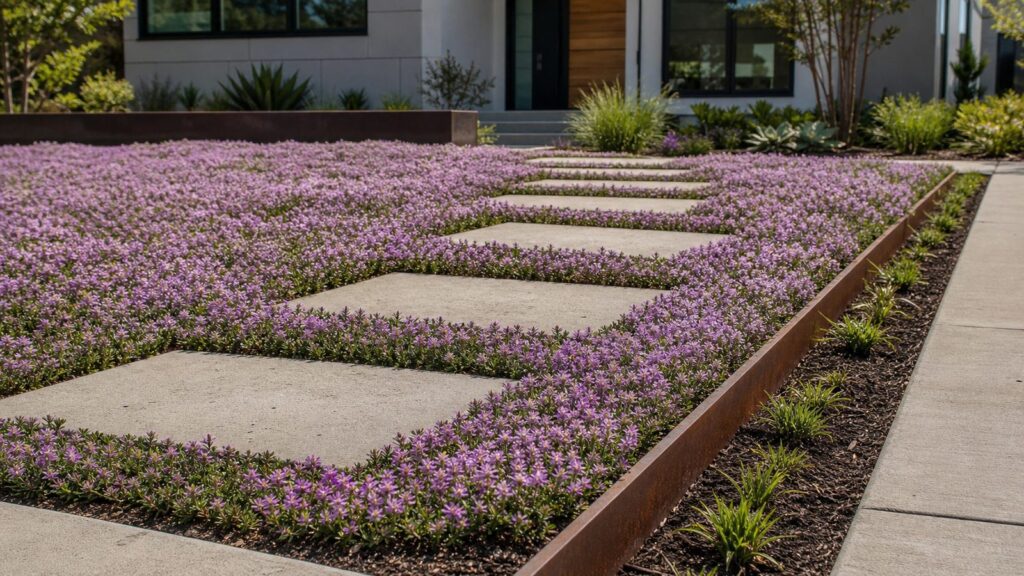
Use creeping thyme for front-yard lawn reductions, sunny strips along walkways, slopes, small courtyards, areas between pavers, and ornamental no-mow zones. For a whole backyard, a hybrid plan usually performs better: thyme in sunny show areas, stepping stones for traffic, clover or fine fescue in moderate-use areas, mulch or native beds under trees, and conventional turf only where it earns its keep.
What a Creeping Thyme Lawn Actually Is
Creeping thyme is a low-growing perennial groundcover, not turfgrass. Common lawn-type thymes include Thymus serpyllum, Thymus praecox, red creeping thyme, woolly thyme, mother-of-thyme, and lemon thyme. Depending on the type, mature height is usually about 1 to 6 inches.
Outdated Drivers Are Slowing You Down
One free scan finds every outdated or missing driver and matches the right update for your exact hardware.Free scan · exact hardware matchPC Slower Than It Used to Be?
A free scan shows the junk files, broken settings and background clutter dragging Windows down - then fixes them in one click.Free scan · Windows 10 & 11The appeal is obvious: aromatic foliage, summer flowers, pollinator value, deer resistance, and much lower mowing demand than grass. In mild climates, some varieties stay evergreen or semi-evergreen. In colder regions, winter browning and spring patchiness are normal possibilities.
#1 Best Overall
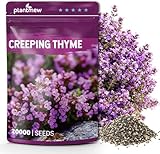
- 🌱 High Germination Ground Cover Seeds – Create a lush green carpet for paths, patios, and empty garden spaces.
- ☀️ Easy Growth & Low Maintenance – Thrives in full sun and poor soil, perfect for effortless landscaping.
- 🐝 Fragrant & Pollinator Friendly – Releases a pleasant scent when stepped on and attracts bees and butterflies.
- 🌿 Fast Spreading Coverage – Quickly forms a dense mat that helps suppress weeds.
- ❄️ Hardy Perennial Plants – Cold-hardy in zones 4–9 and returns year after year with minimal care.
The tradeoff is durability. Creeping thyme tolerates light to occasional foot traffic once established, but it does not recover from wear like a turfgrass lawn. Repeated running, bicycle traffic, dog paths, and compacted shortcuts can thin it out fast.
Where Creeping Thyme Works Best
The best creeping thyme lawn sites have three traits: full sun, fast drainage, and controlled traffic.
Good locations
- Front-yard lawn reductions where the space is mostly viewed, not used
- Sunny parkway strips or narrow side-yard bands
- Between stepping stones, flagstone, or pavers
- Small courtyards and patio edges
- Dry slopes where mowing is awkward
- Ornamental beds where a 1- to 4-inch groundcover fits the design
Poor locations
- Kids’ play lawns
- Dog runs or fenced pet relief areas
- Wet clay soils or low spots that hold water
- Dense shade under mature trees
- Compacted construction fill that has not been amended or loosened
- High-traffic routes from driveway to door, gate to patio, or patio to garage
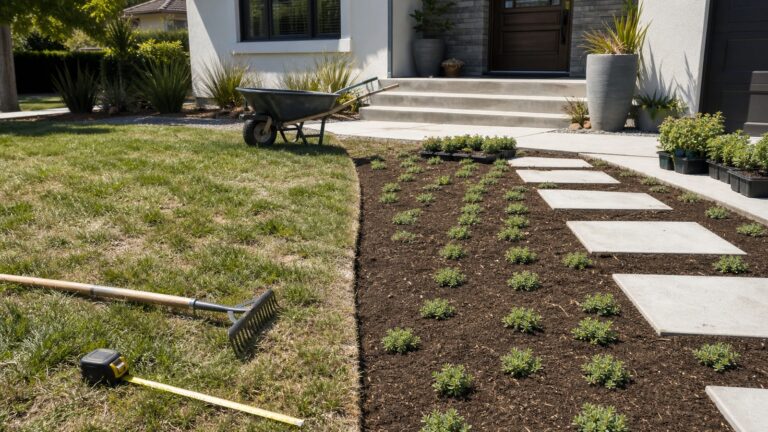
Before we specify creeping thyme, we watch how people move through the yard. If there is an obvious walking route, we build the path first. Flagstone, pavers, gravel paths, or stepping stones protect the planting and make the finished yard feel intentional instead of fragile.
What’s actually slowing this PC down?
Pick the symptom - the matching free tool is one click away.
Check Sun, Soil, and Drainage Before You Buy Plants
Creeping thyme wants full sun to very light shade. Plan on at least 6 hours of direct sun for dense growth and reliable flowering. It may survive in less, but survival is not the same as a tight, attractive lawn substitute.
Drainage is the bigger deal. Thyme prefers dry to well-drained soil and often struggles in heavy clay, compacted soil, or winter-wet areas. If a lawn area stays soggy after rain or irrigation, fix that condition first or choose another groundcover.
Simple drainage test
Dig a test hole about 12 inches wide and 12 inches deep. Fill it with water and let it drain once. Fill it again and time the second drain-down. If water is still standing after several hours, the site needs drainage correction before creeping thyme is a good bet.
For small areas, correction may mean loosening compacted soil, blending in mineral material for structure, regrading a shallow low spot, or redirecting irrigation overspray. For a larger wet yard, it may mean subsurface drainage, swales, or selecting sedges, rushes, or other plants better suited to moisture.
Seed, Plugs, or Pots: Which Planting Method Makes Sense?
You can start creeping thyme from seed, plugs, or small pots. Each method has a place, but they are not equal in speed or reliability.
| Method | Typical 2026 material cost | Best use | Main drawback |
|---|---|---|---|
| Seed | About $0.03-$0.15 per sq. ft. for seed alone | Budget projects, patient homeowners, larger low-risk areas | Slow germination, weed pressure, uneven coverage |
| Plug trays | About $1.10-$1.25 per plug from 128-plug trays | Front yards, visible areas, faster establishment | Higher plant cost, more planting labor |
| Retail pots | Often $5-$8+ per small pot | Small accents, paver joints, patch repairs | Too expensive for most lawn conversions |
Seed is cheapest on paper, but it is slow. creeping thyme seed commonly takes about 21 to 30 days to germinate when soil temperatures are warm enough, typically 60 degrees F or higher. It also needs light contact with firm, moist soil, so it should not be buried deeply. A seeded thyme area can take 18 to 24 months to look mature.
For a front-yard conversion, plugs are usually the more predictable choice. They cost more up front, but you start with living plants, get faster visual coverage, and reduce the window where weeds can take over. In visible areas, we prefer plugs at 6 to 8 inches on center. Where budget matters and the owner is willing to weed longer, 10 to 12 inches can work.
Spacing Math: How Many Creeping Thyme Plants You Need
Spacing drives both coverage speed and budget. Most practical layouts fall between 6 and 12 inches on center. A triangular staggered pattern fills visually faster than a square grid because the plants occupy the gaps more evenly.
The Tool Desk
Outbyte PC Repair FREEClear out junk files and repair common Windows errorsFree Scan →Outbyte Driver Updater FREEFix the driver behind crashes, sound loss and screen glitchesFind Drivers →| Spacing | Approx. plants per sq. ft. | Plants for 250 sq. ft. | Plant material at $1.25/plug |
|---|---|---|---|
| 12 inches | 1.0 | 250 | $312.50 |
| 10 inches | 1.44 | 360 | $450.00 |
| 8 inches | 2.25 | 563 | $703.75 |
| 6 inches | 4.0 | 1,000 | $1,250.00 |
For most homeowners, 8-inch spacing is the practical sweet spot for a high-visibility area. It costs more than 12-inch spacing, but it closes in faster and reduces weed maintenance. For a side yard or low-priority slope, 10- to 12-inch spacing may be reasonable if the soil is clean and you are prepared for spot weeding.
How Much a Creeping Thyme Lawn Costs in 2026
For a 2026 planning budget in the U.S., creeping thyme can be cheaper than sod if you seed it yourself, but more expensive than sod if you use plugs and hire proper installation. The old lawn removal, soil work, edging, paths, and irrigation changes often cost more than the plants.
| Project type | Typical planning range | What is included |
|---|---|---|
| DIY seed only | $0.03-$0.15 per sq. ft. | Seed material only, not prep, tools, soil, or watering |
| DIY plugs | About $1.25-$3.00+ per sq. ft. for plant material | Plug cost based on spacing and source |
| Professional groundcover installation | About $5-$12 per sq. ft. for simple prepared areas | Labor, layout, planting, basic prep; higher with grading or irrigation |
| Installed sod benchmark | Often $1-$3 per sq. ft.; $2-$4.50+ with removal and prep | Traditional turf installation for comparison |
A small 250 sq. ft. thyme conversion from plugs might pencil out like this: $700 in plugs at 8-inch spacing, $150-$400 in edging or path materials, $100-$300 in soil amendments and mulch or topdressing materials, and several weekends of labor. Professionally installed, that same small area may land around $1,250-$3,000 depending on demolition, access, grading, irrigation, and local labor.
In drought-prone regions, check for turf replacement rebates before you start. Some water districts offer meaningful incentives. For example, parts of San Diego County have listed turf replacement rebates around $3-$4 per sq. ft., with additional native-plant incentives in some cases. Rules vary by district, and many programs require approval before removal begins.
How to Prepare the Site
Site preparation decides the project. Creeping thyme cannot beat an established lawn, and it will not hide a bad grade, compacted soil, or irrigation pattern that keeps the bed soggy.
1. Confirm rules before removal
Check city rules, HOA guidelines, and water district rebate requirements before removing turf. Some neighborhoods regulate front-yard plant height, bare soil exposure, hardscape percentage, plant lists, irrigation equipment, or approval drawings. If you are applying for a rebate, take required before photos and wait for written authorization if the program requires it.
2. Remove existing grass and weeds
Do not sprinkle thyme seed into living turf. Remove the grass first. Options include sod cutting, sheet mulching, solarization, or targeted herbicide where appropriate and legal. Each method has tradeoffs in time, cost, disposal, and how soon you can plant.
Rank #2

- Quality Seed: Creeping thyme is a popular and adaptable dwarfing ground cover popular in landscaping. It is often used as a border between flower beds and between paving stones on sidewalks.
- Adaptable and hardy, these perennial seeds can be sown directly into well-drained, sunny garden soil, or started indoors.
- EASY TO PLANT: When the soil has reached 70 degrees and the threat of frost has passed, lightly press about 5 seeds into the soil surface (do not cover with soil) 6-12 inches. Keep the soil slightly moist until germination, which can be slow, taking about a month. Be careful with your seeds, as dry soil can cause germination failure.
- When walking on creeping thyme, it smells of vanilla to lemon and attracts butterflies and bees.
- High germination rate: This mulch seed is hardy but slow to germinate (about a month), carefully selected by our experts, so it has a high germination rate.
For a clean professional result, we want a weed-free planting surface, not a churned-up mix of living grass roots. If perennial weeds are present, plan extra time. Rushing this step usually means fighting weeds for the entire first season.
Recommended Free Tools
3. Correct grade and drainage
Grade the area so water moves away from foundations, walks, and patios. Avoid low pockets where irrigation or rain collects. Around homes, surface water management matters more than the plant palette. A beautiful groundcover over a drainage problem is still a drainage problem.
4. Prepare the soil surface
Loosen compacted soil to several inches deep without creating a fluffy, unstable bed. Blend amendments based on the actual soil, not guesswork. In many cases, thyme prefers a leaner, sharper-draining bed over rich, wet soil. If the site is heavy clay, improving structure and drainage is more important than adding fertilizer.
5. Install edging and paths
Install steel edging, stone borders, pavers, or stepping stones before planting. This prevents washout, keeps the bed defined, and gives people somewhere to walk while the plants establish.
How to Plant Creeping Thyme
Planting plugs
Lay out plugs in a staggered triangular pattern at 6 to 12 inches on center. For front yards, use 6 to 8 inches where the budget allows. For utility areas, 10 to 12 inches can work with more patience.
Free tools Windows power users keep installed
One-click scans. No signup required.
Plant each plug so the crown sits level with the surrounding soil. Do not bury the foliage. Firm soil around the plug to remove air pockets, then water thoroughly. If planting on a slope, work from the top down and use erosion control where needed so irrigation does not move soil before roots knit in.
Planting seed
For seed, prepare a clean, firm seedbed. Broadcast evenly, press the seed into the soil surface, and avoid burying it deeply. The seed needs light and steady moisture. A very light cover of fine material may help hold moisture, but heavy mulch can block germination.
Expect germination in roughly 21 to 30 days under warm conditions. During that window, the soil surface must stay consistently moist. Letting it dry out repeatedly is one of the fastest ways to get a thin, uneven stand.
Watering and Care During the First Year
Creeping thyme is drought tolerant after establishment, not during establishment. The first 6 to 8 weeks are the critical period for plugs, and seeded areas require careful moisture through germination and early growth.
Quick wins for a faster PC:
Clear out junk files and repair common Windows errorsFree Scan →Fix the driver behind crashes, sound loss and screen glitchesFind Drivers →Weeks 1-2
Keep the root zone consistently moist but not soggy. In warm weather, this may mean light watering once or twice a day for seed and frequent shallow watering for new plugs. The goal is moisture at the root area, not standing water.
Weeks 3-8
Gradually reduce frequency and water a little deeper. Check soil with your finger or a small trowel. If the top inch dries but the root zone still has moisture, wait. If plugs wilt and the root ball is dry, water.
After rooting
Shift toward deeper, less frequent irrigation. Established thyme often needs far less water than turfgrass, especially in dry climates, but it may still need supplemental water during heat waves, drought, or the first summer.
Outdoor water use is a real conservation issue. Nationally, average single-family homes use roughly 30% of household water outdoors, and in hotter, drier regions that share can reach about 70%. Replacing unused turf with low-water plantings can reduce irrigation demand, but only when the new landscape is designed and watered correctly.
Ongoing Maintenance: Low-Mow Does Not Mean No-Maintenance
A creeping thyme lawn needs less mowing than turfgrass, but it still needs attention. The first year is the most hands-on.
- Weed weekly during establishment, especially in seeded areas.
- Replace failed plugs early before gaps become weed pockets.
- Trim lightly after bloom if the planting looks uneven or leggy.
- Keep leaves and debris from smothering the mat.
- Maintain edging so grass does not creep back in.
- Watch irrigation heads so overspray does not keep the area wet.
Flowering is part of the value, but it comes with bees. That is good for pollinators and less ideal for barefoot traffic during bloom. If anyone in the household has serious bee-sting concerns, place thyme where people admire it instead of walking through it.
Independent reader supportYour contribution helps us test, update, and keep practical guides available for everyone.Common Problems and How to Avoid Them
Patchy growth
Patchiness usually comes from uneven watering, poor soil contact, weeds, shade, or spacing that was too wide for the homeowner’s maintenance tolerance. Fill gaps with plugs instead of waiting forever for thin plants to crawl across bare soil.
Winter browning or dieback
Some browning is normal in cold climates. Widespread dieback often points to wet winter soil, freeze-thaw heaving, or a variety poorly matched to the region. Use locally adapted plant lists and extension guidance before buying a full yard of one cultivar.
Rank #3

- Bulk Pack of 30,000 Tiny Red Creeping Thyme Seeds - Ideal for wide or compact areas; due to their fine size, we recommend mixing with sand or peat moss for easier sowing
- Soft Red Blooms in Summer: When properly germinated, creeping thyme forms vibrant lavender-red carpets that bloom in early summer. Please note that germination may take 2-4 weeks, and full coverage requires several months. The effort is well worth the wait for a visually rich and fragrant landscape
- Low-Maintenance Once Established: While red creeping thyme is drought-tolerant as a mature plant, the seeds require consistently moist (not soaked) soil and indirect sunlight during germination. After establishment, it thrives in sunny areas with minimal care
- Pollinator Magnet for Your Garden: Once in bloom, this thyme variety invites bees, butterflies, and hummingbirds, making it not only a ground cover but a vibrant hub for backyard biodiversity. Ideal for eco-conscious gardeners and pollinator-friendly zones
- Flexible for Many Uses: Suitable for borders, between stepping stones, or in rock gardens. For best results, scatter seeds evenly onto moist soil and press gently without covering them - light exposure improves germination
Weeds during establishment
Weeds are expected in year one. A clean seedbed, tight plug spacing, and regular hand weeding are the best controls. Herbicide options are limited once thyme is planted, so prevention matters.
Dog damage
Creeping thyme is a poor choice for a dog run. Urine spots, digging, and repeated running create bare paths. Use gravel, mulch, artificial turf, reinforced turf, or a designated pet surface where dogs concentrate activity.
Rot or thinning in wet areas
If thyme thins where water collects, do not keep replanting without fixing drainage. Regrade, reduce irrigation, improve soil structure, or switch plants.
When to DIY and When to Hire a Pro
DIY makes sense for a small, flat, sunny area under about 300 sq. ft. where you are comfortable removing turf, preparing soil, installing edging, and watering daily during establishment. A weekend gardener can plant plugs between pavers or convert a small front strip successfully with patience.
Hire a pro when the project involves drainage correction, slopes, irrigation conversion, HOA drawings, rebate documentation, large turf removal, or a front yard where curb appeal matters. Professional installation costs more, but layout, grading, plant spacing, and irrigation are the difference between a durable landscape and a patchy experiment.
We also recommend professional help when the area touches building drainage. Soil and water against a foundation can create expensive problems. Lawn conversion should improve water management, not compromise it.
Best Design Approach: Use Creeping Thyme as Part of a System
The strongest thyme lawns are rarely pure thyme from property line to porch. A mixed design is more resilient and easier to live with.
Use creeping thyme in sunny visual zones. Add stepping stones where feet naturally land. Use mulch or native planting beds under trees. Consider clover, fine fescue, sedges, or regionally appropriate groundcovers in moderate-use areas. Keep a small area of turf if it serves a real function.
That approach gives you the water savings and pollinator value without pretending thyme can do every job grass does. It also makes repairs easier. If one planting type struggles, the whole yard does not fail at once.
Bottom Line
A creeping thyme lawn is a good choice for a sunny, well-drained, low-traffic area where you want less mowing, lower water use, flowers, fragrance, and a softer landscape look. It is a poor choice for shade, wet clay, dogs, sports, and daily foot traffic.
Budget realistically. Seed may cost only pennies per square foot, but it is slow and unforgiving. Plugs are faster and more reliable, commonly putting plant material around $1.25-$3.00+ per sq. ft. before prep and labor. Professional installation often falls around $5-$12 per sq. ft. for straightforward groundcover work and can rise when grading, edging, irrigation, or drainage correction is required.
If you start small, build paths first, correct drainage, space plugs tightly enough, and water properly for the first season, creeping thyme can be a durable and attractive lawn reduction tool. Treat it like a landscape installation, not a shortcut, and your odds improve dramatically.
Frequently Asked Questions
Can creeping thyme really replace a grass lawn?
It can replace grass in small, sunny, well-drained, low-traffic areas. It is not a true turfgrass replacement for play yards, dog runs, shaded lawns, compacted clay, or wet sites.
How much does a creeping thyme lawn cost in 2026?
DIY seed may cost about $0.03-$0.15 per square foot for seed alone. Plug material commonly runs about $1.25-$3.00+ per square foot depending on spacing. Professional installation often plans around $5-$12 per square foot for simple prepared groundcover areas.
Is it better to plant creeping thyme from seed or plugs?
Use seed when budget matters and you can wait 18-24 months for mature coverage. Use plugs when you want faster, more reliable coverage, especially in a visible front-yard area.
How long does creeping thyme take to fill in?
Seed commonly germinates in about 21-30 days under warm conditions, but mature coverage can take 18-24 months. Plugs fill faster, especially when spaced 6-8 inches on center.
What’s actually slowing this PC down?
Pick the symptom - the matching free tool is one click away.
Can you walk on a creeping thyme lawn?
Yes, once established, it can handle light occasional foot traffic. It should not be used for heavy daily traffic, sports, dog paths, or main walking routes unless stepping stones or a walkway are installed.
Do you need HOA approval or a permit to replace grass with creeping thyme?
Check before removing turf. Some cities, HOAs, and rebate programs regulate front-yard conversions, plant lists, irrigation changes, hardscape percentages, and required approval photos.
Quick Recap
Product prices and availability are accurate as of the date/time indicated and are subject to change. Any price and availability information displayed on Amazon at the time of purchase will apply.