Recommended Free Tools
White balls in houseplant soil are most often harmless, but they are not automatically fungus, and a photo alone cannot tell you what they are. Some are fungal survival structures tied to a soil-dwelling fungus. Others can be mineral or fertilizer salt deposits. The practical response is the same for most cases: stop overwatering, let the surface dry, remove any visible mushrooms, and keep them away from children and pets. Identification only matters if it changes how you care for the plant.
What the white balls usually are
Three things commonly show up as white or pale material on potting soil. Each calls for slightly different handling.
Fungal structures and mushrooms
University of Florida IFAS Extension describes several mushroom-forming fungi that colonize potted soil. Some of them produce sclerotia, which are small, hard survival structures the fungus uses to persist. A ball that is attached to fungal threads (mycelium) or that sits near a developing mushroom fits this pattern. The ball itself still cannot be named from appearance. Identifying the species requires a specimen, and even then it is a diagnostic task rather than a guess from the photo. (UF/IFAS Extension, PP377)
Mineral and fertilizer salt deposits
University of Maryland Extension identifies mineral and fertilizer salts as a common cause of white residue on indoor plant soil. The crust is usually a surface deposit rather than living growth. Salts left behind by repeated fertilizing and evaporation can compete with roots for moisture, damage tissue if they accumulate, shift the pH of the growing medium, and interfere with nutrient uptake. (University of Maryland Extension)
#1 Best Overall

- OUTDOOR POTTING SOIL: Miracle-Gro Organic Outdoor Potting Mix contains a quick-release natural plant fertilizer and also feeds plants for up to 2 months
- PEAT MOSS: This organic potting soil mix is made with responsibly sourced peat (one hundred percent of peat sourced from certified producers)
- OUTDOOR CONTAINER USE: Use this organic potting mix with all types of outdoor container plants, including flowers, vegetables, herbs, annuals, and perennials
- HOW TO USE: To plant in pots, fill the container partially full with this potting soil for outdoor plants, place the plant in the pot after loosening the root ball, cover with more mix and water thoroughly
- COVERAGE: One 16 qt. bag of Miracle-Gro Organic Outdoor Potting Mix fills one 12-inch pot with garden soil for containers (amounts may vary based on the size of the root ball)
Other material
Mold-like films, bits of perlite or other amendments, and residue from previous fertilizer applications can also look white. Extension sources reviewed here do not offer a reliable home test that separates these materials from fungal structures, so the physical differences below are only a starting point.
| Feature | Fungal structure or mushroom | Mineral or fertilizer salt deposit |
|---|---|---|
| Typical form | Compact balls, threads, or emerging fruiting bodies (mushrooms) | Crust or powdery surface residue |
| Connection to moisture | Linked to persistently wet, humid, poorly drained mix (UF/IFAS) | Builds up as water evaporates and leaves salts behind (University of Maryland Extension) |
| Plant impact | Most mushroom-forming fungi in pots are not plant pathogens, but identity is uncertain | Can compete for moisture, burn or desiccate tissue, affect pH, and block nutrient absorption |
| Main response | Adjust watering and drying, remove visible mushrooms, keep them away from pets and children | Address fertilizer practice and flushing; confirm with local Extension where the distinction matters |
Why they appear now
UF/IFAS lists the conditions that favor mushrooms in potting soil: high moisture, high humidity, warmth, low light, poor drainage, and a high amount of organic matter. Overwatering can encourage fungal growth and fruiting. Mushrooms may come up from the topsoil or from the drainage holes. These are favorable conditions rather than proof that a single watering caused a particular case. A plant on a shaded windowsill in a humid room, in a pot with a saucer that stays full, is a common setup for both fungi and salt crusts.
Rank #2
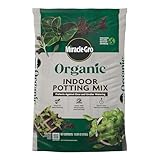
- HELPS REGULATE SOIL MOISTURE: Miracle-Gro Organic Indoor Potting Soil Mix is an organic potting soil that protects indoor plants against over and under watering
- INDOOR PLANT SOIL: This organic container mix for indoor gardening is made with responsibly sourced sphagnum peat moss (one hundred percent of peat sourced from certified producers), coir, and quick-start natural fertilizer
- WHERE TO USE: Use this indoor potting soil mix with all types of indoor container plants, including houseplants and herbs; also great for seed starting
- HOW TO USE: To plant seeds, fill container with organic soil for indoor plants, follow seed package directions and water; to use with transplants, partially fill container, place plant after loosening root ball, cover with more mix pressing lightly, water thoroughly and let drain
- COVERAGE: One 16 qt. bag of Miracle-Gro Organic Indoor Potting Mix fills one 12-inch container with potting soil for indoor plants (amounts may vary based on the size of the root ball)
Does it harm the plant?
Usually not directly. UF/IFAS states that most mushroom-forming fungi growing in potting soils are not pathogens of potted plants. Iowa State University Extension gives a specific example. For the yellow mushroom Leucocoprinus birnbaumii, Iowa State says it breaks down dead organic matter in potting soil and “does not harm living plants and mushrooms do not need to be removed for the plant’s sake.” That statement applies to that species only. It does not clear every unidentified growth.
Keep the reassurance tied to the whole picture. UF/IFAS notes that very hot and wet conditions can also favor fungi and bacteria that cause root or stem rot. If the plant is wilting, has soft or darkened stems, or has a foul smell at the base, treat the soil growth as a symptom to investigate rather than the cause.
Rank #3

- Includes 6qt of Back to the Roots Indoor Potting Mix. Our Potting Mix contains organic yucca extract that aids in retaining moisture in the soil which keeps your indoor plants happy and healthy
- ROOT-BOOSTING MYCORRHIZAE: This beneficial soil component provides your plants with a natural, organic way to boost their root development and nutrient uptake
- ORGANIC AND PEAT-FREE: Our indoor potting mix helps reduce greenhouse emissions and environmental impact, making it a responsible choice for conscious consumers
- BALANCING DOLOMITIC LIMESTONE: Balances the alkalinity and acidity levels of the soil, which ensures that your plants receive the necessary nutrients from the potting mix to grow healthy and strong
- SAFE FOR PETS AND PEOPLE: Made without bark or compost, this potting mix is less prone to indoor gnats and pests, making it a worry-free option for your indoor gardening needs
Safety: do not eat unknown fungi
Handling is not the risk. UF/IFAS states, “Touching and handling mushrooms is not dangerous. However, you should never ingest any unknown fungi.” Some common potted-soil mushrooms are toxic when eaten. UF/IFAS names L. birnbaumii and some species of Conocybe and Lepiota, and Iowa State regards L. birnbaumii as poisonous to people and animals.
- Never taste or chew unidentified growth, including the balls.
- Remove and discard visible fruiting bodies if children or pets can reach the pot.
- If ingestion is suspected, contact a poison control center right away. For Florida, UF/IFAS lists Florida Poison Control at 800-222-1222. Outside Florida, use your local poison control service.
What to do, step by step
- Check the watering routine first. Confirm that the top layer of mix dries between waterings and that the pot drains. Empty saucers after watering. Water at the base of the plant rather than overhead where that suits the species, and reduce irrigation if the mix stays wet for days.
- Help the surface dry and aerate. UF/IFAS suggests raking the top of the soil lightly to aerate it and let it dry. Move the plant to brighter, better-ventilated light if it is in a dim, humid spot.
- Remove visible mushrooms by hand. Pull them out with gloves, bag them, and discard them. Removal is a cleanup and safety step. It does not confirm that the underlying fungus is gone, so keep the drying routine going.
- Leave fungicide on the shelf by default. Iowa State says fungicide treatments are generally not effective against mushrooms. UF/IFAS recommends checking with a local county Extension office before applying fungicides or other chemical products, and pairing any chemical use with cultural changes.
- Flush suspected salt deposits. If the white layer is a salt crust, the University of Maryland Extension source points to fertilizer practice as the underlying issue. Reduce fertilizer strength and frequency, then water thoroughly to leach salts out of the root zone.
- Repot only when the whole area is colonized. UF/IFAS recommends removing the entire colonized mulch area and replacing soil when that whole area is highly colonized. A few balls on an otherwise healthy pot do not call for automatic repotting. If you do repot, use fresh potting mix and clean the container.
When identification matters
Get help if you need to know what the fungus is, if the plant is declining, or if a child or pet has been exposed. UF/IFAS recommends submitting fresh specimens promptly, several when possible. Photograph the substrate, the cap top, the full stalk, and the underside so the gills are visible, and include a familiar object for scale. Then contact a local Extension office or diagnostic clinic.
Rank #4
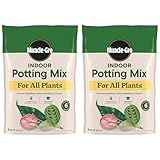
- Miracle-Gro Indoor Potting Mix for All Plants feeds houseplants for up to 6 months and grows healthier, more resilient plants (vs unfed when used as directed)
- This potting mix contains sphagnum peat moss, coconut coir, and perlite to help with water retention and release so indoor plants can flourish, and does not contain compost or bark, which are known to shelter fungus gnats
- Blended potting soil for a wide variety of indoor container plants, including herbs, climbing, foliage, and flowering plants
- Simply add this ready-to-use indoor soil to containers following label directions - no mixing or blending needed
- Bundle comes with 2 bags of Miracle-Gro Indoor Potting Mix for All Plants; each 6 qt. bags fills four 6-inch containers (exact amounts may vary depending on the size of the root ball)
A soil moisture meter can help you judge whether the mix is staying wet, which is the main driver of fungal growth. It is an aid, not a diagnosis, and no cited university endorses a specific meter. Replacing all the soil in every pot with visible growth is not necessary, and it is only a conditional option for heavily colonized mix.
Quick Recap
Best Value

- Miracle-Gro Indoor Potting Mix for All Plants feeds houseplants for up to 6 months and grows healthier, more resilient plants (vs unfed when used as directed)
- This potting mix contains sphagnum peat moss, coconut coir, and perlite to help with water retention and release so indoor plants can flourish, and does not contain compost or bark, which are known to shelter fungus gnats
- Blended potting soil for a wide variety of indoor container plants, including herbs, climbing, foliage, and flowering plants
- Simply add this ready-to-use indoor soil to containers following label directions - no mixing or blending needed
- One 16 qt. bag of Miracle-Gro Indoor Potting Mix for All Plants fills four 8-inch containers (exact amounts may vary depending on the size of the root ball)
Sources
- UF/IFAS Extension, A Basic Guide to Mushrooms Commonly Encountered in Potted Plants in Florida: https://ask.ifas.ufl.edu/publication/PP377
- Iowa State University Extension and Outreach, Will yellow mushrooms harm my houseplant? (updated January 14, 2025): https://yardandgarden.extension.iastate.edu/faq/will-yellow-mushrooms-harm-my-houseplant
- University of Maryland Extension, Mineral and Fertilizer Salt Deposits on Indoor Plants: https://www.extension.umd.edu/resource/mineral-and-fertilizer-salt-deposits-indoor-plants
“
Product prices and availability are accurate as of the date/time indicated and are subject to change. Any price and availability information displayed on Amazon at the time of purchase will apply.
What’s actually slowing this PC down?
Pick the symptom - the matching free tool is one click away.




