Do these 3 things before closing this tab:
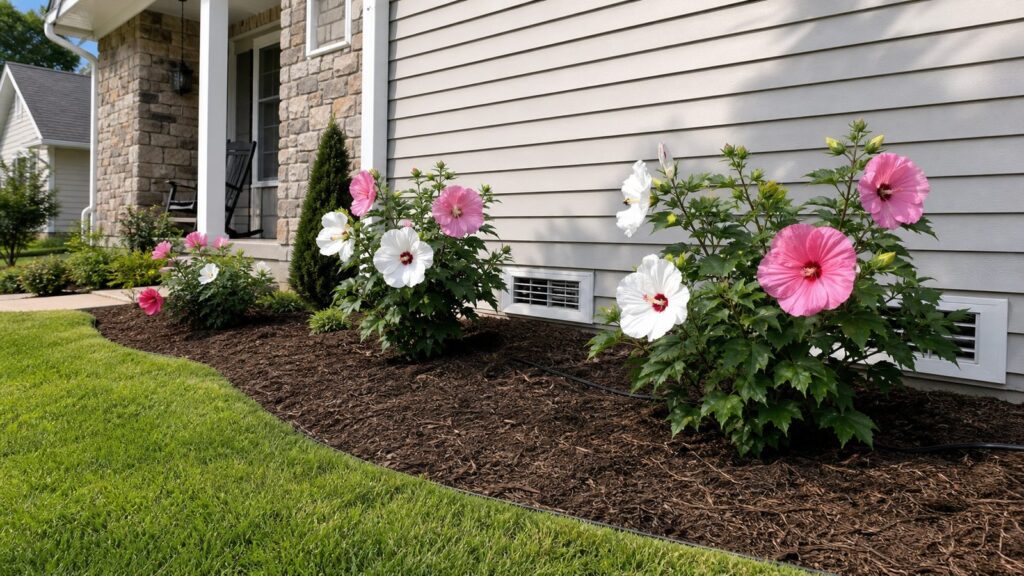
1Repair Windows errors before they cause bigger problems2Scan for outdated or missing drivers - takes under a minute3Clear out junk files and repair common Windows errorsHardy hibiscus is one of the best late-summer perennials for homeowners who want big color without treating the plant like a seasonal annual. It is not the same plant as tropical hibiscus. Hardy hibiscus, also sold as perennial hibiscus, rose mallow, swamp rose mallow, or Hibiscus moscheutos hybrids, dies back to the ground in winter and returns from the crown when the soil warms in spring.
The short answer: plant hardy hibiscus in full sun, give it consistent moisture, allow 3 to 5 feet of mature width for most modern cultivars, mulch it 2 to 3 inches deep without burying the crown, and do not assume it is dead in April. This plant is famous for breaking dormancy late.
On our job sites, we treat hardy hibiscus less like a delicate flower and more like a high-impact landscape component. The plant can be tough, but the location still matters. Put it too close to siding, vents, compacted clay, buried utilities, or a dry bed with no irrigation, and you will spend more time correcting the installation than enjoying the flowers.
What Hardy Hibiscus Is, and What It Is Not
Hardy hibiscus is a cold-hardy perennial grown for large, open-faced flowers that commonly reach 8 to 12 inches across on many modern cultivars. It is a North American landscape plant, and many garden varieties are bred from rose mallow types that tolerate moist soil better than many common perennials.
| # | Preview | Product | Price | |
|---|---|---|---|---|
| 1 |

|
3 Mixed Hardy Hibiscus Plants Live, Flowering Shrub, 4-7 Inch Tall | $22.99 | Buy on Amazon |
| 2 |

|
Set of 2 Hardy Hibiscus Luna Mix Live Starter Plants, 4-8 Inches | $24.99 | Buy on Amazon |
Most hardy hibiscus cultivars grow in USDA Zones 4 or 5 through 9, depending on the variety. Many Proven Winners perennial hibiscus cultivars are listed for Zones 4 to 9, while many botanical garden listings place individual cultivars in Zones 5 to 9. That distinction matters if you are planting in the Upper Midwest, New England, the Mountain West, or anywhere winter temperatures test the bottom of the plant’s range.
Tropical hibiscus is different. It is usually grown as a patio plant or warm-climate shrub and will not reliably overwinter outdoors in cold regions. If the plant tag says tropical hibiscus and you live where winter freezes are normal, do not expect it to return from the ground the way hardy hibiscus does.
#1 Best Overall
- No flower on arrival
- Produce large, showy blooms in a variety of bright colors, adding bold summer appeal to patios, borders, and containers
- Bushy tropical shrubs that thrive in full sun
- USDA zones 9-11 (or as annuals/container plants in cooler areas)
- Prefers heat and well-draining soil
Best Place to Plant Hardy Hibiscus
The best location for hardy hibiscus is a sunny bed with dependable water and enough physical room for the mature plant. That sounds simple, but it is where most long-term success is decided.
Sunlight
Give hardy hibiscus at least 6 hours of direct sun per day. Full sun produces the strongest stems and the most flowers. Light shade is not always fatal, especially in hot southern climates, but too much shade usually means fewer blooms, thinner stems, and plants that lean toward the light.
If you are choosing between morning sun and afternoon sun, a site with strong morning light and some late-day relief can work in hot regions. In cooler climates, more sun is usually better. Avoid planting behind fast-growing shrubs or ornamental grasses that will shade the crown by midsummer.
Space and Mature Size
Modern hardy hibiscus cultivars commonly mature around 3 to 5 feet tall and wide, but the full category can range from about 2 to 10 feet tall. That is too wide a range for guessing. Choose by cultivar size first and flower color second.
For a typical 4-foot-wide cultivar, we would not set plants 18 inches apart just because the nursery pot looks small. A 3-plant grouping often looks best, but spacing should follow the expected mature width. For a cultivar listed at 4 feet wide, plan roughly 42 to 48 inches on center. For a compact 3-foot cultivar, 30 to 36 inches on center is more reasonable. For larger rose mallow selections, give them 5 feet or more.
Foundation Beds and Building Clearance
Hardy hibiscus can work in sunny foundation beds, but it should not be jammed against the house. Keep mature foliage off siding, weep screeds, vents, crawlspace openings, dryer exhausts, hose bibs, and low windows. A plant that looks harmless in a 2-gallon pot can be a 4-foot mound by late summer.
As a practical rule, set a 4-foot-wide cultivar so the crown is at least 30 inches away from the foundation wall, and farther if the bed is narrow or the siding needs airflow. Do not use hardy hibiscus to hide drainage problems. Wet soil in a planting bed is one thing; water sitting against a foundation is another.
Soil, Drainage, and Water Requirements
Hardy hibiscus likes consistent moisture. It tolerates average to wet soil better than many perennials, which is why it is often a good fit near rain-garden edges, low sunny beds, pond margins, and irrigated patio plantings. The mistake is thinking wet-tolerant means bad drainage is acceptable anywhere.
Moist Soil Is Not the Same as Bad Grading
A good hardy hibiscus bed can stay evenly damp after irrigation or rainfall. A bad bed holds stagnant water because the grade is wrong, downspouts dump into the planting zone, or compacted clay forms a bowl around the root system. That can rot crowns, wash mulch over stems, and create moisture issues around patios, slabs, and foundations.
On construction and landscape jobs, we look at where water goes before we talk about plants. Soil should slope away from buildings, hardscape edges should not trap runoff against the bed, and downspout discharge should be managed before planting. If a bed stays saturated for days after every rain, fix the drainage first.
The Tool Desk
Outbyte PC Repair FREERepair Windows errors before they cause bigger problemsFix Now →Outbyte Driver Updater FREEFix the driver behind crashes, sound loss and screen glitchesFind Drivers →Clay Soil
Hardy hibiscus can grow in clay soil if moisture and oxygen stay in balance. The best approach is to improve a broad planting zone, not one tiny over-amended hole. Digging a rich compost pocket in heavy clay can create a bathtub effect where water collects around the plant.
For a new bed, loosen the top 8 to 12 inches across the full planting area and blend in compost over the zone. Keep the native soil part of the mix so water moves more evenly between the planting area and the surrounding ground. After planting, apply 2 to 3 inches of mulch over the root zone, keeping mulch pulled back from the crown and stems.
Watering
Newly planted hardy hibiscus should not dry out during its first summer. In normal weather, plan on deep watering 2 to 3 times per week for the first several weeks, then adjust based on rainfall, soil type, and heat. In sandy soil or 95-degree weather, you may water more often. In clay soil after heavy rain, you may water less.
A mature plant still performs best with steady moisture. If the leaves wilt hard every afternoon and flowers drop quickly, the bed is likely too dry or the root system is still establishing. Drip irrigation or a soaker line under mulch is cleaner than overhead watering and usually cheaper to install before the plants fill in.
Quick wins for a faster PC:
Fix the driver behind crashes, sound loss and screen glitchesFind Drivers →Clear out junk files and repair common Windows errorsFree Scan →How to Plant Hardy Hibiscus
Plant hardy hibiscus after the danger of hard frost has passed and the soil is workable. Spring and early summer are ideal in most regions because the plant has a full growing season to establish before winter. Fall planting can work in warmer zones, but in colder climates we prefer giving the crown more time to root before freeze-thaw cycles begin.
Planting Steps
- Call 811 before digging. This is required safety practice before landscape digging, including beds, irrigation lines, edging, and larger planting holes. Allow time for utilities to be marked before work starts.
- Confirm mature spacing. Check the plant tag and record the cultivar name. Photograph the tag at installation so replacement size and bloom expectations are documented.
- Prepare the bed. Loosen a broad zone 8 to 12 inches deep. Blend compost into the full bed if soil is compacted or low in organic matter.
- Dig the hole. Make it about twice as wide as the root ball, but no deeper than the container. The crown should sit at or slightly above surrounding grade, not buried.
- Set the plant. Remove the pot, loosen circling roots if needed, and place the root ball so the top aligns with the finished soil level.
- Backfill and water in. Use the amended site soil, firm gently by hand, and water thoroughly to settle air pockets.
- Mulch correctly. Apply 2 to 3 inches of mulch over the bed, but leave a small open ring around the crown and stems.
- Install irrigation early. A drip line or soaker hose placed before mulching saves labor and prevents later damage to stems and roots.
Do not bury the crown under mulch, compost, or washed sediment. Hardy hibiscus returns from that crown in spring, so keeping it healthy is the whole game.
Seasonal Care Calendar
Hardy hibiscus care is straightforward once the plant is in the right place. The main tasks are watering, mulching, cutting back dead stems, and resisting the urge to declare the plant dead too early in spring.
Spring
Hardy hibiscus is late to emerge. In many regions, hostas, daylilies, and ornamental grasses may be moving before hibiscus shows anything. Wait until the soil warms and new shoots appear at the crown before making conclusions.
Once you see new crown growth, cut old dead stems back to about 4 to 6 inches or just above the emerging shoots. If you cut too aggressively before you can see where the new growth is, you risk damaging the crown. Refresh mulch after cleanup, again keeping it off the crown.
Summer
Summer is when hardy hibiscus earns its space. Blooms usually run from midsummer into early fall, depending on cultivar and climate. Keep the soil consistently moist, especially during the first year. If plants are in large containers, check them daily during heat waves.
Fertilizer needs are moderate. In average garden soil, a balanced slow-release fertilizer in spring is usually enough. Avoid pushing too much nitrogen, which can produce excess foliage at the expense of flowers and may encourage weak growth.
Fall
After frost, the top growth will collapse or brown out. You can cut stems back in fall or leave them standing until late winter or early spring. In colder regions, leaving some stems can help mark the crown location so nobody digs into it or assumes the space is empty.
Do not mound wet mulch heavily over the crown. A normal 2- to 3-inch mulch layer around the root zone is useful; a buried crown is not.
Winter
Hardy hibiscus survives winter from the crown and root system. The top growth is not expected to remain attractive. In borderline zones, mulch can help moderate soil temperature swings, but drainage still matters. Freeze-thaw cycles in soggy soil can be harder on crowns than cold alone.
Best Landscape Uses
Hardy hibiscus is not a subtle filler plant. It is a late-season focal point, and it looks best when the bed design gives it room to be bold without crowding walkways or structures.
Back of Perennial Beds
Use hardy hibiscus behind lower perennials where the large foliage and big flowers can anchor the bed. Pair it with spring and early-summer bloomers so the bed has interest before hibiscus reaches full size. Good companions include salvia, catmint, daylilies, coneflowers, ornamental grasses, and spring bulbs, depending on your region and sun exposure.
What’s actually slowing this PC down?
Pick the symptom - the matching free tool is one click away.
Rank #2
- Plant Details: Hardy Hibiscus Luna Mix (Hibiscus moscheutos) is a cold-hardy perennial with enormous dinner-plate-sized blooms from midsummer to fall, dying back in winter and returning bigger and fuller with each passing year.
- What's Included: You'll receive 2 live Hardy Hibiscus Luna starter plants, 4-8 inches tall, shipped without a pot (no pot included), ready to plant in the ground or a container of your choice.
- Growing Tips: Plant in full sun in rich, consistently moist, well-draining soil. This hibiscus loves water and heat, cut it back to the ground after the first frost and it will return even stronger the following spring.
- Before You Order, Please Note: Photos are for illustration purposes and show mature plants in full bloom for reference. You will receive young starter plants that will grow and bloom like this over time. Plants may arrive slightly wilted after time in transit. This is completely normal, and once planted and watered, they typically perk back up within a few days to a couple of weeks with proper care.
- Our Promise: Each plant is carefully packaged for a safe journey. If your order arrives damaged, reach out and we'll make it right. Your satisfaction matters to us.
Rain-Garden Edges
Hardy hibiscus can be a strong choice near rain-garden edges where soil remains moist but the crown is not buried by runoff. Place it high enough that sediment and mulch do not wash over the crown during storms.
Pool and Patio Color Beds
The tropical-looking flowers work well around patios and pools, especially where homeowners want summer color without replanting annuals every year. Plan for irrigation access. Reflected heat from pavement can dry beds quickly, even when the plant is technically moisture tolerant.
Large Containers
Hardy hibiscus can grow in large containers, but the container must be big enough and watered reliably. For most cultivars, use a container at least 18 to 24 inches wide with drainage holes. In hot weather, a container plant may need water daily. In cold climates, container-grown crowns are more exposed to freezing than plants in the ground.
Independent reader supportYour contribution helps us test, update, and keep practical guides available for everyone.2026 Hardy Hibiscus Costs
In 2026, hardy hibiscus pricing varies by pot size, cultivar, brand, shipping, and region. Plant-only retail prices commonly range from about $30 to $85 per plant. A practical DIY installed budget is about $45 to $120 per plant once you include compost, mulch, starter fertilizer, and basic irrigation supplies. For a small professional planting, a reasonable installed range is about $75 to $175 per hardy hibiscus, with full bed renovations and drainage work priced separately.
Crashes, No Sound, or Screen Glitches?
Random freezes, missing sound and display glitches usually trace back to one bad driver. Find and replace yours safely.Free scan · under a minuteWindows Errors? Fix Them Before They Spread
Repair common Windows errors and clear accumulated junk for a smoother, more stable PC - no reinstall needed.Free scan · no reinstall| Item or Scope | Typical 2026 US Cost | What It Usually Includes |
|---|---|---|
| 1-gallon hardy hibiscus | $35-$44 | Smaller nursery plant, often ordered online or bought locally |
| 2-gallon branded perennial hibiscus | $44-$45 | Common big-box size for Proven Winners-type cultivars |
| 3-gallon local nursery plant | $30-$50 | Larger plant, often a better immediate landscape effect |
| Premium shipped 3-gallon plant | $80-$85 | Higher shipping and handling cost, cultivar dependent |
| DIY installed cost per plant | $45-$120 | Plant, compost, mulch, starter fertilizer, basic drip or soaker supplies |
| Professional small planting per plant | $75-$175 | Plant, labor, basic bed prep, planting, mulch; varies by site |
| Flower bed installation context | $800-$3,000 | Broader bed preparation, planting, mulch, and layout work |
| General landscaping project context | $3,300-$13,200 | Larger landscape scope; often $4.50-$17.00 per square foot |
Cost drivers include cultivar licensing, pot size, local availability, shipping, seasonality, bloom-stage demand, number of plants, soil compaction, irrigation access, mulch type, edging, and whether drainage correction is needed. A simple sunny bed with loose soil and water nearby is inexpensive. A compacted clay foundation bed with poor grading, no irrigation, and buried utility conflicts is not the same job.
When to DIY vs When to Hire a Pro
Hardy hibiscus is a good DIY plant when the bed is already in decent shape. If you can safely dig, confirm utilities, improve the soil, water consistently, and place the plant with mature spacing, the work is manageable for a homeowner.
DIY Makes Sense When
- You are planting 1 to 5 plants in an existing sunny bed.
- The soil drains reasonably and does not stay waterlogged against a structure.
- You can call 811 and wait for utility markings before digging.
- You have a hose, drip line, or soaker hose available.
- The bed does not need grading, edging replacement, or major soil correction.
For DIY, budget $45 to $120 per plant. Buying several plants at once can reduce the per-plant cost because mulch, compost, and irrigation parts are cheaper in bulk.
Hire a Pro When
- The bed is near buried utilities, exterior electrical, gas lines, irrigation mains, or drainage piping.
- Water is collecting near the foundation, patio, driveway, or walkway.
- The soil is heavily compacted clay and needs broad amendment.
- You want a full bed layout with multiple bloom seasons, not just one plant.
- The project includes edging, grading, downspout routing, irrigation changes, or a larger mulch installation.
Professional installation is not just about digging a hole. The value is in placing the plant where it will not create future maintenance problems. On our crews, we look at mature size, drainage paths, siding clearance, utility marks, irrigation coverage, and bed access before the plant goes in.
Free tools Windows power users keep installed
One-click scans. No signup required.
Safety, Utility, and HOA Notes
Call 811 before digging. This applies to landscape planting, bed expansion, edging installation, irrigation work, and drainage improvements. Utility depths are not consistent, and old service lines are not always where a homeowner expects them to be. Give the marking process time before starting work.
Keep plants and digging away from utility boxes, meters, transformers, cleanouts, and service panels. Do not plant hardy hibiscus where mature stems block access to equipment. Around electrical transformers and utility cabinets, follow the clearance requirements from the utility provider, not just what looks acceptable on planting day.
If you live in an HOA community, check rules before installing large perennial beds in front yards, easements, drainage swales, or shared-entry areas. Hardy hibiscus can look shrub-sized by late summer, and some associations regulate plant height, bed expansion, and sightlines at sidewalks or driveways.
Common Hardy Hibiscus Mistakes
The most common mistake is buying tropical hibiscus instead of hardy hibiscus. The second is planting hardy hibiscus in too much shade and wondering why it barely blooms. The third is giving up on it too early in spring.
Recommended Free Tools
Another frequent issue is underestimating size. A 3-gallon plant may look compact at the nursery, but many cultivars finish the season 3 to 5 feet across. If you plant it 18 inches from a walkway, you may be pruning constantly or removing it later.
Mulch mistakes also show up often. Mulch should protect the root zone and conserve moisture, not bury the crown. Keep mulch 2 to 3 inches deep and pull it back from stems. In rain-garden areas, check after heavy storms to make sure runoff has not pushed mulch or sediment over the crown.
Finally, do not skip irrigation planning. Hardy hibiscus likes moisture, and hand-watering a crowded bed in August gets old quickly. A simple drip line under mulch is one of the best small upgrades you can make during installation.
Bottom Line
Hardy hibiscus is a strong choice for sunny landscapes that need serious late-summer color. It gives you the look of a tropical flower with the winter behavior of a perennial, provided you buy the right plant and place it correctly.
For best results, give it 6 or more hours of sun, steady moisture, 3 to 5 feet of mature room for most modern cultivars, and a bed that drains away from buildings and hardscape. Plan on $45 to $120 per plant for DIY installation or $75 to $175 per plant for a straightforward professional planting in 2026. If the project involves grading, clay correction, irrigation, or a full bed renovation, price that as landscape work, not just plant installation.
Frequently Asked Questions
Is hardy hibiscus the same as tropical hibiscus?
No. Hardy hibiscus is a cold-hardy perennial that usually dies back to the ground in winter and returns from the crown in spring. Tropical hibiscus is generally treated as a warm-climate shrub or patio plant and will not reliably overwinter outdoors in cold regions.
What USDA zones can hardy hibiscus grow in?
Many hardy hibiscus cultivars grow in USDA Zones 4 or 5 through 9. Always check the specific cultivar tag because cold tolerance varies, especially in northern climates.
Why is my hardy hibiscus not coming back in spring?
Hardy hibiscus is late to emerge. Wait until the soil warms and look for new shoots at the crown before assuming the plant died. In many areas, it starts later than other perennials.
Quick wins for a faster PC:
Clear out junk files and repair common Windows errorsFree Scan →Scan for outdated or missing drivers - takes under a minuteDriver Scan →Repair Windows errors before they cause bigger problemsFix Now →How much sun does hardy hibiscus need?
Hardy hibiscus blooms best with at least 6 hours of direct sun per day. Light shade is tolerated, but too much shade usually reduces flowering and creates weaker stems.
When should hardy hibiscus be cut back?
Cut dead stems back in late winter or early spring, commonly to about 4 to 6 inches. A practical approach is to wait until new crown growth is visible, then cut just above it.
How much does it cost to plant hardy hibiscus in 2026?
DIY planting typically runs about $45 to $120 per plant including the plant, compost, mulch, fertilizer, and basic watering supplies. A small professional planting commonly runs about $75 to $175 per plant, with drainage work or full bed renovation priced separately.
Quick Recap
Product prices and availability are accurate as of the date/time indicated and are subject to change. Any price and availability information displayed on Amazon at the time of purchase will apply.
Recommended Free Tools