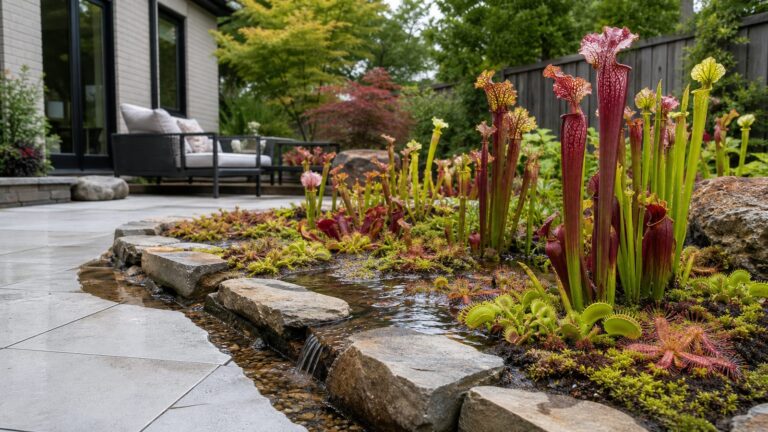
Venus flytraps, pitcher plants, sundews, and other carnivorous plants can make striking garden or collection plants—but they do not all want the same conditions. Choose by the light, water, growing medium, temperatures, and winter care you can provide. These six familiar groups are a practical starting point, not a complete list: the United States Botanic Garden describes more than 720 carnivorous plant species and genera beyond those covered here.
Compare the six types before you choose
| Plant group | Trap and typical setting | Light and water | Growing medium and seasonal notes |
|---|---|---|---|
| Venus flytrap (Dionaea muscipula) | Snap trap; suited to a sunny outdoor setup when seasonal needs can be met. | Provide bright light and mineral-poor water. | Use a suitable carnivorous-plant medium rather than garden soil; account for seasonal requirements and possible cool dormancy. |
| American pitcher plants (Sarracenia) | Upright pitfall pitchers; many grow well outdoors, including in containers in suitable settings. | Many do best in direct sunlight; use mineral-poor water. | Use a suitable carnivorous-plant medium and check the species’ winter needs. |
| Tropical pitcher plants (Nepenthes) | Hanging or climbing pitchers; a tropical group often grown in a protected collection. | Provide bright conditions appropriate to the species and mineral-poor water. | Prefer a more open medium, such as long-fiber sphagnum with porous material, rather than a dense mix. |
| Sundews (Drosera) | Sticky, dew-like tentacles capture prey; care varies among species. | Match light and moisture to the species; do not keep completely flooded. | Use a suitable carnivorous-plant medium; check whether the species has a cool dormancy. |
| Butterworts (Pinguicula) | Sticky leaves capture small prey; care varies among species. | Match light and moisture to the species; do not keep completely flooded. | Use a suitable carnivorous-plant medium and check species-specific seasonal needs. |
| Bladderworts (Utricularia) | Bladder-like traps; many species are aquatic and some float in lakes, ponds, or wetlands. | Water needs depend on habitat: aquatic species require water-based growing conditions. | Do not assume one setup fits the genus, which includes more than 300 species, according to Kew. |
The care distinctions in this comparison are described by the United States Botanic Garden, University of Florida IFAS Extension, Royal Botanic Gardens, Kew, and Penn State Extension. Exact needs vary within each group, so identify the species before settling on a permanent spot or care routine.
Which carnivorous plants can grow outdoors?
Venus flytraps
A Venus flytrap is a compelling choice for a sunny outdoor setup if you can meet its seasonal needs. Its familiar hinged leaves close around prey, but the plant is not native everywhere it is sold: Kew describes its wild range as limited to a specific region. Cultivated plants are available more broadly, but local growing conditions still determine whether a garden is suitable. Avoid assuming that an indoor terrarium is an appropriate year-round home.
Kew reports that North Carolina Botanical Garden banked 500 seeds from 50 wild Venus flytraps. That is a seed-banking figure, not an estimate of the current wild population. Choose cultivated plants from a reputable source rather than collecting from the wild. See Kew’s Venus flytrap overview for its range and conservation context.
The Tool Desk
Outbyte Driver Updater FREEFix the driver behind crashes, sound loss and screen glitchesFind Drivers →Outbyte PC Repair FREEClear out junk files and repair common Windows errorsFree Scan →#1 Best Overall

- [CURATED SELECTION] – Hand-selected live decorative houseplants sourced from professional local growers.
- [PREPARED FOR SHIPMENT] – Each plant is prepared for shipment using standard horticultural handling practices and shipped in a nursery container.
- [GIFT-READY APPEAL] – A visually striking live plant suitable for display or gifting, with natural variation that makes each one unique.
- [INDOOR DISPLAY PLANT] – Commonly grown as a decorative plant for indoor spaces with bright, indirect light. Care guidance may be provided.
- [NATURAL DECOR] – Adds texture, color, and organic visual interest to shelves, desks, and living spaces.
American pitcher plants
Sarracenia produce upright, tube-shaped pitchers that attract and trap prey. Many species favor direct sunlight, making them candidates for a bright outdoor bed or a container garden where their water needs can be managed. Penn State notes that northern pitcher plants thrive in full sun at the edge of a water garden and that outdoor container culture is possible in some settings. The right approach depends on the species and the winter conditions where you live.
Which types suit a protected or indoor collection?
Tropical pitcher plants
Nepenthes are tropical pitcher plants with pitchers that hang from or grow along climbing stems. Their growing medium is an important difference: the United States Botanic Garden recommends a more open mix, such as long-fiber sphagnum combined with porous material. Do not assume the same dense, wet medium used for another carnivorous plant will suit them. Temperature and light needs vary, so choose a species whose requirements fit your growing space.
Rank #2
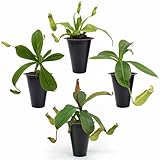
- 🪴 4 Live Carnivorous Plants – Includes Nepenthes Gaya, Miranda, Lady Luck, and Alata pitcher plants.
- 🐜 Insect Eating Pitcher Plants – Naturally traps insects, no sprays or chemicals needed.
- 🌱 Starter Size Live Plants – Young plants establish better and grow stronger over time
- 🌴 Indoor Tropical Houseplants – Ideal carnivorous plants for indoor growing with bright indirect light
- 📦 Grower’s Choice & Seasonal Selection – Pitcher size, shape, and color vary by season and conditions
Sundews and butterworts
Sundews (Drosera) use sticky, dew-like tentacles to hold prey; butterworts (Pinguicula) catch small prey on sticky leaves. Both groups include plants with differing requirements. UF/IFAS cautions against keeping these plants completely flooded. Give them the moisture their particular species calls for, but do not treat them like aquatic bladderworts or assume that standing water is always beneficial.
When is an aquatic bladderwort a good choice?
Many bladderworts (Utricularia) are aquatic, rootless plants. Their small bladder traps use a triggered door to capture tiny organisms. UF/IFAS describes aquatic species floating in lakes, ponds, or wetlands. This makes them a possibility for a water garden or aquatic collection—not a plant to place automatically in the same pot as a terrestrial flytrap. With more than 300 species in the genus, habitat and care cannot be generalized across all bladderworts; identify the species and its growing conditions first.
Do these 3 things before closing this tab:
1Clear out junk files and repair common Windows errors2Fix the driver behind crashes, sound loss and screen glitches3Repair Windows errors before they cause bigger problemsWhat water and soil do carnivorous plants need?
Choose mineral-poor water
The United States Botanic Garden advises against tap or mineral water and identifies rainwater, melted snow, or distilled water as suitable choices. Tap-water mineral content differs by source, so do not assume every municipal supply is alike. If you are unsure about your water, use one of the listed low-mineral alternatives.
Rank #3
- Live healthy Drosera Spathulata Sundew plant
- Comes with a 3 inch net pot
- Comes with a detailed caresheet written by Joel the owner of Joel's Carnivorous Plants.
- Shipped bareroot
- Comes with loose moss appropriate for Carnivorous Plant's soil
Avoid ordinary garden soil
Garden soil is unsuitable for these plants. For many carnivorous plants, the Botanic Garden lists live or dried long-fiber sphagnum and a mix of peat and clean sand as options. Nepenthes need a more open medium, such as long-fiber sphagnum with porous material, rather than a one-size-fits-all potting mix. Long-fiber sphagnum is a medium option for many species, not a universal recipe.
Match moisture and light to the group
Many carnivorous plants prefer bright light, and many Sarracenia do best in direct sun. Sundews and butterworts should not be completely flooded, while aquatic bladderworts have water-based needs. These differences are why a single bog bed or watering routine is not suitable for all six groups.
Rank #4

- Purple Pitcher Plant (Sarracenia purpurea ssp. venosa) features thick, colorful pitchers that trap insects naturally. Dionaea Muscipula, the Venus Fly Trap, displays striking toothed traps that actively close on insects. Ships live and green with roots and growing medium from a 2" growing cell wrapped prior to shipping, along with a detailed care card.
- Excellent for bog gardens, terrariums, and natural pest control. Non-toxic to pets and humans.
- Requires full sun, rainwater or distilled water, and constantly moist acidic soil. Cold-hardy with winter dormancy.
- Tissue culture-grown at our Florida family nursery for superior vigor.
- This item is non-returnable however all plants include our live-arrival guarantee. Please message us within 48 hours of delivery for any issues requiring replacements.
Plan for temperature and dormancy
Temperature requirements differ among carnivorous plants, and some species need a distinct cool dormancy period. Before choosing a plant for an outdoor bed or indoor setup, check whether its species requires a seasonal rest and whether your growing conditions can provide it. A plant that thrives through a warm growing season may still need an appropriate winter routine.
Recommended Free Tools
Feed them prey, not meat
Do not feed carnivorous plants pieces of meat. The United States Botanic Garden explains that they cannot digest complex proteins. Their traps are adapted to capture prey; household meat is not a substitute for appropriate growing conditions.
Best Value
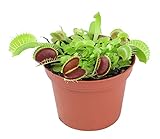
- REAL VENUS FLY TRAP PLANT: Large carnivorous plants that feed on bugs with jaw-like petals aka ‘bug traps’. This dionaea plant is a useful flying and non-flying insect trap, able to grow in a carnivore plant pot, carnivore plant terrarium, and more.
- FLY AND MOSQUITO TRAP: Functional house plants that trap and consume common bugs found in the home, such as flies, mosquitos, and spiders. Keep your carnivorous house plant thriving by planting it in a carnivorous plant pot with venus fly trap soil.
- DIY INDOOR TERRARIUM: Design a unique carnivorous plant terrarium with live flytraps and other terrarium plants. Real plants are also excellent for gift ideas. Create a Venus Fly Trap kit with Venus Flytrap soil, carnivorous plant food, and more.
- STRIKING PLANT DÉCOR: Showcase this stunning plant in a Venus Fly Trap pot with a carnivorous plant soil mix for an eye-catching display. Try planting your own Dionaea muscipula seeds in flytrap soil with Dionaea muscipula food to support growth.
- LIVE CARNIVOROUS PLANTS AT YOUR DOOR: Venus Fly Trap live plants (Dionaea Akai Ryu) will arrive fresh and in prime condition. These exotic plants can thrive as both live indoor plants or outdoor plants.
Choose a plant that fits your actual garden
Start with the space you can provide: direct sun outdoors, a protected growing area, or an aquatic habitat. Then confirm the species’ water, medium, temperature, and dormancy needs before buying it. Since wild Venus flytraps have a limited natural range, favor cultivated plants from reputable sellers and check local rules before purchasing or shipping; requirements depend on location.
For further care guidance, consult the United States Botanic Garden, UF/IFAS Extension, and National Park Service overview of carnivorous plants.
Quick Recap
Product prices and availability are accurate as of the date/time indicated and are subject to change. Any price and availability information displayed on Amazon at the time of purchase will apply.