The best winter squash depends on what you need: a compact plant, a quick harvest, a large keeper, or tender flesh for a particular dish. These seven source-described varieties offer different trade-offs in fruit size, growing habit, maturity estimate, flavor, cooking use, and storage. They are useful choices, not a ranking from a controlled comparison; actual results vary with growing conditions and seed strain.
Compare the seven varieties
Days to maturity and fruit sizes below are estimates or descriptions reported by the named sources, not guaranteed outcomes. Check the seed packet’s definition of maturity and compare it with your local growing season.
| Variety | Reported maturity and fruit | Habit or space | Flavor and texture | Kitchen use | Storage notes |
|---|---|---|---|---|---|
| Blue Hubbard | Gardeners’ Path reports 100–110 days and 12–40 lb fruit. | Long vines; allow substantial room. | Sweet, velvety yellow flesh; pale blue-gray skin. | Roasting, soups, and pies. | Gardeners’ Path reports six months or more; see storage guidance below. |
| Burgess Buttercup | Gardeners’ Path reports 85–100 days and 3–5 lb fruit. | Bush habit; more compact than a long-vining type, but still needs growing space. | Sweet, slightly nutty, dry, non-fibrous flesh. | A useful choice when you want dense flesh for roasting or other cooked dishes. | Gardeners’ Path calls it a medium-long keeper; no precise duration is stated there. |
| Cushaw Green Striped | Gardeners’ Path reports about 95 days and 10–15 lb fruit. | Vigorous, heavy-yielding vines. | Mild, moist, light-yellow flesh. | Regional dishes, including pie and cushaw butter. | A specific storage duration is not stated by Gardeners’ Path. |
| Futsu Black | Gardeners’ Path reports about 105 days and 3–5 lb fruit. | Plant-space details are not stated by Gardeners’ Path. | Creamy orange flesh and thin, edible skin; fruity at harvest, becoming nuttier after storage. | Can be eaten raw or roasted, or used in purées and pies. | Gardeners’ Path describes it as a short-storage type because of its thin skin. |
| Honeynut | Gardeners’ Path reports about 110 days and about five fruits per plant. | Short vines reported at 24–36 inches. | Petite butternut type; the cited profiles emphasize its small size, not a specific flavor description. | Its small size suits cooks who want a smaller squash rather than a giant fruit. | Gardeners’ Path reports storage up to six months. |
| Waltham Butternut | Homestead and Chill reports about 100 days; a fruit size is not stated in that profile. | Vining habit; plan for vine space. | Sweet, rich, nutty flesh; long neck and small seed cavity. | A versatile option for roasting, soups, and purées. | Homestead and Chill describes it as a long-term keeper without stating a duration. |
| Honey Boat delicata | Gardeners’ Path describes fruit of about 1 lb; a maturity estimate is not stated in the cited profile. | Plant habit and space details are not stated in that profile. | Sweet, nutty flesh. | Choose it when you want a small-fruit delicata rather than a large storage squash. | Johnny’s Selected Seeds gives delicata types a general 2–3 month best-quality/storage window under suitable conditions; it is not a Honey Boat guarantee. |
For the cultivar-specific profiles, Gardeners’ Path is an editorial gardening source and Homestead and Chill is a gardening publisher that discloses affiliate links; neither source describes a controlled seven-variety trial. Their maturity and performance details should be treated as reported descriptions.
Which variety fits your garden and kitchen?
For a large harvest and a long-keeping squash: Blue Hubbard
Blue Hubbard offers very large fruit and long vines, so it suits gardeners with room and a season long enough for the source-reported 100–110 days. Its sweet, velvety flesh is described as suitable for pies, soups, and roasting. The reported 12–40 lb range means a single fruit can be more than a small household needs at once; consider how you will use or preserve it after cutting.
What’s actually slowing this PC down?
Pick the symptom - the matching free tool is one click away.
#1 Best Overall

- 4 WINTER SQUASH SEED VARIETIES - Includes butternut squash (Cucurbita moschata), acorn squash (Cucurbita pepo), spaghetti squash (Cucurbita pepo), and pink banana squash (Cucurbita maxima) seeds for growing in your vegetable garden
- HIGH-YIELD FOOD PRODUCTION - Grow reliable winter squash with strong yields per plant; this four pack seed mix is excellent for traditional gardens and raised bed growing
- LONG-TERM STORAGE CROPS - Thick rinds and dense flesh allow winter squash harvests to store for months; stock your pantry and reduce your reliance on store-bought produce
- EASY TO GROW - Thrives in full sun with simple care; open-pollinated heirloom types allow seed saving for future seasons and sustainable gardening year after year
- FAMILY OWNED USA SMALL BUSINESS – Heirloom non-GMO seeds from Survival Garden Seeds, a trusted American brand; always open-pollinated, untreated, and quality tested for garden success
For a bush habit and an earlier reported harvest: Burgess Buttercup
Among these seven, Burgess Buttercup has the shortest reported maturity range, 85–100 days, and a bush habit. Its 3–5 lb fruit is smaller than Hubbard or cushaw, while its dry, non-fibrous flesh and sweet, slightly nutty flavor make it a practical cooked squash. “Bush” does not mean container-sized or space-free: confirm the plant’s eventual dimensions on the packet.
For vigorous vines and regional recipes: Cushaw Green Striped
Cushaw is the large-fruit choice for gardeners interested in a vigorous, heavy-yielding vine and mild, moist flesh. Gardeners’ Path reports 10–15 lb fruit and about 95 days to harvest, and notes uses such as pie and cushaw butter. That same guide describes resistance to squash vine borers and downy mildew; these are source-reported cultivar claims, not a guarantee of protection in a particular garden.
Rank #2

- Beautiful - Large individual packets of Acorn Table Queen, Waltham Butternut, and Tromboncino Squash seeds. Extend the life of your garden with a variety of winter squash.
- Creative Cooking - These Winter Squash varieties are sure to give you and your family some flavorful and hearty dishes in the kitchen. Excellent for roasting and baking.
- Productive - These fun cucurbits will produce multiple fruits per vine to add some life and productivity to your garden later in the growing season. All varieties store well for later use.
- Easy to Grow - Instructions included on each packet. Plus, we are available to answer all your questions. If these seeds don’t germinate, we will happily make it right for you.
- Safe and Sustainable - Our operation is fully solar powered, and Sow Right Seeds has taken the Safe Seed Pledge to sell only fresh Non-GMO heirloom seeds for you and your family.
For a small squash with thin edible skin: Futsu Black
Futsu Black produces 3–5 lb fruit with creamy orange flesh and thin skin that the cited guide describes as edible. Its flavor is reported to shift from fruity at harvest toward nuttier after storage. It offers several cooking options, including raw preparations, roasting, purées, and pies, but its thin skin is also why Gardeners’ Path cautions that it is a short-storage type.
For petite butternut fruit and short vines: Honeynut
Honeynut is described as a small butternut type with vines only 24–36 inches long in Gardeners’ Path’s profile. That source reports about five fruits per plant, a 110-day estimate, and storage of up to six months; Homestead and Chill also reports a 110-day estimate and notes powdery mildew resistance. These are source descriptions rather than performance guarantees. Allow for the relatively long stated season when choosing it.
Windows Errors? Fix Them Before They Spread
Repair common Windows errors and clear accumulated junk for a smoother, more stable PC - no reinstall needed.Free scan · no reinstallOutdated Drivers Are Slowing You Down
One free scan finds every outdated or missing driver and matches the right update for your exact hardware.Free scan · exact hardware matchRank #3

- HEIRLOOM HIGH YIELD WINTER SQUASH - Delicata Squash Seeds (Cucurbita pepo) produce oblong striped winter squash with speckled yellow skin and green stripes, fruits reach 5 to 10 inches and 1 to 3 pounds
- THIN-SKINNED, NO PEEL VARIETY - Tender edible skin makes delicata squash one of the easiest winter squash to prepare, saving time in the kitchen while delivering sweet and delicious flavor
- RICH FLAVOR SMOOTH TEXTURE - Deep orange flesh offers a naturally sweet flavor with a smooth, creamy texture; delivering dependable homegrown meals with consistent quality from your backyard garden
- EASY TO GROW - Delicata vines thrive in warm conditions with full sun; the compact, manageable plants spread less aggressively than many winter squash, making them suitable for backyard gardens and smaller growing spaces
- FAMILY OWNED USA SMALL BUSINESS – Heirloom non-GMO seeds from Survival Garden Seeds, a trusted American brand; always open-pollinated, untreated, and quality tested for garden success
For classic butternut versatility: Waltham Butternut
Waltham is a large, vining butternut described by Homestead and Chill as having a long neck, small seed cavity, and sweet, rich, nutty flesh. The profile gives an estimate of about 100 days and calls it a long-term keeper, but does not give a storage duration. Choose it if you have room for vines and want a variety described as broadly useful in the kitchen.
For small fruit and an earlier eating window: Honey Boat delicata
Honey Boat is an open-pollinated delicata described by Gardeners’ Path as a roughly one-pound fruit with sweet, nutty flesh. It is the small-fruit option here for cooks who would rather use a squash soon after harvest than manage a giant keeper. A maturity estimate is not stated in the cited Honey Boat profile, so use the seed packet to judge whether it fits your season.
Rank #4
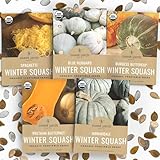
- WINTER SQUASH COLLECTION: This pack offers a selection of hearty and flavorful winter squashes, perfect for roasting, soups, and long-term storage. With a mix of sweet, nutty, and rich flavors, these varieties provide a delicious and nutritious harvest all season long.
- 5 INDIVIDUAL SEED PACKETS: Waltham Butternut Winter Squash, Spaghetti Squash Winter Squash, Blue Hubbard Winter Squash, Burgess Buttercup Winter Squash, Jarrahdale Pumpkin Winter Squash.
- THE FRESHEST SEEDS - 2026 SEASON: Elevate your gardening game with our freshest seeds, ensuring high germination rates. Make gardening a joy, where success sprouts effortlessly and blooms into a kaleidoscope of colors.
- PREMIUM GIFTABLE PACKAGING: Unwrap gardening delight with our premium seed packaging. Tailored for optimal storage, complete with planting instructions and a reusable zipper – a thoughtful gift for any nature-loving enthusiast.
- GUARANTEED TO GROW: Plant with confidence! We stand by our seeds. If they don't germinate, we'll refund you within 30 days, no questions asked. Sweet Yards guarantees a worry-free and flourishing garden.
How to choose for your growing season and available space
- Start with the days available. The reported estimates range from 85–100 days for Burgess Buttercup to about 110 days for Honeynut. Blue Hubbard is listed at 100–110 days, Futsu Black at about 105, Waltham Butternut at about 100, and Cushaw Green Striped at about 95. These figures come from different source profiles and may not use identical growing conditions or definitions. A number near your frost-free season’s limit leaves little margin for slower growth or late fruit set.
- Match the plant to the plot. Burgess Buttercup is described as bush habit, and Honeynut has short vines in one profile. Blue Hubbard and Waltham Butternut are vining types; Cushaw is described as vigorous. A compact habit can save vine length, but it does not eliminate the need to check spacing and plant dimensions on the seed packet.
- Decide how much fruit you can use. A one-pound Honey Boat or 3–5 lb Burgess Buttercup or Futsu Black is easier to portion for a small meal than a 12–40 lb Blue Hubbard. Fruit size varies, and a single plant may produce more than one squash.
- Choose texture for the dish. Dry, non-fibrous Burgess Buttercup flesh is different from Cushaw’s moist, mild flesh. Blue Hubbard is described as velvety, while Futsu Black is notable for its edible thin skin. Use the variety’s texture and flavor description to guide a recipe rather than treating every winter squash as interchangeable.
- Value storage only if you can store it well. A long-keeping cultivar still depends on harvest maturity, curing, handling, and storage conditions. If you want to eat squash soon after picking, delicata types such as Honey Boat may be a better fit than a type that benefits from a rest after harvest.
When a squash is ready to eat, not just full-sized
Fruit size and skin color can reach their apparent finish before the flesh has developed its best eating quality. Johnny’s Selected Seeds says sugar and starch influence flavor and texture, and that dry matter is positively associated with eating quality and negatively associated with yield. The guide identifies 11 or greater degrees Brix as the level for best flavor and cites Dr. Brent Loy’s 18–25% dry-matter range at maturity as having the best eating-quality potential. The page does not state a year for these figures.
Johnny’s rule of thumb is to allow 50–55 days after pollination or fruit set for eating maturity, even if the squash looks full-sized earlier. That interval is general guidance, not a cultivar-specific promise; consult the packet and consider local conditions. Dr. Loy, whom the guide describes as a cucurbit expert, professor emeritus, and plant breeder at the University of New Hampshire, explains: “High sugars not only contribute to a desirable sweet taste, but also mask undesirable flavor components associated with certain varieties,” explained Dr. Loy.
Best Value
- Name: 30 Waltham Butternut Winter Squash Seeds | Type: Heirloom
- Size at Maturity: 3-6 Pounds | Days to Maturity: 85-100 Days
- Light Requirement: Full Sun | Sowing Method: Direct Sow
- Planting Depth: 1" | Plant Spacing: 24" - 36"
How to cure and store winter squash
Johnny’s Selected Seeds recommends careful clipping and handling, followed by curing and storage under suitable conditions. Its figures are guidance, not guaranteed shelf life for every home or cultivar.
- Handle the fruit carefully. Clip squash rather than pulling or twisting it from the vine, and avoid bruising or cutting the skin.
- Cure after harvest. Johnny’s recommends curing in field sun for 5–7 days. If hard frost threatens, it gives an indoor option of 5–7 days at 80–85°F (27–29°C), with ventilation.
- Store in a suitable place. The guide recommends 50–60°F (10–15°C), 50–70% relative humidity, and good ventilation. It warns that repeated exposure below 50°F (10°C) may cause chilling damage.
- Allow time for flavor where appropriate. Johnny’s says buttercups, full-size green or gray kabocha, and hubbards benefit from 1–2 months of storage for best eating and can keep 4–6 months under suitable conditions. Full-size butternuts also benefit from 1–2 months before eating and may keep 4–6 months. Acorn, delicata, and sweet dumpling can be eaten soon after harvest and are described as best quality or storable for 2–3 months. These type-level ranges are not guarantees for an individual fruit or household storage setup.
Johnny’s lists mini kabocha and red-skinned types such as Red Kuri as exceptions that can be eaten at harvest and keep up to 2–3 months. That guidance does not establish a specific storage duration for every variety in this article; Gardeners’ Path separately describes Blue Hubbard as keeping six months or more, and Honeynut as storing up to six months.
Quick Recap
Product prices and availability are accurate as of the date/time indicated and are subject to change. Any price and availability information displayed on Amazon at the time of purchase will apply.