Seeds lose viability as they age, but a packet date is not a universal expiration date. Whether old seed will sprout depends on the species, the seed’s starting quality, and how it was stored. A simple germination test can help you decide whether to sow it, use extra seed, or replace it.
What a seed packet date does—and doesn’t—tell you
A date on a packet is useful context for when the seed was intended for use or for its harvest and storage history. It does not mean every seed in the packet becomes dead when that season ends. Viability generally declines over time, but it does so at different rates for different species and storage histories. The University of Maryland Extension explains that there is no single lifespan that applies to all garden seeds: its seed viability guidance also notes that some seeds require particular dormancy conditions before they germinate.
Age is only one clue. Heat and moisture exposure can shorten the useful life of seed, while appropriate storage can preserve it longer. A packet that has been kept cool and dry may test better than a younger packet that spent time in hot, damp conditions. The practical question is not simply “How old is it?” but “What species is it, how was it stored, and what fraction sprouts now?”
How long common vegetable seeds may last
The figures below are approximate years under ideal storage, from Iowa State University Extension and Outreach’s guide, reviewed in December 2023. They are planning estimates, not guarantees or firm cutoffs; germination can decline each year, and the storage history of your own packet matters.
Windows Errors? Fix Them Before They Spread
Repair common Windows errors and clear accumulated junk for a smoother, more stable PC - no reinstall needed.Free scan · no reinstallCrashes, No Sound, or Screen Glitches?
Random freezes, missing sound and display glitches usually trace back to one bad driver. Find and replace yours safely.Free scan · under a minute#1 Best Overall

- Set includes 43 lightly assorted Vegetable and Herb seeds!
- All Seeds are Heirloom, 100% Non-GMO!
- High Germination Rate within 7-14 days
- Great way to stock up for the next planting season! Includes Freedom Farms Vegetable Set Mylar Bag for Optimal Seed Packet Storage!
- Wonderfully producing plants - Current stock will last for years when stored in a dry - cool place!
| Seed | Approximate years under ideal storage | Seed | Approximate years under ideal storage |
|---|---|---|---|
| Asparagus | 3 | Onions | 1 |
| Beans | 3 | Peas | 3 |
| Beets | 4 | Peppers | 2 |
| Broccoli | 5 | Pumpkins | 4 |
| Cabbage | 5 | Radishes | 5 |
| Carrots | 3 | Spinach | 5 |
| Cauliflower | 5 | Squash | 4 |
| Corn | 2 | Tomatoes | 4 |
| Cucumber | 5 | Watermelon | 4 |
| Lettuce | 5 | Muskmelon | 5 |
These estimates are from Iowa State Extension’s seed storage and germination guide. They apply to the listed vegetable seeds under ideal storage, not to every variety, seed lot, or household storage situation.
Test an older packet before you decide
A paper-towel test gives you a practical estimate of the share of seeds likely to germinate. Iowa State recommends testing seed that looks old or is more than a year old. Use at least 20 seeds; 50 gives a more informative sample, and 100 is better when you have enough seed.
Rank #2
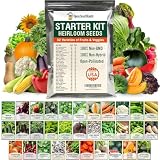
- COMPLETE VEGETABLE GARDEN VARIETY PACK – Grow a thriving home garden with 32 popular vegetable seeds including Bean, Beet, Bell Pepper, Broccoli, Brussels Sprout, Cabbage, Cantaloupe, Carrot, Cauliflower, Celery, Corn, Cucumber, Eggplant, Kale, Lettuce (3 types), Lima Bean, Okra, Onion, Pea, Parsnip, Pumpkin, Radish, Spinach, Sunflower, Swiss Chard, Tomato, Turnip, Watermelon, Zucchini. A diverse mix perfect for fresh meals, backyard gardens, and sustainable growing.
- PREMIUM HEIRLOOM SEEDS – Our carefully selected heirloom seeds are chosen for reliability, strong germination, and adaptability, making them ideal for beginner gardeners, experienced growers, homesteads, and small farms.
- GROW A SELF-SUFFICIENT GARDEN – Enjoy a wide range of vegetables from crisp greens and root crops to flavorful fruits and hearty garden staples. Perfect for fresh ingredients for salads, soups, and home-cooked meals straight from your garden. Each pack includes an easy-to-follow growing guide to ensure success for every gardener.
- INDIVIDUALLY PACKED FOR FRESHNESS – Each seed variety comes in its own resealable, waterproof packet designed for long-term storage, easy organization, and protection from moisture to keep seeds fresh until planting time.
- GIFTABLE GARDENING SET – Thoughtfully packaged and ready to share, this vegetable seed collection makes a perfect gift for gardeners, homesteaders, beginners, or anyone who loves growing their own food.
- Take a representative sample. Count the seeds you will test and keep track of that number.
- Moisten paper towels. They should be damp, not dripping. Place the seeds on the towel with enough space to keep them separated, then roll the towel.
- Keep the roll warm and contained. Put it in a plastic bag and keep it at 70–80°F.
- Check for sprouting. Begin checking after two or three days, then check daily for about a week. Follow any species-specific germination instructions if you have them.
- Calculate the percentage. Divide the number of seeds that sprouted by the number tested, then multiply by 100. For example, if 36 of 50 sprout, the sample germination rate is 72%.
The result is a sample, not a promise about every seed in the packet or about how many seedlings will emerge in the garden. Iowa State’s practical guidance, reviewed in December 2023, calls a result of 90% or higher very good for most species. A rate of 70–80% may be acceptable for some small or abundant seed, while 50% or lower is too low to be worth using for nearly all species. These are extension recommendations, not universal regulatory standards. If the result is low but you still want to use the seed, sow more than you normally would.
A household paper-towel test is not the same as a formal laboratory test or a vigor test. The USDA Agricultural Marketing Service says a germination test reports “the percentages of normal, abnormal, dead, and dormant seeds when germinated under ideal conditions.” A vigor test assesses performance under stress, while a tetrazolium viability test can detect dormant seeds. See the agency’s Seed Testing Program description for what those tests assess.
Rank #3

- Gardening Kit: 55 Most Popular Vegetable Seeds Variety Pack NON GMO Heirloom Seeds LESS THAN $0.70 PER SEED VARIETY PACK 35,600+ seeds including: Artichoke, Arugula, Bean, Beet, Bok Choy, Broccoli, Brussel Sprouts, Cabbage, Carrot, Cauliflower, Celery, Collard, Corn, Cucumber, Curled Cress, Eggplant, Endive, Kale, Kohlrabi, Lettuce, Mache Corn Salad, Okra, Leek, Scallion, Onion Parsnip, Pea, Pepper , Pumpkin, Radish, Rapini, Spinach, Squash, Sunflower, Swiss Chard, Tomatoes, Turnip, Zucchini.
- Enhanced Gardening Experience: Our seeds for planting outdoor and indoor garden come in a waterproof resealable bag with 55 individual craft seed packets inside. Enjoy planting home garden with mini gardening supplies including leaf clipper, tweezers, seed dibber tool, weeding fork, and widger tool. Scan the QR codes on the seed packets to access online gardener basic growing guide and culinary book. Learn about vegetable gardening, discover everyday recipes to make the most of your harvest.
- Garden Success Assured: Whether you have an indoor hydroponic garden or an outdoor vegetable patch, our seeds are perfect for any setting. With a superior germination rate proven through various tests, enjoy fresh vegetables growing food all year round. Enjoy the satisfaction of growing seeds on your own garden, knowing that our high-quality seeds for planting vegetables guarantee abundant harvest and delicious meals for you and your family.
- Quality You Can Trust: Proudly made in the USA by a Small Family-Owned Business, our seeds for planting vegetables undergo rigorous testing with a 90%+ germination rate. Sealed to last for up to 2 years, you can trust the freshness and viability of our seeds.
Store seed according to its needs
For ordinary garden seeds that tolerate drying, Iowa State recommends keeping seed cool and dry. A sealed glass jar can help limit excess moisture and pests; a cool closet, root cellar, or refrigerator may be suitable storage locations. If you refrigerate a sealed container, let it come to room temperature before opening so condensation does not form on the seed.
When saving seed you have collected, clean and process it, then dry it before putting it away if the species is suited to dry storage. Iowa State describes placing silica gel in a separate envelope inside a sealed jar to help keep the container dry, and cautions that food dehydrators may get too warm for seed. A jar can protect properly stored seed; it cannot revive dead seed or make every kind of seed suitable for dry storage.
Rank #4

- Vegetable seeds variety pack: Grow 35 varieties of leafy greens, root vegetables, tomatoes, peppers, beans, peas, squash, melons, and more. Includes 16,000+ vegetable seeds for planting outdoors in raised beds, garden rows, or containers.
- Heirloom vegetable seeds: All 35 varieties are non-GMO heirloom seeds that are also non-hybrid and open-pollinated. They support traditional gardening and seed saving. Use these garden seeds for planting vegetables in future growing seasons.
- 35 professional paper seed packets: Every variety comes separately packed and labeled, making this garden seed kit easy to organize, sow, and identify. Includes 35 plant markers for vegetable gardens, raised beds, rows, and containers.
- Survival seed kit for emergency preparedness: Include these heirloom survival seeds in a homestead seed bank, prepper supplies, or emergency seed supply. Grow a survival garden according to each crop, your zone, season, soil, sunlight, moisture, and care.
- Resealable Mylar bag for seed storage: Place unused packets inside the outer bag and close the zip seal. Store in a cool, dark, dry place. The included plant markers help identify your vegetable garden seeds in beds, rows, and containers.
Some seeds need moisture and chilling
Do not apply dry-storage advice indiscriminately. Some seeds, including pawpaw, need to remain moist and undergo winter chilling, or stratification, before they germinate. Drying moisture-loving seed can sharply reduce its viability. Many native perennial, tree, and shrub seeds need stratification, though their moisture requirements vary. Check the requirements for the particular species before drying or storing it.
Why genebank longevity figures are not home-storage estimates
Seeds can remain viable for a long time under controlled conservation conditions, but those figures should not be used as a shelf-life promise for packets in a home. A 2005 analysis of 168 species estimated average longevity above 50% viability at 5°C to be about 52 years; species averages ranged from 12 to 466 years under the studied genebank conditions, with substantial variation among accessions. The authors’ study concerns stored genebank material, not household packets: see the USDA Agricultural Research Service summary of “Longevity of seeds stored in a genebank: Species characteristics.”
Quick wins for a faster PC:
Fix the driver behind crashes, sound loss and screen glitchesFind Drivers →Clear out junk files and repair common Windows errorsFree Scan →The USDA ARS describes long-term base-collection storage at −18°C in moisture-impermeable containers, and an active collection held at 4°C and 30% relative humidity. At the Ames active collection, reported average viability exceeded 65% after 25 years for Brassica, Cucumis, and Zea mays; some Zea mays samples exceeded 65% after 40 years. These are results from managed institutional storage, not evidence that the same crops will last that long in a household. The agency’s storage conditions page describes those regimes.
Quick Recap
Decide what to do with the packet
- Check the species first. Find out whether it needs dry storage, moisture, chilling, or other dormancy treatment.
- Use the packet date as context. Consider when it was intended for use and any known harvest or storage details, but do not treat the date alone as proof of failure.
- Consider its storage history. Heat and moisture exposure can matter as much as, or more than, the printed age.
- Test a sample. Use the germination percentage to guide how densely to sow or whether replacement seed makes sense.
- Account for the cost of a poor stand. If you need a reliable number of plants or cannot afford a failed sowing, replacing weak or untested old seed may be the safer choice. If the seed tests well, there is no need to discard it just because it is old.
Product prices and availability are accurate as of the date/time indicated and are subject to change. Any price and availability information displayed on Amazon at the time of purchase will apply.