Outdated Drivers Are Slowing You Down
One free scan finds every outdated or missing driver and matches the right update for your exact hardware.Free scan · exact hardware matchPC Slower Than It Used to Be?
A free scan shows the junk files, broken settings and background clutter dragging Windows down - then fixes them in one click.Free scan · Windows 10 & 11Some animals can help with pest control, bed preparation, pollination, or soil health—but they are not interchangeable garden tools, and several are not pets in the usual sense. Chickens, ducks, and goats need careful containment; bees and beneficial insects need habitat; and composting earthworms are soil-dwelling helpers rather than animals to release into beds. The right choice depends on your garden, local rules, and how you manage access.
Six animals that can contribute to garden work
These six examples include kept poultry and livestock as well as wild or managed beneficial species. Their roles differ, and no animal is a universal solution.



1. Chickens: pest control and bed preparation
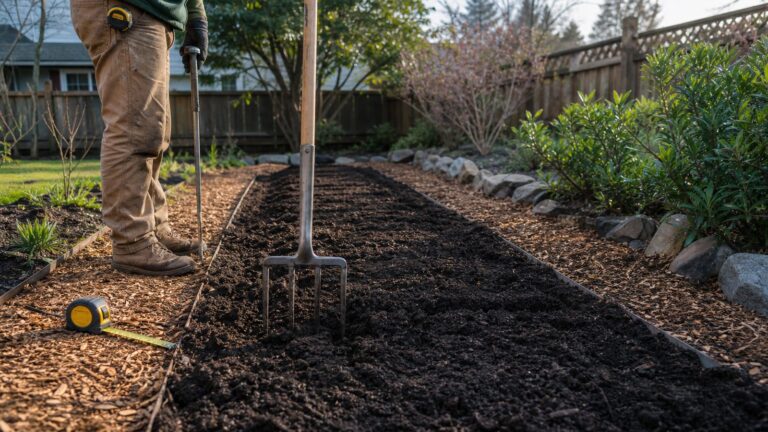
Chickens eat insects and other pests, scratch and loosen soil, and leave nitrogen-rich droppings. Those same behaviors can uproot seedlings, expose seeds, and damage crops. Use them before planting or in a fenced area where their scratching is wanted; keep them out of active beds when plants are vulnerable. A chicken tractor or other enclosure can confine birds to a prospective bed, while fencing can regulate access. The University of Vermont Extension describes these benefits and risks in its April 17, 2024 guide to chickens in the garden.
2. Ducks: potential garden pest helpers
Oregon State University Extension lists ducks as possible pest-control helpers in gardens and greenhouses. That is a context-dependent role, not a guarantee of pest removal or a recommendation for every home plot. Plan where birds can roam and how crops will be protected before allowing access. The Extension’s whole-farm systems guide discusses ducks as one element of a broader farm system.
The Tool Desk
Outbyte Driver Updater FREEFix the driver behind crashes, sound loss and screen glitchesFind Drivers →Outbyte PC Repair FREEClear out junk files and repair common Windows errorsFree Scan →#1 Best Overall
3. Goats: weed control where containment is practical
Goats can be used for weed control, but they are managed livestock, not low-maintenance garden pets. Their suitability depends on space, secure containment, care needs, and local rules. Oregon State Extension discusses goats in farm-system planning, while the University of Maryland Extension notes that urban livestock choices are constrained by space and regulation. Check local requirements before acquiring them.
4. Bees: pollination supported by flowers and nesting habitat
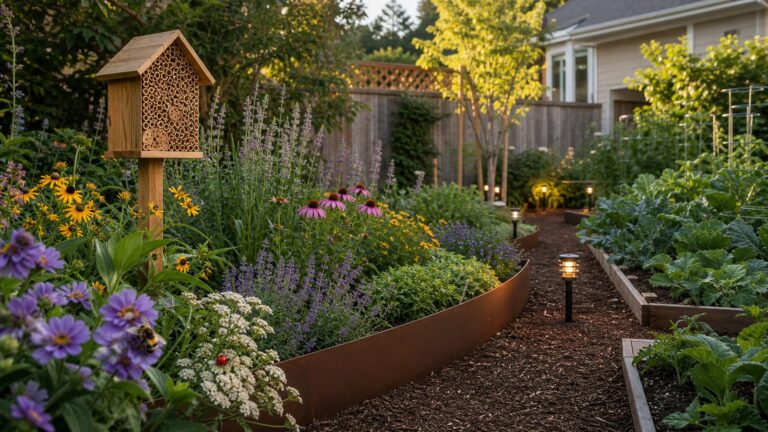
Bees feed on flower pollen and nectar and can contribute to pollination. Supporting them does not necessarily mean keeping a hive: flowering plants that bloom from spring through fall, reduced disturbance around nesting and overwintering sites, and minimized pesticide use can help pollinators. Iowa State University Extension also discusses purchased bee houses; if using one with nesting tubes, replace the tubes annually after bees have emerged. See its guide to gardening for pollinators and beneficial insects.
5. Beneficial insects: natural enemies of garden pests
Predators and parasitoids can help suppress pest insects, and they also use pollen and nectar. Rather than treating them as pets, make the garden hospitable with flowers across the growing season, less disturbance to nesting and overwintering places, and fewer pesticides. Iowa State Extension explains these habitat measures in its pollinator and beneficial-insect guidance.
6. Earthworms: soil helpers best supported through healthy soil
Earthworms are often welcomed as part of a living soil community and can contribute to soil structure and nutrient cycling. They are not a substitute for compost management, and introducing non-native worms can cause ecological harm in some places. The sources cited here do not establish a universal recommendation to buy or release earthworms; focus instead on maintaining soil conditions that support beneficial soil life.
Choose by job, risk, and responsibility
| Animal or group | Potential garden role | Main caution | Type |
|---|---|---|---|
| Chickens | Eat pests; scratch and loosen soil; droppings add nutrients | Can destroy seeds, seedlings, and crops; manage access | Kept poultry |
| Ducks | Potential pest-control help in gardens or greenhouses | Role depends on setting and management | Kept poultry |
| Goats | Weed control | Space, containment, care, and local rules matter | Managed livestock |
| Bees | Pollination; supported by flowers and nesting habitat | Provide suitable habitat; nesting tubes need annual replacement after emergence | Wild pollinators or managed bees |
| Beneficial insects | Predation or parasitism of pest insects | Need flowers and undisturbed habitat; minimize pesticides | Wild beneficial species |
| Earthworms | Contribute to soil processes | Do not assume releasing purchased worms is appropriate | Soil-dwelling organisms |
Keep animals away from food crops when contamination is a risk
Animal waste can introduce pathogens, including Salmonella, E. coli, and Campylobacter, into a home garden. Poultry, wildlife, contaminated tools, and poor hygiene can also contribute to contamination. Low-growing produce is particularly vulnerable when animal waste is nearby. Penn State Extension recommends keeping animals away from production areas where possible, removing waste, and cleaning tools and harvest containers. Follow its home garden food-safety guidance, updated June 18, 2026.
Check local rules before acquiring livestock or bees
Permitted animals, breed restrictions, space requirements, and permits can vary by municipality and property. The University of Maryland Extension notes that urban production may include poultry, goats, sheep, bees, rabbits, and other organisms, but local rules and available space constrain what is suitable. Contact your local zoning office or other relevant authority before acquiring animals. See the Extension’s urban-production livestock overview, updated February 8, 2023.
Rank #4
Support beneficial wildlife without keeping it
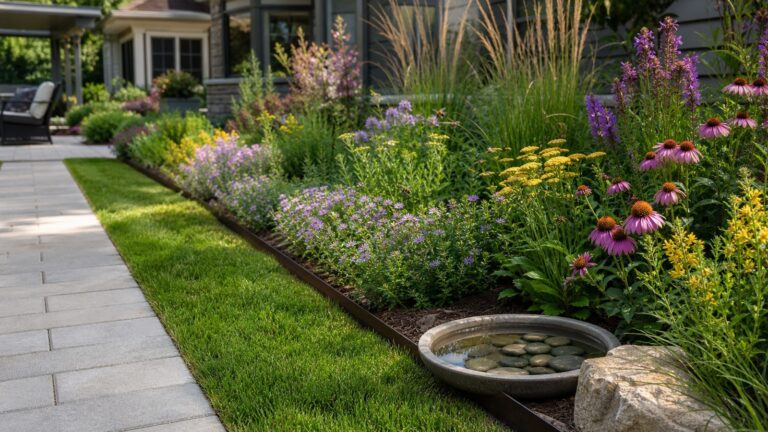
A garden can support wildlife through food plants, water, shelter, and reduced use of pesticides and herbicides. That is habitat gardening, not pet keeping. Delaware Cooperative Extension describes how biodiversity can support ecosystem functions such as pollination and nutrient-rich topsoil in its guide to supporting biodiversity in the garden.
Quick Recap
Product prices and availability are accurate as of the date/time indicated and are subject to change. Any price and availability information displayed on Amazon at the time of purchase will apply.