Free tools Windows power users keep installed
One-click scans. No signup required.
Most homeowners ask one simple question first: how much does a new roof cost? In 2026, a realistic answer is that many standard professional roof replacements land around $9,600 to $10,000 nationally, with common projects often falling between about $5,900 and $14,000. Larger roofs, steep roofs, damaged decking, difficult access, premium materials, storm-code upgrades, and high-cost labor markets can push the number to $20,000, $30,000, or more.
The better way to price a roof is by roof surface area, not house square footage. Roofing is commonly estimated by the roofing square, and one roofing square equals 100 square feet of roof surface. A 2,000-square-foot house may have 2,200 to 3,000 square feet of roof area once pitch, overhangs, garages, porches, valleys, and waste are counted.
For planning, asphalt shingles commonly run about $4 to $8 per square foot installed, or $400 to $800 per roofing square. Architectural shingles often fall around $5 to $7 per square foot. Metal roofing commonly runs about $9 to $16+ per square foot installed, and tile, slate, copper, and other premium systems can go much higher.
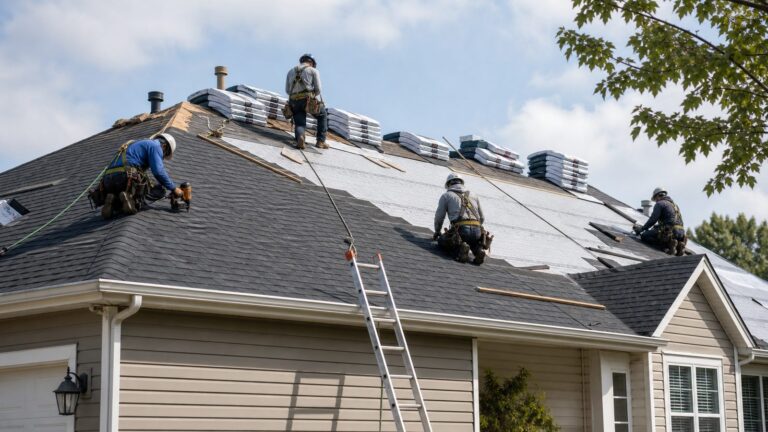
On our job sites, the final price is rarely just shingles and labor. A real roof estimate should spell out tear-off, disposal, underlayment, ice barrier where required, drip edge, flashing, ventilation, decking replacement, permits, inspections, cleanup, warranty terms, and the change-order process. That is why two bids on the same house can differ by several thousand dollars and both may not be pricing the same roof.
Roofing Prices at a Glance
Here is a practical 2026 planning table for common residential roof replacements. These are installed ranges, not material-only prices. Actual bids vary by region, access, roof shape, code requirements, and contractor scope.
#1 Best Overall

- High-quality material for durability
- 𝗪𝗢𝗩𝗘𝗡 𝗣𝗥𝗢𝗧𝗘𝗖𝗧𝗜𝗢𝗡: LWE is Lighter, stronger, and more energy efficient than felt, our professional-grade polypropylene roofing underlayment is designed to resist tearing, cracking, and moisture for dependable roof deck coverage and protection.
- 𝗛𝗜𝗚𝗛 𝗨𝗩 𝗦𝗧𝗔𝗕𝗜𝗟𝗧𝗬: Built for temporary outdoor exposure during roofing projects, UV treated to 180 days, allowing flexibility in installation scheduling. Suitable for both commercial and residential rooftops.
- 𝗡𝗢𝗡-𝗦𝗞𝗜𝗗 𝗦𝗨𝗥𝗙𝗔𝗖𝗘: Our woven top surface provides sure-footed traction, while the slip-resistant base layer helps support easier installation.
- 𝗘𝗔𝗦𝗬 𝗜𝗡𝗦𝗧𝗔𝗟𝗟𝗔𝗧𝗜𝗢𝗡: Placement guides help simplify alignment and fastening. Evenly rewound, rolls out flat, and holds a chalk line.
| Roof Type or Size | Typical 2026 Installed Range | Good Planning Use |
|---|---|---|
| Asphalt shingles | $4-$8 per sq. ft. / $400-$800 per roofing square | Most common budget-to-midrange replacement |
| Architectural asphalt shingles | About $5-$7 per sq. ft. | Common upgrade from basic 3-tab shingles |
| 3-tab asphalt shingles | About $3.43-$4.65 per sq. ft. in some calculators | Lower upfront cost, usually shorter service life |
| Premium architectural shingles | About $4.39-$5.95+ per sq. ft. in some calculators | Heavier look, better wind and impact options |
| Metal roofing | About $9-$16+ per sq. ft. | Higher upfront cost, longer potential lifespan |
| 2,000 sq. ft. asphalt roof area | Roughly $8,000-$16,000 | Common planning range before major repairs |
| 2,000 sq. ft. roof, broad national replacement range | About $8,700-$22,000 | Allows for regional and scope variation |
A national average is useful for setting expectations, but it is not enough to approve a contract. A $9,800 roof that includes tear-off, permit, new flashing, ridge vent, drip edge, disposal, and a defined decking unit price may be a better deal than an $8,200 bid that excludes those items.
Start With Roof Square Footage, Not House Square Footage
The most common pricing mistake is using the home’s interior square footage as the roof size. A roof is larger because it has slope, overhangs, attached garages, covered entries, covered patios, waste cuts, ridges, hips, valleys, and penetrations.
For example, a simple 1,800-square-foot ranch may have 2,000 to 2,300 square feet of roof surface. A 2,000-square-foot two-story home may have a smaller roof area than a 2,000-square-foot single-story home because the footprint is different. A complex 2,500-square-foot home with multiple gables, dormers, and a garage may measure 3,000 square feet or more on the roof.
What’s actually slowing this PC down?
Pick the symptom - the matching free tool is one click away.
Roofers convert measured roof area into roofing squares. If your roof measures 2,400 square feet, that is 24 roofing squares before waste. With asphalt shingles at $500 to $700 per square, the installed roof could land around $12,000 to $16,800 before unusual repairs or upgrades.
Simple roof size examples
| Measured Roof Area | Roofing Squares | Asphalt at $4-$8/sq. ft. | Metal at $9-$16/sq. ft. |
|---|---|---|---|
| 1,500 sq. ft. | 15 squares | $6,000-$12,000 | $13,500-$24,000 |
| 2,000 sq. ft. | 20 squares | $8,000-$16,000 | $18,000-$32,000 |
| 2,500 sq. ft. | 25 squares | $10,000-$20,000 | $22,500-$40,000 |
| 3,000 sq. ft. | 30 squares | $12,000-$24,000 | $27,000-$48,000 |
These examples assume measured roof area, not living area. They also assume normal access and do not include major structural repairs. If a bid is much lower than these ranges, ask exactly what is excluded.
What Drives the Price of a Roof Replacement?
Roofing prices move because the work changes. A small, walkable, one-story roof with one layer of shingles is a different project from a steep two-story roof with dormers, skylights, rotten decking, and a tight driveway.
Roof pitch and height
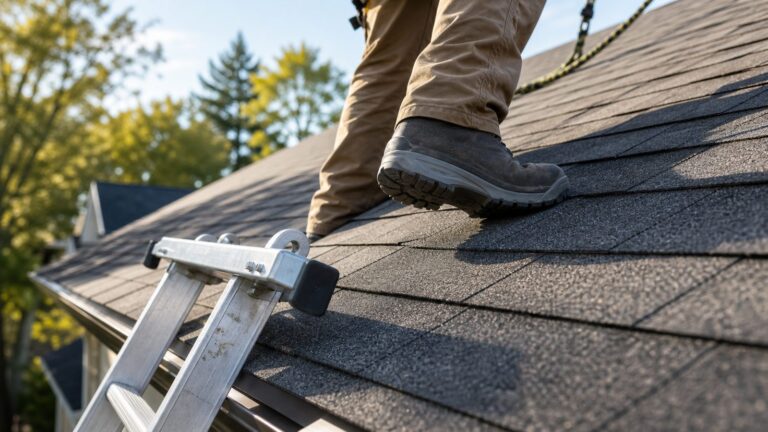
A low-slope walkable roof is faster and safer to work on. A steep roof needs more fall protection, slower staging, and more labor hours. Two-story and three-story homes add ladder work, material handling time, and risk. A steep roof can add thousands of dollars compared with a simple low-pitch roof of the same square footage.
Quick wins for a faster PC:
Fix the driver behind crashes, sound loss and screen glitchesFind Drivers →Repair Windows errors before they cause bigger problemsFix Now →Roof complexity
Valleys, hips, dormers, chimneys, skylights, plumbing vents, solar mounts, crickets, wall intersections, and transitions all add detail work. These areas are also where leaks usually start. On our job sites, we spend extra time at flashing transitions because the shingle field is rarely the hard part; water management at penetrations and edges is where workmanship matters.
Tear-off and disposal
Removing old shingles costs money. Crews need labor, dump fees, a trailer or dumpster, magnetic cleanup, and disposal handling. Multiple layers cost more than one layer. Some homes have a second layer of shingles, old felt, damaged underlayment, or hidden repairs that only show up after tear-off.
Decking repairs
Rotten or delaminated sheathing cannot be covered and ignored. A good estimate should include a unit price for decking replacement, often priced per sheet or per square foot. If the contractor finds 6 sheets of bad plywood after tear-off, you should know in advance how that change will be priced and documented.
Underlayment, ice barrier, and drip edge
Underlayment is the secondary water-shedding layer below the roof covering. Ice barrier is commonly required at eaves in cold regions and may be used in valleys and leak-prone areas. Drip edge protects roof edges and helps direct water into gutters. These pieces are not decorative; they are part of the roof assembly.
Ventilation corrections
A new roof can fail early if the attic is not managed correctly. Balanced intake and exhaust ventilation helps control heat and moisture. If a roof has blocked soffits, inadequate intake, mixed exhaust types, or no ridge vent where one is appropriate, correcting it can add cost but protect the roof system.
Local labor, permits, and code
Roofing is local. A roof in Florida may need high-wind fastening details and specific underlayment requirements. A roof in Massachusetts or another cold climate may need more ice and water protection. Permit fees, inspection rules, disposal costs, insurance requirements, and labor rates all affect the bid.
Material Choices and What They Cost
Material choice is one of the biggest roofing price drivers, but it should not be evaluated by upfront cost alone. The right roof depends on budget, climate, structure, appearance, maintenance expectations, insurance requirements, and how long you expect to own the home.
Asphalt shingles
Asphalt shingles are the most common residential roofing material in the United States because they balance cost, availability, appearance, and repairability. A broad installed planning range is $4 to $8 per square foot. Current national estimating data for asphalt shingle installation starts around $5.09 to $6.66 per square foot before location and option adjustments.
Rank #2
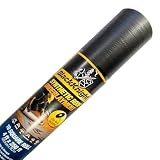
- WHAT'S IN THE BOX: One 4 ft x 250 ft roll covering 10 squares, 1,000 sq ft, plus 50 galvanized plastic cap nails to start your run; additional fasteners sold separately
- 4-Layer Synthetic Protection: Durable professional-grade construction is designed to resist tearing, cracking, and moisture for dependable roof deck coverage.
- High UV Stability: Built for temporary outdoor exposure during roofing projects, with UV resistance for up to 6 months when needed.
- SAFER WALKABILITY: Non-woven top surface provides sure-footed traction, while the slip-resistant base layer helps support easier installation
- EASY INSTALLATION SUPPORT: Printed nail placement guides help simplify alignment and fastening, and included galvanized plastic cap nails support secure installation
Basic 3-tab shingles may price around $3.43 to $4.65 per square foot in some calculators, while architectural shingles often appear around $4.11 to $5.57 per square foot. Premium architectural shingles may run around $4.39 to $5.95+ per square foot, with higher totals when upgraded accessories, warranty packages, or difficult roof conditions are included.
For many homes, architectural shingles are the practical standard. They are thicker than 3-tab shingles, usually look better, and often offer stronger wind ratings when installed with the correct fastener pattern and accessories.
Metal roofing
Metal roofing is more expensive upfront. A common installed range is about $9 to $16+ per square foot, and standing seam or premium metal systems can exceed that. Material choice matters: exposed-fastener panels, standing seam panels, aluminum, steel, zinc, copper, coatings, trim packages, and snow retention all change the number.
Metal can make sense when the homeowner values longevity, lower maintenance, fire resistance, energy performance, or a specific architectural look. The installation is more specialized than standard shingles. Panel layout, expansion and contraction, fastening, clip spacing, trim, penetrations, and flashing details all matter.
Tile, slate, and premium roofs
Clay tile, concrete tile, natural slate, synthetic slate, copper, and other premium roof systems can push far above standard asphalt pricing. These materials may last longer, but they also require experienced installers and, in some cases, structural verification. Tile and slate are heavy. Before switching from asphalt to a heavy roofing system, the structure may need to be evaluated.
What Should Be Included in a Roof Estimate?
A roofing estimate should be specific enough that you can compare it line by line with another bid. Vague material names and one-line totals create problems. The cheapest bid often becomes expensive when missing items are added later.
Ask for the estimate to define these items:
- Measured roof area: total square footage and roofing squares.
- Tear-off: number of existing layers included.
- Disposal: dumpster, dump fees, and cleanup.
- Decking replacement: unit price per sheet or per square foot.
- Underlayment: synthetic felt, self-adhered membrane, or specified system.
- Ice barrier: where it will be installed and how far up the roof plane.
- Drip edge: eaves and rakes included.
- Flashing: wall flashing, step flashing, valley flashing, chimney flashing, and pipe boots.
- Ventilation: ridge vent, intake ventilation, box vents, gable vents, or corrections.
- Starter shingles and ridge caps: manufacturer-matched accessories if required.
- Fastening pattern: standard or high-wind nailing requirements.
- Permit and inspections: who pulls the permit and who schedules inspections.
- Warranty: workmanship warranty and manufacturer warranty level.
- Payment schedule: deposit, progress payment, final payment.
- Change orders: photo documentation and written approval before added work.
On our projects, we want the homeowner to know the price of unknowns before they become urgent. Decking is the best example. Nobody can fully inspect the roof deck until shingles come off, but the contract can still state the unit price and require photos before replacement.
Hidden Costs Homeowners Should Budget For
Not every added cost is a contractor trying to increase the job. Some costs are legitimate because the roof assembly has to be brought up to proper condition once the old material is removed.
The Tool Desk
Outbyte PC Repair FREEClear out junk files and repair common Windows errorsFree Scan →Outbyte Driver Updater FREEFix the driver behind crashes, sound loss and screen glitchesFind Drivers →Rotten decking
Water-damaged sheathing is common around valleys, chimneys, skylights, eaves, and long-term leak areas. If the decking is soft, swollen, mold-damaged, or delaminated, it needs replacement. Depending on material and labor rates, a few sheets may be a small change order; widespread damage can add thousands.
Fascia and soffit repairs
Eave leaks and poor gutter drainage can rot fascia boards and soffit material. Roofers often discover this during tear-off. If the drip edge, gutter apron, or ventilation intake was wrong for years, repairs may be needed before the roof edge can be finished correctly.
Flashing replacement
Reusing old flashing can save money on paper and cause leaks later. Step flashing, chimney flashing, skylight flashing, pipe boots, and wall flashing should be evaluated carefully. Many leak calls come from old flashing left in place under a new roof.
Ventilation upgrades
Adding ridge vent without intake does not solve attic ventilation. Mixing ridge vent with box vents can short-circuit airflow. Correcting intake, exhaust, and blocked soffits adds cost, but it can reduce heat buildup, condensation, and premature shingle aging.
Recommended Free Tools
Permit, inspection, and code upgrades
Some jurisdictions require specific underlayment, drip edge, ice barrier, fastening, or inspection steps. Storm-prone areas may require enhanced wind details. Cold-climate regions may require ice barrier at eaves. These requirements should be priced before work begins.
Why Roofing Quotes Can Be Thousands Apart
Three bids on the same house can come back at $10,500, $13,200, and $17,000. That does not automatically mean one contractor is overcharging. It may mean the scopes are different.
Rank #3

- 95 GSM PREMIUM DENSITY – Engineered with 95 gsm woven polypropylene, this underlayment is heavier and more durable than standard grades. Provides superior tear resistance and secondary water protection (rain, snow, wind-driven). Outperforms #15/#30 asphalt felt, while staying lightweight for reduced labor fatigue.
- 1000 SQ. FT. COVERAGE (10 SQUARES) – Each roll measures 48 inches wide by 250 feet long, covering a full 10 squares (1000 sq. ft.). The large roll size reduces costly labor, minimizes waste, and requires fewer roll changes – saving you time and money on every job.
- UV TREATED FOR 180 DAYS – UV-stabilized polypropylene construction resists degradation from sun exposure for up to 180 days. Provides reliable temporary cover and long-lasting secondary water-shedding protection during construction delays or before final roofing materials are applied.
- SLIP-RESISTANT SURFACE FOR SAFE WALKABILITY – Coated with a non-skid TPO (thermoplastic olefin) textured surface that provides excellent traction for roofers. Minimizes slip hazards and enhances safety during installation – even on steep slopes.
- Code Approved for Peace of Mind: This underlayment is rigorously tested and certified to meet ICC-ES ESR-5197 and AC188 criteria, complying with ASTM D8257 and CAN/CSA A123.3. It holds specific approvals for high-wind regions, including Florida FL-17194 and Texas T.D.I. approvals. Rest assured, this product meets or exceeds all major U.S. and Canadian building code requirements for mechanically attached synthetic underlayment.
One bid may include architectural shingles, full tear-off, synthetic underlayment, ice barrier in valleys and eaves, new drip edge, new pipe boots, new chimney flashing, permit, disposal, ridge vent, intake correction, manufacturer accessories, and a 10-year workmanship warranty. Another bid may include basic shingles, reuse existing flashing, no ventilation changes, no permit discussion, and decking billed later at an undefined rate.
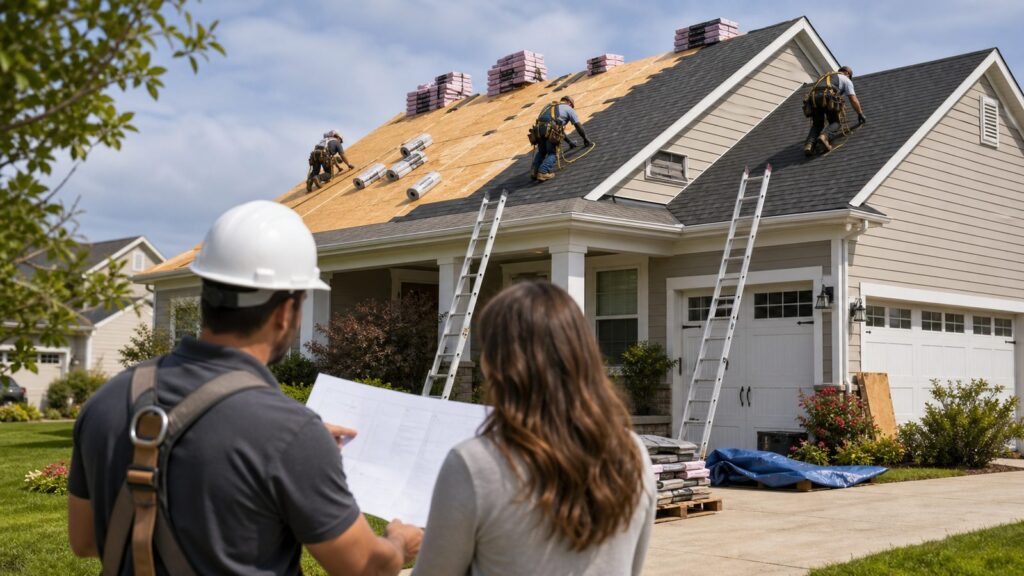
Compare bids by scope first and total price second. Ask each contractor to price the same material grade, the same warranty level, the same underlayment approach, the same flashing policy, and the same ventilation work. That is how you get an apples-to-apples comparison.
Do these 3 things before closing this tab:
1Clear out junk files and repair common Windows errors2Fix the driver behind crashes, sound loss and screen glitches3Repair Windows errors before they cause bigger problemsBid red flags
- No written scope beyond “replace roof.”
- No permit discussion.
- No certificate of insurance.
- No decking replacement unit price.
- Cash-only pressure or a large upfront payment demand.
- Vague shingle names with no manufacturer, line, or color.
- Old flashing reused by default.
- No attic ventilation assessment.
- No written workmanship warranty.
- No cleanup or magnetic nail sweep included.
Climate and Code Considerations
A roof should be priced for the climate it serves. A roof that works in a mild, dry region may not be sufficient for hurricane exposure, hail, heavy snow, ice dams, or extreme UV.
Storm-prone and high-wind areas
In coastal and high-wind regions, ask about high-wind-rated shingles, manufacturer-compliant fastening, sealed roof deck options, ring-shank nails where required, approved underlayment, enhanced edge metal, and inspection documentation. In some Florida markets, a typical 2,000-square-foot roof can run roughly $7,000 to $21,000, depending on material, slope, wind requirements, labor, and scope.
For hail-prone areas, impact-rated shingles may be worth pricing. They cost more upfront, but some homeowners value the added durability and possible insurance considerations. Ask your insurer whether any premium credit applies before assuming savings.
Cold climates
Cold climates need careful eave details. Ice barrier, proper attic air sealing, insulation coordination, and balanced ventilation all help reduce ice-dam risk. In higher-cost northern markets, a typical 2,000-square-foot home with architectural shingles can reach $15,000 to $22,000 when labor, code requirements, and ice and water shield needs are included.
Windows Errors? Fix Them Before They Spread
Repair common Windows errors and clear accumulated junk for a smoother, more stable PC - no reinstall needed.Free scan · no reinstallCrashes, No Sound, or Screen Glitches?
Random freezes, missing sound and display glitches usually trace back to one bad driver. Find and replace yours safely.Free scan · under a minuteHot climates
Hot climates punish roofs with UV exposure and thermal cycling. Color, reflectance, attic ventilation, radiant heat, and material quality matter. A dark roof on a poorly ventilated attic can run hotter and may age faster. Light-colored shingles, reflective metal coatings, and proper attic airflow can improve comfort and roof performance.
Can You Put New Shingles Over Old Shingles?
An overlay, or second-layer roof, means installing new shingles over existing shingles. It can reduce tear-off and disposal cost, but it is not always allowed or advisable.
We are cautious with overlays because they can hide damaged decking, trap moisture, create uneven surfaces, add dead load, complicate flashing, and affect manufacturer warranty terms. Local code may also restrict the number of layers or prohibit overlays in certain conditions. If the existing roof is curled, soft, leaking, poorly ventilated, or already has multiple layers, tear-off is usually the better path.
A full tear-off lets the crew inspect the deck, replace rotten sheathing, install underlayment correctly, reset edge metal, correct flashing, and evaluate ventilation. It costs more upfront, but it gives you a cleaner roof assembly and fewer unknowns.
When to DIY vs. When to Hire a Pro
Roofing looks simple from the ground. It is not simple when you account for fall risk, weather exposure, sequencing, flashing, ventilation, code, warranties, and disposal. A small repair on a low-slope shed is one thing. A full residential roof replacement is usually professional work.
Reasonable DIY tasks
- Cleaning gutters from a stable ladder if you are comfortable and properly equipped.
- Replacing a small section of accessible gutter guard.
- Inspecting the attic for daylight, stains, wet insulation, or condensation.
- Photographing visible storm damage from the ground.
- Replacing a few shingles on a low, simple roof if you have roofing experience and proper fall protection.
Hire a professional for these
- Full roof replacement.
- Steep or two-story roof work.
- Chimney, skylight, wall, or valley leaks.
- Structural decking repairs.
- Metal roofing installation.
- Code-required reroofing work.
- Insurance claim roof replacement.
- Any roof where fall protection, weatherproofing, or warranty compliance is uncertain.
Labor commonly prices around $40 to $90 per hour in national reporting, but roof replacement is usually bid by the job because production speed, crew size, safety setup, and scope matter more than a simple hourly count. A professional crew may complete a straightforward asphalt roof in one to three days. Large, steep, complex, or premium roofs can take several days to multiple weeks.
Insurance Claims and Roof Supplements
If storm damage is involved, the roof price may be tied to an insurance estimate. Insurance scopes are not always complete on the first pass. A supplement is a request for additional approved cost when the contractor documents required work that was missed or underpriced, such as code-required underlayment, drip edge, additional steep charges, decking, flashing, or permit fees.
Good documentation matters. Ask for photos of damaged shingles, soft decking, broken vents, failed flashing, code-required items, and completed work. Homeowners should understand their deductible, depreciation, recoverable depreciation rules, and what the policy does or does not cover. A contractor can document construction scope, but coverage decisions come from the insurance carrier and policy.
Quick wins for a faster PC:
Clear out junk files and repair common Windows errorsFree Scan →Fix the driver behind crashes, sound loss and screen glitchesFind Drivers →How to Compare Roofing Bids
Get at least two to three comparable bids. Do not ask one contractor for basic 3-tab shingles, another for architectural shingles, and another for standing seam metal, then compare only the totals. That will not tell you who is offering the best value.
Rank #4

- Synthetic Roofing Underlayment: 48" x 250' (covers 1,000 sq ft) roll qualified with ASTM, waterproof vapor barrier materials alternative for roofing felt, tear/ UV/ wind resistance insulation paper for metal, shingle, tile roof, roof slopes of 2:12 (17%) or steeper.
- Vapor Barrier Underlayment: APX waterproof insulation is vapor permeable (0.12 perms per ASTM E96), accelerates moisture escape, keeps the roof structure dry, professional synthetic PP barrier for metal, shingle, tile roof in humid or coastal climates.
- Jobstie Convenience: APX non-woven membrane (ASTM D8257) is UV, wind, fire and 90 days exposure resistance , designed with cover area guide line and standard 1-inch nails fixing sign for easy and proper construction. Non slip, lightweight and easy to cut roof paper provides convenience and safety.
- Roofing Membrane: -RL85 underlayments meet ICC-ES AC188 standards, 4 layers consisting of non-woven polypropylene, scrim coated, better tensile strength and more energy efficient make it a perfect replacement for traditional #30 roofing felt, reinforced moisture resistance performance.
- NO Season Limit: HVHZ standard (FL47795), APX roofing underlayment can form an ice barrier in extreme weather conditions and withstand 90 days of UV exposure, meets ASTM E108 Class A fire resistance for construction anywhere any season. Contact us for 24/7 technical support.
Use the same roof area, material line, underlayment, flashing policy, ventilation scope, warranty level, and decking unit price. Ask each contractor these questions:
- How many roofing squares are included?
- How many existing layers are included in tear-off?
- What exact shingle or panel product is included?
- Are starter shingles and ridge caps manufacturer-matched?
- Will all pipe boots and vents be replaced?
- Will step flashing and chimney flashing be replaced or reused?
- What underlayment is included?
- Is ice barrier included where code or climate requires it?
- What ventilation changes are included?
- What is the decking replacement price?
- Who pulls the permit?
- What workmanship warranty is included?
- What payment schedule is required?
- How are change orders approved?
The best bid is not always the lowest bid. The best bid is the one that gives you the right roof assembly, documented scope, qualified installation, code compliance, and a clear warranty at a fair price.
How to Budget for a Roof Replacement
For a standard asphalt roof, start with measured roof area and a planning range of $4 to $8 per square foot. For a 2,000-square-foot roof area, that suggests $8,000 to $16,000. Then adjust for pitch, height, complexity, local labor, tear-off layers, code requirements, ventilation, flashing, and decking risk.
If your roof is old, leaking, or has visible waves and soft spots, include a contingency. A practical homeowner contingency is often 10% to 20% above the base contract for hidden decking, fascia, flashing, or ventilation corrections. On a $12,000 roof, that means keeping another $1,200 to $2,400 available for legitimate discoveries.
Payment schedules vary, but be cautious with large upfront demands. A reasonable contract should define deposit, material payment if applicable, progress billing for longer jobs, and final payment after completion, cleanup, and inspection. The contract should also state lien waiver practices where applicable.
The Bottom Line on Roofing Prices
In 2026, most homeowners should expect a professional roof replacement to be priced as a detailed construction scope, not a single average. National averages around $9,600 to $10,000 are a useful starting point, but real projects commonly range from about $5,900 to $14,000 for standard work and can climb much higher for large, steep, complex, storm-rated, or premium roofs.
The most reliable way to protect your budget is to measure the roof correctly, compare bids by roofing square and scope, confirm code and permit requirements, ask how flashing and ventilation will be handled, and require written unit pricing for decking. A roof is a system. The shingles are only one part of the price.
Free tools Windows power users keep installed
One-click scans. No signup required.
Frequently Asked Questions
How much does a new roof cost in 2026?
Many standard professional roof replacements average around $9,600 to $10,000 nationally in 2026. Common projects often fall between about $5,900 and $14,000, while large, steep, complex, or premium roofs can exceed $20,000 to $46,000.
How much does roof replacement cost per square foot?
Asphalt shingles commonly cost about $4 to $8 per square foot installed. Architectural shingles often run around $5 to $7 per square foot. Metal roofing commonly runs about $9 to $16 or more per square foot installed.
Why are roofing quotes so different?
Quotes differ because contractors may include different scopes. One bid may include tear-off, permit, flashing, ventilation, drip edge, disposal, and warranty coverage, while another may exclude those items or leave them as change orders.
Is a metal roof worth the higher upfront cost?
A metal roof can be worth it when the homeowner values longer potential service life, low maintenance, fire resistance, energy performance, or a specific architectural look. It costs more upfront and requires specialized installation.
Can I put new shingles over old shingles?
Sometimes, but it is often not the best choice. An overlay can hide rotten decking, trap moisture, create uneven surfaces, add weight, complicate flashing, and affect warranty terms. Local code may also limit or prohibit it.
What should be included in a roofing estimate?
A roofing estimate should include measured roof area, tear-off layers, disposal, underlayment, ice barrier if needed, drip edge, flashing, ventilation, decking replacement unit price, permits, inspections, warranty, cleanup, payment schedule, and change-order terms.
Quick Recap
Product prices and availability are accurate as of the date/time indicated and are subject to change. Any price and availability information displayed on Amazon at the time of purchase will apply.