The safest answer is not that every plant below must never be grown. Many can be cultivated responsibly, and serious plant poisoning is uncommon in the United Kingdom. But if young children, pets, livestock, or edible crops share your outdoor space, avoiding these 12 flowers and flowering ornamentals is a sensible way to reduce preventable risk. The danger varies by species, plant part, dose, and route of exposure: some are mainly hazardous when eaten, while others can also irritate skin or eyes.
“Toxic” does not mean that merely walking past a plant will poison you. The practical concerns are swallowing leaves, berries, bulbs, seeds, flowers, or vase water; getting irritating sap into the eyes or onto broken skin; and allowing pets or livestock to chew clippings. The Royal Horticultural Society’s guidance on potentially harmful garden plants recommends teaching children not to eat garden plants, wearing gloves when pruning or weeding, covering exposed skin, and keeping prunings away from animals.


As an Amazon Associate I earn from qualifying purchases.
The 12 flowers and ornamentals to think twice about
This is a practical household-safety list, not an exhaustive catalogue of poisonous plants. If you already have one of these species, identify it accurately before deciding whether to remove it. Do not rely on a general photograph or a common name alone: varieties and related species can differ, and accurate identification helps poison specialists give appropriate advice.
What’s actually slowing this PC down?
Pick the symptom - the matching free tool is one click away.
1. Foxglove (Digitalis purpurea)
Foxglove’s tall flower spikes make it a popular cottage-garden plant, but all parts of foxglove can contain cardiac glycosides. Leaves, flowers, seeds, and other plant material can be poisonous if swallowed, potentially disturbing heart rate and rhythm.
#1 Best Overall
The plant deserves particular caution in family gardens because its attractive flowers and seed capsules can invite handling, and its leaves may be confused with edible herbs. Do not make tea, food, or home remedies from foxglove. Avoid planting it where small children or pets freely play, and remove fallen plant material promptly.
2. Oleander (Nerium oleander)
Oleander is a flowering shrub used in landscaping, especially in warm climates, but poisonous compounds occur throughout the plant. MedlinePlus identifies exposure from eating oleander flowers or chewing its leaves and stems, including cardiac-toxic compounds such as oleandrin and related glycosides.
It is also a serious animal hazard: the ASPCA lists oleander as toxic to dogs, cats, and horses. Treat leaves, flowers, seeds, and pruning waste as unsafe around children and animals. If a pet can reach a shrub or its fallen leaves, choosing a different ornamental is the lower-risk option.
The Tool Desk
Outbyte PC Repair FREEClear out junk files and repair common Windows errorsFree Scan →Outbyte Driver Updater FREEFix the driver behind crashes, sound loss and screen glitchesFind Drivers →3. Lily-of-the-valley (Convallaria majalis)
Lily-of-the-valley is a small, fragrant woodland plant with white bell-shaped flowers and conspicuous red berries. It contains cardiac glycosides, including convallarin and related compounds. Depending on the exposure, reported signs can include vomiting, irregular heartbeat, low blood pressure, disorientation, seizures, and coma; the ASPCA warns that it is poisonous to pets.
The berries are particularly concerning in a garden accessible to children. Poison Control describes a child who required overnight cardiac observation after swallowing an unknown amount. Its spreading habit can also make it difficult to keep contained, so it is a poor choice for an unsupervised play area.
4. Monkshood or wolfsbane (Aconitum spp., especially A. napellus)
Monkshood produces striking blue, purple, or dark-purple flowers, but every part can be dangerous if swallowed, with the roots especially toxic. Poison Control describes aconitine as a potent heart and nerve poison.
Possible effects include tingling or burning, numbness, nausea, abdominal symptoms, collapse, and potentially fatal cardiac disturbances. Do not grow it where children might pick it, where pets can dig up its roots, or where it could be confused with an edible plant. Casual admiration is not the same as poisoning, but casual handling and home use are unnecessary risks.
5. Angel’s trumpet (Brugmansia spp.)
Angel’s trumpet has large, fragrant, hanging trumpet-shaped flowers. The fragrance itself is not the main warning; the concern is exposure to the plant, particularly ingestion and sap contact. The RHS classifies all parts as highly poisonous and warns that the sap can irritate skin.
If it is already established, wear gloves and cover exposed skin when pruning, transplanting, or removing it, then wash your hands. Keep cuttings away from children, pets, and compost or garden areas where animals may investigate them. Gloves reduce handling exposure; they do not make the plant safe to eat or safe in a child-accessible garden.
6. Jimson weed or thornapple (Datura stramonium)
Jimson weed is an unwanted plant that can appear in ornamental beds, disturbed soil, and waste areas. It has showy trumpet flowers, but it is poisonous to people and animals. Penn State Extension describes jimson weed as poisonous to humans and animals, and Poison Control includes it among selected poisonous plants.
Do not allow it to naturalize or set seed. When removing an unfamiliar plant, use gloves, cover your skin, avoid touching your face, and wash afterward. Because the common name “thornapple” may be unfamiliar to household members, label or photograph an unknown plant for identification rather than assuming a decorative volunteer is harmless.
Free tools Windows power users keep installed
One-click scans. No signup required.
7. Autumn crocus (Colchicum autumnale)
Autumn crocus is a bulbous ornamental that flowers in late summer or autumn. The RHS lists Colchicum as toxic if eaten, and Poison Control includes autumn crocus among poisonous plants.
The bulb is a practical household concern because it can be mistaken for an edible onion or another planting bulb, particularly before it is planted. Keep bulbs in their original packaging or a clearly marked container, store them away from food, children, and pets, and never use unidentified bulbs in cooking. Clear labeling matters when bulbs are stored in a shed, garage, or shared refrigerator space.
8. Castor bean (Ricinus communis)
Castor bean is grown for its dramatic foliage, spiky flower clusters, and ornamental seed capsules. The primary household warning is ingestion of the seeds: the RHS classifies castor bean as toxic if eaten, and Poison Control includes it in its selected poisonous-plant information.
Rank #3

- EDIBLE WILD PLANTS: EAST & CEN
Do not imply that ordinary contact with the leaves automatically causes poisoning. Instead, prevent children and pets from reaching the seeds, remove volunteer plants before they mature, and dispose of fallen seed capsules safely. Avoid planting castor bean beside play areas, animal runs, or paths where seeds can be easily collected.
9. Deadly nightshade (Atropa belladonna)
Deadly nightshade has attractive dark berries that can look like edible fruit. The RHS notes that every part is poisonous and specifically warns that the berries can lure people who mistake them for food.
This is not an appropriate residential-garden choice where children can encounter or pick berries. If it appears as a volunteer plant, do not taste-test it to identify it. Keep children and pets away while arranging accurate identification and removal, and use gloves if handling the plant or its sap.
10. Mountain laurel (Kalmia latifolia)
Mountain laurel is a flowering evergreen shrub native to parts of North America. It appears on Poison Control’s selected poisonous-plant list, and the RHS includes the broader Kalmia group among plants toxic if eaten.
The defensible household precaution is to prevent ingestion, not to claim that ordinary garden contact is automatically poisonous. Avoid planting it beside children’s play spaces or edible gardens where leaves might be confused with food. Keep prunings away from dogs, cats, horses, and other animals, and verify the exact species if an exposure occurs.
Do these 3 things before closing this tab:
1Fix the driver behind crashes, sound loss and screen glitches2Clear out junk files and repair common Windows errors3Scan for outdated or missing drivers - takes under a minute11. Daffodil (Narcissus spp.)
Daffodils are familiar spring flowers, but familiarity does not make them food-safe. Poison Control lists daffodils among poisonous plants, with the bulb the key practical concern because it can be mistaken for an edible bulb.
Store daffodil bulbs separately from onions, garlic, and other food, and keep them in clearly labeled packaging. The hazard also extends beyond the garden: Poison Control describes a child who accidentally poured daffodil vase water over breakfast. Keep cut flowers and vase water away from food, young children, and pets, and wash hands after handling bulbs.
12. Iris (Iris spp.)
Iris is a common garden perennial, but it appears in Poison Control’s selected poisonous-plant and plant-safety material. Because toxicity can vary by species and plant part, the careful rule is simple: do not eat iris, and keep rhizomes, leaves, and plant debris away from children and pets.
Take extra care when dividing or storing iris rhizomes. Label them clearly, do not store them with edible roots, and identify the exact species if someone or an animal has chewed part of the plant. Avoid turning a general warning into a claim that every iris exposure will be severe; the risk depends on what was eaten and how much.
Recommended Free Tools
Why these plants are risky in different ways
Grouping plants by the type of hazard makes the list easier to use. These categories overlap, and they describe the principal concern rather than every possible effect.
| Risk pattern | Plants on this list | What to prevent |
|---|---|---|
| Cardiac glycosides | Foxglove, oleander, lily-of-the-valley | Swallowing leaves, flowers, berries, seeds, or plant debris |
| Heart and nerve toxins | Monkshood | Handling or ingesting plant material, especially roots; never use it as an edible herb |
| Neurotoxic or anticholinergic effects | Jimson weed | Eating leaves, seeds, or other parts and allowing the plant to spread |
| Bulb and planting-material hazards | Autumn crocus, daffodil, iris | Confusing bulbs or rhizomes with edible roots or onions |
| Berry and seed hazards | Deadly nightshade, castor bean, lily-of-the-valley | Picking, chewing, or storing attractive berries and seeds within reach |
| Sap and contact irritation | Angel’s trumpet and some other ornamentals | Getting sap on skin or in eyes during pruning or removal |
The same plant can present different levels of risk to different households. A carefully managed adult-only garden is not equivalent to a garden shared by toddlers, free-roaming dogs, grazing horses, or someone who routinely forages. Avoiding a high-risk ornamental is often simpler than trying to control every fallen leaf, berry, seed, bulb, and pruning.
How to make an existing garden safer
- Identify before touching or removing. Photograph the whole plant, including leaves, flowers, berries or seed capsules, and its growing location. Use a reputable local extension service, botanical garden, horticultural society, or plant-identification clinic when the identity is uncertain. Accurate identification is especially important if an exposure has already occurred.
- Teach a clear rule. Children should not eat flowers, leaves, berries, bulbs, seeds, or vase water without an adult’s confirmation. “It looks like a vegetable” and “an animal eats grass” are not reliable safety tests.
- Separate toxic ornamentals from edible beds. Do not store bulbs and rhizomes with onions, garlic, potatoes, or other food. Mark plants and stored planting material with their botanical and common names. Weatherproof plant labels can help distinguish ornamental bulbs from food crops, but labels are a supporting measure, not a substitute for supervision.
- Control access by animals. Keep dogs, cats, horses, livestock, and other animals away from toxic plants, fallen leaves, berries, bulbs, and clippings. The ASPCA’s gardening guidance for pet owners is a useful reminder that a plant safe from a child’s reach may still be accessible to a grazing animal or a dog that scavenges yard waste.
- Use protective clothing for sap and debris. Wear gloves and cover exposed skin when pruning, transplanting, weeding, or removing plants with irritating sap. Nitrile gardening gloves for plant handling are a practical option for messy removal work, but no glove replaces hand-washing, careful disposal, or keeping the plant away from children and pets.
- Dispose of prunings deliberately. Do not leave cuttings in a pile where pets or livestock can chew them. Bag or otherwise contain material according to local green-waste rules, and clean tools after working on a plant that may be irritating or toxic.
- Do not use unknown plants as food or medicine. Never make tea, tinctures, salads, or home remedies from a plant simply because it has attractive flowers or resembles an edible species.
For safer plant identification
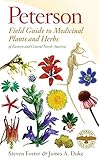
A printed reference can be useful for learning the difference between common ornamentals, weeds, bulbs, and wild plants. The North American Guide to Common Poisonous Plants and Mushrooms is an optional reference for readers who want coverage of ornamental and wild toxic plants. Check the current edition and seller details before buying, and remember that a field guide does not replace Poison Control, emergency medical care, or veterinary advice during a suspected exposure.
What to do after a suspected exposure
If someone may have swallowed a plant part, do not wait for symptoms and do not guess at treatment. In the United States, call Poison Help at 1-800-222-1222. Poison Control advises accurate identification and specifically says not to induce vomiting unless instructed by Poison Control or a healthcare professional. Outside the United States, use your country’s poison centre or emergency medical number. For an animal exposure, contact a veterinarian or an appropriate animal poison service promptly.
Have the following information ready:
- the plant’s common and botanical name, if known;
- which part was involved—leaf, flower, berry, seed, bulb, rhizome, sap, or vase water;
- the approximate amount and time of exposure;
- the person’s or animal’s age, weight, and symptoms; and
- clear photographs of the whole plant and the relevant plant part.
Do not rely on a generic internet photograph for emergency identification. Keep a sample only if poison professionals advise that doing so is safe; otherwise use photographs and tell responders where the plant was growing. Seek emergency help immediately for collapse, trouble breathing, seizures, severe confusion, or other serious symptoms.
Best Value
This is a risk-management list, not a complete ban
The 12 plants here are not the only garden hazards. Poison Control also identifies plants such as azalea, rhododendron, poison hemlock, water hemlock, pokeweed, yew, and rosary pea as additional concerns. Conversely, “toxic” does not mean that every contact causes poisoning or that a plant is illegal to sell or universally unsafe to grow. The RHS notes that potentially harmful plants can be grown safely when handled respectfully.
The recommendation to avoid planting them is strongest when a garden is shared with toddlers, pets, horses, livestock, or people who forage, or when the household cannot reliably control access to bulbs, berries, seeds, and clippings. In a controlled setting, accurate labels, supervision, protective clothing, and prompt removal of waste can reduce risk—but choosing a non-toxic alternative is usually the simplest safety improvement.
Frequently Asked Questions
Are these flowers poisonous just to touch?
Not necessarily. The principal danger for many of these plants is ingestion, especially swallowing bulbs, seeds, berries, leaves, or flowers. Some plants, including angel’s trumpet, can also irritate skin through sap contact. Wear gloves and cover exposed skin when pruning or removing potentially harmful plants, then wash your hands.
Quick wins for a faster PC:
Clear out junk files and repair common Windows errorsFree Scan →Scan for outdated or missing drivers - takes under a minuteDriver Scan →What should I do if a child or pet eats part of a garden plant?
Do not induce vomiting unless Poison Control, a healthcare professional, or a veterinarian tells you to. In the United States, call Poison Help at 1-800-222-1222 for a human exposure; contact a veterinarian or animal poison service for a pet. Provide the plant’s identity, the part eaten, the approximate amount, and photographs if available.
Are daffodils safe once they are cut and placed indoors?
Cut daffodils and their vase water should not be treated as food-safe. Keep flowers and vase water away from children and pets, and never allow bulbs to be confused with edible onions or other food.
Can I compost toxic garden plants?
Do not assume composting makes every plant or seed safe, and never leave prunings where children, pets, or livestock can chew them. Follow local green-waste guidance and use a contained disposal method when professionals or local authorities recommend it.
The Bottom Line
If your garden includes young children, free-roaming pets, horses, or edible crops, the lowest-risk choice is to avoid planting foxglove, oleander, lily-of-the-valley, monkshood, angel’s trumpet, jimson weed, autumn crocus, castor bean, deadly nightshade, mountain laurel, daffodil, and iris—or to remove existing plants that cannot be kept securely separated. Identify plants accurately, label bulbs and rhizomes, wear gloves for sap and pruning work, contain garden waste, and contact Poison Control or a veterinarian promptly after a suspected exposure.
PC Slower Than It Used to Be?
A free scan shows the junk files, broken settings and background clutter dragging Windows down - then fixes them in one click.Free scan · Windows 10 & 11Outdated Drivers Are Slowing You Down
One free scan finds every outdated or missing driver and matches the right update for your exact hardware.Free scan · exact hardware matchQuick Recap
Product prices and availability are accurate as of the date/time indicated and are subject to change. Any price and availability information displayed on Amazon at the time of purchase will apply.

