Used coffee grounds may help discourage deer for a short time because they add a strong scent around vulnerable plants. They are cheap, easy to apply, and worth testing if deer pressure is light. But coffee grounds are not a proven deer-control system, and homeowners should not rely on them to protect expensive landscaping, fruit trees, or a food garden during heavy browse pressure.
The practical answer is this: use coffee grounds as a first-layer scent tactic, not as the whole plan. Sprinkle a thin band of cooled, used grounds around plants deer are targeting, keep the grounds away from stems and crowns, refresh after rain or irrigation, and watch the garden for 7 to 14 days. If new browsing continues, add a labeled deer repellent. If deer keep feeding or the plants are high-value, move to physical exclusion: cages, netted hoops, temporary deer netting, or a 7.5- to 8-foot fence.
That is the same logic we use on job sites when protecting new planting beds after landscape work. Start with the lowest-cost layer that might solve the problem, but set a deadline. Deer damage can ruin a new bed in one night, so the plan needs a clear point where you stop experimenting and build a barrier.
Do Coffee Grounds Really Repel Deer?
Coffee grounds are best described as an anecdotal deer deterrent. They may help because deer rely heavily on smell when deciding where to feed, and a fresh band of strong-smelling material can make a bed less familiar or less inviting. That does not mean coffee grounds reliably repel deer.
#1 Best Overall

- Size: Deer netting size 7 feet x 100 feet; garden netting mesh size 3/4"; color: black; Easy to use accessories included: 10pcs installation nails & 50pcs cable ties
- Strong & Reusable: Tough deer fence barrier netting is made from high quality polypropylene(PP), lightweight yet heavy duty, It won’t tear easily, rust or rot like metal or wood, doesn't tangle and reusable for longer protection; Can also used as bird netting, chicken netting, rabbit fence, pond & pool netting
- Safe & Economical: The 3/4 inch square mesh design of our deer fencing provides maximum protection for your garden plants, fruits, Arborvitae trees, berries and shrubs without harming birds and small animals or interfering with plant growth
- Easy to Install: Easy to use roll of anti bird deer protection netting, simply attach to stakes or posts(not included); Or you can cut it to any size you need with scissors to put it up around your vegetable garden or individual shrubs
- Enjoy Your Fruits: Don’t let birds, deer, dogs or other animals ruin your harvest and feast on your produce before you get a chance to; Ideal garden protective netting for tomatoes, strawberries, blueberries, fig, cherry etc. Keep your crop peck-free this summer
Extension guidance on coffee grounds is cautious: there is no published evidence showing that coffee grounds repel or kill garden pests. Deer-management guidance is also consistent on one point: odor-based repellents fade, wash off, and often fail when deer are hungry, habituated, or present in large numbers.
So the honest homeowner answer is not “coffee grounds work” or “coffee grounds do nothing.” The useful answer is more specific:
- Good use: a short-term scent layer around low- to moderate-risk garden beds.
- Poor use: the only protection for fruit trees, roses, hostas, arborvitae, berries, vegetables, or new transplants.
- Best role: part of a rotation with commercial repellents, netting, plant selection, and fencing.
In areas with light deer traffic, a strong new smell may interrupt feeding for a few days. In areas where deer visit nightly, coffee grounds usually become background noise fast.
How to Apply Coffee Grounds Around Garden Plants
Use spent coffee grounds, not fresh grocery-store coffee. Fresh ground coffee is too expensive for repeat garden use, usually several dollars per pound, and you will need to reapply often. Used grounds are the only practical option because they are usually free if you save them at home or pick them up from a coffee shop that offers spent grounds.
Crashes, No Sound, or Screen Glitches?
Random freezes, missing sound and display glitches usually trace back to one bad driver. Find and replace yours safely.Free scan · under a minutePC Slower Than It Used to Be?
A free scan shows the junk files, broken settings and background clutter dragging Windows down - then fixes them in one click.Free scan · Windows 10 & 11Step-by-Step Application
- Let the grounds cool completely. Never put hot grounds near plants, mulch, plastic edging, or irrigation tubing.
- Break up wet clumps. Coffee grounds can mat together. Crumble them by hand so they spread thinly.
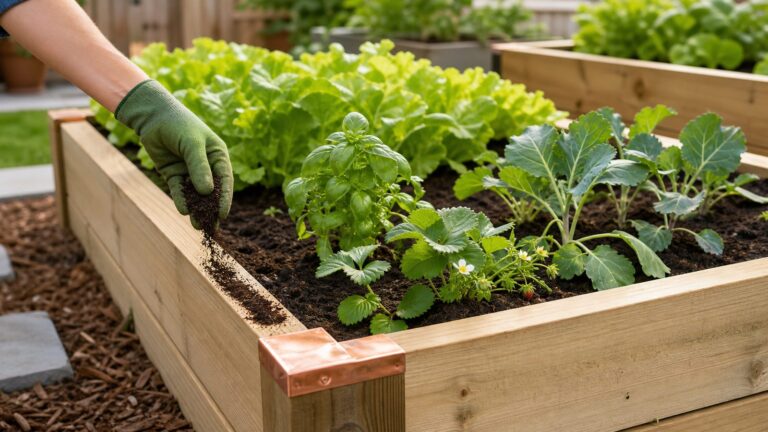
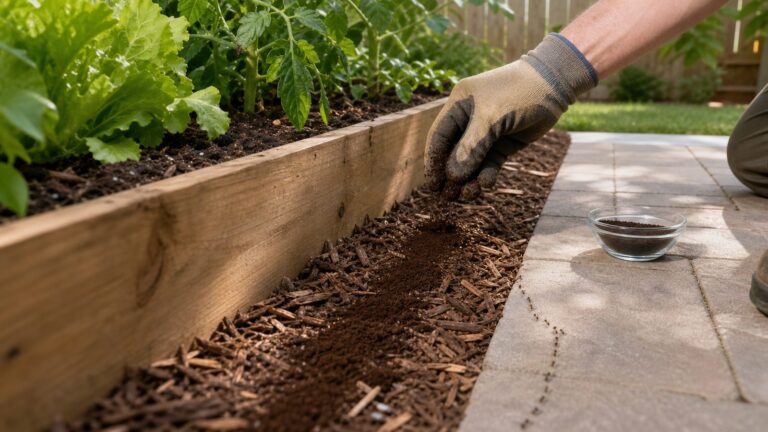
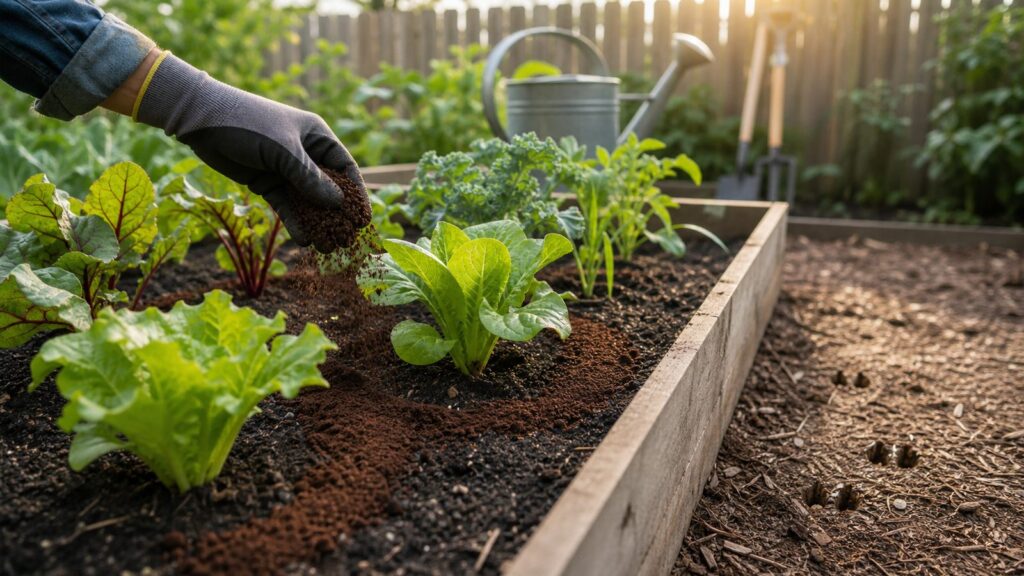
- Apply a narrow band. Sprinkle a band 2 to 4 inches wide around individual plants or along the bed edge.
- Keep the material off stems and crowns. Leave about 2 to 3 inches of open space around plant stems to reduce moisture problems.
- Use a light layer. Aim for a dusting, not a pile. A thick ring can crust over and affect water movement.
- Refresh after rain or irrigation. Reapply after heavy rain, overhead watering, or when the coffee smell fades.
For a 4-by-8-foot raised bed, a quart-size container of used grounds is usually enough for a light perimeter band. For a 20-foot ornamental bed, plan on 1 to 2 quarts for a thin edge treatment. More is not better. Once the soil surface is covered heavily, you are no longer just making a scent barrier; you are changing the bed surface.
Where to Put the Grounds
Place coffee grounds where deer approach or feed, not randomly across the whole yard. Focus on bed entrances, plant clusters, and the outer edge of the planting area. Around individual plants, make the band outside the drip line when possible, especially for small perennials and vegetables.
Do not bury large amounts of coffee grounds directly into planting holes. If you want soil benefits, compost the grounds first or use them sparingly as part of a broader organic matter program.
How Often to Reapply Coffee Grounds
Expect to refresh coffee grounds every few days during wet weather and about once a week during dry weather. If you are testing them as a deer deterrent, check the plants daily for the first week.
Free tools Windows power users keep installed
One-click scans. No signup required.
Rank #2

- COMPLETE PROTECTION KIT - Professional-grade 7ft x 100ft deer netting with 3/4" fine mesh that effectively blocks deer, rabbits, birds, and small pests. Includes 10 metal landscape staples and 50 zip ties for immediate installation - everything you need in one package.
- HEAVY-DUTY UV-PROTECTED MATERIAL - Made from premium polyethylene with enhanced UV protection that withstands harsh weather without tearing or degrading. Designed for multi-season use while allowing sunlight, water, and air to reach your plants naturally.
- PROVEN GARDEN PROTECTION - 3/4-inch precision mesh provides reliable barrier against deer, birds, squirrels, and rabbits without harming animals. Protects fruits, vegetables, shrubs, and young trees while maintaining healthy plant growth.
- QUICK & EASY INSTALLATION - Cut to any size needed and secure with included stakes and zip ties. Perfect for covering individual plants, raised beds, or entire garden rows. Lightweight design makes setup simple for one person.
- FEED GARDEN QUALITY GUARANTEE - Trusted by thousands of gardeners nationwide. If you're not completely satisfied with the protection and durability of your deer netting, contact us for a prompt solution. Your garden's success is our priority.
A practical trial schedule looks like this:
- Day 1: Apply a thin band around the target plants and bed perimeter.
- Days 2 to 7: Check for fresh browse, hoof prints, disturbed mulch, or missing flower buds.
- After rain: Reapply once the soil surface is workable.
- Day 7 to 14: If new damage continues, add a labeled deer repellent or physical cover.
Commercial odor and taste repellents often need reapplication every two weeks or after heavy rain, depending on the label. Coffee grounds are less durable than many commercial products, so assume they need attention sooner.
Coffee Grounds and Soil Health: Useful, But Not Unlimited
Coffee grounds can contribute organic matter, but that is a separate issue from deer control. Do not confuse “coffee grounds can be composted” with “coffee grounds are proven to repel deer.” Those are two different claims.
Used coffee grounds are generally near neutral after brewing, often around pH 6.5 to 6.8, so they should not be treated as a reliable way to acidify soil. If your blueberries, azaleas, or rhododendrons need acidic soil, use a soil test and the correct amendment instead of guessing with coffee grounds.
The bigger caution is volume. Coffee grounds can contain caffeine residues, and high amounts may suppress germination or slow plant growth. A safe composting guideline is to keep coffee grounds at no more than 20% of total compost pile volume. In a garden bed, that translates to light surface use only, not repeated heavy dumping.
The Tool Desk
Outbyte Driver Updater FREEFix the driver behind crashes, sound loss and screen glitchesFind Drivers →Outbyte PC Repair FREEClear out junk files and repair common Windows errorsFree Scan →What Not to Do
- Do not pile wet grounds against plant stems.
- Do not spread a thick, continuous mat over vegetable seedlings.
- Do not use coffee grounds as the main mulch layer.
- Do not mix pounds of fresh grounds into planting holes.
- Do not assume coffee grounds will make soil acidic.
On our construction and landscape-adjacent work, we treat amendments the same way we treat drainage materials: thickness matters. A little material in the right place can help. Too much in the wrong place creates a new problem.
Plants That Need Protection First
If deer are already feeding in your yard, protect the highest-value and highest-risk plants first. Deer preferences vary by region, season, herd pressure, and available food, but some plants are frequent targets in home landscapes.
- Ornamentals: hostas, daylilies, roses, tulips, arborvitae, yews, hydrangeas, and young shrubs.
- Food gardens: beans, lettuce, peas, berries, sweet potato vines, new transplants, and tender greens.
- Fruit plantings: young apple, pear, peach, plum, and cherry trees.
- New landscape work: freshly planted beds, watered lawns, fertilized shrubs, and tender spring growth.
Deer-resistant plant lists are helpful for lowering risk, but they are not guarantees. Hungry deer will eat plants they usually avoid. Young plants are also more vulnerable because one browse event can remove a large share of the canopy.
Coffee Grounds Compared With Other Deer-Control Options
The right deer-control method depends on plant value, deer pressure, budget, and how visible the area is from the street or patio. Coffee grounds are the cheapest option, but they also have the weakest evidence and shortest service life.
What’s actually slowing this PC down?
Pick the symptom - the matching free tool is one click away.
Rank #3

- COMPLETE PROTECTION KIT - Professional-grade 7ft x 200ft deer netting with 3/4" fine mesh that effectively blocks deer, rabbits, birds, and small pests. Includes 20 metal landscape staples and 50 zip ties for immediate installation - everything you need in one package.
- HEAVY-DUTY UV-PROTECTED MATERIAL - Made from premium polyethylene with enhanced UV protection that withstands harsh weather without tearing or degrading. Designed for multi-season use while allowing sunlight, water, and air to reach your plants naturally.
- PROVEN GARDEN PROTECTION - 3/4-inch precision mesh provides reliable barrier against deer, birds, squirrels, and rabbits without harming animals. Protects fruits, vegetables, shrubs, and young trees while maintaining healthy plant growth.
- QUICK & EASY INSTALLATION - Cut to any size needed and secure with included stakes and zip ties. Perfect for covering individual plants, raised beds, or entire garden rows. Lightweight design makes setup simple for one person.
- FEED GARDEN QUALITY GUARANTEE - Trusted by thousands of gardeners nationwide. If you're not completely satisfied with the protection and durability of your deer netting, contact us for a prompt solution. Your garden's success is our priority.
| Method | Typical 2026 Cost | Best Use | Limitations |
|---|---|---|---|
| Used coffee grounds | Usually $0 if saved at home; sometimes free from coffee shops | Short-term scent layer for low deer pressure | Not proven; washes away; deer may habituate |
| Ready-to-use deer spray | About $15 to $25 per quart | Foliar protection on ornamentals and selected edible-garden uses where label allows | Requires repeat applications; odor can be strong |
| Repellent concentrate | About $35 to $60 per quart or 40-64 oz container | Larger beds and repeated seasonal applications | Must be mixed and applied by label rate |
| Granular repellent | About $20 to $70 per container | Bed perimeters, shrubs, and areas where spray is inconvenient | Needs renewal after rain and over time |
| DIY deer netting | 7 ft x 100 ft rolls about $25 to $125+, plus posts, stakes, ties, anchors, and gates | Vegetable beds, small orchards, seasonal protection | Needs good anchoring and maintenance |
| Installed deer fence | Often $1,400 to $7,000 total, or about $6 to $15 per linear foot for deer fencing | High deer pressure, fruit plantings, large gardens, expensive landscapes | Higher upfront cost; permits or HOA approval may apply |
General permanent fence systems can cost more. For wood, vinyl, privacy, or more finished fence construction, basic installed fencing can run about $33.48 to $53.87 per linear foot depending on material, layout, terrain, and labor. That is why lightweight deer mesh is often the first physical barrier homeowners price for gardens.
A Practical Deer-Control Plan for Home Gardens
The most reliable deer-control plan uses layers. One smell, one product, or one trick rarely holds up for a full growing season.
Week 1: Start With Low-Cost Scent Disruption
Use coffee grounds around the most vulnerable plants. At the same time, remove attractants where practical. Clean up fallen fruit, protect new transplants, and avoid leaving tender seedlings uncovered near known deer paths.
Track damage for 7 days. Fresh deer browse often has a torn or ragged edge because deer pull foliage rather than making a clean cut. Hoof prints, pellet droppings, and missing buds at deer height are also common signs.
Week 2: Add a Labeled Repellent
If damage continues, add a commercial deer repellent. Choose the product by use area. Some products are intended for ornamentals only. Others may be labeled for edible crops, but timing and harvest restrictions matter. Follow the label exactly.
Rotate deterrents every few weeks. A rotation might include coffee grounds at the bed edge, egg- or garlic-based spray on foliage, blood-meal granules around ornamentals, a motion sprinkler, and temporary netting over the highest-value plants. Rotation helps reduce habituation.
Week 3 and Beyond: Exclude Deer Physically
If deer keep browsing after scent and taste repellents, build a barrier. This is especially true for young fruit trees, berry rows, vegetable gardens, and new landscape installations. Physical exclusion is the step that changes the odds.
For a small vegetable bed, individual cages or netted hoops may cost less and avoid the visibility concerns of a full fence. For a larger garden, a perimeter fence is usually cleaner and easier to maintain.
Rank #4

- 【Garden Netting Kit】7.5ft x 100ft bird netting, 3/4" fine square netting mesh to keep any small birds out. Accessories included: 10 pcs metal U shaped staples, 50 pcs zip ties
- 【Protect Your Garden】Strong bird netting for garden is designed with 3/4 inch mesh, fine enough to provide maximum protection for your ripening fruits, trees, plants, blueberry bushes, strawberries, and vegetables from hungry birds, deer, pigeons, rabbits, squirrels and other critters
- 【Strong and Reusable】Our deer fence net is made from UV resistant new material, strong and weatherproof, UV-stabilized to last for years. Much sturdier than other diamond mesh garden bird nets. Besides, it is non-toxic, safe and animal friendly, will not harm birds and small animals, also will not interfere with plant growth
- 【Easy to Cut and Install】The garden fence animal barrier can be cut to size without fraying. Drape it directly over berry bushes, fruit trees and vegetable rows, or suspend it with stakes or hoops support. Effective physical bird and pest barrier when installed properly
- 【Customers First】If you meet any problems, we offer 7 days, 24 hours worry-free customer support service. And we care about every single customer and your experience with our fruit tree netting.
How Tall Should a Deer Fence Be?
For serious deer pressure, design around deer behavior, not just material cost. An 8-foot fence is the standard target for reliable exclusion, and 7.5 feet is commonly used where allowed by local rules and site conditions. Deer can jump higher than 8 feet in some situations, but an 8-foot barrier is usually sufficient for home gardens when it is properly built.
For fruit trees and small orchards, conventional 8-foot woven-wire fencing is a proven approach. For vegetable gardens, 7-foot polypropylene deer netting can help, but it must be installed tightly enough that deer do not push under it or tangle through weak spots.
Fence Details That Matter
- Height: target 7.5 to 8 feet where local rules allow.
- Bottom gap: keep it tight to grade; stake or pin mesh where the ground dips.
- Posts: use sturdy corners and line posts spaced close enough to prevent sagging.
- Gates: build a full-height gate or overlap mesh so the opening is not the weak point.
- Jump aids: avoid placing wood piles, retaining walls, raised planters, or equipment next to the outside of the fence.
- Visibility: add flagging or top tape to thin mesh so deer can see the barrier before running into it.
Measure before buying. A 20-by-30-foot garden needs about 100 linear feet of fence before allowing for gate overlap and waste. A 40-by-60-foot garden needs about 200 linear feet. One 7-by-100-foot roll may handle the first layout, but the second layout needs at least two rolls plus posts, anchors, ties, and gate materials.
Independent reader supportYour contribution helps us test, update, and keep practical guides available for everyone.Permit, HOA, and Safety Notes Before You Build
Fence height is often regulated. Many municipalities allow shorter fences by right but require a permit, variance, or special approval above a certain height. An 8-foot deer fence can trigger review even when a 4- or 6-foot residential fence would not.
Do these 3 things before closing this tab:
1Clear out junk files and repair common Windows errors2Fix the driver behind crashes, sound loss and screen glitches3Repair Windows errors before they cause bigger problemsBefore installing a permanent barrier, check four things:
- Local fence height limits: front yard, side yard, and rear yard rules may differ.
- Setback requirements: some fences must sit inside property lines or outside easements.
- HOA rules: mesh, post type, color, and visibility may be restricted.
- Utility locations: call 811 before digging post holes.
Safety matters with temporary netting too. Loose black mesh can be hard to see at dusk, and poorly tensioned netting can sag into walkways, mower paths, or garden rows. Keep netting tight, mark corners clearly, and inspect it after storms.
When to DIY vs. When to Hire a Pro
DIY makes sense when the garden is small, the terrain is flat, the barrier is seasonal, and the appearance requirements are modest. A homeowner can often install temporary 7-foot netting around a raised-bed garden in a weekend using a 100-foot roll, posts, zip ties, landscape staples, and a simple gate opening.
Hire a pro when the fence is permanent, the grade changes, corners need real bracing, the gate must operate cleanly, or the fence affects curb appeal. Professional installation is also the better call when you are protecting a large garden, orchard, pool-adjacent landscape, or expensive planting package.
Quick wins for a faster PC:
Clear out junk files and repair common Windows errorsFree Scan →Fix the driver behind crashes, sound loss and screen glitchesFind Drivers →Repair Windows errors before they cause bigger problemsFix Now →Best Value

- UPGRADED REINFORCED AND ENCRYPTED EDGES WITH ROPES: Quick installation with tangle-free setup, securely fastening to the ground or posts for enhanced protection. The 5/8” square mesh effectively restricts animal movement, providing safety for your garden, poultry, and pets
- 55 gsm HIGH-STRENGTH HDPE WEAVE: It's 2-3 times the weight of regular net and offers excellent tear resistance, UV protection, and corrosion resistance, keeping out deer, dogs, and other animals. It creates a strong barrier
- VERSATILE USE: Not just for gardens! This fence can also serve as a temporary fence, snow fence, plant protector, animal barrier, or poultry fence. Perfect for deer fencing, pool barriers, or providing safety for kids and pets. An ideal solution for various outdoor needs
- EASY INSTALLATION AND STORAGE: Setting up this fence is quick and hassle-free. Each set includes 50 zip ties and 8 ground stakes for extra convenience. Simply secure it to posts, trees, or the ground. After use, it rolls up easily for compact storage, making it perfect for portability
- METAL FENCE ALTERNATIVE: Our black plastic fencing compares favorably to metal fencing that won't rust, costs less, and is easy to install. It's a must-have for homeowners, farmers and ranchers who want reliable plant and animal protection
Cost is not just linear footage. The real drivers are perimeter size, slope, soil and rock conditions, post material, mesh strength, number of corners, gate count, labor rates, HOA requirements, and whether the project needs a permit. A simple deer-mesh enclosure may price in the low thousands. A finished fence system with heavier posts, gates, and aesthetic requirements can move much higher.
From a contractor’s perspective, the mistake is waiting until the third or fourth round of plant replacement before pricing a barrier. If deer destroy $400 in shrubs, then $300 in vegetables, then a few young fruit trees, the “cheap” approach can become expensive fast.
Bottom Line: Use Coffee Grounds, But Set a Deadline
Coffee grounds are worth trying because they are low-cost and low-risk when used lightly. They may buy time in a garden with occasional deer visits. They can also fit neatly into a broader rotation of scent deterrents.
But they are not a dependable standalone defense. Use them for 1 to 2 weeks, monitor new damage, and be ready to step up. If the deer keep feeding, use a labeled repellent. If the plants are valuable or the deer pressure is high, build physical protection. For the worst sites, an 8-foot fence with tight bottom control and a real gate is the long-term answer.
Recommended Free Tools
The right plan is not complicated: protect the plants that matter most, use coffee grounds sparingly, rotate repellents, and install a barrier before the cost of damage exceeds the cost of prevention.
Frequently Asked Questions
Do coffee grounds really keep deer away?
Coffee grounds may discourage deer temporarily because of their strong smell, but they are not a proven deer repellent. Use them as a short-term scent deterrent, not as the only protection for valuable plants.
How often should I reapply coffee grounds for deer?
Reapply after heavy rain, overhead irrigation, or whenever the coffee smell fades. In dry weather, a weekly refresh is reasonable. In wet weather, you may need to refresh every few days.
Can too many coffee grounds hurt garden plants?
Yes. Heavy amounts can mat on the soil surface and caffeine residues may suppress germination or slow growth. Use a thin layer only, keep grounds away from stems, and limit coffee grounds to no more than 20% of compost pile volume.
What works better than coffee grounds for deer control?
Labeled deer repellents, temporary netting, individual plant cages, motion sprinklers, deer-resistant planting plans, and fencing are more dependable. Under heavy deer pressure, physical exclusion is the most reliable option.
How tall does a garden fence need to be to keep deer out?
For strong deer pressure, plan on a 7.5- to 8-foot fence where local rules allow. The fence also needs a tight bottom edge, secure corners, and a gate that does not leave an easy opening.
Do I need a permit for an 8-foot deer fence?
Possibly. Many local codes regulate fence height, setbacks, and front-yard placement. Check municipal rules, HOA requirements, easements, and utility locations before installing posts or a permanent deer fence.
Quick Recap
Product prices and availability are accurate as of the date/time indicated and are subject to change. Any price and availability information displayed on Amazon at the time of purchase will apply.