Recommended Free Tools
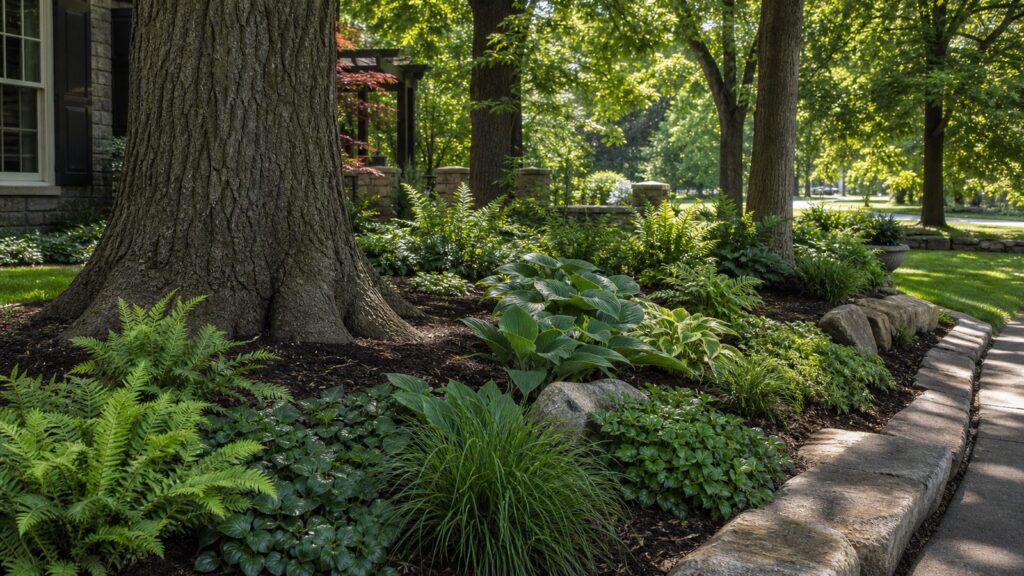
Grass usually fails under mature trees for good reasons: the canopy blocks light, the roots take the first drink, and the soil is often compacted from years of mowing, foot traffic, and runoff. The right shade-loving groundcovers can turn that thin, dusty area into a finished planting bed, but the job has to be approached as root-sensitive construction, not just gardening.
On our job sites, we treat the area under a tree as protected space. We do not trench through major roots, bury the trunk flare, or dump a thick layer of soil over the root zone to make planting easier. A good under-tree groundcover plan uses small plants, shallow holes, organic mulch, temporary irrigation, and region-appropriate species that can handle dry shade. Done well, it looks intentional within the first season and becomes much lower maintenance after two to three growing seasons.
For most homeowners, the best groundcovers under trees are not aggressive vines. Better choices include Native wild ginger, Pennsylvania sedge, barren strawberry, green-and-gold, foamflower, coral bells, ferns, Allegheny pachysandra, partridgeberry, and carefully selected epimedium where non-native but noninvasive plants are acceptable locally. The final choice depends on your region, deer pressure, soil moisture, slope, and how much sun reaches the ground.
Start With the Tree, Not the Plant List
Before buying a single flat of plants, look at the tree and the ground beneath it. Tree understories are hard planting sites because roots, shade, and dry soil all stack against new plants. The mistake we see most often is choosing a groundcover because it looked good in a nursery pot, then trying to force it into a site that cannot support it.
What’s actually slowing this PC down?
Pick the symptom - the matching free tool is one click away.
Walk the area at three times of day: morning, midday, and late afternoon. Count the hours of direct sun. Full shade under a dense maple is not the same as high, filtered shade under an oak. Many plants labeled “shade tolerant” still want two to four hours of soft light, especially if you expect flowering.
#1 Best Overall

- Size: The spade shovel tool size is 30cm/11.8inchx5.5cm/2.2inch. Bright yellow color always easy to spot in garden. The hanging hole design is for convenient storage
- Material: Our spade shovel tool is made of aluminium alloy, durable and sturdy, not easy to break or deform, rust-resistant, The handle can be replaced
- Ergonomic design: Ideal solution for gardeners who have difficulty holding tools with small or narrow handles.
- Widely Used: The garden trowel is ideal for easy digging into tough soil, breaking up hardened dirt clods, planting, transplanting, removing stubborn weeds, mixing soil
- Perfect Gardening gift: This indoor and outdoor garden tool is the perfect for men or women gardeners, they always want to lend a helping hand in the garden
Next, check soil moisture. Push a screwdriver or soil probe into the ground after a dry week. If it stops after 1 or 2 inches, the soil is compacted or root-filled. If the area stays damp for days after rain, you may need drainage work before planting. If the bed sits on a slope, remember that groundcovers will not control erosion immediately. During the first season, mulch, coir logs, jute netting, or an erosion-control blanket may be needed to hold soil during heavy rain.
Also identify practical site pressures: deer browsing, rabbits, slugs, foot traffic, dogs, roof runoff, downspouts, and irrigation overspray. A shaded bed beside a driveway has different requirements than a quiet woodland edge. A plant that works beautifully in a fenced backyard may disappear overnight in a deer-heavy neighborhood.
Protect the Root Flare
The root flare is the widened base of the trunk where the tree transitions into structural roots. It should remain visible. Do not bury it with soil, compost, mulch, or creeping groundcover. We keep a mulch-free collar around the trunk, usually 3 to 6 inches from young trees and 8 to 12 inches or more from mature trunks. This reduces trapped moisture against bark and helps prevent rot, girdling roots, and pest problems.
Do these 3 things before closing this tab:
1Fix the driver behind crashes, sound loss and screen glitches2Repair Windows errors before they cause bigger problems3Scan for outdated or missing drivers - takes under a minuteBest Shade-Loving Groundcovers for Under Trees
The best plant is the one matched to your site and region. Native plants are often the strongest starting point because they support local insects and wildlife, but native does not mean maintenance-free. Some natives want moist woodland soil. Others tolerate dry shade once established. When in doubt, choose a mix instead of a single-species carpet.
| Groundcover | Best Use | Typical Height | Notes |
|---|---|---|---|
| Native wild ginger | Dry to average shade | 4 to 8 inches | Heart-shaped leaves, slow to moderate spread, good woodland look. |
| Pennsylvania sedge | Dry shade, lawn-like texture | 6 to 12 inches | Works well in drifts; can read as a soft, natural lawn substitute. |
| Barren strawberry | Dry shade edges | 3 to 6 inches | Low, tidy, yellow spring flowers, not an edible strawberry. |
| Green-and-gold | Part shade, average soil | 6 to 10 inches | Bright spring flowers; benefits from some moisture. |
| Foamflower | Cool shade, woodland beds | 6 to 12 inches | Good seasonal interest; prefers humus-rich soil. |
| Coral bells | Accent planting in shade | 8 to 18 inches | Useful foliage color; varies by cultivar and climate. |
| Ferns | Moist to average shade | 12 to 36 inches | Excellent texture; select species for moisture level. |
| Allegheny pachysandra | Native alternative to Japanese pachysandra | 6 to 12 inches | Slow, refined spread; good for naturalized shade. |
| Partridgeberry | Acidic woodland shade | 1 to 3 inches | Evergreen in many areas; needs compatible soil conditions. |
| Epimedium | Dry shade where acceptable | 8 to 15 inches | Durable, deer-resistant in many areas; use noninvasive selections. |
For a polished result, combine textures. A bed of only one low groundcover can look flat until it fills in. We often use a primary groundcover across 60% to 70% of the area, then add sedges, ferns, spring ephemerals, and small perennials in loose drifts. That gives the bed structure even before full coverage.
Dry Shade Choices
Dry shade is the most common condition under established trees. Good candidates include Pennsylvania sedge, wild ginger, barren strawberry, Allegheny pachysandra, epimedium, some coral bells, and certain woodland asters or native sedges depending on region. These still need water during establishment. “Drought tolerant” usually means after roots have grown into the site, not the week after planting.
Moist Shade Choices
If the area is naturally moist but not soggy, you have more options: foamflower, many ferns, green-and-gold, sedges, wild ginger, and bunchberry in cooler acidic locations. Be careful near downspouts. Constant roof runoff can create erosion, exposed roots, and winter ice problems. Redirect or diffuse water before planting.
Quick wins for a faster PC:
Fix the driver behind crashes, sound loss and screen glitchesFind Drivers →Repair Windows errors before they cause bigger problemsFix Now →Groundcovers to Avoid as Default Choices
Many common shade groundcovers are still sold because they establish fast. Fast establishment is not always a benefit. In a residential landscape, aggressive plants can jump bed edges, climb trees, invade neighboring properties, or become a long-term removal problem.
Avoid using English ivy, vinca or periwinkle, Japanese pachysandra, ajuga, creeping Jenny, bishop’s goutweed, lily-of-the-valley, creeping liriope, wintercreeper, and chameleon plant as default recommendations. Some are invasive or regulated in certain states and counties. Others are simply too aggressive for a managed bed. Local rules matter, so check your state extension office, municipal invasive-plant list, or HOA landscape standards before ordering plants.
English ivy is the classic example. It covers bare soil quickly, but it can climb trunks, hide bark defects, add weight to limbs, and spread beyond the intended bed. Vinca and wintercreeper create similar management issues in many regions. A cheap flat today can become years of pulling, cutting, and herbicide decisions later.
How to Prepare Soil Without Damaging Tree Roots
Soil preparation under trees should be light and surgical. Do not rototill. Do not scrape away roots. Do not add 6 inches of topsoil to “make a bed.” Most absorbing tree roots live near the surface, and grade changes can stress or decline a mature tree.
Outdated Drivers Are Slowing You Down
One free scan finds every outdated or missing driver and matches the right update for your exact hardware.Free scan · exact hardware matchWindows Errors? Fix Them Before They Spread
Repair common Windows errors and clear accumulated junk for a smoother, more stable PC - no reinstall needed.Free scan · no reinstallRank #2
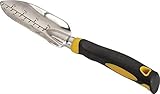
- Bend proof aluminum - If you find a way to somehow bend this transplanter trowel we will replace it
- Most comfortable transplanter on the market - The large soft rubber handle is made with a palm rest for optimal comfort
- Engraved depth guide makes for more consistent planting
- Rust proof aluminum - Leave this in the rain all day and it stays looking new
- Lifetime warranty - Buy with 100% confidence that if any issue arises with your transplanter trowel and we will replace it
Start by removing turf carefully. In thin grass, a sharp flat spade can skim the sod in shallow sections. Around exposed roots, hand-pull or cut grass low and smother it with cardboard only where moisture will not stay trapped against the trunk. Keep cardboard away from the root flare and do not stack heavy layers over major surface roots.
For planting holes, use small plugs or 3.5-inch pots where possible. Younger plants need smaller holes and adapt around existing roots better than large 1-gallon plants. If your trowel hits a root larger than a pencil, shift the hole a few inches. Never cut major roots to fit a plant. That is the difference between gardening and damaging the structure you are trying to improve.
Use compost sparingly. A light topdressing of 1/4 to 1/2 inch can help poor soil, but thick amendment layers change grade and can interfere with oxygen movement. In many under-tree beds, the better long-term soil builder is shredded leaf litter and organic mulch, not heavy imported soil.
Mulch Specs That Work
Mulch is not optional under trees. It moderates soil temperature, reduces evaporation, suppresses weeds, and protects soil from erosion. Use shredded hardwood, arborist chips, pine fines, or leaf mulch depending on the look and local availability. A practical finished depth is 2 to 3 inches after settling. Keep it off the trunk and avoid mulch volcanoes.
If you already have exposed roots, do not bury them deeply. A light mulch layer can protect them from mower damage and temperature swings, but piling soil over them can reduce oxygen and create decay issues. For high-value trees, bring in an ISA Certified Arborist before planting inside the critical root zone, changing grade, or adding irrigation.
Spacing, Layout, and How Many Plants You Need
Spacing controls both budget and maintenance. Tight spacing costs more upfront but closes faster and reduces weeding sooner. Wider spacing costs less in year one but requires more mulch, more patience, and more hand-weeding.
As a working rule, small groundcovers planted 12 inches on center need about 100 plants per 100 square feet. At 18 inches on center, plan on about 45 plants per 100 square feet. At 24 inches on center, you need about 25 plants per 100 square feet. For most under-tree beds, 12 to 18 inches is the sweet spot if the budget allows.
| Bed Size | 12-Inch Spacing | 18-Inch Spacing | 24-Inch Spacing |
|---|---|---|---|
| 50 sq. ft. | About 50 plants | About 23 plants | About 13 plants |
| 100 sq. ft. | About 100 plants | About 45 plants | About 25 plants |
| 250 sq. ft. | About 250 plants | About 113 plants | About 63 plants |
Lay plants in staggered rows, not a square grid. Staggered spacing fills visually faster and looks more natural. Keep taller ferns and perennials toward the back of the bed or in repeated groups around the tree, not as a random scatter. Leave access paths if the bed surrounds a tree that needs pruning, lighting, or seasonal maintenance.
Watering and Establishment Timeline
Most shade groundcover failures happen in the first summer. The plants are small, the tree roots are established, and rainfall rarely lands evenly under a dense canopy. Even drought-tolerant plants need establishment water.
For the first two to four weeks, check soil moisture every few days. Water when the top 1 to 2 inches begin to dry, using a slow soak rather than a quick spray. After that, shift toward deep, less frequent watering. Daily shallow watering encourages shallow roots and can increase leaf disease, especially in still, shady air.
Drip tubing or soaker hose is usually better than overhead spray under trees. It loses less water to evaporation and puts moisture where roots can use it. EPA WaterSense guidance points to large outdoor water demand in American homes: single-family homes use about 30% of water outdoors on average, and that can rise to about 70% in hotter, drier areas. Water-smart landscapes can reduce outdoor water use by 20% to 50% through plant selection, mulch, design, and efficient irrigation.
Rank #3

- Thickened Aluminum Alloy Material: Our gardening shovel is made of high-quality aluminum alloy material, allowing the garden trowel to dig deeply into the soil and cut through hard turf easily. The 0.08 inch thickness makes our spade shovel more sturdy and long lasting, ensures durability and stability during use, and makes the trowel not easy to break and long lasting
- Ergonomic Design: The trowel garden tool is designed with an ergonomic rubber-grip handle that reduces hand and wrist fatigue while digging. The high-quality non-slip TPR material of the handle makes the trowel garden tool easy to hold and comfortable to use. Saving your labor, time and energy
- Easy to Store: The small hand trowel is lightweight and compact, makes it easy to store on your garden bag and carry out for gardening. The hanging hole in the handle is designed to accommodate a rope. You can hang the hand shovel for gardening on everywhere you want when you need to do gardening works in your own garden or other places
- Easy to clean: Our hand trowel has a smooth surface, with a polished aluminum knife head that is rustproof and long lasting. The small garden shovel is also easy to clean after use, ensuring its smooth appearance and remaining rust resistant for an extended period of time
- Multi-function: This small shovel is suitable for a wide range of horticultural tasks, including digging, weeding, loosening soil, aerating, transplanting, etc. The great gardening tools for women, small shovels for gardening, digging shovel, small plant tools
Expect a realistic timeline. In year one, the bed should root in and survive heat. In year two, plants begin spreading and the design starts to read as intentional. By year three, many properly spaced beds are mostly closed, with less weeding and lower water needs.
What Shade Groundcover Installation Costs in 2026
A professionally installed shade-groundcover bed usually costs about $6 to $18 per square foot in 2026 when it includes careful turf removal, hand excavation around roots, compost or topdressing, plants, mulch, edging, and first-year establishment care. Small jobs often price higher per square foot because mobilization, sourcing, and labor minimums do not shrink neatly with square footage.
That range lines up with broader landscaping benchmarks. Basic to moderate professional landscaping commonly runs about $4.50 to $12 per square foot, while flower or garden bed installation often falls around $4.50 to $13.50 per square foot. A shade bed under a mature tree can cost more because crews must work by hand and protect roots.
| Cost Item | Typical 2026 Range | What Changes the Price |
|---|---|---|
| Installed shade-groundcover bed | $6 to $18 per sq. ft. | Root density, access, slope, plant size, irrigation, edging, and cleanup. |
| Basic/moderate landscaping | $4.50 to $12 per sq. ft. | Regional labor, project scope, materials, and site preparation. |
| Garden bed installation | $4.50 to $13.50 per sq. ft. | Layout, bed prep, planting, mulch, and disposal. |
| Landscape design | Average about $4,200; typical $2,200 to $6,180 | Small planting plan vs. full-yard design with drainage and irrigation. |
| Bulk small groundcover pots | About $4.50 to $6 each | Species, quantity, nursery, and region. |
| Native specialty perennials | About $10 to $13 each | Availability, plug size, and specialty sourcing. |
| 1-gallon retail plants | $15 to $30+ each | Plant maturity, cultivar, and nursery pricing. |
| Installed mulch | About $77 to $94 per cubic yard | Material, delivery, labor, access, and depth. |
For example, a 150-square-foot bed under a front-yard maple might need 68 plants at 18-inch spacing or 150 plants at 12-inch spacing. If small plants cost $5 each, plant material alone could range from about $340 to $750 before mulch, edging, labor, irrigation, or soil work. At a full installed rate of $6 to $18 per square foot, that same bed may land around $900 to $2,700.
Mulch should be included in the budget. National cost data commonly puts professional mulch installation around $77 to $94 per cubic yard, or about $0.71 to $1.38 per square foot. Material alone may run about $35 to $170 per cubic yard, with delivery often $50 to $100 and labor about $20 to $60 per cubic yard. A 150-square-foot bed mulched 3 inches deep needs roughly 1.4 cubic yards before waste and settling.
When to DIY and When to Hire a Pro
This is a reasonable DIY project if the bed is small, the tree is healthy, the grade is stable, and you are comfortable working slowly by hand. A homeowner can plant a 50- to 150-square-foot area over a weekend with plugs, mulch, a hose, and patience.
Hire a professional landscaper when the bed is large, highly visible, sloped, compacted, or tied into drainage, lighting, edging, or irrigation. Hire an arborist first if the tree is old, valuable, stressed, recently damaged, or has large exposed roots throughout the planting area. Construction judgment matters here because one careless afternoon with a shovel can create long-term tree problems.
You should also bring in a pro if water moves through the area during storms. Plants alone will not correct bad grading. If runoff from a roof, driveway, or neighboring slope is cutting channels under the tree, solve the water problem first with grading, downspout extensions, drainage, erosion-control fabric, coir logs, or a designed swale where appropriate.
Independent reader supportYour contribution helps us test, update, and keep practical guides available for everyone.Permits, HOA Rules, and Neighborhood Standards
Most simple groundcover beds do not require a permit, but there are exceptions. If you change grade, alter drainage, disturb a protected tree, work near a right-of-way, or install irrigation, local rules may apply. Some municipalities require grading or landscape permits for slope work, drainage changes, or water-efficient landscape compliance. In drought-prone states and counties, water-efficient landscape ordinances may affect plant selection, irrigation design, and documentation.
The Tool Desk
Outbyte PC Repair FREERepair Windows errors before they cause bigger problemsFix Now →Outbyte Driver Updater FREEScan for outdated or missing drivers - takes under a minuteDriver Scan →HOA approval is a separate issue. A groundcover bed can be mistaken for weeds if it is young, sparse, or planted with naturalistic species the review board does not recognize. Submit a simple plan before work starts: bed outline, plant list, mature heights, spacing, edging detail, mulch type, maintenance schedule, and a few reference photos showing the intended finished look. That small package prevents many disputes.
Also check invasive-plant restrictions. A plant sold at retail is not automatically allowed or advisable in every city, county, or state. If the project borders woods, wetlands, parks, or a neighbor’s property, be more conservative.
Rank #4

- Size - The garden hand shovel features a compact size of 13.58" x 1.26" (34.5 cm x 3.2 cm). The net weight of a single one is about 0.39 lbs. Just the right size and weight, lightweight and practical.
- Material - Our root trowel is made of stainless steel, rustproof and corrosion-resistant; this gardening hand trowel will not deform, bend or break during use, ensuring long-lasting durability to meet all your gardening needs.
- Feature - Long and narrow V-shaped blade easily cuts deep into the soil, making it suitable for transplanting in tight spaces. Not only that, we also use an ergonomic design on the handle with a wooden grip. This design reduces hand and wrist stress, provides better leverage in the soil, and makes long-term use more comfortable. A lanyard is also provided at the end to create more possibilities for your storage and carrying.
- Application - Our widger hand tool not only removes deep-rooted weeds, but is also great for transplanting, digging, planting, measuring, shoveling, and loosening soil. Whether you are growing plants indoors or creating an outdoor garden, our garden spade can meet your needs. Bring the joy of gardening indoors or beautify your outdoor landscape.
- Note - Clean the shovel after each use and store it in a dry place to preserve its quality and prevent rust.
Maintenance After Planting
For the first year, maintenance is mostly watering, weeding, and keeping mulch at the right depth. Pull weeds when they are small so you do not disturb new groundcover roots. Top up mulch lightly as it settles, but do not bury plant crowns.
Leave fallen leaves where they look acceptable, especially under woodland-style plantings. Shredded leaves make excellent natural mulch, feed soil organisms, and protect overwintering beneficial insects. If whole leaves mat heavily, run them through a mower or shredder and return them to the bed in a thinner layer.
Free tools Windows power users keep installed
One-click scans. No signup required.
In deer-heavy areas, expect to protect new plants during establishment. Even deer-resistant plants can be sampled when tender and newly installed. Slugs can also be a problem in cool, damp shade, especially around hostas, foamflower, and young plugs. Better air movement, careful watering, and avoiding excessive wet mulch against plant crowns can reduce pressure.
The Bottom Line
Shade-loving groundcovers are one of the best fixes for patchy grass under trees, but the winning approach is careful and site-specific. Protect the root flare, avoid cutting major roots, use small plants, mulch properly, water through establishment, and choose species that match your region instead of copying a generic plant list.
For a typical 100- to 250-square-foot under-tree bed, plan on 25 to 250 plants depending on spacing, 2 to 3 inches of organic mulch, and a two- to three-year timeline for full coverage. DIY can work for simple beds. For valuable trees, slopes, drainage problems, or front-yard HOA projects, professional planning is usually worth the cost.
Frequently Asked Questions
What is the best groundcover to plant under trees?
The best choice depends on your region, shade level, soil moisture, and deer pressure. Reliable options often include native wild ginger, Pennsylvania sedge, barren strawberry, foamflower, ferns, Allegheny pachysandra, partridgeberry, and green-and-gold.
Can you plant groundcover over exposed tree roots?
Yes, but do not bury exposed roots under thick soil. Use small plugs, shift planting holes when you hit roots, and apply only a light 2- to 3-inch organic mulch layer while keeping mulch away from the trunk.
How far apart should shade groundcover plants be spaced?
Small groundcovers are commonly spaced 12 to 18 inches apart for faster coverage. At 12-inch spacing, expect about 100 plants per 100 square feet; at 18-inch spacing, about 45 plants; at 24-inch spacing, about 25 plants.
Which shade groundcovers should I avoid?
Avoid using English ivy, vinca, Japanese pachysandra, ajuga, creeping Jenny, bishop’s goutweed, lily-of-the-valley, creeping liriope, wintercreeper, and chameleon plant as default choices. Many are aggressive or invasive in parts of the US.
How much does it cost to install shade-loving groundcovers in 2026?
A professionally installed shade-groundcover bed typically costs about $6 to $18 per square foot in 2026, including careful preparation, plants, mulch, edging, and establishment care. Design, irrigation, drainage, slopes, and specialty native plants can increase the price.
Do I need HOA approval to replace grass with groundcover?
Often, yes. Many HOAs require approval for front-yard landscape changes. Submit a simple plan with the bed shape, plant list, mature heights, edging, mulch, maintenance schedule, and photos of the intended finished appearance.
Quick Recap
Product prices and availability are accurate as of the date/time indicated and are subject to change. Any price and availability information displayed on Amazon at the time of purchase will apply.