What’s actually slowing this PC down?
Pick the symptom - the matching free tool is one click away.
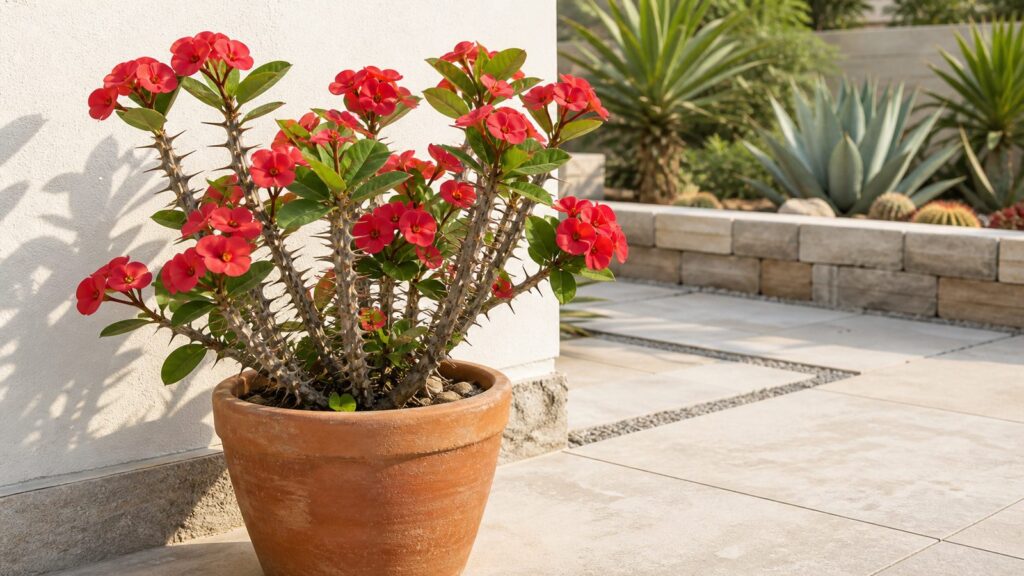
Crown of thorns, botanically known as Euphorbia milii, is one of the better flowering succulents for homeowners who want color without constant watering. The short version of crown of thorns plant care is this: keep it dry, bright, and drained. Give it strong light, let the root zone dry down between waterings, and use a pot or planting bed that sheds water quickly.
That simple framework solves most problems with this plant. Crown of thorns is not a soft, humidity-loving tropical houseplant. It is a thorny, low-water euphorbia with milky latex sap, thick stems, and small flowers surrounded by colorful bracts. In the United States, most people grow it as a houseplant or patio container plant. In frost-free areas, especially USDA Zones 9 to 11, it can also work outdoors in containers, raised beds, courtyards, and low-water landscape designs.
On our job sites, we treat crown of thorns like a small architectural plant, not a filler. It belongs where drainage is controlled, sun is reliable, and people will not brush against it. That can mean a terracotta pot near a sunny entry, a grouped container layout on a patio, or a raised planter in a warm-climate courtyard. It does not belong along narrow walkways, next to a child play area, or in a pet traffic route.
What Crown of Thorns Needs to Thrive
Crown of thorns is a durable plant when the site matches the plant. Most failures come from forcing it into shade, wet soil, or cold conditions. A healthy plant usually has firm thorny stems, green leaves concentrated near active growth, and repeated flushes of small red, pink, yellow, white, or salmon-colored bracts depending on the variety.
The best care conditions are straightforward:
- Light: Full sun outdoors or very bright direct light indoors. A south- or west-facing window is usually best.
- Water: Water thoroughly, then let the soil dry substantially before watering again.
- Soil: Use a fast-draining cactus or succulent mix in a pot with drainage holes.
- Temperature: Keep indoor plants warm for best flowering. Avoid cold, wet soil and protect plants before temperatures approach the mid-30s F.
- Placement: Keep it away from pets, children, guests, and tight circulation paths because of thorns and irritating sap.
For reliable indoor blooming, warmth and light matter more than fertilizer. If a crown of thorns is green but not flowering, the first thing to check is sunlight. Moving the plant within 2 to 3 feet of a bright window or adding a grow light often does more than increasing feeding.
Light: The Difference Between Surviving and Blooming
Crown of thorns can survive in less-than-perfect light, but it blooms best in strong light. Indoors, aim for 4 to 6 hours of direct sun if possible. A south-facing window is usually the strongest option, followed by west-facing glass. East-facing windows can work if the room is bright and the plant is close to the glass. North-facing windows are usually too dim for consistent flowering.
#1 Best Overall

- HOUSE PLANT & OUTDOOR PLANT: Grow crown of thorns as an indoor plant or with live outdoor plants and flowers. This houseplant is a lovely desk plant, among the easiest plants for inside the house. Euphorbia are full sun perennial plants, thriving as patio plants for outside.
- EASY TO GROW HOUSE PLANTS DECOR: Invigorate your home with live indoor house plants. Display euphorbia as bathroom plants, office plants, or as plant decor for bedroom windows with potted house plants and live indoor plants.
- LIVE SUCCULENTS & CACTUS PLANT ENTHUSIASTS: Euphorbias are unique plants that easily complement a unique succulent or unique cactus collection. They are moderately rare plants often found in boutique plant stores, making this live plant one of the best plant lover gifts for plant lovers.
- DECORATIVE PLANTS FOR A UNIQUE YARD: Grow this flowering plant with live succulent plants, cacti, and drought tolerant plants. Choose its vibrant pink flowers to plant outside instead of the typical rose plant.
- ABOUT PLANTS FOR PETS: Plants and animals make everything better, from simply raising our spirits to enriching our everyday lives. That’s why a portion of every purchase is directed to our mission to help place shelter animals in happy homes.
Outdoors, crown of thorns handles full sun well once acclimated. Do not move a plant straight from an indoor shelf into harsh afternoon sun and expect it to look good. The foliage can sunburn. A better transition is 7 to 14 days of gradual exposure: bright shade first, then morning sun, then longer direct sun.
Indoor Light Setup
Place the pot where the plant actually receives sun, not merely where the room feels bright. A practical indoor setup is a 6-inch to 8-inch pot on a saucer near a south or west window, with the saucer emptied after watering. If the window is more than 3 feet away, flowering will usually drop off.
Do these 3 things before closing this tab:
1Clear out junk files and repair common Windows errors2Scan for outdated or missing drivers - takes under a minute3Repair Windows errors before they cause bigger problemsIf the home does not have a sunny window, use a full-spectrum LED grow light for 10 to 12 hours per day. Keep the light close enough to help the plant, commonly 8 to 16 inches above the canopy depending on the fixture, but watch for heat or leaf bleaching.
Outdoor Patio Light
For patios and courtyards, give crown of thorns at least 6 hours of sun for the best bloom. In very hot climates, light afternoon shade can reduce heat stress, especially in dark containers on masonry patios. Pavers, concrete, stucco walls, and stone borders reflect heat, so check container moisture more often during summer heat waves.
Watering Crown of Thorns Without Causing Root Rot
Crown of thorns plant watering should follow the soil, not the calendar. Water deeply enough that water exits the drainage hole, then let the mix dry substantially. In a typical indoor 6-inch pot, that may mean watering every 10 to 21 days depending on light, pot material, indoor temperature, and season. Outdoors in summer sun, a container may need water every 4 to 10 days. In winter, the interval may stretch to 3 or 4 weeks indoors.
The danger is not one thorough watering. The danger is wet soil that stays wet. Dense potting mix, oversized pots, plugged drainage holes, and decorative cachepots are common causes of root rot. A crown of thorns should never sit in standing water.
Use these checks before watering:
- Push a finger 1 to 2 inches into the mix. If it still feels damp, wait.
- Lift the pot. A dry succulent pot feels noticeably lighter than a wet one.
- Look at the saucer 15 minutes after watering and empty it.
- Check that water actually drains through the bottom, not just pools on top.
Extended drought can cause leaf drop, but soggy soil is the bigger failure risk. If leaves yellow and drop while the soil is wet, stop watering and inspect drainage. If leaves drop after weeks of dry soil, the plant likely needs a thorough soak and a more consistent dry-down schedule.
Soil, Pots, and Drainage Details That Matter
A crown of thorns plant needs a container and soil system that behaves like a small drainage assembly. The pot must have at least one open drainage hole. The soil should be coarse enough that water moves through it quickly. The saucer should protect the floor or patio without trapping water against the root zone.
For most homeowners, a commercial cactus and succulent mix is the easiest starting point. If the mix feels peat-heavy or stays wet longer than 5 to 7 days indoors, amend it with perlite, pumice, or coarse sand. A practical blend is 2 parts cactus mix to 1 part perlite or pumice.
Best Pot Size
Do not overpot crown of thorns. A small plant in a large container sits in excess wet soil. For a starter plant in a 2-inch to 4-inch nursery pot, move up to a 4-inch or 5-inch pot. For a common 6-inch nursery plant, use a 6-inch to 8-inch finished container. Only size up by about 1 to 2 inches in diameter when repotting.
Terracotta is useful because it dries faster than glazed ceramic or plastic. Resin and glazed pots can still work, but they need a sharper soil mix and more discipline with watering. For outdoor patios, use pot feet to lift containers off concrete or pavers so the drainage hole stays open after rain.
In-Ground Planting
In warm-climate landscapes, in-ground crown of thorns should be planted only where drainage is sharp. Heavy clay, compacted fill, and low spots near downspouts are poor choices. If the soil holds water, use a raised planting zone or container instead of forcing the plant into grade.
Rank #2
- HOUSE PLANT & OUTDOOR PLANT: Grow crown of thorns as an indoor plant or with live outdoor plants and flowers. This houseplant is a lovely desk plant, among the easiest plants for inside the house. Euphorbia are full sun perennial plants, thriving as patio plants for outside.
- EASY TO GROW HOUSE PLANTS DECOR: Invigorate your home with live indoor house plants. Display euphorbia as bathroom plants, office plants, or as plant decor for bedroom windows with potted house plants and live indoor plants.
- LIVE SUCCULENTS & CACTUS PLANT ENTHUSIASTS: Euphorbias are unique plants that easily complement a unique succulent or unique cactus collection. They are moderately rare plants often found in boutique plant stores, making this live plant one of the best plant lover gifts for plant lovers.
- DECORATIVE PLANTS FOR A UNIQUE YARD: Grow this flowering plant with live succulent plants, cacti, and drought tolerant plants. Choose its vibrant pink flowers to plant outside instead of the typical rose plant.
- ABOUT PLANTS FOR PETS: Plants and animals make everything better, from simply raising our spirits to enriching our everyday lives. That’s why a portion of every purchase is directed to our mission to help place shelter animals in happy homes.
For raised beds, we prefer an elevated planting area at least 6 to 8 inches above surrounding grade, with a gritty, fast-draining mix. Near patios, do not let irrigation overspray hit the plant every day. Drip irrigation or hand watering is cleaner and more controlled than overhead spray.
2026 Cost Guide for Crown of Thorns Plants and Setups
Crown of thorns is not usually expensive, but the total project cost depends on the container, soil, drainage supplies, and whether the plant is a common form or a specialty hybrid. In 2026, a typical DIY first setup for one plant is about $35 to $85. Larger patio containers, rare hybrids, and masonry planter work can push the project above $100 quickly.
Windows Errors? Fix Them Before They Spread
Repair common Windows errors and clear accumulated junk for a smoother, more stable PC - no reinstall needed.Free scan · no reinstallOutdated Drivers Are Slowing You Down
One free scan finds every outdated or missing driver and matches the right update for your exact hardware.Free scan · exact hardware match| Item | Typical 2026 US Cost | Notes |
|---|---|---|
| Small rooted starter plant | $18-$25 | Common online range for 2-inch to 6-inch starter plants. |
| 6-inch potted plant | $21-$25 | Common size for a windowsill, desk, or small patio pot. |
| Big-box 2-pack, 2.5 qt./6.33 inch plants | About $40.79 total | Roughly $20.40 per plant where available; local pricing varies. |
| Cuttings | $10-$18 | Price depends on variety, rooting status, shipping, and seller reputation. |
| Cactus or succulent mix | Budget 8 qt. bags to premium 12 qt. mixes around $34.99 | Choose fast-draining media; amend with perlite or pumice if needed. |
| Small-to-medium pot with drainage | $8-$35 | Terracotta dries faster; glazed ceramic and resin retain more moisture. |
| gloves, saucer, pot feet, perlite, basic snips | $5-$25 | Worth budgeting because sap and thorns make handling less forgiving. |
| Typical DIY first setup | $35-$85 | One plant, pot, soil, gloves, and simple drainage accessories. |
Professional landscape installation is different. The plant cost may be minor compared with labor, planter construction, irrigation changes, drainage correction, lighting, and site access. A small container grouping is usually a modest project. A built-in masonry planter with drainage layers, waterproofing considerations, drip irrigation, and landscape lighting belongs in broader landscape-construction pricing.
Fertilizer and Blooming: Use a Light Hand
Crown of thorns does not need heavy feeding. During active growth, use a balanced houseplant fertilizer lightly, often at half strength, about once a month. Skip fertilizer during slow winter growth unless the plant is warm, brightly lit, and actively producing new growth.
Overfertilizing can push leafy growth while reducing flowers. If the plant is not blooming, check light, temperature, and soil moisture first. A crown of thorns in a dim room with wet roots will not become a strong bloomer because of more fertilizer.
For better flowering indoors, keep temperatures comfortable and steady. Many plants flower more reliably when kept above about 60 degrees F, with bright direct light and restrained watering. Avoid placing the pot near a cold draft, exterior door, unheated sunroom, or HVAC register.
Free tools Windows power users keep installed
One-click scans. No signup required.
Outdoor Use in Patios, Entries, and Low-Water Landscapes
Crown of thorns can be a strong patio plant because it brings color, structure, and drought tolerance in a compact form. It works especially well in sunny containers near stucco, stone, concrete, brick, or other hardscape materials where a softer foliage plant would need more water.
Placement is the key. The plant has real thorns. Do not install it where people will brush it while carrying groceries, rolling trash bins, pushing strollers, or moving patio furniture. We generally keep thorny plants at least 24 to 36 inches back from primary walk paths, depending on mature size and traffic. Around commercial entries, multifamily properties, rentals, and HOA-managed spaces, be even more conservative because guest contact and liability matter.
Good Placement Options
- Sunny patio containers away from seating edges.
- Raised courtyard planters with controlled drainage.
- Warm-climate entry planters set outside the main walking line.
- Low-water accent plantings where irrigation is limited.
- Movable containers in marginal climates that need winter protection.
Poor Placement Options
- Narrow side yards or walkways.
- Children’s play areas.
- Pet runs or dog doors.
- Low planters next to seating where legs or hands may contact stems.
- Wet beds near downspouts, low-grade drainage, or daily turf irrigation.
After heavy rain or overhead watering, check thorny stems for trapped leaves, spent flowers, and debris. Removing wet debris reduces rot and leaf spot pressure. Use gloves and tongs or folded cardboard so you are not grabbing thorny stems by hand.
Rank #3

- [CURATED SELECTION] – Hand-selected live decorative houseplants sourced from professional local growers.
- [PREPARED FOR SHIPMENT] – Each plant is prepared for shipment using standard horticultural handling practices and shipped in a nursery container.
- [GIFT-READY APPEAL] – A visually striking live plant suitable for display or gifting, with natural variation that makes each one unique.
- [INDOOR DISPLAY PLANT] – Commonly grown as a decorative plant for indoor spaces with bright, indirect light. Care guidance may be provided.
- [NATURAL DECOR] – Adds texture, color, and organic visual interest to shelves, desks, and living spaces.
Winter Protection and USDA Zone Limits
In most of the United States, crown of thorns should be treated as a houseplant or seasonal patio container. Outdoors year-round, it is mainly a frost-free plant for warm zones. It dislikes cold, wet soil, and temperatures near or below 35 degrees F are risky.
Recommended Free Tools
In marginal climates, containers are the practical answer. A movable pot lets you enjoy the plant outside during warm months and bring it into protection before a cold front. Do not wait for a freeze warning if the pot is already wet. Cold plus wet roots is one of the fastest ways to lose the plant.
Before bringing a patio plant indoors, inspect for pests, remove dead leaves, and check the drain hole. Place it in the brightest indoor location available. Expect some leaf drop after the move. That is common when light levels change, but the plant should stabilize if the root zone stays dry and warm.
Safety: Thorns, Sap, Pets, and Children
Crown of thorns needs a frank safety discussion. The plant has sharp thorns and milky euphorbia sap that can irritate skin and eyes. It is also listed as toxic to pets. Ingestion can cause oral irritation, drooling, vomiting, diarrhea, and gastrointestinal upset. Children should not handle it, and pets should not have access to chew leaves, flowers, or stems.
Use gloves, long sleeves, and eye protection when pruning or propagating. If sap gets on your skin, wash it off with soap and water. If sap gets in the eyes, rinse thoroughly and seek medical guidance. Keep pruners clean, and avoid touching your face while working with the plant.
From a contractor’s standpoint, this affects placement. A plant can be biologically easy and still be a poor design choice for a specific site. In a quiet adult patio, crown of thorns may be appropriate. In a rental courtyard with children, dogs, and narrow walkways, choose a safer plant.
Pruning and General Maintenance
Crown of thorns grows slowly to moderately in containers. Pruning is mostly about shape, safety, and removing damaged growth. Use clean bypass pruners or snips. Wear gloves and eye protection because cuts release sap.
Prune lightly during active growth. Remove dead or damaged stems, shorten leggy stems, and thin crowded areas if airflow is poor. Do not shear it like a hedge. Make selective cuts where they improve the plant’s structure.
When pruning, keep paper towels or disposable rags nearby to catch sap. Let cuts dry. If disease is suspected, disinfect tools between cuts. Avoid pruning right before cold weather or while the plant is sitting in wet soil.
The Tool Desk
Outbyte Driver Updater FREEScan for outdated or missing drivers - takes under a minuteDriver Scan →Outbyte PC Repair FREERepair Windows errors before they cause bigger problemsFix Now →How to Propagate Crown of Thorns from Cuttings
Crown of thorns is commonly propagated from stem cuttings. The process is simple, but the drying step matters. A fresh euphorbia cutting placed directly into wet soil is more likely to rot.
Rank #4

- Live Crown of Thorns Plant – Striking succulent shrub with thick, spiny stems and vibrant red or pink flowers.
- Perfect for Indoor or Outdoor Use – Thrives in full sun outdoors or bright indoor light, making it great for sunny windows, patios, or xeriscape gardens
- Drought-Tolerant & Low Maintenance – Requires minimal watering and performs well in well-draining soil with occasional attention
- Bold, Textured Appearance – Adds sculptural interest and continuous color to succulent collections, desert landscapes, or decorative containers
- Great for Gifting & Unique Décor – A conversation-starting plant ideal for plant lovers seeking something resilient, flowering, and full of character
Use this method:
- Put on gloves, long sleeves, and eye protection.
- Cut a healthy stem section, commonly 3 to 6 inches long.
- Let the milky sap drain and dry. Keep it away from skin, eyes, pets, and children.
- Allow the cutting to callus in a dry, shaded place for a few days.
- Place the callused cutting in a small pot of well-drained succulent mix.
- Keep the medium barely moist, not wet.
- Hold it warm and bright, out of harsh direct sun until rooted.
Rooting may take roughly 5 to 8 weeks in warm conditions. Tugging on the cutting too often can damage new roots, so watch for new growth instead. Once rooted, shift gradually into stronger light.
Common Problems and What They Usually Mean
Yellow Leaves
Yellow leaves often point to overwatering, poor drainage, or a sudden environmental change. Check soil moisture first. If the mix is wet several days after watering, improve drainage and reduce watering frequency.
Leaf Drop
Leaf drop can happen from drought, cold, low light, or relocation stress. If stems are firm, the plant can recover. If stems are soft or blackened, root or stem rot may be involved.
Quick wins for a faster PC:
Clear out junk files and repair common Windows errorsFree Scan →Scan for outdated or missing drivers - takes under a minuteDriver Scan →No Flowers
The most common reason is insufficient light. Move the plant to stronger direct light or add a grow light. Also check that the plant is not overwatered or overfertilized.
Soft Stems
Soft stems are a warning sign. They often indicate rot from wet soil, cold damage, or both. Remove affected sections with clean tools if the damage is limited, and correct the soil and watering problem immediately.
Pests
Indoor crown of thorns may occasionally get mealybugs, scale, or spider mites. Inspect stem joints, leaf undersides, and new growth. Isolate affected plants and treat early. Dense, dusty, low-light locations make pest problems harder to control.
When to DIY vs. When to Hire a Pro
Most crown of thorns care is DIY-friendly. Repotting a single houseplant, setting up a sunny patio container, or propagating a few cuttings is well within reach for a careful homeowner. Budget about $35 to $85 for a basic first setup with one plant, a proper pot, succulent mix, gloves, and simple accessories.
Hire a pro when the plant is part of a larger exterior project. Drainage correction, masonry planters, irrigation changes, courtyard redesigns, commercial entry plantings, and HOA-facing installations all need more planning than a single potted plant. The expensive part is not the euphorbia. It is the hardscape, water management, labor, and long-term maintenance access.
Best Value

- Produces vibrant, small flowers in a variety of colors
- Thrives both indoors and outdoors
- Bloom year-round in the right conditions
- Grows 18–24 inches tall
- Prefers full sun but can tolerate partial shade
A professional is also useful when site safety is part of the decision. On shared properties, we look at pedestrian flow, lighting, trip hazards, thorn contact, irrigation overspray, and maintenance access together. A plant that works in a private sunny corner may be wrong beside a narrow public entry.
Simple Care Schedule
Use this schedule as a starting point, then adjust for your home or site.
- Weekly: Check soil moisture, inspect for pests, and remove trapped debris from thorny stems.
- Every 10-21 days indoors: Water only if the mix has dried substantially.
- Every 4-10 days outdoors in hot sun: Check containers more often, especially on masonry patios.
- Monthly during active growth: Fertilize lightly at half strength if the plant is growing and well lit.
- Every 1-2 years: Repot only if needed, moving up 1 to 2 inches in pot diameter.
- Before cold weather: Move containers indoors or protect them before temperatures approach the mid-30s F.
The best crown of thorns plant care is not complicated. Give the plant strong light, fast drainage, restrained water, and a smart location. Treat the thorns and sap seriously. In the right setting, Euphorbia milii is a long-lasting, low-water plant that can bring steady color to a bright room, sunny patio, or warm-climate landscape.
Frequently Asked Questions
How often should you water a crown of thorns plant?
Water when the soil has dried substantially. Indoors, that is often every 10 to 21 days in a 6-inch pot. Outdoors in hot sun, containers may need water every 4 to 10 days. Always empty the saucer and avoid standing water.
Can crown of thorns grow outdoors in the US?
Yes, but year-round outdoor growing is mainly for frost-free USDA Zones 9 to 11. In colder regions, grow it as a houseplant or movable patio container and bring it inside before cold weather.
Is crown of thorns toxic to dogs, cats, or children?
Yes. Crown of thorns has irritating milky sap and is toxic to pets if chewed or eaten. It also has sharp thorns. Keep it away from children, dogs, cats, and high-traffic areas.
Why is my crown of thorns not blooming?
Low light is the most common reason. Move the plant to a south- or west-facing window, provide 4 to 6 hours of direct sun, or use a grow light. Also avoid overwatering and heavy fertilizer.
What soil does Euphorbia milii need?
Use a fast-draining cactus or succulent mix in a pot with drainage holes. If the mix stays wet too long, amend it with perlite, pumice, or coarse sand.
How do you propagate crown of thorns?
Take a 3- to 6-inch stem cutting with gloves and eye protection, let the cut end dry and callus, then place it in well-drained succulent mix. Keep it warm, bright, and barely moist. Rooting often takes about 5 to 8 weeks.
Quick Recap
Product prices and availability are accurate as of the date/time indicated and are subject to change. Any price and availability information displayed on Amazon at the time of purchase will apply.