Free tools Windows power users keep installed
One-click scans. No signup required.
Buttercups may look like harmless yellow flowers, but fresh buttercup plants can be poisonous to people, dogs, cats, horses, cattle, and other grazing animals. The practical homeowner answer is this: if buttercups are growing where children play, pets roam, or livestock graze, treat them as a safety issue first and a lawn-health issue second.
The toxin concern comes from fresh damaged plant tissue. When buttercup leaves, stems, or flowers are crushed, chewed, cut, or pulled apart, the plant can release protoanemonin, an irritating compound associated with burning mouth, drooling, stomach upset, vomiting, diarrhea, skin redness, and blistering. Animals usually avoid buttercups because they taste bitter, but risk goes up when forage is short, a dog is nosing through a patch, or a child handles the flowers and then touches their mouth.
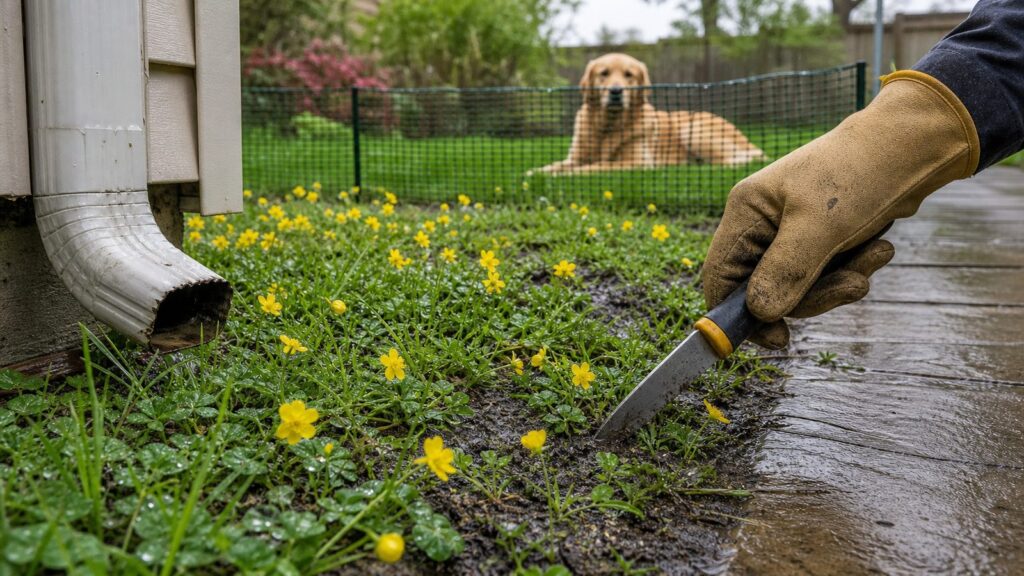
On our job sites, buttercups usually tell us something useful about the property. They show up in wet lawn edges, compacted side yards, low spots near downspouts, thin turf, disturbed soil, and pasture areas that have been grazed too hard. Spraying the flowers without fixing those conditions is like patching a ceiling stain without stopping the roof leak. You may get temporary control, but the site is still inviting the same problem back.
What Buttercups Are and Why They Matter
Buttercups are plants in the Ranunculus group. Homeowners may see different types depending on region and site conditions, including creeping buttercup, tall buttercup, bulbous buttercup, and fig buttercup. The plants vary, but the homeowner concern is similar: fresh buttercup tissue can irritate skin and mouth tissue and can be toxic when eaten.
Do these 3 things before closing this tab:
1Clear out junk files and repair common Windows errors2Fix the driver behind crashes, sound loss and screen glitches3Repair Windows errors before they cause bigger problems#1 Best Overall
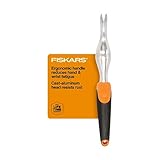
- GARDENING ESSENTIAL: Garden weeder ideal for a variety of gardening tasks like removing invasive weeds, maintaining your herb garden, uprooting dandelions and thistles, and more to encourage overall plant health and appearance
- MAXIMUM POWER AND PRECISION: Cast-aluminum angled head boosts leverage for uprooting in tough soil; Ergonomic handle with SoftGrip allows for more control of scratch tool and reduces fatigue
- LONG-LASTING AND RELIABLE: Aluminum head is rust-resistant and stays sharp through heavy use, providing excellent durability for lasting value; Fiskars hand trowels and garden tools are built to last
- QUALITY GARDEN TOOLS: Designed to help you cultivate a better garden, Fiskars garden and yard tools are equipped with smart technologies and award-winning, ergonomic features that make it easier and more enjoyable to transform your outdoor space
- INCLUDES: 1 Fiskars Ergo Weeder with hang hole; Full lifetime warranty
Creeping buttercup is especially troublesome in residential landscapes because it spreads by seed and by stolons, which are above-ground runners that root at the nodes. A single patch can expand quickly in damp soil. In aggressive conditions, creeping buttercup can cover dozens of square feet in one growing season, especially when turf is thin and the soil stays wet.
Buttercups are not a plant to casually tolerate in high-use spaces. A yellow patch along a back fence may look ornamental in April, but that same patch can be a problem if it borders a dog run, a children’s play area, a horse paddock, or a drainage swale that carries seeds and plant fragments across the yard.
Are Buttercups Poisonous to Humans, Pets, and Livestock?
Yes. Buttercups are considered poisonous plants, with the highest practical concern coming from fresh plant material. When the plant is crushed or chewed, ranunculin in the tissue can convert to protoanemonin. That compound is irritating enough to cause skin and digestive symptoms.
Human exposure
For people, the most likely exposures are skin contact while pulling weeds and hand-to-mouth contact after children pick flowers. Symptoms can include burning or redness on the skin, blistering from sap contact, mouth irritation, abdominal pain, vomiting, and excessive salivation. A child does not need to eat a full plant for a parent to take the situation seriously. If there is mouth burning, vomiting, blistering, or uncertainty about what was eaten, call Poison Control at 1-800-222-1222 or a medical professional.
Dogs, cats, and horses
Dogs and cats may chew plants out of curiosity, boredom, or simple access. Signs reported with buttercup exposure can include vomiting, diarrhea, drooling, depression, poor appetite, mouth ulcers, and an unsteady gait. Horses are also listed as susceptible. If a pet or horse eats fresh buttercup and develops symptoms, remove access to the plant and call your veterinarian or an animal poison-control service promptly.
Cattle and pasture animals
Livestock usually avoid fresh buttercup because it is bitter, but that is not a management plan. Poisoning risk rises when pastures are overgrazed, animals are confined to infested areas, or desirable forage is scarce. Dried buttercup is generally less dangerous because protoanemonin is volatile and breaks down as the plant dries, but hay and pasture decisions should still be made with local Extension or veterinary guidance, especially on acreage with repeated infestations.
How to Identify Buttercups in a Lawn or Yard
The classic buttercup signal is a glossy yellow flower, often with 5 petals, sitting above green foliage. Identification matters because control methods differ for creeping buttercup, bulbous buttercup, tall buttercup, and fig buttercup.
Creeping buttercup often forms low mats in damp turf. Look for runners spreading across the soil surface, rooting where nodes touch the ground. Leaves are usually divided into 3 leaflets with toothed or lobed edges. Flowers are bright yellow and appear in spring into early summer in many regions.
Crashes, No Sound, or Screen Glitches?
Random freezes, missing sound and display glitches usually trace back to one bad driver. Find and replace yours safely.Free scan · under a minutePC Slower Than It Used to Be?
A free scan shows the junk files, broken settings and background clutter dragging Windows down - then fixes them in one click.Free scan · Windows 10 & 11Rank #2

- 3 Pack Garden Weeding Tools: The weeding tool set contains 3 weeding removers with different shapes: L-shaped crack weeder*1, hand weeder *1 and 4 teeth weed puller *1, all of which are easy to use & effort-saving for digging, weeding, loosening soil, ventilation, transplantation, etc.
- Functional Weed Removal Tools: The L-shape weeder and fork-shape weeder are designed to scrape stubborn grass off quickly. The 4 teeth rooting weeder is designed for weeding, digging and shoveling.
- Sharp Steel Blades & Wood Handles: The blades of the crevice weeding digger tool are made of quality stainless steel that are sharp, rust-proof and corrosion-resistant. Also, they are built with pine wood handles for a easy grip. The 4 tines weeder is built with steel bar, which has high impact resistance and tensile strength. Our weed puller tools are not easy to deform or break and are able to serve for long lifespan.
- Wide Applications: Ideal for a variety of tasks including digging, weeding, loosening soil, aerating, transplanting and more. Superb weeder for gardens, especially sidewalk cracks and other tight spaces. Crevice weeding digger tools work great on pretty much any type of surface where weeds grow in cracks in walkways, driveways, patios, bricks, decks and other tight spots. Meanwhile, the 4 teeth weed puller tool can shovel grass, remove weed, tidy up orchards and gardens.
- Practical Weed Puller Tools: The weeding knife is easy to use in a length of about 13 inches. In addition, the hanging holes on the handles make the weeders cPractical Weed Puller Tools: The weeding knife is easy to use in a length of about 13 inches. In addition, the hanging holes on the handles make the weeders convenient to store without taking up much space. The size of the 4 tines weeder is 13 * 1.5 * 3 inches, lightweight and easy to use
Tall buttercup is more upright and can reach roughly 1 to 3 feet in pasture or neglected areas. Bulbous buttercup has a swollen bulb-like base. Fig buttercup, also called lesser celandine, often appears very early in the season and can form dense mats in moist shaded areas.
For a quick field check, do not rely on the flower alone. Look at the growth habit, root or crown structure, whether it has runners, whether the soil is wet, and whether it is spreading through turf or a bed. Wear nitrile or work gloves if you handle the plant. Fresh sap is the part that creates many of the contact problems.
Why Buttercups Keep Coming Back
When a homeowner tells us they have sprayed or pulled buttercups for 3 years and the patch keeps returning, we start looking at the site. Buttercups thrive where the lawn is weak and the ground holds moisture. Common causes include compacted clay soil, low spots that collect runoff, downspouts discharging onto turf, over-irrigation, poor fertility, bare soil, shade-thinned grass, and disturbed areas after construction or grading.
That is why durable control usually has 2 parts. First, remove or suppress the poisonous plant. Second, change the conditions that made the yard favorable to buttercups. In a lawn, that may mean core aeration, topdressing, overseeding, correcting fertility, changing sprinkler schedules, and regrading a low pocket. In a landscape bed, it may mean adding 2 to 3 inches of mulch, improving surface drainage, and replanting with dense, regionally appropriate groundcover.
Quick wins for a faster PC:
Clear out junk files and repair common Windows errorsFree Scan →Fix the driver behind crashes, sound loss and screen glitchesFind Drivers →Repair Windows errors before they cause bigger problemsFix Now →In construction terms, buttercup control is a site-health project. If the soil stays wet and compacted, the weed has the advantage. If the turf is dense, properly mowed, and not constantly soaked, buttercups have a harder time establishing.
Immediate Safety Steps If You Find Buttercups
If buttercups are in a low-traffic back corner, you have time to plan. If they are in a play zone, dog run, paddock, or active pasture, act the same day.
- Block access. Use temporary fencing, cones, stakes and caution tape, or closed gates to keep children and animals out of the patch.
- Do not mow a seed-heavy patch first. Mowing after seed set can spread seed and does not remove crowns, runners, bulbs, or tubers.
- Wear gloves and long sleeves. Fresh sap can irritate skin. Eye protection is smart when pulling larger patches.
- Bag plant material. Do not leave fresh pulled plants where pets or livestock can reach them.
- Rinse after contact. Wash exposed skin with soap and water. If sap gets in eyes or mouth, rinse and seek appropriate medical guidance.
If an animal may have eaten buttercups, remove the animal from the area, save a sample or photo of the plant, and call a veterinarian. Do not wait for severe symptoms if the animal is small, young, pregnant, already ill, or showing drooling, vomiting, diarrhea, mouth irritation, weakness, or abnormal movement.
Best Control Method by Situation
The right method depends on patch size, plant type, site use, and whether you are dealing with a lawn, planting bed, drainage area, or pasture. Small patches can often be handled manually. Large lawn infestations usually need a selective broadleaf strategy plus turf renovation. Pastures, wet areas, and repeated infestations deserve professional or Extension-guided planning.
| Situation | Best first move | Typical timing | Cost range in 2026 |
|---|---|---|---|
| Small lawn patch under 25 sq. ft. | Hand dig crowns and runners, then reseed bare spots | Moist soil in spring or fall | Often under $100 for gloves, hand tools, seed, and mulch |
| Large lawn infestation | Selective broadleaf herbicide, followed by aeration and overseeding | Early spring while actively growing, before seed set | About $35-$400 per professional treatment; common average near $95 for a quarter-acre yard |
| Landscape bed | Hand removal, shielded spot treatment if appropriate, 2-3 inches of mulch, dense replanting | Before flowering or before seed set | DIY materials often $30-$150; pro cleanup can reach several hundred dollars |
| Wet swale, ditch, pond edge, or drainage channel | Confirm wet-area or aquatic labeling before any herbicide; consider drainage correction | Site-specific | Highly variable; drainage work can exceed ordinary weed-control pricing |
| Pasture or paddock | Extension-guided selective herbicide, grazing management, fertility, and overseeding | Mid-March through April is often the strongest window in many pasture recommendations | Varies by acreage, access, herbicide, restrictions, and follow-up forage work |
How to Remove Buttercups by Hand
Manual removal is the cleanest option for small residential patches, especially where children and pets use the yard. The key is to remove more than the flower. You need the crown, roots, and runners. For creeping buttercup, follow each runner and lift rooted nodes. If you leave rooted pieces behind, regrowth is normal.
Rank #3

- More fun less effort - The unique leverage design creates a perfect angle to pull out weeds. Once you get the hang of it, it is really fun to see your work paying off!
- Outsmart the invaders - The notch forms a sharp V shape to penetrate the ground deep and grab the whole weed, including the roots, so it doesn’t grow back.
- Bend proof - Made of durable stainless steel with a nice wood handle. Excellent sturdy quality and you don't need to buy another weeder!
- Dig deep and hold strong - Dig deep and easily removes dandelions, thistles, burdock and other invasive weeds without harsh herbicides or digging wide hoes in your lawn.
- Commitment - We stand behind our products! All our products are covered for 1 year.
Work when the soil is moist but not soupy. After a light rain or irrigation cycle, use a hand weeder, soil knife, or narrow trowel to loosen a 4- to 6-inch-wide area around the crown. Pull slowly at the base, not from the flower stem. For runners, lift the stolon and remove every rooted node you can find. Bag the material instead of tossing it into an open compost pile.
After removal, do not leave bare soil. In turf, scratch the soil surface, add a thin layer of compost or screened topsoil if needed, seed with the right grass for your region, and keep the area lightly moist until germination. In beds, install mulch at 2 to 3 inches deep, keeping it off tree trunks and shrub stems. Recheck the area every 2 to 4 weeks during the growing season and again the next spring.
Should You Spray Buttercups?
Herbicides can be effective, but they need to match the site. In lawns, homeowners often use selective broadleaf herbicides so desirable grass is not killed. In beds or hardscape edges, non-selective herbicides may be used with careful shielding, but they can injure turf, perennials, shrubs, and trees if misapplied. Glyphosate and similar non-selective products are not lawn-friendly spot treatments unless you are prepared to kill and repair the grass in that spot.
The Tool Desk
Outbyte Driver Updater FREEFix the driver behind crashes, sound loss and screen glitchesFind Drivers →Outbyte PC Repair FREEClear out junk files and repair common Windows errorsFree Scan →Timing matters. Buttercups are generally easier to control when actively growing in early spring, before or during flowering and before seed set. Pasture guidance commonly points to mid-March through April as a strong control window in many areas, though exact timing depends on region and weather. Spraying drought-stressed, mature, or seed-heavy plants gives poorer results.
The pesticide label is not a suggestion. In the United States, the label controls legal use, site restrictions, personal protective equipment, rates, re-entry intervals, grazing restrictions, water setbacks, and whether the product can be used near drainage channels, ponds, streams, or wet soils. If the patch is near water, read the label for aquatic or wet-area approval before applying anything. If the label does not allow that site, do not use the product there.
Fix the Yard Conditions That Invited Buttercups
Long-term prevention comes from making the yard less friendly to buttercups and more favorable to the plants you actually want. Start with water. A lawn that stays wet for 24 to 48 hours after normal rainfall needs attention. Check downspouts, sump discharge lines, irrigation schedules, low spots, compacted traffic lanes, and soil grade against patios, walks, and foundations.
For compacted turf, core aeration is often the first practical correction. Pulling 2- to 3-inch cores gives air, water, and roots a better path through the soil. Follow with overseeding where turf is thin. Keep mowing height appropriate for the grass species; scalping the lawn opens light and soil space for weeds. Avoid unnecessary irrigation. Many residential lawns are watered by calendar instead of need, which keeps low spots wet and favors weeds that like moisture.
Recommended Free Tools
For a construction or landscape project, look at the grade. Soil should move water away from the house and out of use areas without concentrating runoff onto a neighbor’s property. Small corrections may involve soil blending, shallow swales, downspout extensions, or surface grading. Larger problems may require French drains, catch basins, dry wells, regraded lawn panels, or stormwater work. That is where buttercup control can move from a $95 lawn treatment into a landscape construction project.
What Buttercup Control Costs in 2026
For a typical residential lawn, professional weed-control visits commonly run about $35 to $400 per treatment nationally, with a common average near $95 for a quarter-acre yard. Some herbicide treatments fall around $40 to $200. Weed-and-feed applications often land around $50 to $150 per application, but weed-and-feed is not a full plan if the issue is creeping buttercup in wet compacted soil.
DIY materials may be less expensive upfront. A homeowner herbicide may cost about $8 to $25 per gallon for some non-selective products or roughly $30 to $80 for many consumer concentrates or ready-to-use broadleaf products. Add gloves, eye protection, a dedicated sprayer, seed, compost, mulch, and disposal bags, and a small DIY patch may still stay under $100. Larger repairs climb quickly when reseeding, soil correction, drainage, or repeated visits are needed.
The biggest cost driver is not the flower count. It is the site condition. A dry, sunny, 20-square-foot patch in turf is simple. A soggy side yard beside a foundation, a drainage ditch near water, or a 2-acre paddock with thin forage is a different job. Costs are affected by property size, infestation density, species, wetness, access, pets or livestock, number of visits, organic versus conventional treatment, reseeding, local pesticide licensing, and whether drainage improvements are required.
What’s actually slowing this PC down?
Pick the symptom - the matching free tool is one click away.
Rank #4

- Portable Weeding Tools :Close-range precision weeding, gap cleaning, portable and labor-saving,13.3 inches Weeder tool,It is the perfect length for a gardening tools.Adopting stainless steel polishing process,The durable handle is more comfortable to hold
- Durable All-Steel Design: The four-tooth uprooting weeding tool is made of high-quality anti-rust steel, with high hardness and durability. Has high impact resistance and tensile strength, not easy to deform or break
- Weed Remover Tool: Sharp Durable Garden Weed Tool, Handle weeding and digging tasks with ease. Perfect helper for agricultural work such as weeding, digging, shoveling grass for orchards and gardens. No need to pull those pesky weeds by hands!
- Multi-Functional: Our Gardening tools Great for prying thistles, dandelions, crabgrass, chickweed and common garden weeds. Also suitable for growing flowers and vegetables to make your garden beautiful
- Safety Tips: The blade surface of this garden hoe is relatively sharp, please wear gloves when using it to prevent scratches
When to DIY vs. When to Hire a Pro
DIY makes sense when
Handle it yourself when the patch is small, the plant is not near water, no livestock is involved, and you can physically remove the crown and runners. A good DIY threshold is a patch under about 25 to 50 square feet in a normal lawn or bed. Plan on 1 to 3 hours for digging, cleanup, and reseeding, then 10 minutes every few weeks for follow-up checks.
Hire a licensed lawn or landscape professional when
Bring in a pro when buttercups cover a large percentage of the lawn, keep returning after 2 or more attempts, grow in wet areas, or sit near ponds, streams, ditches, storm drains, wells, or livestock areas. Also hire help if you need selective herbicide work but are unsure about product choice, rates, PPE, or re-entry restrictions.
For pastures, paddocks, and rural properties, involve a licensed applicator, veterinarian, or local Extension office. Pasture herbicides can have grazing, haying, slaughter, manure, and reseeding restrictions. Those details affect animal safety and the farm schedule, not just weed control.
Permit, Licensing, and Disposal Notes
Most homeowners do not need a permit to hand-pull a small patch in a private yard. Permits and professional requirements become more relevant when the work involves drainage changes, work near wetlands or waterways, commercial pesticide application, right-of-way areas, or significant grading.
If you hire someone to apply herbicide, make sure they are properly licensed for pesticide application in your state and for the type of site involved. Lawn, ornamental, aquatic, right-of-way, and agricultural work may fall under different categories. A contractor who is qualified to mow a lawn is not automatically qualified to apply herbicide near a drainage channel or pasture.
For disposal, bag fresh pulled buttercups and keep them away from children, pets, and livestock. Do not compost seed heads, runners, bulbs, tubers, or invasive plant parts in a casual backyard pile unless you are certain your composting process reaches reliable temperatures and you are not spreading viable material back into the landscape. When in doubt, bag and dispose according to local yard-waste rules.
Common Mistakes That Make Buttercups Worse
The first mistake is treating buttercups as harmless wildflowers in the wrong place. A few yellow blooms in a low-use meadow are one thing. The same plants in a dog yard, horse paddock, or toddler play area are a direct exposure risk.
The second mistake is pulling only the flowers. Buttercups regrow from crowns, runners, bulbs, tubers, or remaining root pieces depending on species. If you do not remove the growing structure, you have mostly removed the warning flag.
Best Value

- Effortlessly Eliminate Weeds: With our weed puller tool, you can easily remove weeds by simply resting the curved metal base on the ground and digging around the roots to pull them out. The V-shaped fork tip allows you to dig and pry the roots, stem, and leaves, saving time and effort
- Robust and Sturdy: Made of high hardness polished stainless steel, the weed puller is extremely resistant to rust and corrosion, ensuring longevity and reliability. And it won't bend or break during use, quickly meet any challenges in gardening. The one-piece metal shaft leverages against the ground, making it easy to tackle dandelions, thistles, and other weeds while leaving surrounding plants intact
- Ergonomic Soft-Grip Handle: Non-slip and comfortable plastic handle is gentle on hands and improves control while reducing hand and wrist fatigue, which is a good helper for gardening and weeding
- Convenient Size to Storage: Our lightweight garden hand weeder tool is 12 inches in length and light in weight (6.3 oz), and the practical handle hanging hole design and lanyard allow for convenient storage after use
- Great for Gardening Work: WORKPRO crack weeder tool is perfect for removing grass and weeds from narrow spaces like sidewalk cracks with precise accuracy. Designed for both gardeners and first-time users. It is a practical gift for gardeners or gardening enthusiasts
The third mistake is mowing after seed set and calling that control. Mowing can reduce top growth, but it does not fix rooted runners and may spread seed. The fourth mistake is spraying late, when plants are mature or drought-stressed. The fifth is ignoring the wet, compacted soil that made the infestation possible.
The best control plan is simple: identify the plant, protect people and animals, remove or treat at the right time, restore turf or groundcover, and fix water and compaction issues. That approach costs more thought on the front end, but it saves repeated treatments later.
Bottom Line for Homeowners
Buttercups are attractive enough to be underestimated and toxic enough to deserve prompt action. If you find them in a yard, do not panic, but do not ignore them. Fresh buttercup plants can irritate skin and mouth tissue and can poison pets, horses, cattle, and other animals. The immediate job is to limit access and remove the exposure. The durable job is to correct the lawn, soil, drainage, and groundcover conditions that allowed the plants to move in.
For a small patch, gloves, a soil knife, a bag, seed, and a few follow-up checks may be enough. For a wet, spreading, pasture-adjacent, or repeated infestation, treat it as a site problem and bring in qualified help. That is the difference between knocking down yellow flowers for a month and actually making the yard safer for the next season.
Frequently Asked Questions
Are buttercups poisonous to humans or only to animals?
Buttercups can affect both humans and animals. Fresh damaged plant tissue can release protoanemonin, which may cause skin redness, burning, blisters, mouth irritation, drooling, stomach pain, vomiting, and other symptoms.
What happens if a dog or cat eats buttercups?
Dogs and cats may develop vomiting, diarrhea, drooling, poor appetite, depression, mouth ulcers, or an unsteady gait. Remove access to the plant and call your veterinarian or an animal poison-control service if ingestion is suspected.
How do I identify creeping buttercup in my lawn?
Creeping buttercup usually has glossy yellow flowers, divided leaves, and above-ground runners that root where they touch soil. It often appears in wet, compacted, thin turf and can form spreading mats.
Should I pull, mow, or spray buttercups?
Pull small patches when soil is moist, removing crowns and runners. Mowing alone is not reliable control and can spread seed after flowering. Larger infestations may need a selective herbicide plus turf repair and drainage correction.
Recommended Free Tools
Why do buttercups keep coming back after removal?
They often regrow because roots, crowns, runners, bulbs, or tubers were left behind, or because the yard still has wet, compacted, thin turf. Long-term control requires follow-up removal and fixing the site conditions.
Do I need a licensed professional to remove buttercups?
Usually not for hand-pulling a small yard patch. Hire a licensed professional for large infestations, pasture areas, repeated failures, herbicide use near water, or situations involving pets, livestock, drainage work, or local pesticide restrictions.
Quick Recap
Product prices and availability are accurate as of the date/time indicated and are subject to change. Any price and availability information displayed on Amazon at the time of purchase will apply.