The strongest paint colors for 2026 are not random trend colors. They are warm neutrals, smoky greens, deeper garden tones, plum-browns, clay reds, soft whites, and blue-green accents that make rooms feel finished without making the house hard to live in.
On our job sites, the paint colors that hold up best are the ones chosen with the room’s light, surface condition, trim color, ventilation, and daily wear in mind. A beautiful color can fail fast if it is put over patched drywall without primer, used in the wrong sheen, or tested only on a tiny paper chip under store lighting.
If you want the short version: use warm khaki or taupe in open living areas, smoky eucalyptus green in bedrooms and baths, deep garden green for offices and built-ins, chocolate-plum brown in dining rooms and entryways, terracotta or clay where you want warmth, warm white on ceilings and trim, and blue-green or navy in compact rooms where stronger color feels intentional.
What Makes a 2026 Paint Color Work in a Real House?
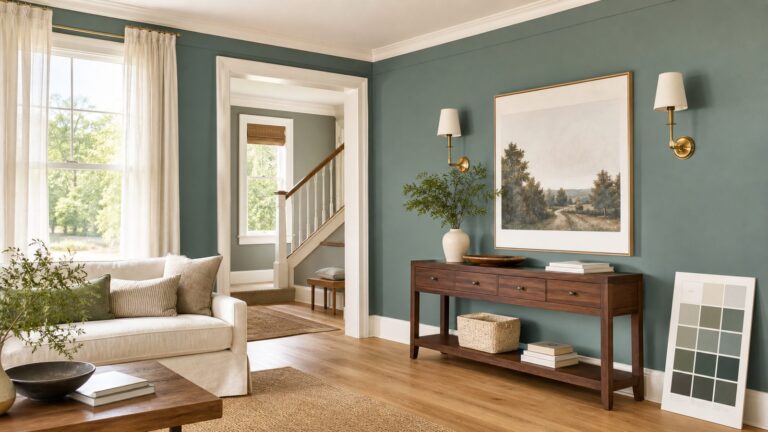
The 2026 color story is warmer and more grounded than the cool-gray interiors that dominated for years. Sherwin-Williams named Universal Khaki SW 6150 its 2026 Color of the Year. Behr selected Hidden Gem, a smoky jade green. Valspar chose Warm Eucalyptus. Dunn-Edwards named Midnight Garden DE5657, a deep muted green. Benjamin Moore’s 2026 palette centers on Silhouette AF-655, a rich charcoal-brown with plum undertones.
Do these 3 things before closing this tab:
1Fix the driver behind crashes, sound loss and screen glitches2Repair Windows errors before they cause bigger problems3Scan for outdated or missing drivers - takes under a minute#1 Best Overall
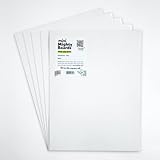
- PERFECT SAMPLES: These 12" x 9" white, styrene panels provide a smooth, warp-free surface for testing up to 5 color samples with paint, stain or other coatings.
- DURABLE MATERIAL: Made of sturdy styrene, these panels can withstand multiple coats and are non-absorbent so colors will stay true.
- CONVENIENT SIZING: At 12" x 9", the panels are just the right size for testing many common paint colors side by side before committing to a full project.
- PACKAGE INCLUDES: This value pack contains 5 white panels, enough for testing several color options on one purchase.
- VERY FLEXIBLE: Mighty Boards do not warp like foam core and you can bend them without breaking.
That tells us where the market is going: not bright novelty colors, but livable, earthy shades with enough depth to make builder-grade rooms feel designed.
Still, color is only one part of the job. Before we recommend a paint plan, we look at five things: the direction of daylight, bulb temperature, floor and cabinet undertones, wall condition, and the room’s abuse level. A north-facing bedroom can make a green look grayer. A 5000K LED bulb can make khaki look flat. A satin finish on rough drywall can highlight every patch. A deep green wall in a hallway may need a better primer and sharper cut lines than a warm white wall in a bedroom.
For most homeowners, the best 2026 palette is not seven trendy walls fighting each other. It is one main neutral, one consistent trim and ceiling color, and two or three stronger colors used in the rooms where they make sense.
2026 Paint Color Cost Planning
National interior painting cost guides vary because room size, prep, ceiling height, trim, and local labor rates vary. A realistic 2026 planning range for professional wall painting is about $2 to $6 per square foot for walls only. Many single-room projects land around $1,000 to $2,900, with smaller or simpler rooms sometimes closer to $200 to $1,100 and more involved rooms going higher.
Crashes, No Sound, or Screen Glitches?
Random freezes, missing sound and display glitches usually trace back to one bad driver. Find and replace yours safely.Free scan · under a minutePC Slower Than It Used to Be?
A free scan shows the junk files, broken settings and background clutter dragging Windows down - then fixes them in one click.Free scan · Windows 10 & 11For a 2,000-square-foot interior, homeowners commonly see whole-home wall painting budgets in the $4,000 to $10,000 range. That number rises when the scope includes ceilings, doors, baseboards, stairwells, cabinet painting, drywall repairs, high ceilings, or several color changes.
Paint itself often costs about $20 to $100 per gallon, depending on the brand, resin quality, washability, low- or zero-VOC formulation, and finish. Labor is usually the larger number, often around 75% to 85% of a typical interior paint project. Deep greens, browns, reds, and blues can cost more than warm whites or khakis because they may need tinted primer, more precise cutting, and sometimes an extra coat.
| Scope | 2026 Planning Range | What Changes the Price |
|---|---|---|
| One average room, walls only | $1,000-$2,900 typical | Wall height, repairs, furniture protection, number of coats |
| Professional wall painting | $2-$6 per sq. ft. | Local labor, surface condition, colors, access |
| Walls plus trim and ceilings | About $4.70-$7 per sq. ft. | Door count, baseboards, crown, ceiling texture |
| 2,000-sq.-ft. interior | $4,000-$10,000 common | Whole-home scope, stairwells, repairs, premium paint |
| Interior paint material | $20-$100 per gallon | Brand, sheen, durability, low-VOC formula |
1. Warm Khaki and Taupe for Living Rooms and Open Plans
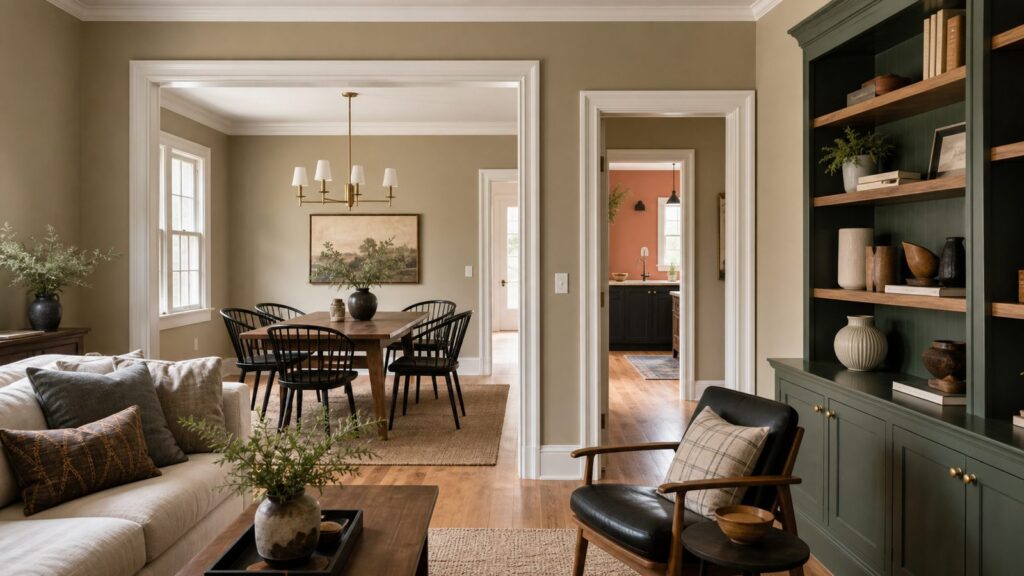
Warm khaki is the safest place to start if you want a 2026 update without making your home feel experimental. Sherwin-Williams Universal Khaki SW 6150 is the clearest signal in this family: a warm, grounded neutral that works better with wood floors, stone counters, cream trim, and black fixtures than the cooler grays many homes still have.
Use khaki or taupe in living rooms, open kitchens, hallways, stairwells, and large connected spaces. These colors bridge other rooms well because they have enough body to look intentional but not so much saturation that every furniture choice has to change.
Free tools Windows power users keep installed
One-click scans. No signup required.
The main risk is undertone. Some khakis lean green. Some taupes lean pink or gray. Test at least two samples vertically on different walls, ideally one near a window and one in the deepest shadow. Do not choose from a flat sample on a kitchen island. Walls receive light differently.
For open plans, we usually keep the trim and ceiling consistent throughout the connected area. A warm white ceiling with the same trim color from room to room keeps the palette calm even when the wall color changes in nearby rooms. In family rooms and hallways, a washable matte or premium eggshell finish gives the softer designer look people want while still cleaning better than basic flat paint.
2. Smoky Jade and Eucalyptus Green for Bedrooms and Baths
Smoky green is one of the most useful 2026 color families because it reads as color without becoming loud. Behr’s Hidden Gem and Valspar’s Warm Eucalyptus both point to the same practical direction: muted green with enough gray or blue in it to feel calm and modern.
Bedrooms, bathrooms, laundry rooms, and quiet sitting rooms are natural fits. In a bedroom, smoky green works well with white oak, walnut, linen, black metal, brass, warm white bedding, and natural fiber rugs. In a bathroom, it pairs well with white tile, marble-look quartz, brushed nickel, aged brass, and warm wood vanities.
In bathrooms, paint is not a substitute for ventilation. Before we blame paint failure on a product, we check whether the bath fan is working, whether it vents outdoors, and whether the room stays damp after showers. For full baths, choose a quality bathroom-rated eggshell, satin, or washable matte depending on the product line. Avoid basic flat paint in wet rooms.
Lighting matters here. Warm 2700K to 3000K bulbs usually make eucalyptus greens feel softer. Cooler bulbs can push them sharper and grayer. If the room has no natural light, sample larger. A 12-inch square is often too small for a low-light bathroom; a 2-foot by 2-foot sample area gives a better read.
3. Deep Garden Green for Offices, Dining Rooms, Cabinetry, and Powder Rooms
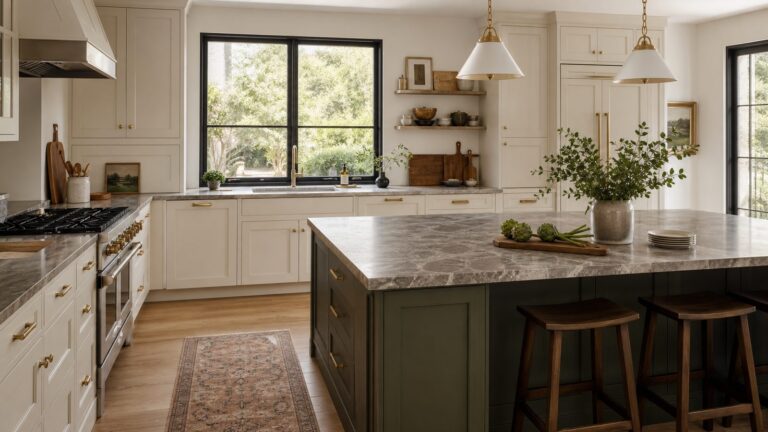
Deep muted green is the 2026 choice for homeowners who want a room to feel tailored. Dunn-Edwards Midnight Garden DE5657 is a good anchor for this trend: a dark garden green with earthy undertones instead of a bright emerald cast.
Rank #2

- suitable for various mailing and storage needs
- Soft and easy to use
- No batterries required
- No Assembly required
- Safe to use
This color family works best where stronger atmosphere is an advantage: home offices, dining rooms, libraries, powder rooms, mudroom built-ins, kitchen islands, fireplace walls, and cabinet-style millwork. It can make cheap trim look sharper, but only if the prep is right. Dark paint shows poor sanding, heavy roller marks, crooked cut lines, and missed caulk faster than a beige wall does.
What’s actually slowing this PC down?
Pick the symptom - the matching free tool is one click away.
For walls, we usually prefer washable matte or eggshell. For built-ins, doors, and cabinets, use a harder enamel or cabinet-grade coating in satin or semi-gloss. Cabinet painting is a different job than wall painting; it typically requires cleaning, deglossing, sanding, bonding primer, controlled application, and proper cure time. A cabinet finish may feel dry in a few hours but still need days or weeks to reach full hardness.
Deep greens often need a tinted primer or manufacturer-recommended base. That step can reduce coat count and improve color depth. Skipping it may save one material line item and cost more in labor when the finish needs another coat.
4. Chocolate, Charcoal, and Plum-Brown for Entryways, Dens, and Dining Rooms
Benjamin Moore Silhouette AF-655 captures one of the more sophisticated 2026 directions: a dark neutral that sits between chocolate, charcoal, and plum. These colors are not for every wall in every house, but they are excellent in the right rooms.
Use chocolate-plum brown in entryways, dens, formal dining rooms, media rooms, powder rooms, and transition spaces where you want depth. It can make white trim look crisp and can give older homes a more architectural feel, especially where there is wainscoting, crown, built-ins, or strong window casing.
The practical concern is light. In a room with limited daylight, a color like this can look almost black. That may be exactly the point in a dining room or den, but it can feel heavy in a long hallway with low ceilings. If you want the mood without closing in the room, paint the lower trim, doors, or built-ins dark and keep the upper walls warm neutral.
Dark browns also show drywall texture and poor patches. Before painting, inspect walls with a work light held at a shallow angle. Nail pops, ridges, dents, and bad joint compound will be easier to fix before the first coat than after the wall is dark and every flaw has a shadow.
5. Terracotta, Clay, and Red-Brown for Kitchens, Mudrooms, and Accent Walls
Terracotta and clay are the warmest 2026 colors on this list. They bring life to kitchens, mudrooms, breakfast areas, reading corners, and accent walls without going into bright orange. The best versions are muted: red-brown, baked clay, or softened rust.
This family pairs especially well with cream cabinets, soapstone-look counters, white oak, aged brass, black hardware, zellige-style tile, and natural stone. It can also rescue a room that feels too cold from white walls, gray flooring, or stainless appliances.
Recommended Free Tools
Use restraint. In resale-sensitive homes, clay is usually stronger as a kitchen nook, mudroom wall, island color, pantry door, powder room, or dining room accent than as the main color through an entire open plan. It is warm enough to shift the mood of nearby materials, so test it beside flooring, cabinets, backsplash, and counters.
Red and clay pigments may require better primer and careful application. If you are moving from a cool gray or bright white to terracotta, plan on at least two finish coats and possibly a tinted primer. With lower-quality paint, red-brown colors can look streaky or uneven because the wall absorbs light differently from patch to patch.
6. Warm Off-White and Cream for Ceilings, Trim, Hallways, and Whole-Home Use
Warm off-white is not boring when it is chosen correctly. In 2026 palettes, cream and warm white are the glue colors. They make khaki, green, brown, clay, and navy feel connected. They also protect resale value in main areas where a saturated color may be too personal.
Use warm white on ceilings, trim, hallways, bedrooms, closets, and whole-home repaints where the owner wants a clean backdrop. Compared with stark white, warm white is more forgiving with wood floors, beige stone, cream tile, and older trim. Compared with gray, it usually feels brighter and less dated.
The Tool Desk
Outbyte Driver Updater FREEFix the driver behind crashes, sound loss and screen glitchesFind Drivers →Outbyte PC Repair FREERepair Windows errors before they cause bigger problemsFix Now →The mistake is choosing a white in isolation. A warm white that looks beautiful on a chip can turn yellow next to cool marble or blue-gray flooring. A cooler white can make khaki walls look muddy. We test whites beside the actual wall color, not separately.
Rank #3

- Package Includes: this set includes 5 paint color test boards, allowing you to evaluate multiple color options at once, improving your color selection efficiency, and enabling you to choose colors for spaces such as the living room, bedroom, and kitchen
- Moderate Size: measuring about 12 x 9 inches, these paint sample boards provide a larger color display area, allowing you to judge the visual effect of paint on the actual wall surface, and can also be placed side by side for direct color comparison
- Quality Polystyrene Material: these color tester sample boards thickness about 1 mm crafted from polystyrene material, resisting warping after it dries, and you can use it multiple times
- Portable Design: after painting, you can place the sample in different rooms, on different walls, and facing different directions to observe it, helping you to evaluate the color effect under various lighting conditions
- Versatile Uses: except home painting projects, this polystyrene sheet is also an ideal paint sample board for artists who need a color tester sample board for practice; Use it to test color mixtures before applying to final canvases
For ceilings, flat paint still makes sense in most dry rooms because it hides imperfections. For trim and doors, satin or semi-gloss is typical because it handles hand contact and cleaning. For hallways and kids’ rooms, washable matte or eggshell on the walls is usually worth the material upgrade.
7. Blue-Green and Deep Navy for Bathrooms, Bedrooms, Built-Ins, and Small Rooms
Blue-green and deep navy remain strong in 2026 because they give homeowners a saturated color that still feels familiar. HGTV Home by Sherwin-Williams’ 2026 collection includes Still Water, a useful cue for this water-adjacent, blue-green direction.
Bathrooms, bedrooms, mudrooms, laundry rooms, bookcases, fireplace built-ins, and small offices are the best places to use these colors. In compact rooms, a deeper blue-green can feel deliberate rather than cramped, especially when trim, mirrors, tile, and lighting are handled cleanly.
Quick wins for a faster PC:
Repair Windows errors before they cause bigger problemsFix Now →Scan for outdated or missing drivers - takes under a minuteDriver Scan →Clear out junk files and repair common Windows errorsFree Scan →Navy and blue-green are also good choices for homeowners who want contrast but do not want black. They pair well with white trim, warm brass, chrome, walnut, white oak, and natural stone. In a coastal or lake-adjacent home, they can feel connected to the setting without becoming theme-driven.
Like deep green, these colors reward better prep. Use a high-quality roller cover, maintain a wet edge, and follow the paint manufacturer’s recoat window. If the wall has glossy old paint, prime or degloss as directed. Dark blue over a shiny or poorly patched surface is not forgiving.
Best Sheen by Room
Sheen changes both the look and durability of a color. Higher sheen usually cleans better but shows wall flaws more. Lower sheen looks softer but may not handle moisture, fingerprints, or scrubbing unless it is a premium washable product.
| Room or Surface | Recommended Sheen | Reason |
|---|---|---|
| Living rooms and bedrooms | Washable matte or eggshell | Soft appearance with better cleaning than basic flat |
| Hallways and family rooms | Premium eggshell or washable matte | Handles fingerprints, bags, pets, and daily traffic |
| Kitchens | Eggshell, satin, or scrubbable matte | Better resistance near cooking and cleaning zones |
| Bathrooms | Bathroom-rated eggshell, satin, or washable matte | Moisture resistance matters, along with ventilation |
| Ceilings | Flat | Hides roller marks and ceiling imperfections |
| Trim and doors | Satin or semi-gloss | More durable for hand contact and cleaning |
| Cabinets and built-ins | Cabinet-grade satin or semi-gloss enamel | Harder finish for repeated use |
How to Test 2026 Paint Colors Before You Commit
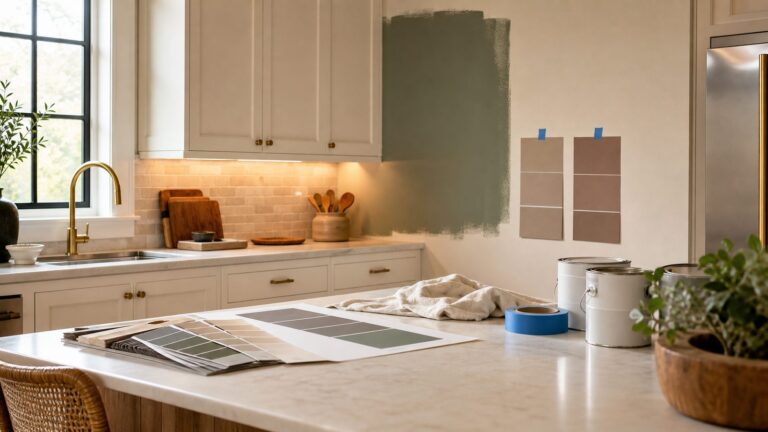
Do not approve a color from a screen image, fan deck, or 2-inch chip. Paint color changes with light, wall angle, flooring, furniture, and bulb temperature. On our projects, we want samples viewed in the morning, afternoon, and evening before a whole-room decision.
Sample vertically on at least two walls. If you do not want to paint directly on the wall, use large movable sample boards, but still stand them upright. A color laid flat on a counter receives light differently and will mislead you.
Test next to the materials that are staying: flooring, cabinets, counters, tile, fireplace stone, sofa fabric, and trim. This is where undertones show up. Khaki can turn green. Cream can turn yellow. Deep green can look black. Plum-brown can read purple. Navy can look almost black in a shaded room.
Lighting should be part of the approval process. Warm 2700K to 3000K bulbs usually make khakis, browns, terracotta, and warm whites richer. Cooler bulbs can make greens sharper and whites more clinical. If you are replacing light fixtures or bulbs, do that before final color approval.
Independent reader supportYour contribution helps us test, update, and keep practical guides available for everyone.Prep, Primer, and Safety Notes Homeowners Should Not Skip
The paint color gets attention, but prep determines whether the finished room looks professional six months later. Before painting, walls should be cleaned where needed, nail holes filled, failed caulk removed and replaced, glossy surfaces deglossed or primed, stains sealed, and patched drywall primed. Fresh joint compound is porous; if it is not primed, it can flash through the finish coat as dull or uneven areas.
Primer is especially important when moving from dark to light, light to saturated, glossy to matte, raw wood to paint, stained surfaces to finish paint, or patched drywall to final color. Deep 2026 colors such as garden green, navy, plum-brown, and terracotta often perform better with a tinted primer or the base recommended by the paint manufacturer.
For homes built before 1978, lead paint must be treated as a serious possibility before sanding, scraping, or disturbing old coatings. The EPA’s lead-safe renovation guidance is especially relevant for pre-1978 homes, and contractors working on covered projects must follow lead-safe requirements. A simple repaint over intact paint is different from aggressive surface disturbance, but wall repair, window work, trim sanding, and exterior scraping can change the risk quickly.
VOC rules also matter. Architectural coatings are regulated at the federal level, and some states and air districts, including California and South Coast AQMD areas, have stricter limits. Most homeowners do not need to become code experts to repaint a bedroom, but it is worth choosing compliant products and asking your contractor what coating system they plan to use, especially for occupied homes, nurseries, bedrooms, and poorly ventilated areas.
Rank #4

- Core Color Matching: Paint color sample cards include 83 standard colors to support paint color sample cards, color matching cards for painting, and paint chips standard samples, helping users compare shades before selecting a final finish for floor paint, hardware, and other project needs
- Reliable Reference: Paint samples are made with color matching materials designed to support accurate color comparison, giving painters and DIY users a practical paint and paint color samples reference for selecting tones that fit the project surface and intended look
- Portable Format: Measuring 3.74 x 1.57 x 1.18 in and weighing 3.88 oz, this paint samples set is compact for a toolbox, work bag, or travel use, making it easier to carry color test card paint and check shades on site when planning paint work
- Wide Project Use: Paint sample cards are suitable for floor paint, paint hardware, and related color selection tasks, offering a useful paint chips samples reference for contractors, decorators, and home improvement users working on color coordination across different surfaces
- Simple Set Package: Each package includes 1 set of paint sample cards, giving users a straightforward paint sample standard cards option for daily work, project planning, and quick shade comparison when choosing among paint color cards and paint chips sample cards
Interior repainting usually does not require a building permit when it is strictly cosmetic. That can change if the project includes structural repairs, electrical changes, major drywall replacement, exterior work under HOA rules, lead-safe regulated work, or commercial and multifamily requirements. When in doubt, ask the local building department before the project starts.
Do these 3 things before closing this tab:
1Scan for outdated or missing drivers - takes under a minute2Repair Windows errors before they cause bigger problems3Fix the driver behind crashes, sound loss and screen glitchesWhen to DIY and When to Hire a Pro
A careful homeowner can DIY a simple bedroom, office, or powder room if the walls are in good shape and the project uses one color. Plan on a full weekend for a typical bedroom once you include moving furniture, protecting floors, patching, sanding, priming spots, cutting, rolling two coats, drying time, cleanup, and reinstalling switch plates.
DIY makes the most sense for rooms under about 150 to 200 square feet, standard 8- to 9-foot ceilings, minimal wall damage, no lead concern, and low-risk colors such as warm white, khaki, or a mid-tone green. Use quality tape, drop cloths, a 3/8-inch nap roller for smooth drywall, a good angled brush, and enough paint from the same formula to finish the room.
Hire a pro when the room has high ceilings, stairwells, heavy drywall repair, textured ceilings, several colors, deep saturated paint, detailed trim, cabinet painting, occupied-home protection needs, or possible lead paint. Also hire when the schedule matters. A professional crew can often complete in one or two days what may take a homeowner several evenings and weekends.
For trendy 2026 colors, the pro advantage is not just speed. It is straight cut lines, consistent sheen, proper primer, clean transitions, controlled dust, and the judgment to stop and fix wall defects before expensive finish paint goes on.
The Tool Desk
Outbyte Driver Updater FREEScan for outdated or missing drivers - takes under a minuteDriver Scan →Outbyte PC Repair FREERepair Windows errors before they cause bigger problemsFix Now →A Practical Whole-Home 2026 Palette
If you want a cohesive plan rather than isolated room colors, start with this structure. Use warm khaki or taupe for the main living areas. Use warm white for ceilings, trim, closets, and halls. Choose smoky eucalyptus green for the primary bedroom or bath. Use deep garden green in the office, dining room, powder room, or built-ins. Add terracotta or clay in a mudroom, kitchen nook, pantry, or accent wall. Reserve chocolate-plum brown for a den, entry, or dining room where mood is welcome. Use blue-green or navy in a bath, laundry room, bedroom, or custom cabinetry.
That gives you a house that feels current without feeling chaotic. The trim stays consistent. The main public rooms stay resale-friendly. The stronger colors go where they can add character without taking over the entire floor plan.
Document every paint choice when the job is done: brand, color name, formula, sheen, room, purchase date, and store location. Keep a small labeled touch-up container for each color. Six months later, when a hallway gets scuffed or a built-in needs a repair, that record saves time and prevents mismatched touchups.
Bottom Line
The best 2026 paint colors are warmer, deeper, and more natural than the cool neutrals many homeowners are ready to leave behind. Warm khaki, smoky eucalyptus, deep garden green, plum-brown, terracotta, warm white, and blue-green or navy can work in almost any house when they are assigned to the right rooms.
Outdated Drivers Are Slowing You Down
One free scan finds every outdated or missing driver and matches the right update for your exact hardware.Free scan · exact hardware matchPC Slower Than It Used to Be?
A free scan shows the junk files, broken settings and background clutter dragging Windows down - then fixes them in one click.Free scan · Windows 10 & 11The difference between a trendy repaint and a lasting upgrade is execution: sample large, check the color in real light, choose the right sheen, use primer where the coating system calls for it, respect lead-safe rules in older homes, and budget for prep. Paint is one of the most cost-effective remodeling tools available, but only when the surface underneath is ready for it.
Frequently Asked Questions
What are the most popular interior paint colors for 2026?
The strongest 2026 interior paint trends are warm khaki and taupe, smoky eucalyptus green, deep garden green, chocolate-plum brown, terracotta or clay, warm off-white, and blue-green or navy accents.
How much does it cost to paint a room in 2026?
A professionally painted room commonly costs about $1,000 to $2,900, with walls-only pricing often around $2 to $6 per square foot. Prep, ceiling height, trim, repairs, primer, and deep colors can raise the price.
What paint sheen should I use in each room?
Use washable matte or eggshell for bedrooms and living rooms, eggshell or satin for kitchens and baths, flat for ceilings, satin or semi-gloss for trim and doors, and cabinet-grade satin or semi-gloss enamel for built-ins and cabinets.
Quick wins for a faster PC:
Repair Windows errors before they cause bigger problemsFix Now →Fix the driver behind crashes, sound loss and screen glitchesFind Drivers →Do I need a permit to repaint the inside of my house?
Most interior repainting does not require a permit when it is purely cosmetic. Check locally if the project includes structural repairs, electrical work, major drywall replacement, commercial or multifamily work, or lead-safe regulated work.
How do I know if my older home has lead paint?
If the home was built before 1978, assume lead paint may be present until it is tested or evaluated. Avoid sanding, scraping, or disturbing old coatings without proper lead-safe precautions.
Why does my paint color look different at home than it did online?
Paint shifts with daylight direction, shadows, bulb temperature, flooring, cabinets, and sheen. Always test large vertical samples on at least two walls and view them morning, afternoon, and evening before approving the color.
Quick Recap
Product prices and availability are accurate as of the date/time indicated and are subject to change. Any price and availability information displayed on Amazon at the time of purchase will apply.